Amazon changed the rules again — no wait, this time it wasn't the rules. It was me. I messed up.
Last month I was reconciling my FBA invoice and spotted a line I'd never seen before: an overage storage fee, a few hundred bucks. My first instinct was that Amazon screwed up the math. I argued with seller support for half an hour before they dropped the policy link on me: nope, the math is right. You're over your limit.
Fine. My loss. But it stung enough that I went and tore apart exactly how FBA overage storage fees work. Here's the full breakdown, so you don't have to pay the same tuition I did.
How FBA overage storage fees actually get calculated
Bottom line up front: it's not one fee. It's three layers stacked on top of each other.
Layer one: monthly storage fees. FBA charges by the cubic foot, per month. Whatever you occupied from the 1st to the end of the month, that's what you pay. Q4 (October through December) rates run higher than the rest of the year — the exact numbers change, so always check the latest policy in Seller Central.
Layer two: the aged inventory surcharge. Inventory sitting in FBA longer than 271 days gets hit with one tier of surcharge; past 365 days, a higher tier. It's charged per unit — the longer it sits, the more it costs. The 271-day and 365-day lines are fixed; the rates themselves, check Seller Central.
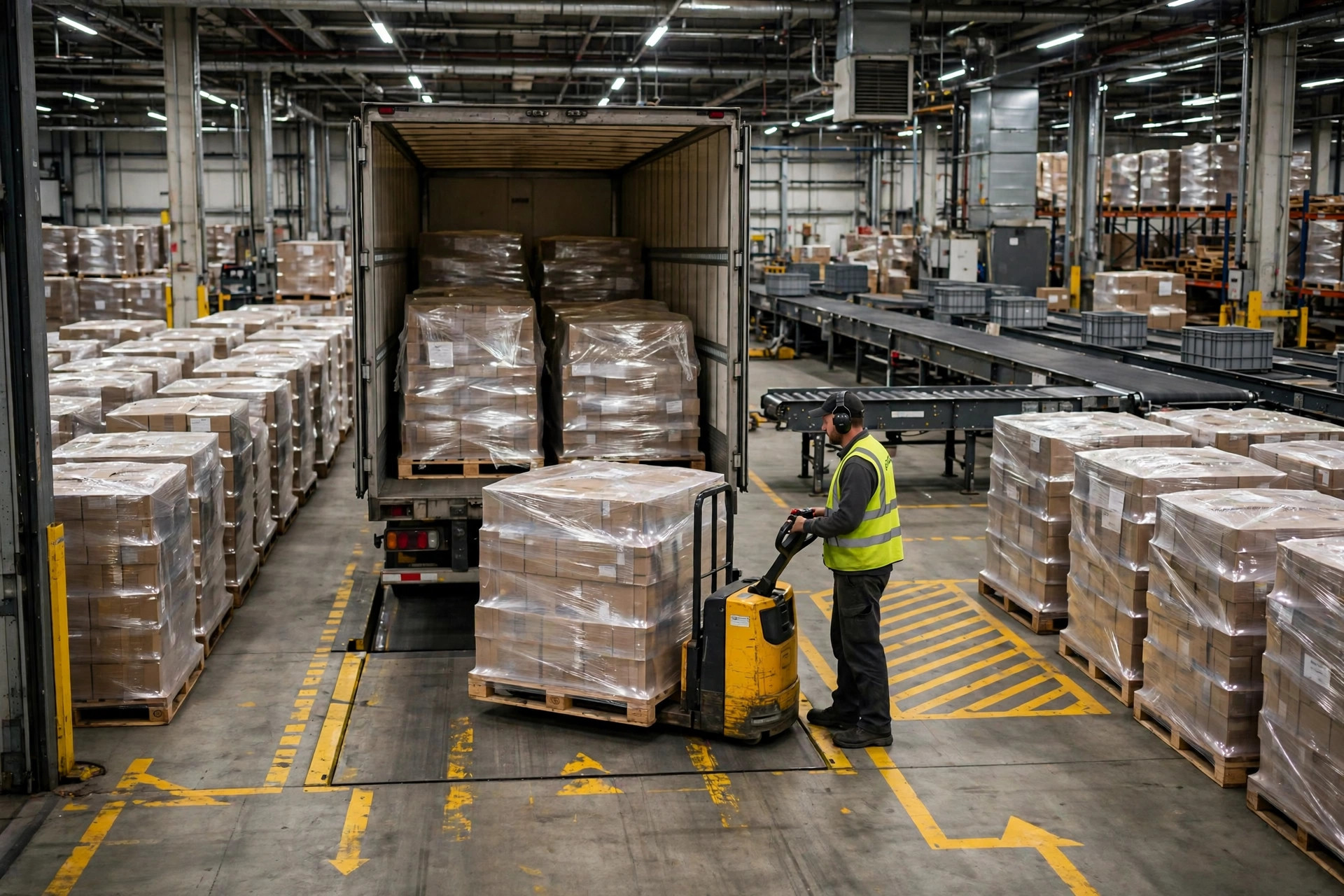
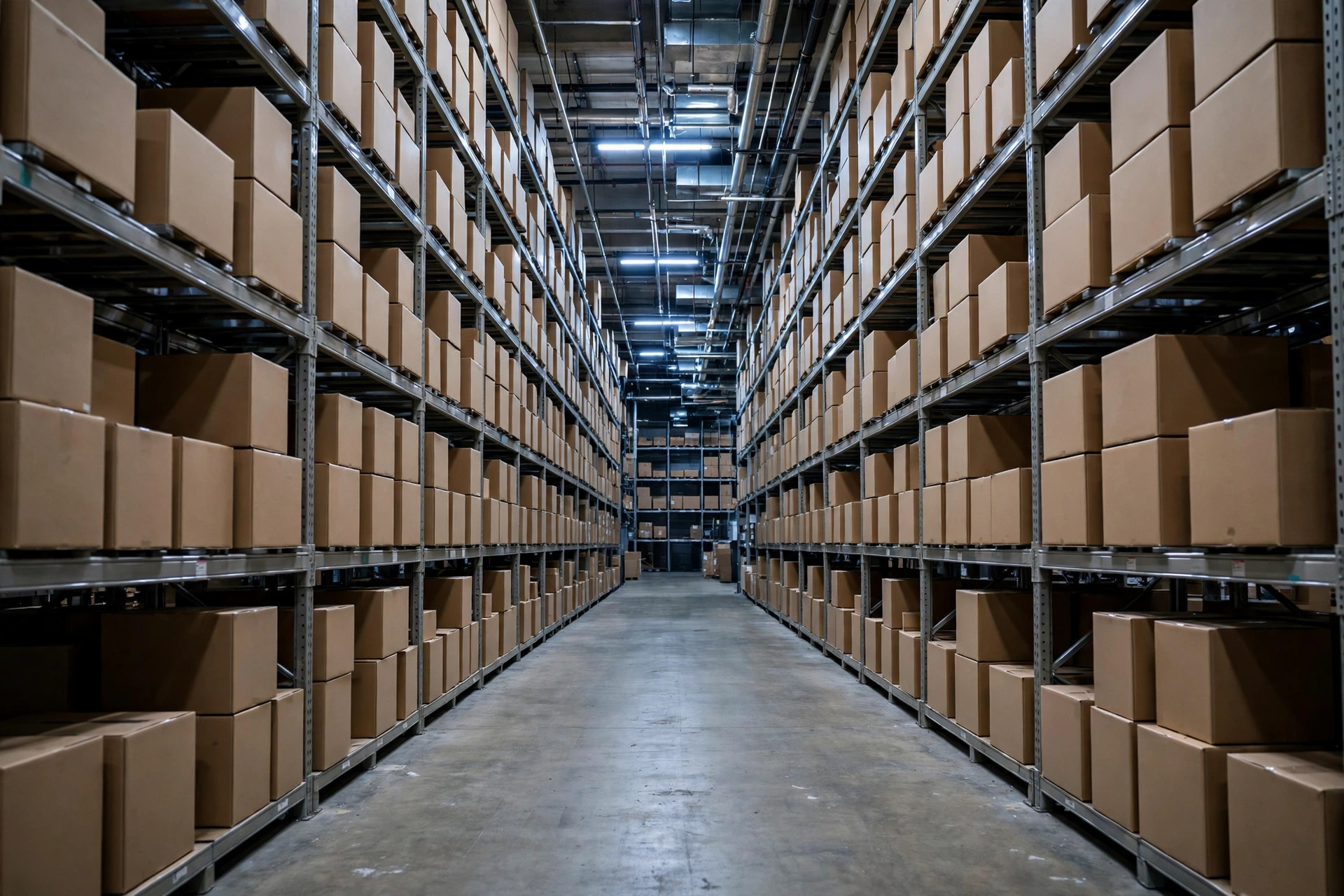
Layer three: the overage — where I got burned. Your FBA storage has a capacity limit tied to your IPI score. Go over it, or keep utilization pinned at max with near-zero turnover, and the system flags you as dead weight and charges extra on the overage portion.

Amazon's logic is one sentence long: FBA is for turnover, not for hoarding. Park your inventory there and don't move it, and they'll use fees to make you move it.
Case one: my friend's Black Friday stockpile turned into aged-inventory fees
A buddy of mine in Shenzhen sells outdoor lighting. September 2025, prepping for Black Friday, terrified of stockouts — he shipped in 60 days of cover in one go. Then his category turned into a price war that Q4 and he sold through maybe 40%. The other 60% just sat in FBA.
By Q2 2026 that leftover stock was marching toward the 271-day line. Monthly storage kept billing, aged surcharges started stacking. He ran the numbers: roughly $20k of inventory value left, and one quarter of storage-related fees ate over $1,000 — close to 7% of the goods' value.
He finally bit the bullet: in-site discounts plus Outlet deals, sell what he could, removal orders for the rest. Took a loss, but less of a loss than letting it sit — two more quarters of sitting and the fees would have eaten the entire margin.
His lesson, in his own words: better to stock out for three days than overstock for three months. A stockout costs you a few days of sales. Overstock costs you real money in storage fees.
Case two: I cut my own cover from 150 days to 45
I've paid this tuition too. I had a small-appliance accessory selling a steady 200 units a month, and out of pure laziness I kept 1,000 units in FBA year-round — 150 days of cover. Figured "it'll sell eventually."
Problem: the thing is bulky. It hogged capacity. When peak season hit and capacity got tight, the overage surcharge came knocking. I pulled the numbers apart: those 1,000 parked units, monthly storage plus the overage portion — one quarter of it would've covered two rounds of inbound freight if I'd just shipped smaller batches.
So I switched to 45-day rolling cover: 300 units live in FBA, the rest parked at my overseas warehouse partner, topping up every two weeks. More frequent replenishment, but per-shipment freight barely moved (consolidate and it's fine), and my FBA storage bill dropped by roughly 60%.
Tested it myself, works — been running this for over half a year now, haven't paid a cent of overage since.
Three-way math: is paying the FBA overage fee ever worth it?
Slow-moving stock sitting in FBA leaves you three options. Let me walk through an illustrative example — numbers are illustrative, always confirm current rates in Seller Central:
| Option | What it costs | Best for |
|---|---|---|
| Keep it in FBA | Monthly storage + aged surcharge + overage fee — gets worse the longer it sits | Normal-turnover SKUs with short-term dips |
| Removal order to off-Amazon storage | Removal handling fee + freight to your 3PL/overseas warehouse + their storage rate | High-value goods that will still sell |
| Discount and liquidate | Margin given up in discounts + clearance ad spend | Low-value goods that won't move |
Two takeaways:
First: low-value slow movers — don't bother with removal orders, just discount and clear them. Removal orders carry their own handling fee, plus a leg of freight. For cheap goods, the round trip costs more than taking the loss on clearance.
Second: high-value slow movers — moving them out beats letting them sit. A 3PL or overseas warehouse typically charges a fraction of FBA's peak-season rate. Getting the goods out is pure savings.
And here's the counterintuitive part: a lot of sellers think "unused FBA capacity is wasted capacity" and stuff every cubic foot full to feel safe. Wrong. The right posture for FBA inventory is lean and fast — keep cover under 45 days, run at 70% capacity with rapid turnover, and you'll make more money than the seller at 100% capacity with six-month-old stock. FBA is your striker, not your warehouse. Your actual warehouse should be the 3PL or overseas facility behind it.
The dodge checklist: four things to do before peak season
- Replenish on turnover days — 30 to 45 days of rolling cover, not gut-feel 90-day piles. Volatile SKUs get topped up more often, not in bigger lumps.
- Check the aged inventory report at the start of every month. 271 days is the red line. Anything approaching it gets a decision that month: discount it, move it, or kill it. Don't let it drift.
- Clear slow movers before peak season (ahead of September). October brings higher rates and tighter capacity — slow-moving stock pays the most expensive storage of the year in Q4.
- Watch your IPI score and capacity limit. If the score drops into the danger zone, your limit gets cut, and overage fees arrive even faster.
I run this routine once a month now. Ten minutes on the report, clear what needs clearing, top up what needs topping up.
At the end of the day, the FBA overage storage fee isn't Amazon trying to scam you — it's what happens when you use FBA as a warehouse. Treat it as a high-velocity forward stocking point and this fee will never touch you again.
Tested it myself and it works — since cutting cover from 150 days to 45, my FBA storage bill is down 60% and I actually stock out less often. Try it for a month. The invoice will tell you the truth.
By Ah K, E-commerce Seller (5 yrs)