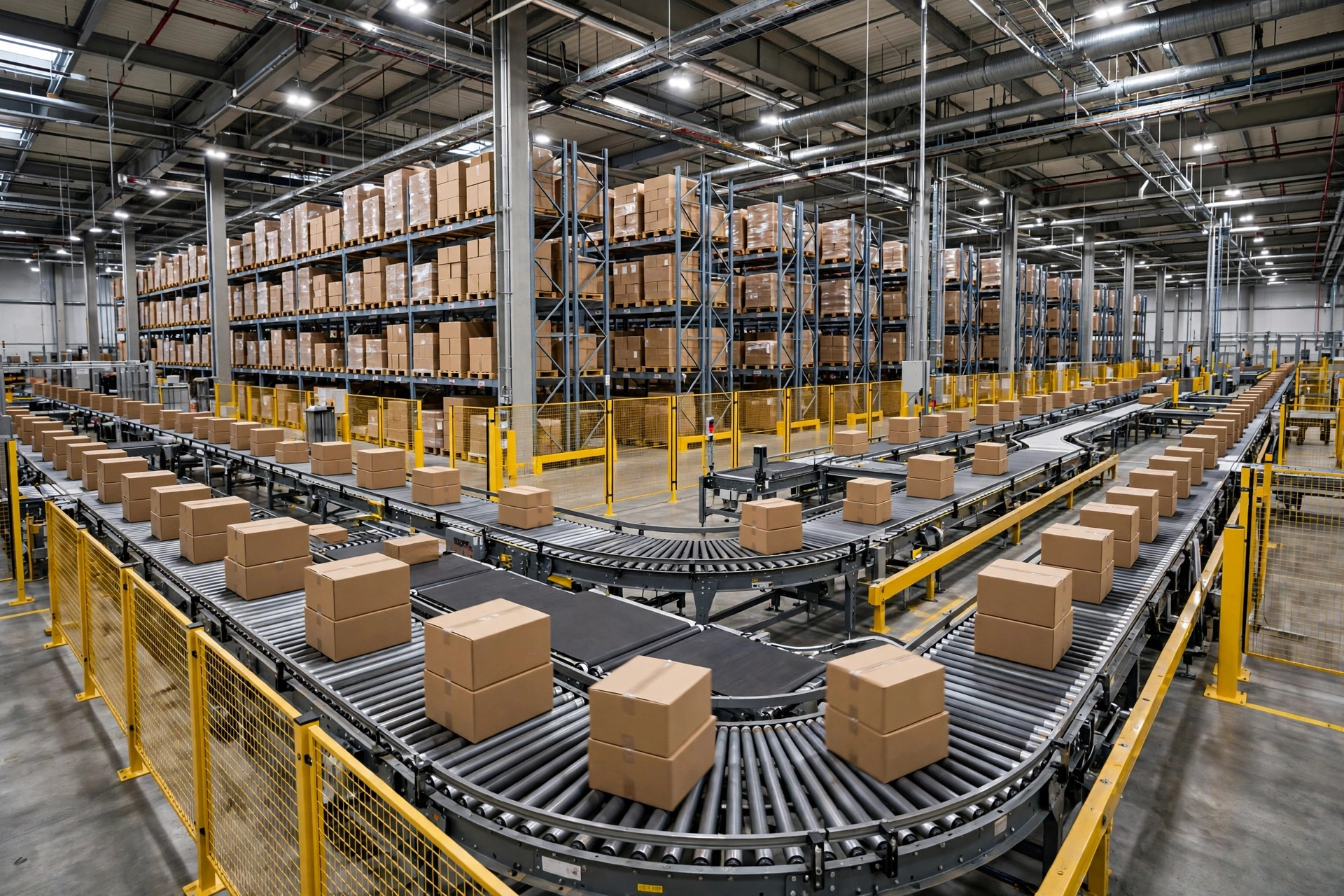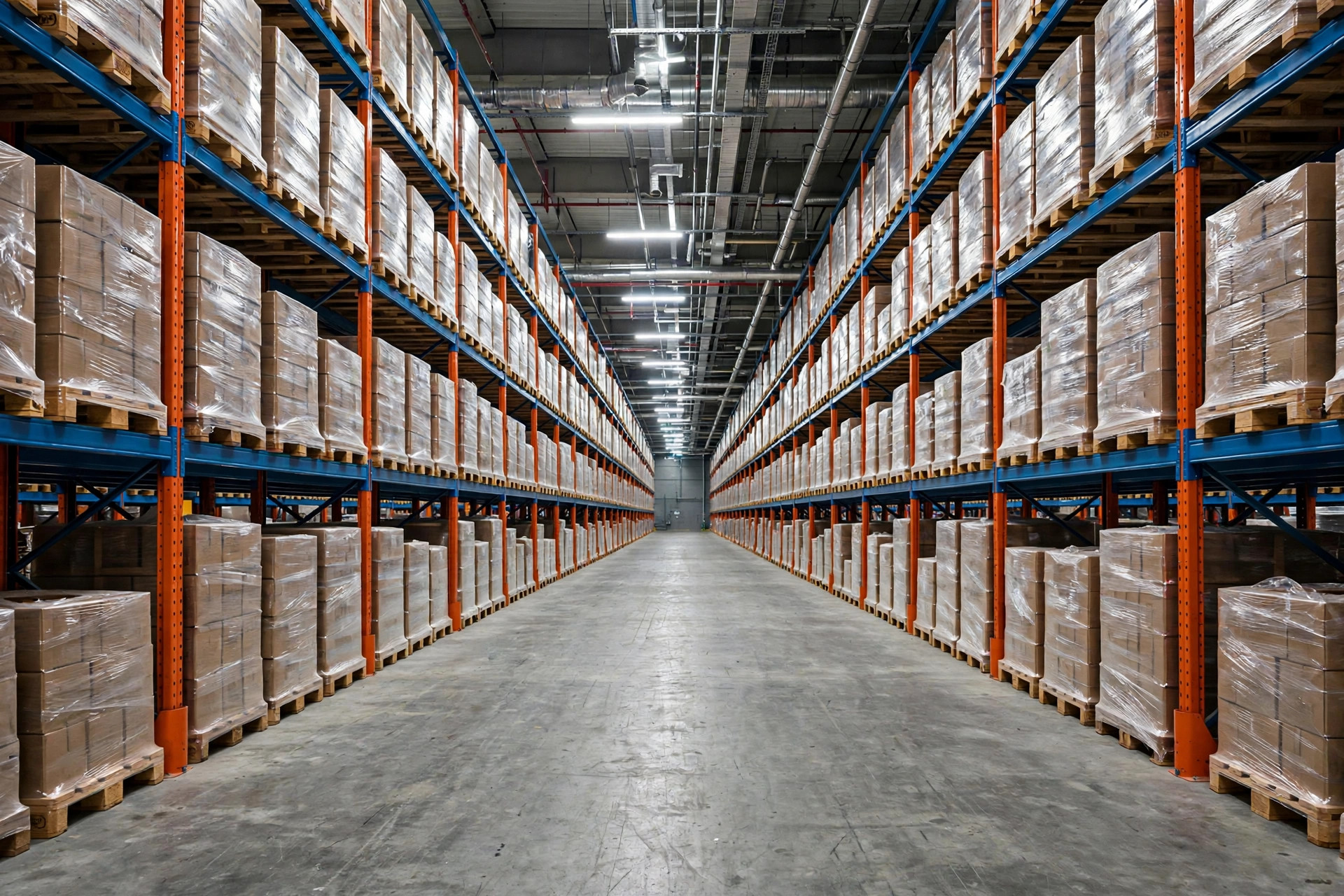
A cautionary tale first. Last year, a Chinese racking manufacturer shipped over $400,000 worth of selective pallet racking to Los Angeles for a 3PL buyer. The container landed, the buyer's third-party engineer reviewed the drawings, and rejected the shipment outright. The column seismic calculations had been done to a domestic code — no earthquake load verification per ASCE 7 — and no California project was going to pass plan check with that. The container sat at the port for three weeks, got sold off at a discount, the freight was wasted, and the certification work had to start over.
Here's what many exporters get wrong: they think selling racking to the US is about steel quality and welds. It's not — or not only. In the US, and especially in California, racking is regulated as a building structure. RMI's ANSI/MH 16.1 is the industry design standard, and on top of that, California enforces seismic provisions from the CBC (California Building Code). No structural calculations, no seismic verification — and your racking can't even get an installation permit in California.
What the US actually requires: RMI plus the local building code
Layer one is RMI's ANSI/MH 16.1, the Design, Testing, and Utilization of Industrial Steel Storage Racks. This is the design basis the whole US industry works from — column, beam, and load-capacity calculations. Buyers recognize it. Engineers recognize it. Insurers recognize it. If your product is engineered entirely to a different national code, member sizes and connection details may not line up, and you'll fail at step one.
Layer two is the building code where the project sits. Racking above a certain height (commonly 8 feet, varying by jurisdiction) is treated as part of the building structure in most US jurisdictions and goes through building plan review. The core of that review is seismic: earthquake loads verified per ASCE 7, Minimum Design Loads for Buildings and Other Structures. California is a high-seismic region, and the CBC adds rack-specific seismic detailing — anchor bolt diameter, embedment, and edge distances for base plates; seismic verification of beam-to-column connections. None of it is optional.
So before you quote, ask the buyer three questions: which state is the racking going to? Does the jurisdiction require PE-stamped structural calculations? Does the project need to go through plan check? Those three answers determine how much documentation you need and what it costs.
California's extra bar: seismic design isn't just thicker steel
A common misconception: seismic compliance means beefing up the steel — thicker columns, heavier sections. It's not that simple. Seismic design is about ductility and connections: when the ground moves, the rack needs to dissipate energy through controlled deformation, not fight it rigidly. Rigid resistance ends with one connection failing suddenly and the whole row going down like dominoes.
On the product level, California buyers always check the same things. Base-plate anchors: bolt diameter, embedment depth, and edge distance all have requirements — no field-drilled expansion bolts and hope. Beam-to-column connections: the safety pin only prevents disengagement; seismic review looks at the connection's actual load capacity. And longitudinal bracing: tall racking without proper bracing in the down-aisle direction will rack over sideways like a bookshelf in a quake.
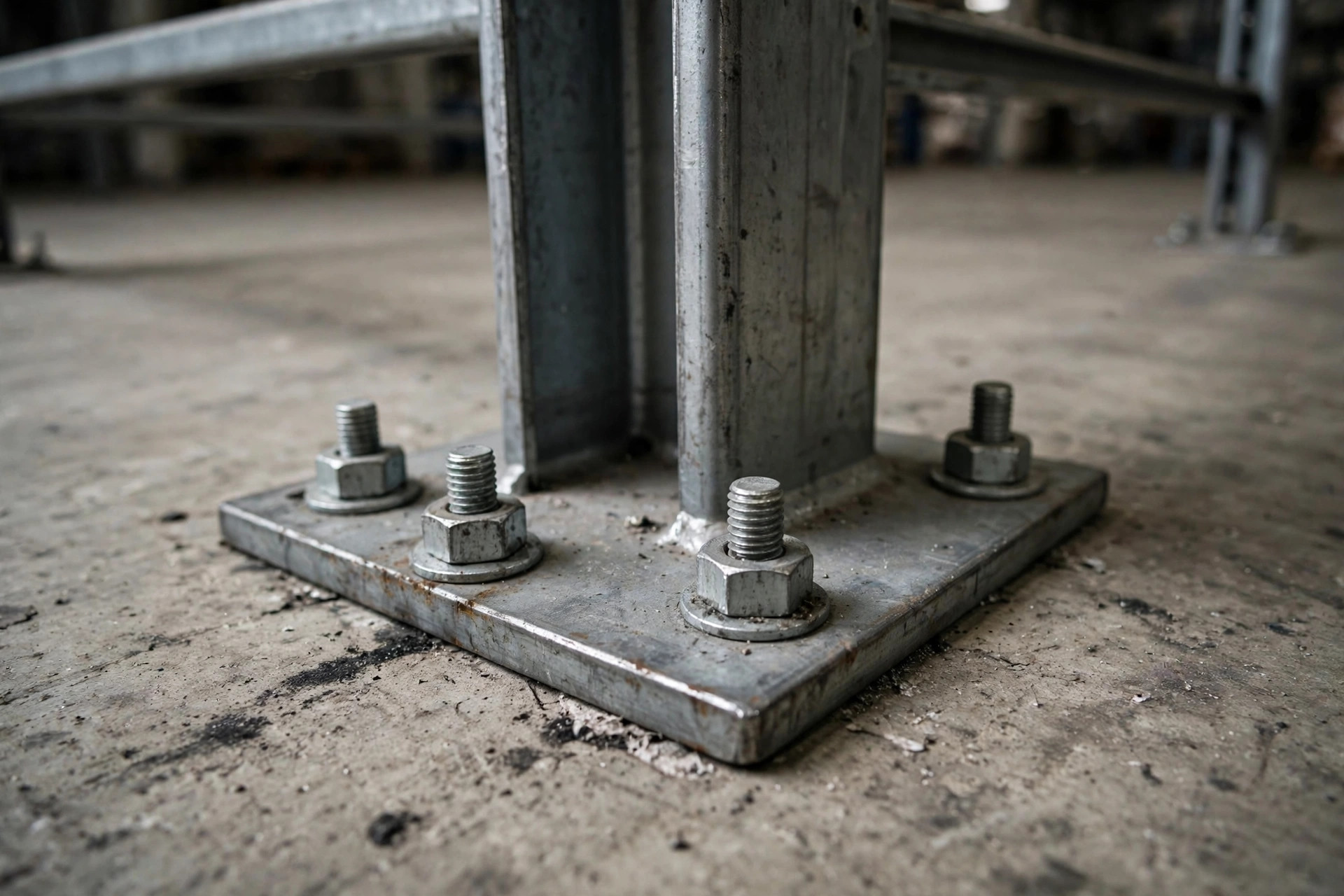
Back home these might be "options." In California they're mandatory. Price the seismic hardware in from the start — don't wait for the buyer's drawing review to add it, because by then every dollar you add is negotiated from the buyer's position of strength.
The certification path: UL doesn't cover racking — RMI and third-party engineering do
Another common mix-up: people ask whether racking needs UL certification. UL covers electrical and fire safety; the racking structure itself is outside UL's scope (electrical components of automated racking systems are a separate matter). For racking exports to the US, credible endorsement comes two ways.
One: work with an RMI-member manufacturer or earn RMI certification. The R-Mark is the most recognized credential in the industry — it cuts the buyer's factory-audit conversation in half. Two: hire a licensed US structural engineering firm to produce calculations with a PE stamp. Test reports from domestic labs work as supporting material, but plan check only accepts signatures from licensed engineers.
On timeline and cost: structural calculations and drawing review typically take several weeks, and fees scale with project complexity — go by current quotes from the certification body and engineering firm, and don't trust verbal "guaranteed pass for five grand" promises. My advice: spend properly on the documentation package for the first order and build the template. Every order after that is copy-paste.
The bottom line: exporting racking to the US means selling steel plus a documentation package that passes review. Design to ANSI/MH 16.1, verify seismic per ASCE 7 and the CBC, and get a PE stamp on the files — do all of it before the container leaves the factory, and the US side goes smoothly. Remembering the paperwork only after the container hits the port costs at least three times as much.