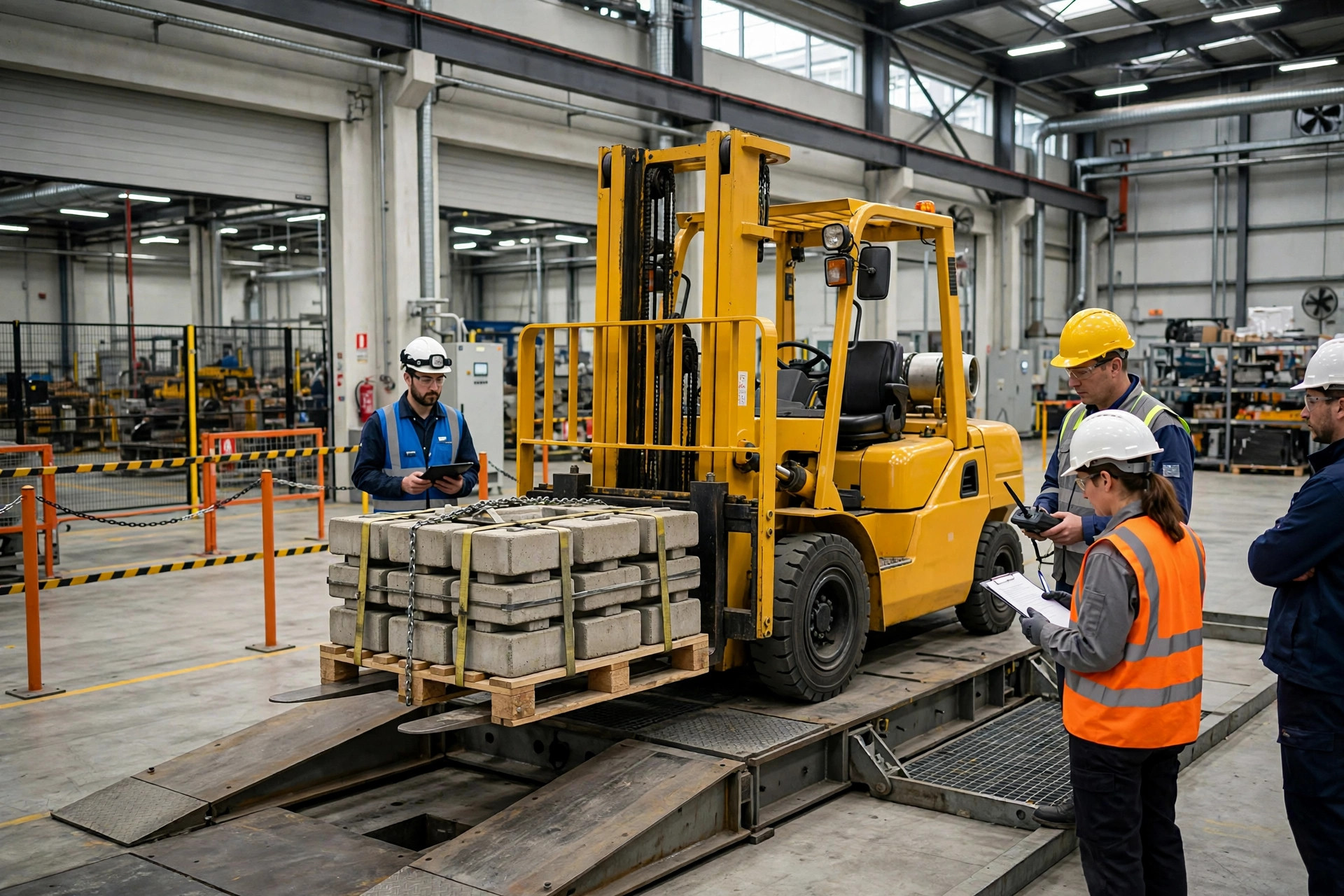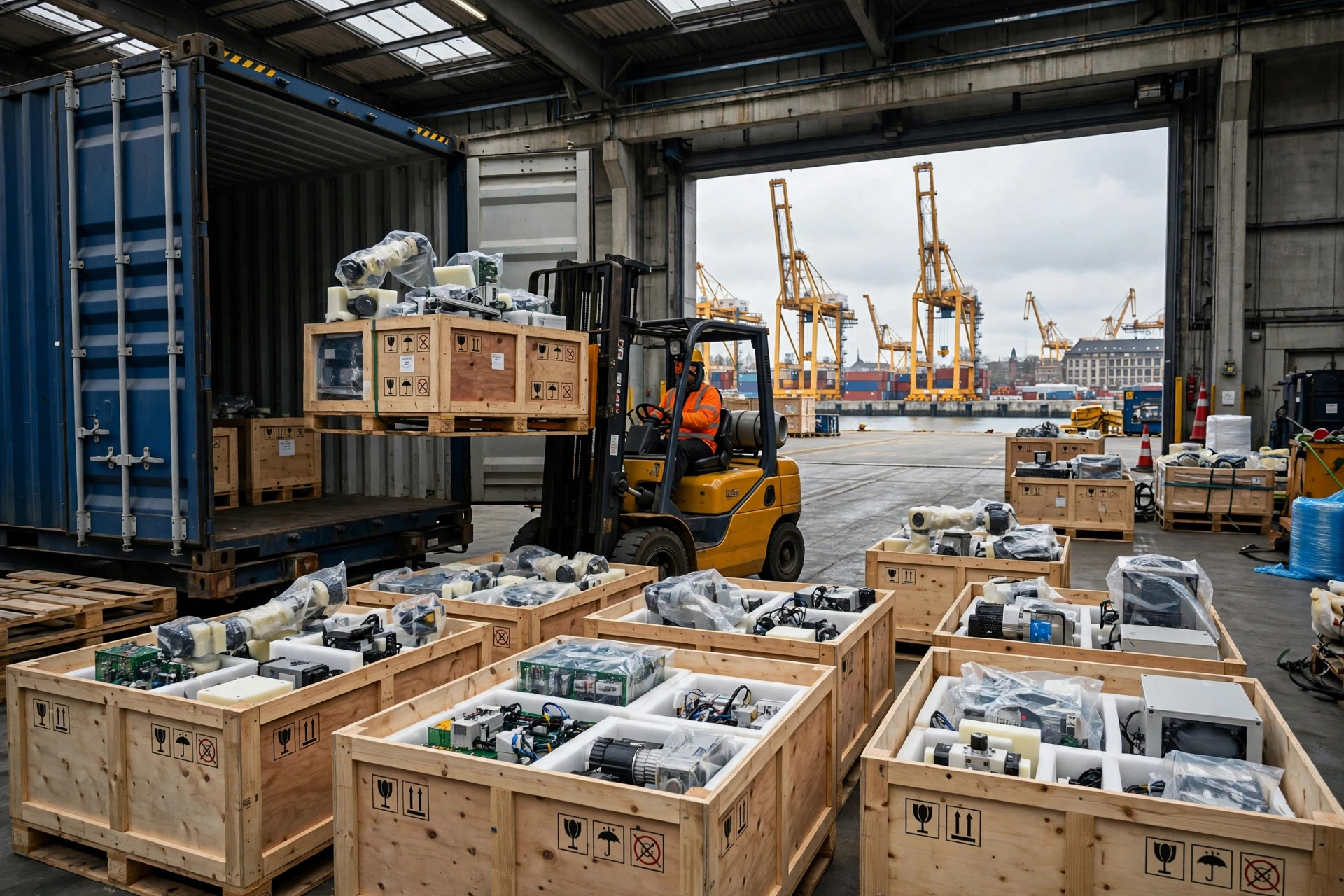
My verdict up front: selling automation equipment into Europe, CE marking is just the ticket to get in. What actually gets your shipment stuck at the port is not having someone inside the EU who can sign papers and pick up the phone on your behalf — the Authorized Representative. Sort out your AR and your technical file before you book the container, not after. The demurrage you'll burn otherwise would pay for three years of AR service.
I've spent twenty years in U.S. supply chain work, so Europe's system isn't my home turf. But over the last few years I've walked several Chinese equipment makers through the full journey, and the potholes are always in the same places.
The Rotterdam lesson: goods at the port, paperwork back in Shenzhen
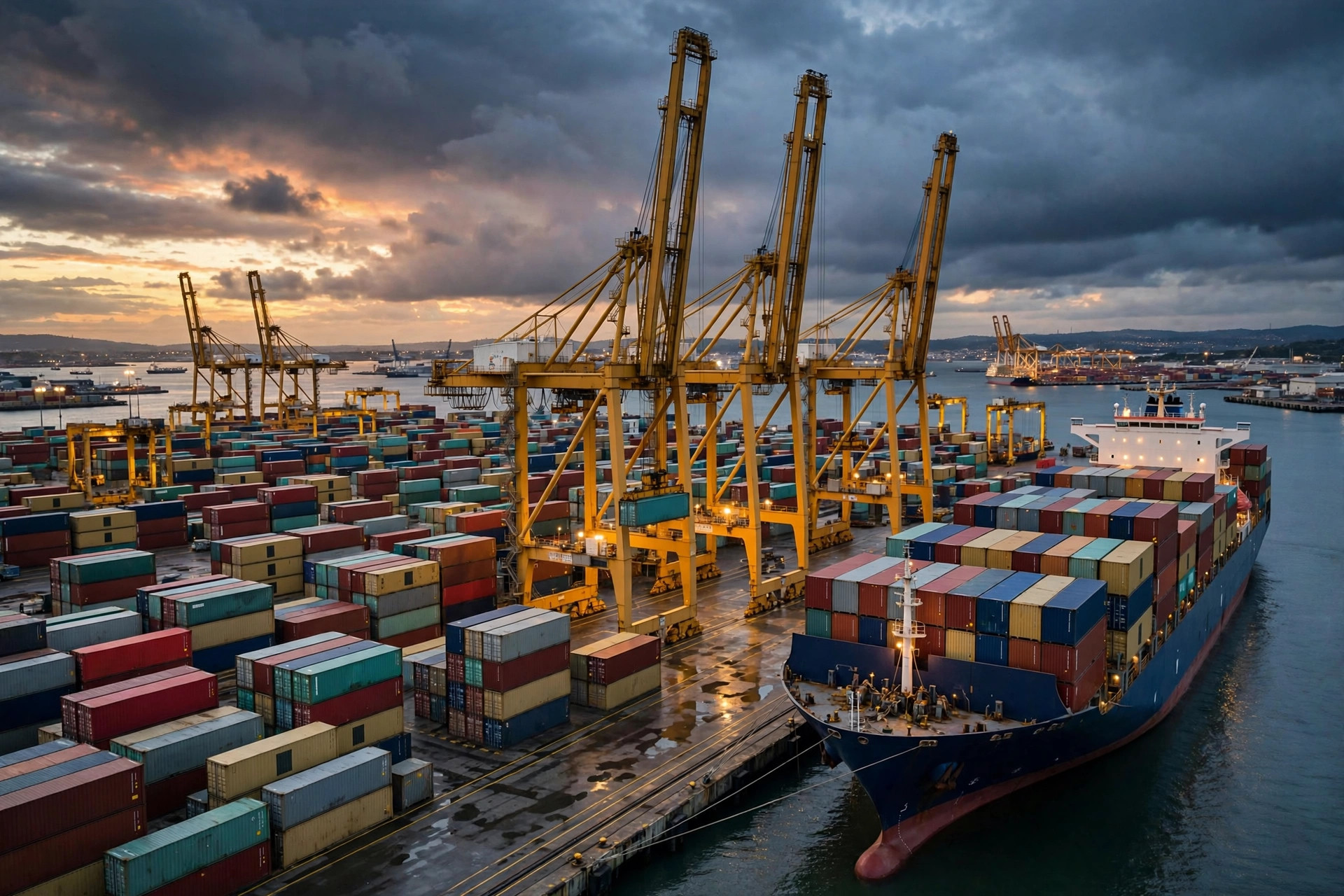
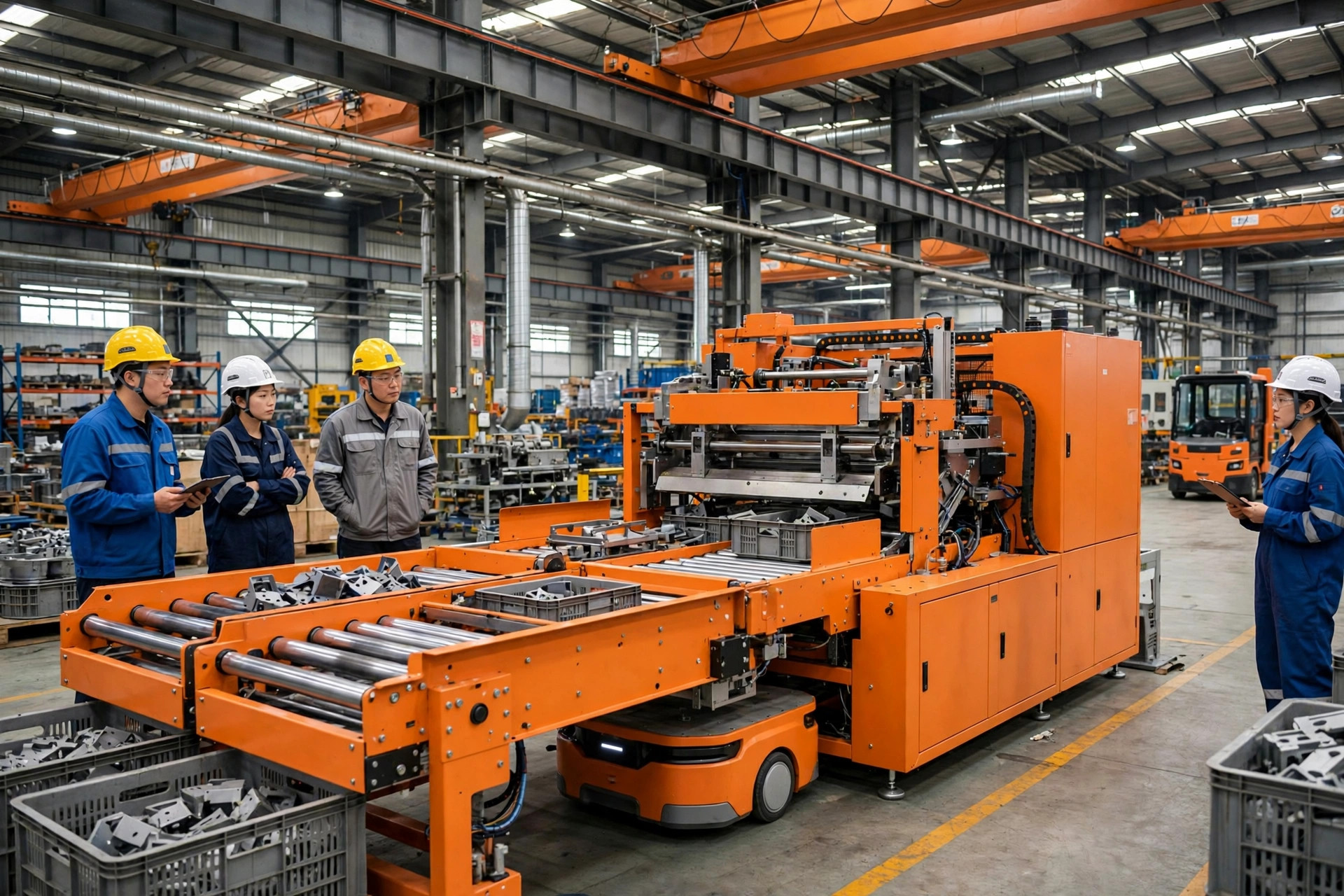
Last fall, a Shenzhen friend who builds sorting machines — name withheld — shipped three containers to Rotterdam for a German 3PL customer. CE was done through a domestic testing house: certificate, test reports, the whole package. He figured he was done and moved on while the vessel was still at sea.
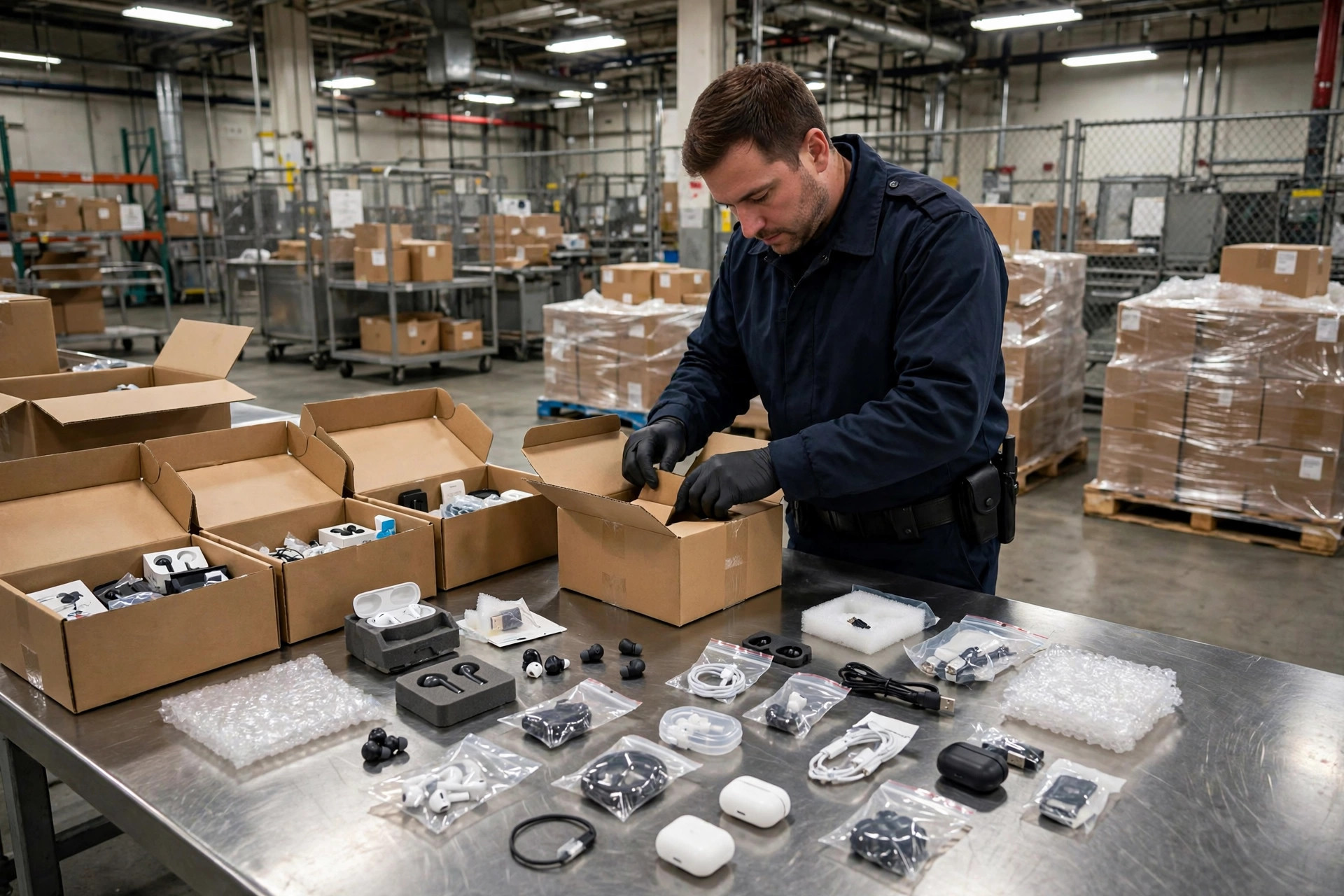
Then customs and market surveillance pulled the shipment for inspection and asked for two things: the details of the economic operator inside the EU, and the complete technical file. His AR had been found online after the ship sailed, and the mandate still wasn't signed. The technical file existed only in Chinese, with no German manual at all. The containers sat for over twenty days, storage charges burning daily, and his customer's project went live late — with penalties attached.
Put bluntly: he spent good money on that CE certificate and lost the whole game over a mandate letter and a few German documents. Two lessons: appoint the AR before shipment, and have the technical file ready before shipment. Both can only be done ahead of time — once the goods are at the port, the clock is never on your side.
AR vs. importer: who actually carries what
Let me explain what an AR is. The EU Market Surveillance Regulation (EU) 2019/1020, in force since 16 July 2021, says in Article 4 that products covered by EU harmonisation legislation — machinery included — can only be placed on the EU market if an economic operator established in the EU takes on the compliance tasks.
That "economic operator" is a cascade: if the manufacturer is established in the EU, it handles compliance itself. If not, the importer steps in. If there is no importer at all — say you sell directly to EU end customers — you must designate an Authorized Representative established in the EU, or use a fulfilment service provider. The AR must be a natural or legal person established in the EU, with a written mandate spelling out exactly what it's authorised to do.
People mix up the AR and the importer all the time. Here's the split, plain and simple:
| Task | Importer | Authorized Representative |
|---|---|---|
| Conformity assessment | Verifies the manufacturer has done it | Cannot do it for the manufacturer; the mandate doesn't cover drawing up the technical file |
| Technical documentation | Makes sure it exists and can be produced | Keeps the declaration of conformity, produces the technical file for the authorities |
| Product marking | Checks the CE mark, nameplate, batch/serial | Its name and address must appear on the product, the packaging, or an accompanying document |
| Risk response | Cooperates with recalls and withdrawals | Cooperates with corrective actions when the authorities ask |
| In essence | Someone who buys your goods and resells them | Your agent — not your scapegoat |
That last row is the one that matters. The AR is your agent, not your scapegoat. The scope of the mandate is set by law, and it does not include drawing up the technical file or performing the conformity assessment. If something goes wrong, liability stays with the manufacturer. Hiring the cheapest AR you can find just to have a name on paper is like hiring a receptionist who only answers the phone — when real trouble shows up, they can't take the hit for you.
Before you sign a mandate, check three things. First, is there a proper written mandate template, with the authorised scope spelled out article by article? Verbal promises don't count. Second, does the AR actually understand the Machinery Directive — the kind who can tell you what's missing from your technical file? An AR who only forwards documents will be exposed the moment an inspector asks a follow-up question. Third, pin down the response time: when the authority demands the file, can the AR produce it within 24 hours? If any of these three gets a vague answer, find another provider. This is not where you save money — whatever you save here comes back as demurrage later.
The technical file: the checklist and three classic failures
What goes into the technical documentation? For machinery, the standard package: product description, design drawings, risk assessment, calculations, the list of harmonised standards applied, test reports, instructions in the official language of each country where you sell, and a copy of the EU declaration of conformity. Under the current Machinery Directive, keep it for at least ten years.
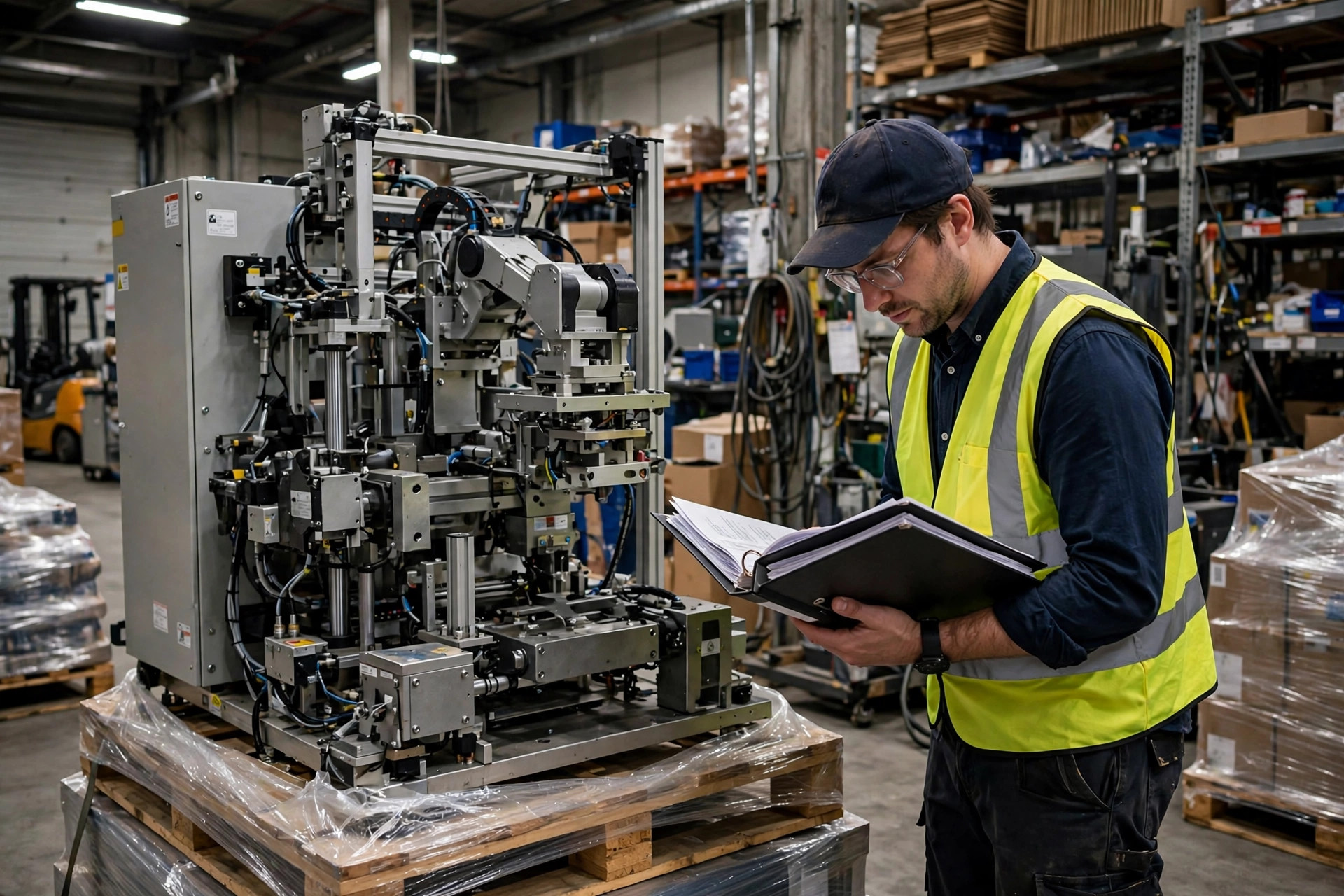
The checklist is the easy part. The hard part is the three ways companies blow it:
First, the file exists only in Chinese. Instructions must be in the official language of the member state where the machine is sold — that's a hard requirement. Plenty of manufacturers have a beautiful English manual and no German one at all. When the German authority asks for the German instructions and you can't produce them, your file is incomplete, full stop.
Second, the risk assessment is a copy-paste template. The risk assessment is the soul of the technical file. The inspectors read these every day; they can tell at a glance whether it was written for your machine or lifted from the internet. A templated risk assessment is worse than none at all — it proves you never did the work.
Third, the file sits on an engineer's laptop back in Shenzhen. The law doesn't ask whether the file exists somewhere in the world. It asks whether your AR can produce it when the authority comes knocking. A file in Shenzhen and an AR in Brussels, with a time zone in between, is the same as no file. Do it right: the day the mandate is signed, a copy of the file goes to the AR for safekeeping.
Three routes in: pick your trade-off before you ship
Chinese equipment makers entering Europe have three compliance routes. Here's the cost and payoff of each — you pick:
| Route | Upfront investment | Ongoing cost | Control | Fits who |
|---|---|---|---|---|
| Your own EU entity (subsidiary/branch) | High | High | Strongest | High annual volume, Europe as a long-term market |
| Distributor acts as importer | Low | Margin or payment-term concessions | Weak | Just testing the water through a channel |
| Third-party AR service | Low | Annual fee, priced per product line | Medium | Selling direct to end users, project-based shipments |
(Fee levels vary a lot by provider and product line — get real quotes.)
Bluntly: no route is right or wrong — the only question is whether it matches your stage. Two or three projects a year to test Europe? Setting up your own entity is burning money. But if you're moving dozens of containers a year and your entire EU legal presence depends on a distributor acting as importer, you've handed your lifeline to someone else. The day that distributor walks away, you have no legal standing in Europe at all.
And the counter-intuitive one people don't like hearing: for most machinery, CE is self-declaration. A CE certificate does not equal compliance. The certificate is for your customer; the technical file is for the regulator. I've seen shipments with full CE certificates get held; I've never seen one with a complete technical file and a proper AR held for long. Spend where it counts — the file and the AR.
Mind the calendar: the new EU Machinery Regulation (EU) 2023/1230 applies in full from 20 January 2027, replacing Directive 2006/42/EC. It explicitly allows digital instructions and digital declarations — genuinely good news for exporters. But don't wait until late 2026 to start; build the technical file foundation now. Regulatory transitions only make documentation requirements stricter, never looser.
Exporting equipment to Europe, compliance money is spent either early or late — the only difference is who holds the leverage. Every dollar spent now buys certainty; every dollar spent after the goods land buys a lesson. Two questions: is your AR appointed? Could your technical file be on a regulator's desk within an hour? If not, don't book the container.
By Lao Mi, Supply Chain Veteran (20 yrs)