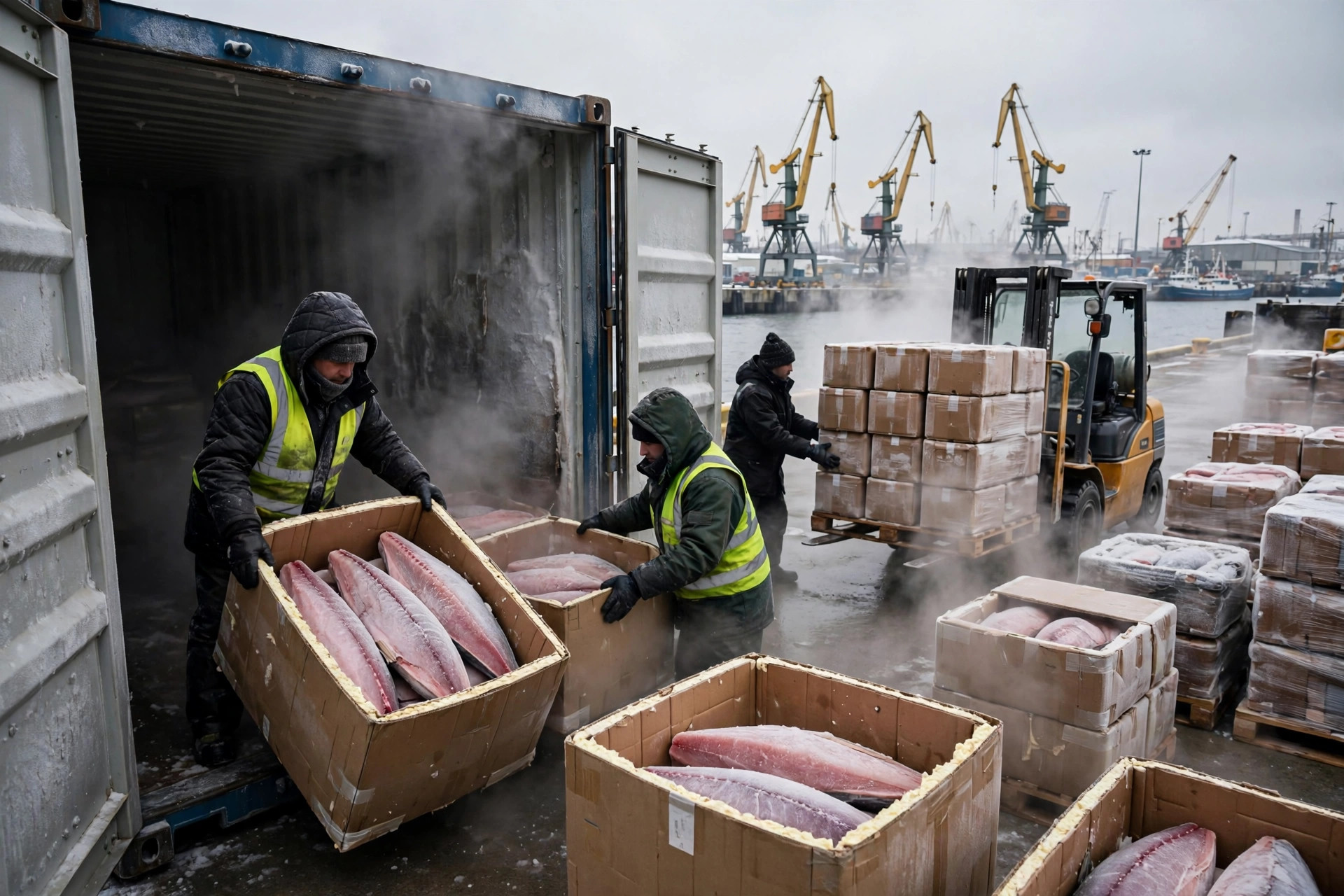
In the ecuador tuna export cold chain, the thing I fear most after fifteen years hauling cold freight is a break somewhere nobody was watching. The fish is good, the boat came in on time, and then one handoff goes wrong, the temperature drifts, and by the time the container reaches its destination port the cargo has changed character. Buyers do not negotiate on feelings. They look at the temperature logger's curve, and once that curve has a bump in it, no amount of explaining will save the price.
Ecuador is a major tuna-exporting country, and the port of Manta lives on this trade. Boats come in, fish go to processing plants, and leave as canned tuna or frozen product, loaded into reefer containers and shipped across the Pacific to Asian markets. Every handoff adds risk. Canned product is forgiving. Frozen product is not. This article is not a trade report. It is a driver's-eye view of where this chain actually breaks, what a broken container costs, and how to shut the risk down before departure.
Where the Ecuador Tuna Export Cold Chain Breaks Most Often
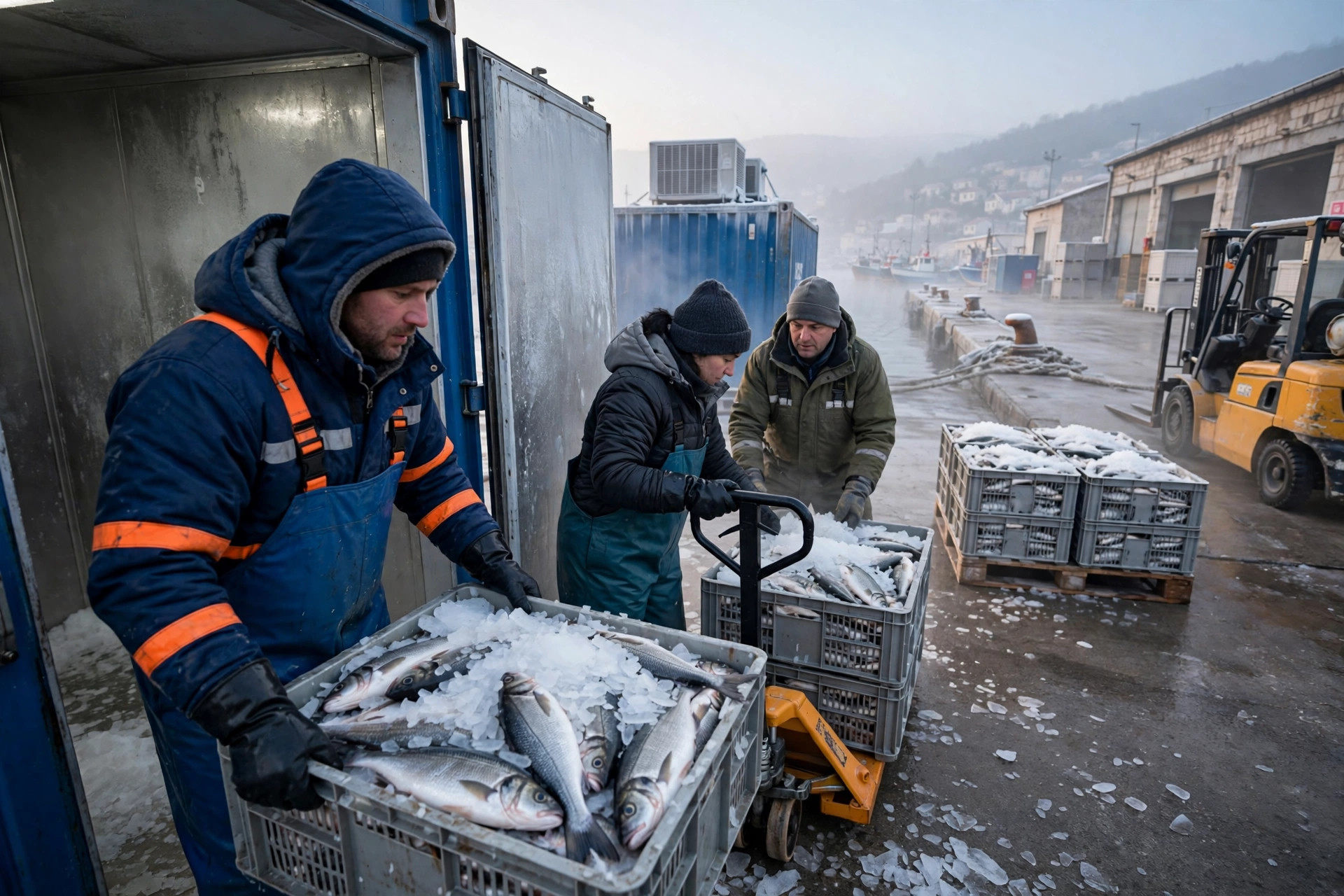
The first break is between landing and cold storage. The dock is at its busiest and messiest right when the fish comes ashore: unloading, weighing, grading, trucking to the plant, several crews working at once. If the reefer truck has not been pre-cooled, fish sitting at ambient temperature for an extra half hour loses quality before it ever reaches a freezer. I once waited outside a plant near Manta while a load sat in the sun for forty minutes because the previous truck had not moved. The driver was in a hurry and so was the plant, but hurry does not un-thaw fish. That plant later made a rule: no unloading until the truck is there, and the truck goes straight into cold storage. Better to make the boat wait than to make the fish wait.
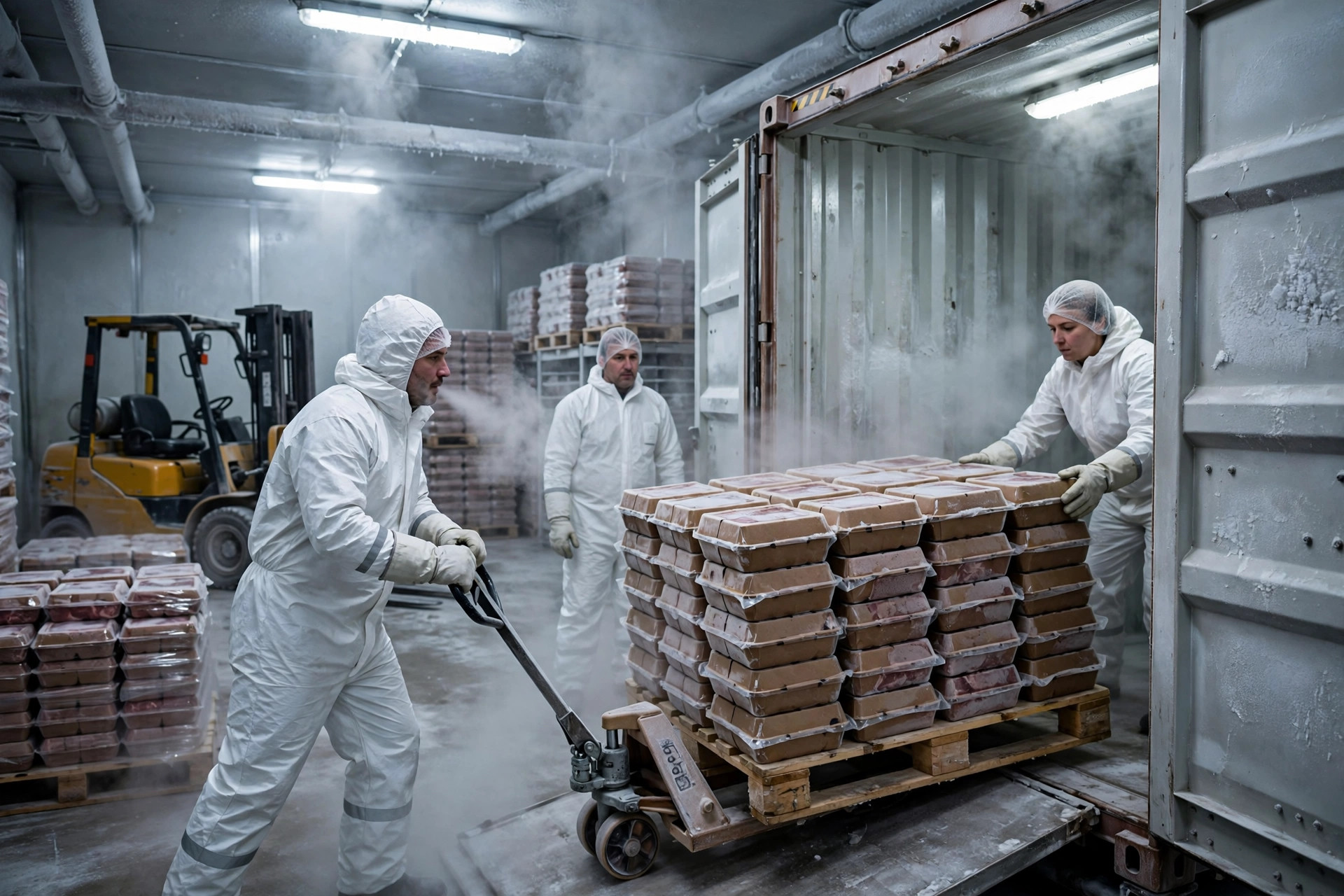
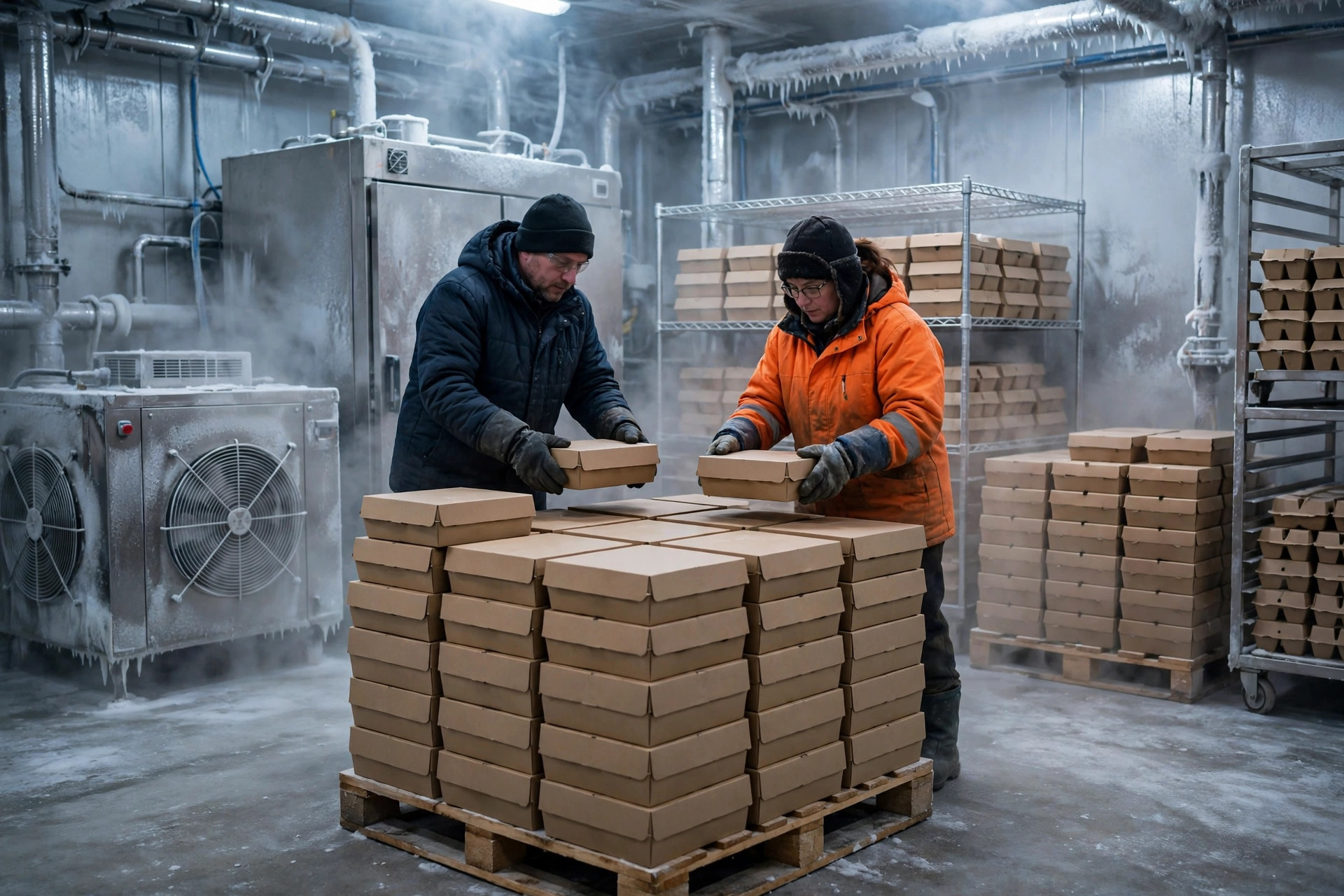
The second break is the handoff from plant cold storage to the reefer container. The container must be pre-cooled to the temperature the buyer specified, and the logger starts recording the moment the doors close. People think a strong reefer unit solves everything. The most common real problem is slow loading: doors wide open, workers stacking cartons one by one, cold air pouring out, and the temperature inside climbs before it comes back down, leaving an ugly slope on the logger. Loading order matters too. Heavy cartons on light ones, mixed batches in one container, and when something goes wrong nobody can say which batch failed first. Someone has to supervise loading, and three things must match before the doors close: temperature, batch, and seal.
The third break is inspection and clearance at the destination port. Customs opens the container, and opening means breaking the cold. The longer inspection drags on, the bigger the risk. Worse, if the paperwork does not match, the container sits in the yard for extra days, and a port yard does not look after your temperature the way a ship does. The shipper is most helpless at this stage, which is why everything that can be done must be done before departure: clean documents, accurate product descriptions, complete temperature records. When inspectors find nothing to question, release comes fast.
| Stage | Most common problem | The driver's fix |
|---|---|---|
| Landing to cold storage | Too long at ambient temperature | No unloading until the truck is there |
| Cold storage to reefer | Slow loading, doors open, cold lost | Pre-cool, supervise loading, match three things before closing |
| Destination port inspection | Open container breaks cold, release delayed | Clean documents before departure, leave nothing to question |
Don't Just Chase Cheap Freight: One Broken Container Costs More Than the Freight You Saved
Haulers count costs differently from trading companies. A trading company looks at the freight rate. I look at whether the whole container arrives safely. Suppose, hypothetically, a container of frozen product carries substantial value: whatever you saved by picking the cheapest freight is trivial next to the loss if the container is rejected or downgraded. Rejection is not just one lost container. There are return or disposal costs, a downstream customer left without stock, and possibly a lost next order.
Here is the counterintuitive judgment: the most expensive thing in cold chain is not the refrigeration equipment. It is the attitude of "close enough." A container pre-cooled a few degrees short, doors open an extra half hour during loading, one logger sticker missing: each looks small, but at claim time the buyer only reads the logger curve. A clean curve and everything is negotiable. A bump on the curve and ten thousand words of "it is actually fine" are worthless. The temperature record is not decoration for customs. It is your only evidence.
There is also a trade-off many people refuse to face: fast and safe sometimes cannot both be had. Loading a container that has not been properly pre-cooled just to catch a sailing looks like saving two days. In reality it bets the whole container on one gamble. My rule is simple: the sailing can wait for the next vessel, but a container whose temperature is not right does not get loaded. Ships sail every week. Spoiled cargo does not get a second container.
Before Loading: Four Documents Every Ecuador Tuna Export Cold Chain Shipment Needs
First, the temperature instruction: what temperature the buyer requires, and what temperature the container was actually pre-cooled to, written down, not agreed by word of mouth. Second, the loading list: batches, quantities, carton counts, matching what actually went in, with mixed loads clearly marked. Third, the logger's serial number and start time: a logger that was never started is the same as no logger at all. Fourth, the seal number: once the seal is on, photograph it, so that at arrival the first check is the seal, and if the seal does not match, every account after it is chaos.
Match those four documents and any problem on the road can be traced: which stage drifted, who signed, who answers for it. In the ecuador tuna export cold chain business, documents are your protection. You cannot control what happens at sea, you can control about half of what happens on the road, and you must fully control what is on paper.
Remember one thing: fish are not afraid of a long voyage. They are afraid of a broken chain. A long road can be walked slowly. A broken chain cannot be repaired. Before your next shipment, do not ask about freight first. Ask this: from the moment the fish came ashore, was there a single minute when nobody was watching this container's temperature?
By Shifu Zhao, Trucking Veteran (15 yrs)