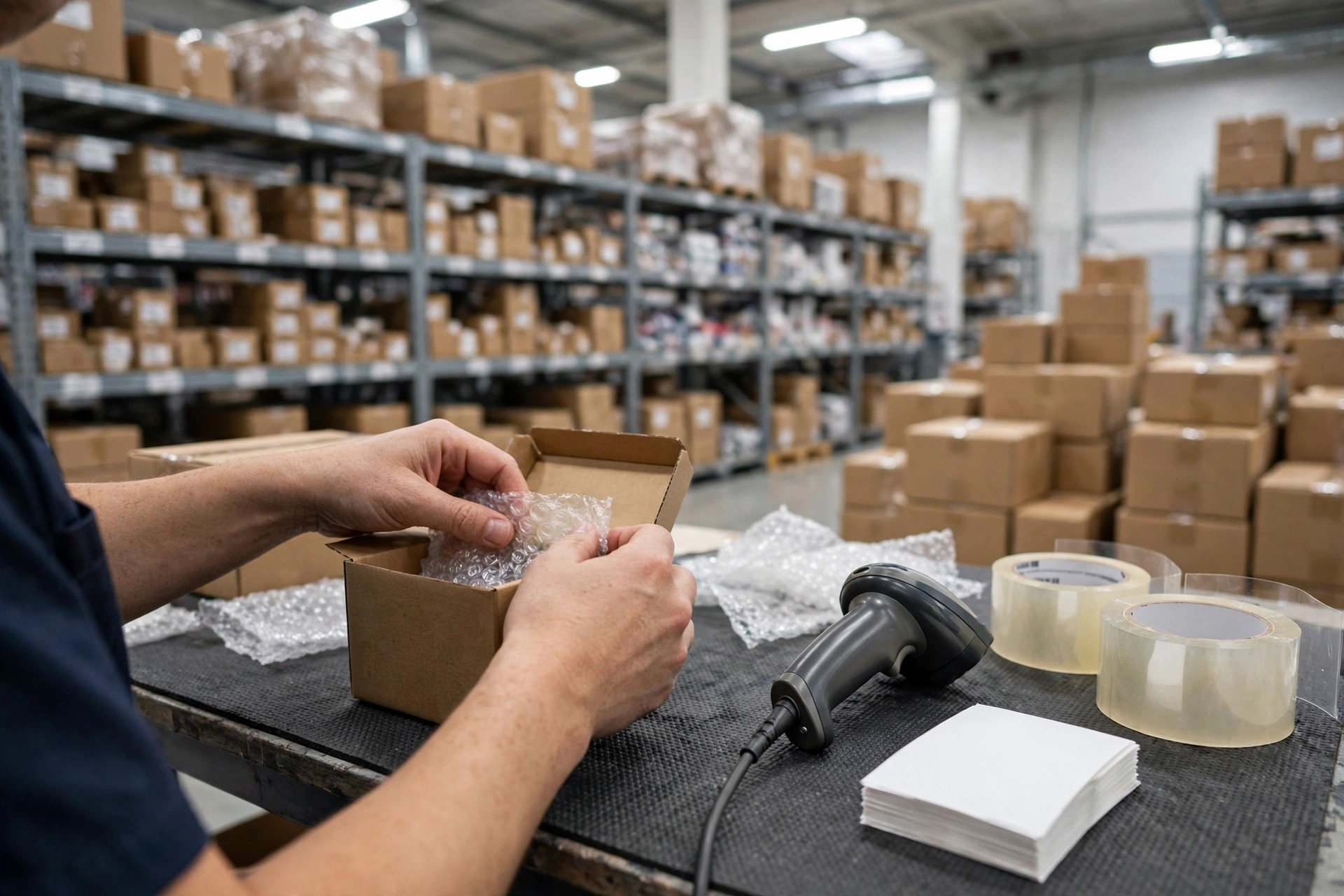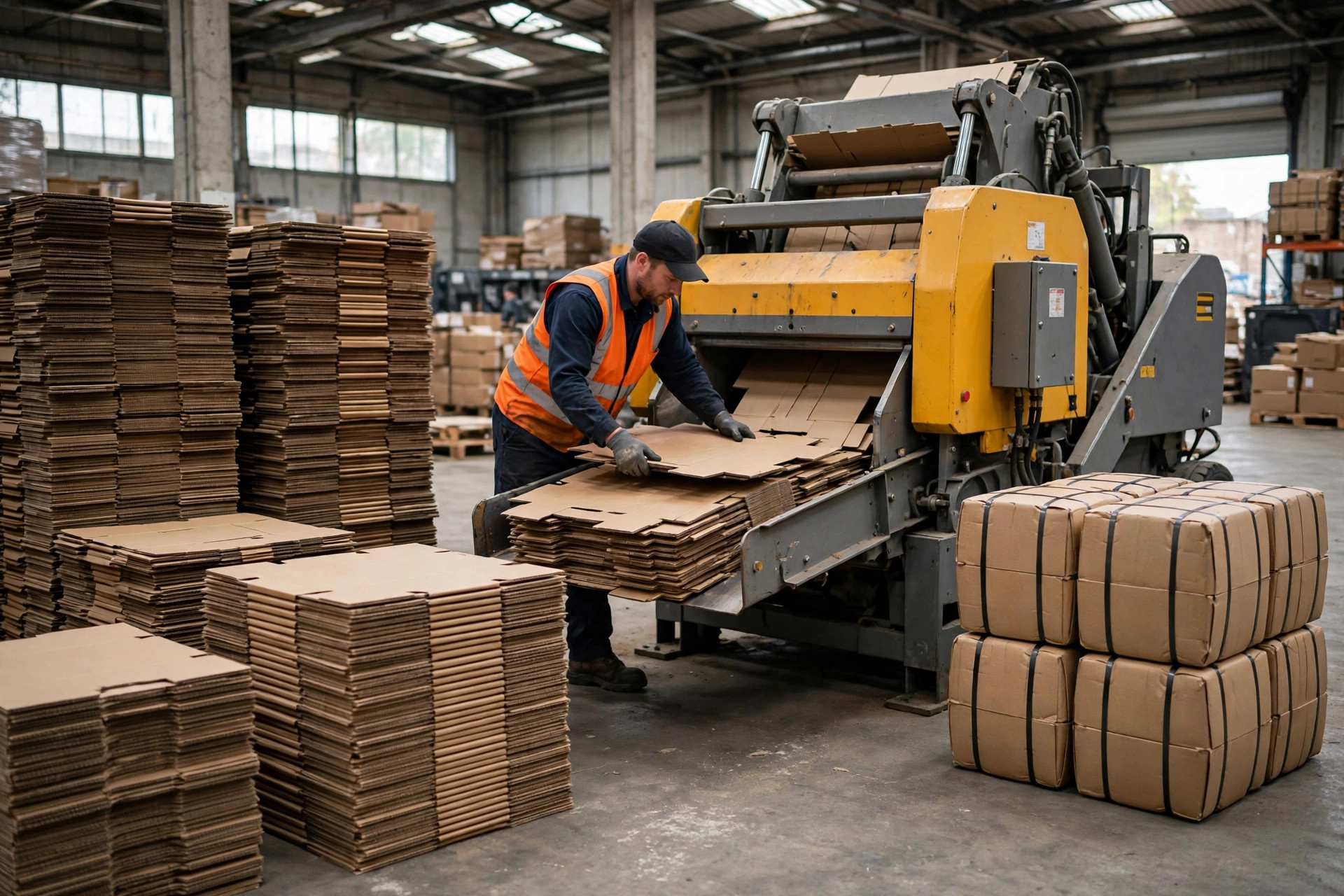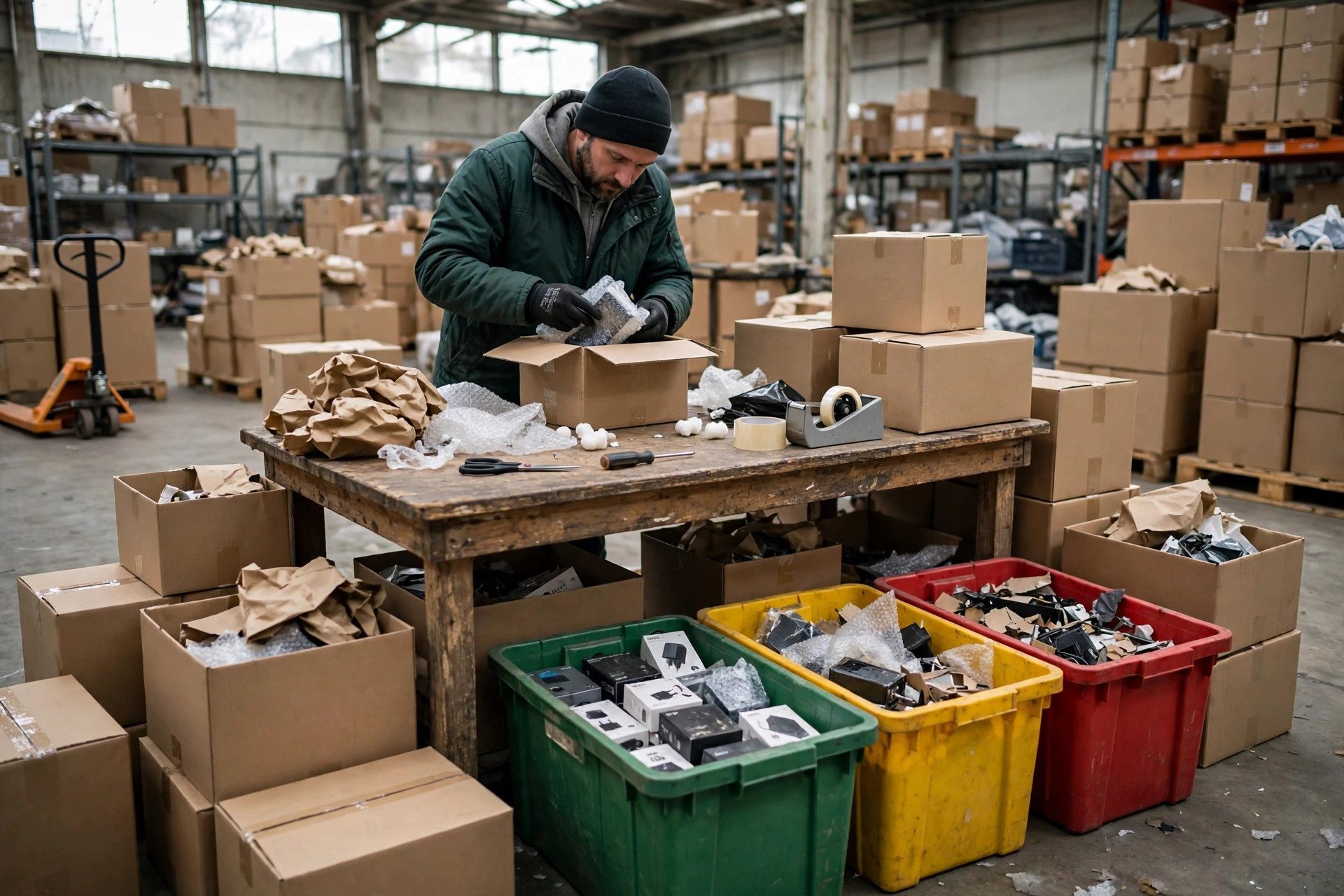
Returns disposition is the job nobody wants to own until the returns pile starts blocking the aisle. I learned that the hard way after Black Friday last year, when returned units sat in my California 3PL for three weeks while I told myself I'd "deal with them soon." On paper they were inventory. In reality they were sunk cost gathering dust and storage fees.
The default move for most sellers is: return comes back, looks fine, relist it. Sounds efficient. It's actually the most expensive shortcut there is. "Not broken" doesn't mean sellable. A torn box, a missing cable, a unit someone used for two weeks and sent back — relist that at full price and you'll earn a second return and a one-star review. Platform rules change every year, so check the platform's current policy for the latest fee and return-window terms instead of running on last year's playbook.
Returns Disposition Starts With Unit Math
My rule now: no unit touches the inspection bench until the math is done. Every return has four possible exits — resell as-is, refurbish then resell, scrap, or donate and clear out. You don't pick by gut feel. You pick by net value per unit.
The math is simple. Resale net equals expected sale price minus platform commission and shipping, minus inspection and refurb labor. Scrap net is zero minus disposal cost. Donation net is the storage and handling cost you stop paying. Whichever number is biggest wins. If you can't do the math, don't relist on instinct.
| Exit path | When it fits | Net value math | My cutoff |
|---|---|---|---|
| Resell as-is | Packaging intact, all accessories present | Price - fees/shipping - inspection labor | First choice when net is highest |
| Refurbish then resell | Works fine, cosmetic wear | Discounted price - refurb cost - inspection labor | Stop if refurb cost tops 30% of price |
| Scrap | Damaged, missing parts, safety unverifiable | Zero - disposal cost | Don't keep it around for pride |
| Donate or clear out | Low value, slow-moving, refurb not worth it | Storage and handling saved | Often beats a forced sale on paper |
That table lives on the wall above the inspection bench. After Black Friday 2024, my California warehouse took back 312 yoga mats. Under the old approach — relist everything — the second-return rate hit 18% within a month, plus six reviews complaining about damaged packaging. After switching to the table: 190 clean units resold as-is, 74 got fresh packaging and sold at a discount, 48 went straight to scrap. The second-return rate on that batch dropped below 4%, and the storage bill shrank. Same batch of goods, completely different outcome, just from deciding per unit instead of by default.
Returns Disposition Grading: One Standard Across Shifts
Grading falls apart the moment it becomes a judgment call. The morning shift calls something Grade B, the night shift calls the same thing Grade C, and suddenly one batch has two prices and the books don't reconcile. I hit this in March 2025 with a Bluetooth earbud line: 86 returns, and two inspectors disagreed on what "light signs of use" meant. The refurbished resale price differed by $8 between shifts, and customer service couldn't match return reasons to the actual units for a week.
Now the four grades are written down with photo examples taped to each station:
- Grade A: sealed or packaging intact, all accessories present — resell as-is.
- Grade B: opened but fully functional, minor packaging damage — repackage and sell at a discount.
- Grade C: functional with visible wear — refurb evaluation before any decision.
- Grade D: damaged, missing key parts, safety unverifiable — scrap or compliant disposal.
Three sample photos per grade. The inspector doesn't have to think, just match the photo. Turnaround is written down too: every return must be inspected and graded within 48 hours of arriving at the warehouse, and anything overdue gets flagged red in the system. Units sitting ungraded burn storage fees by the day and lose value while they wait. Every grading decision gets logged — who graded it, when, photo reference — so when a complaint comes back months later, there's a paper trail.
The Fraud Problem in Returns Disposition
The worst returns aren't the broken ones. They're the swaps and the rentals. In that March 2025 earbud batch, 17 units weren't mine at all — serial numbers didn't match, and the charging cases held an older model. Then there's the "borrow" pattern: buy before a big sale, use it for 20 days, return it inside the window with the box still looking fine. Relist either type through the normal flow and you've just passed someone else's problem to your next buyer.
My defenses are unglamorous, but they work: every high-value unit gets its serial number scanned on intake, and anything with no record in the system gets pulled for manual review. Returns claiming "quality issue" where the unit tests fine go on a watch list, and a buyer showing up twice in a month gets flagged. For platform appeals, check the platform's current policy and keep the full evidence chain — unboxing photos, serial records, inspection timestamps. One missing piece can sink an appeal.
Here's the counterintuitive part: scrapping is sometimes the most profitable move. A $12 item that needs inspection, refurb, and relisting has already eaten its own margin in labor and shipping before it sells again. Trying to rescue it is throwing money into water. Low-value units don't deserve sentimentality — scrap or donate them, and point your labor at the units actually worth saving. Total profit goes up. Plenty of sellers can't bring themselves to throw things away, so the pile grows until storage fees eat the whole margin.
If you want to start tomorrow, here's the short version: tape the grading standard and photo examples to the bench; grade everything within 48 hours of arrival; run the per-unit net math before choosing an exit; scan serial numbers on anything high-value; walk away from refurb when the cost tops 30% of price; log every grading decision. Run that consistently and returns stop being a cost black hole and start being a number you can actually manage. This one I've tested myself, and it works.
By Ah K, E-commerce Seller (5 yrs)