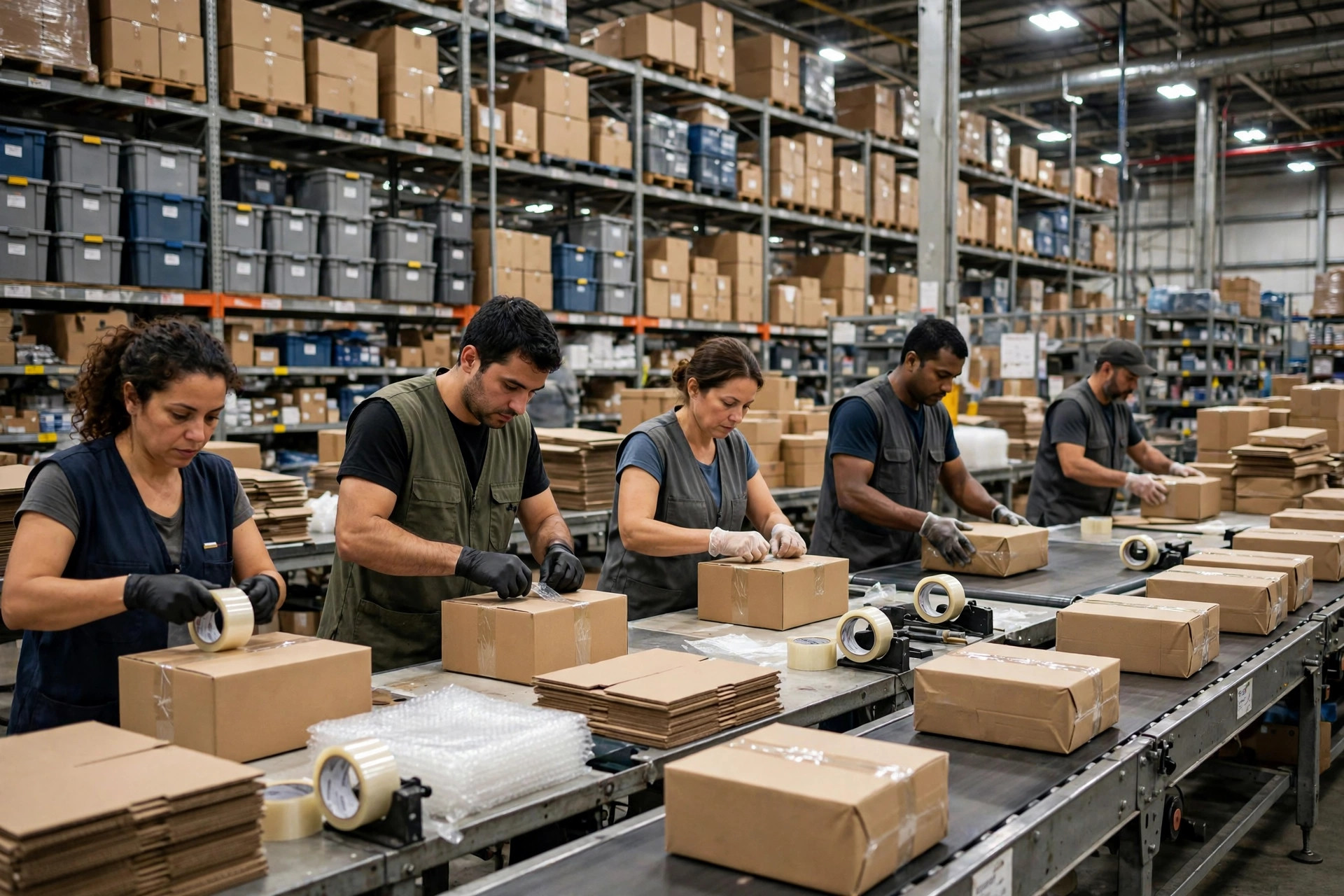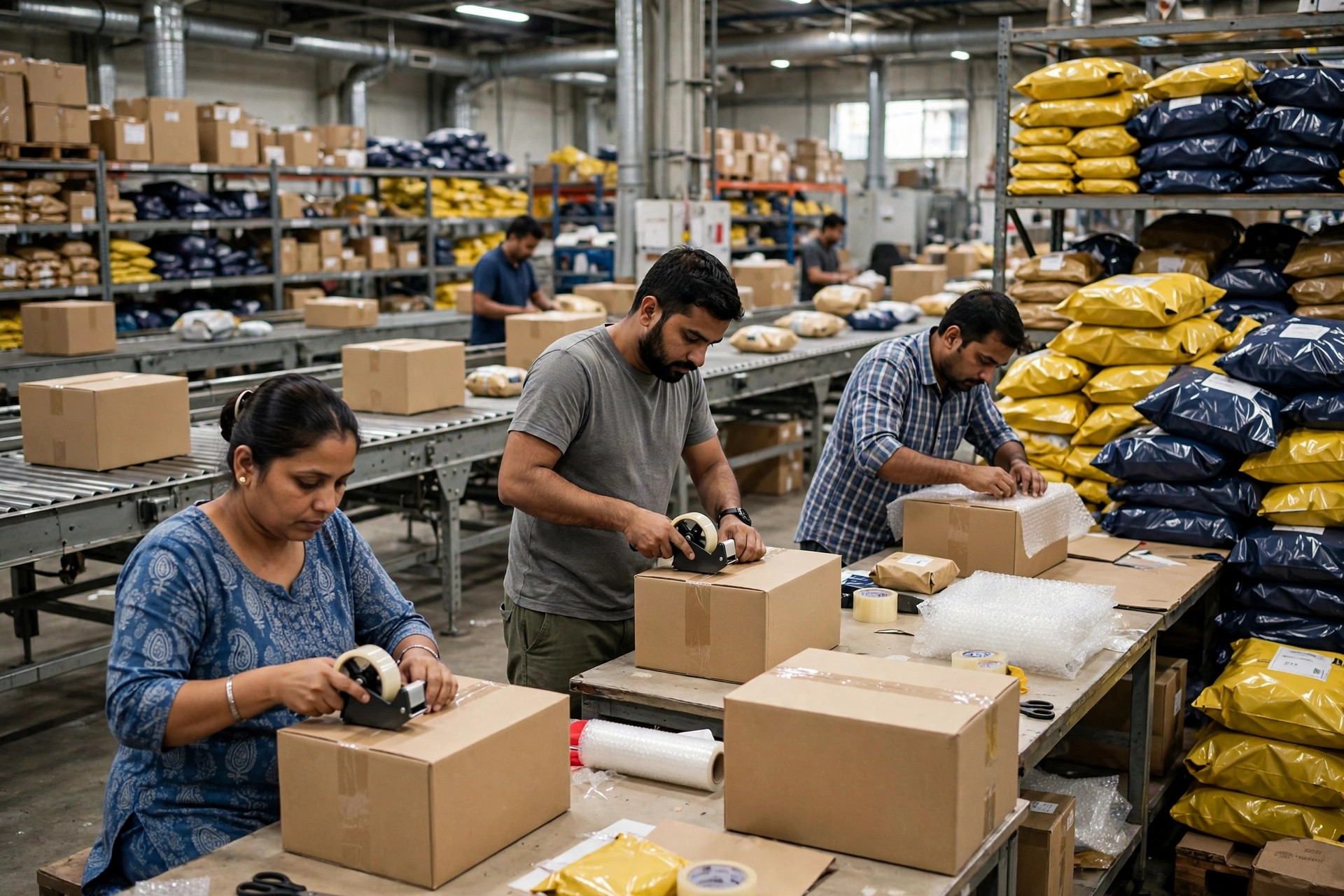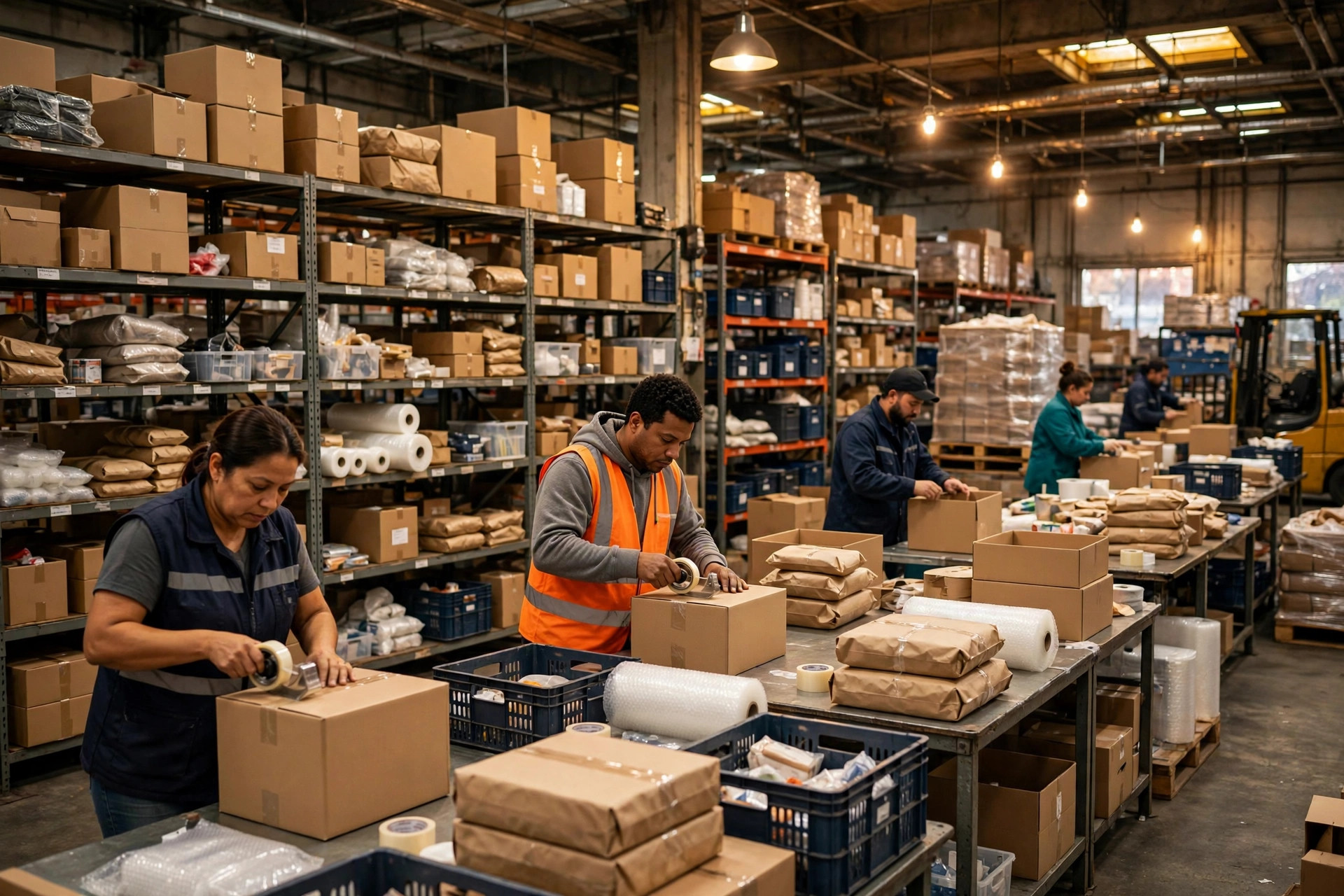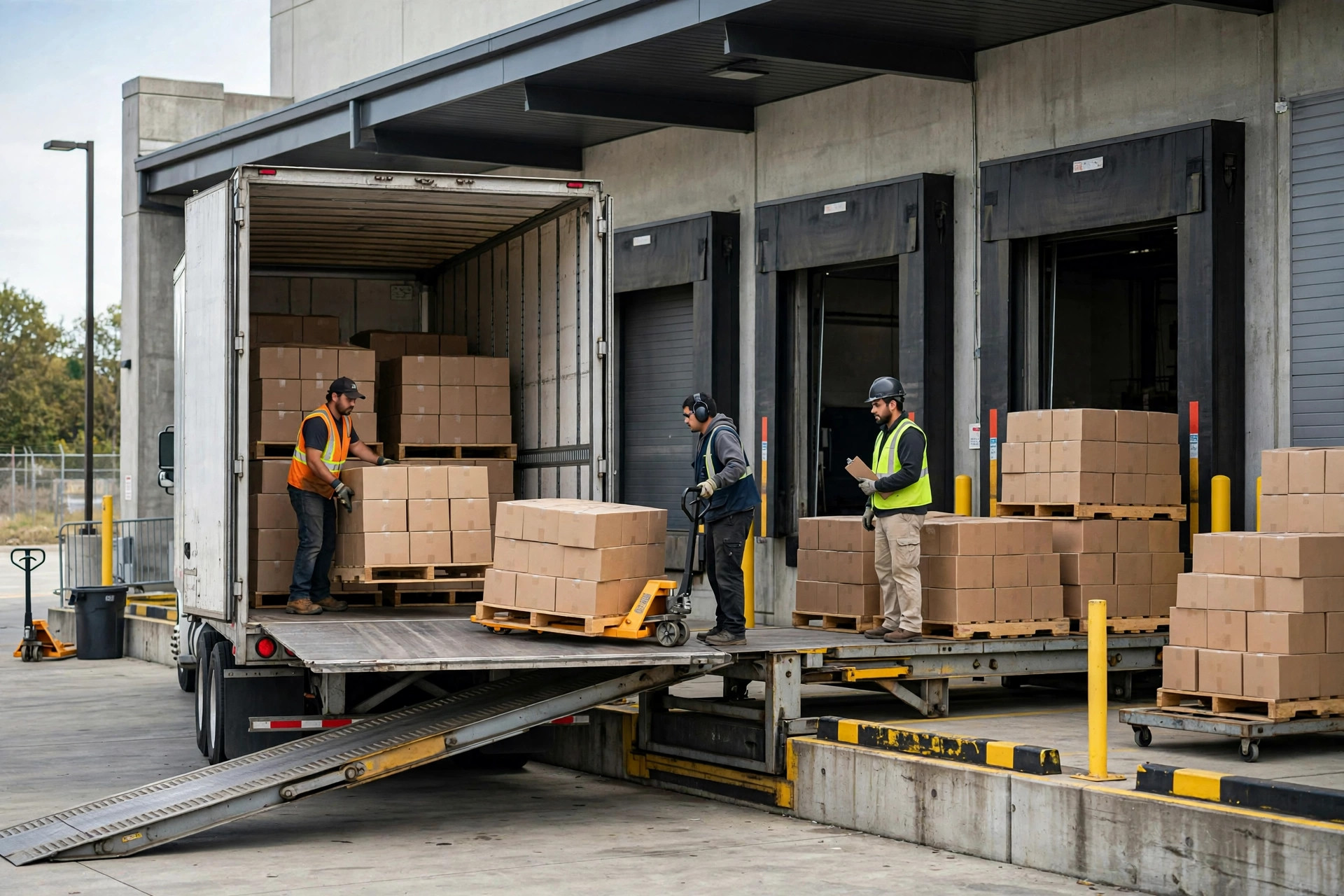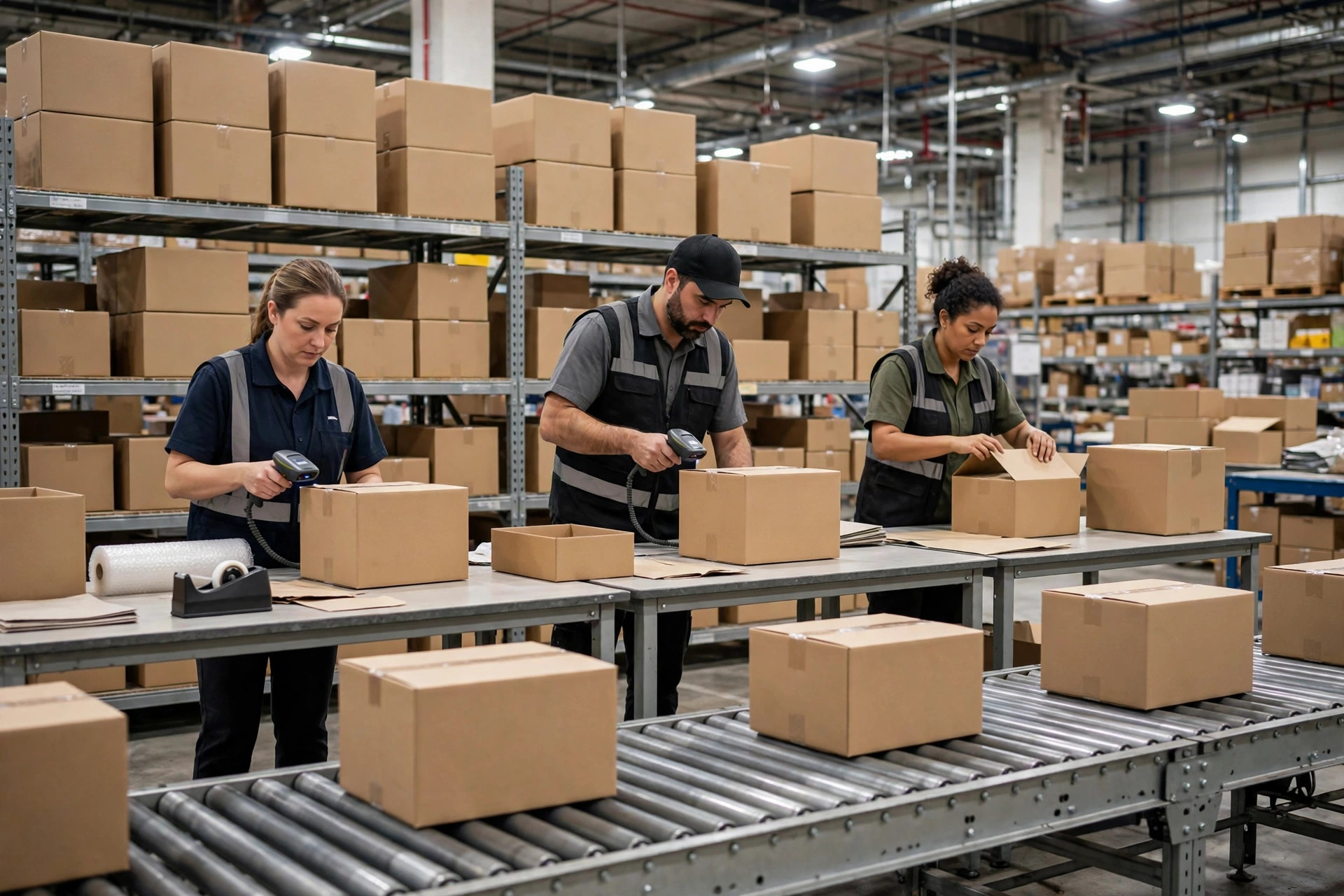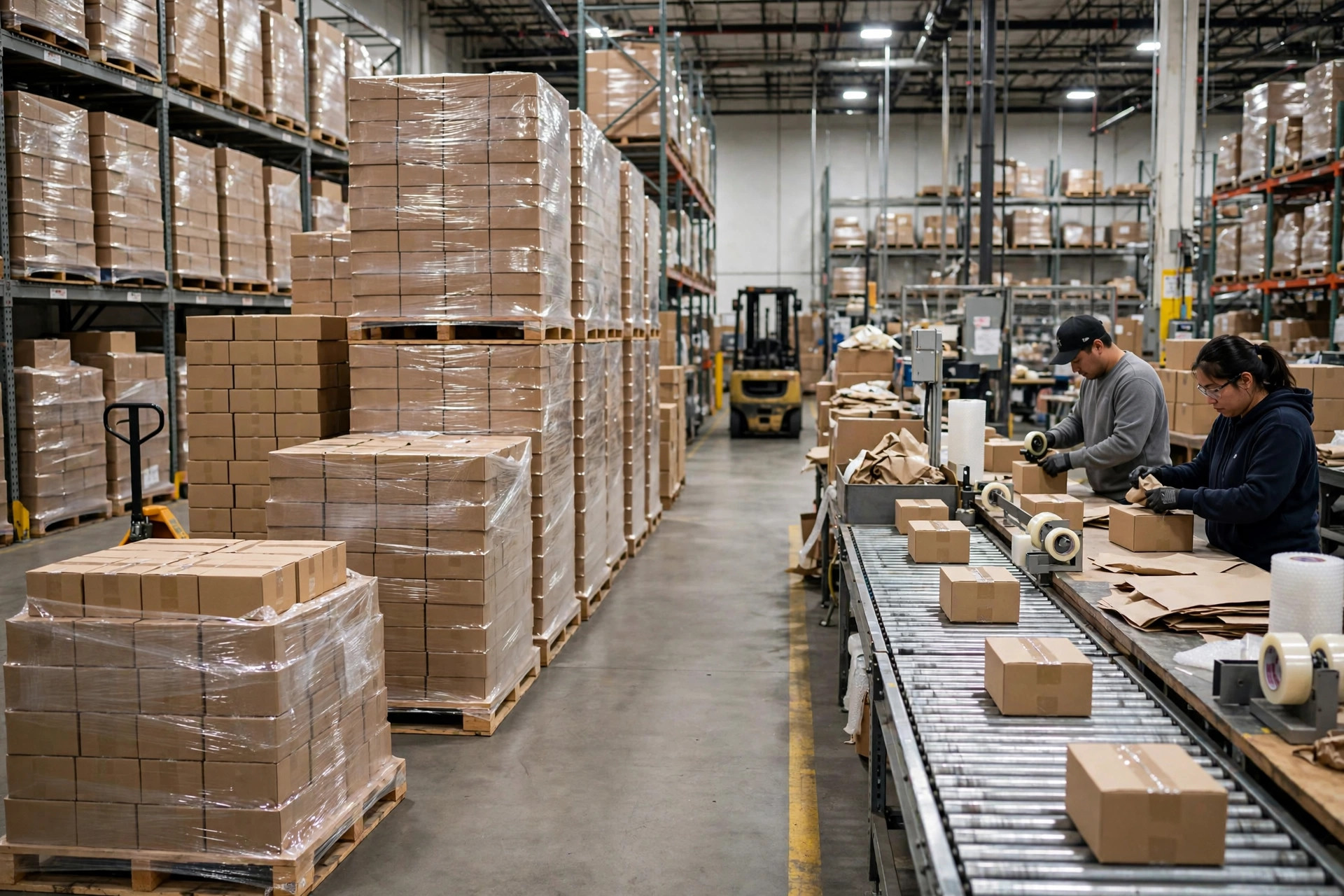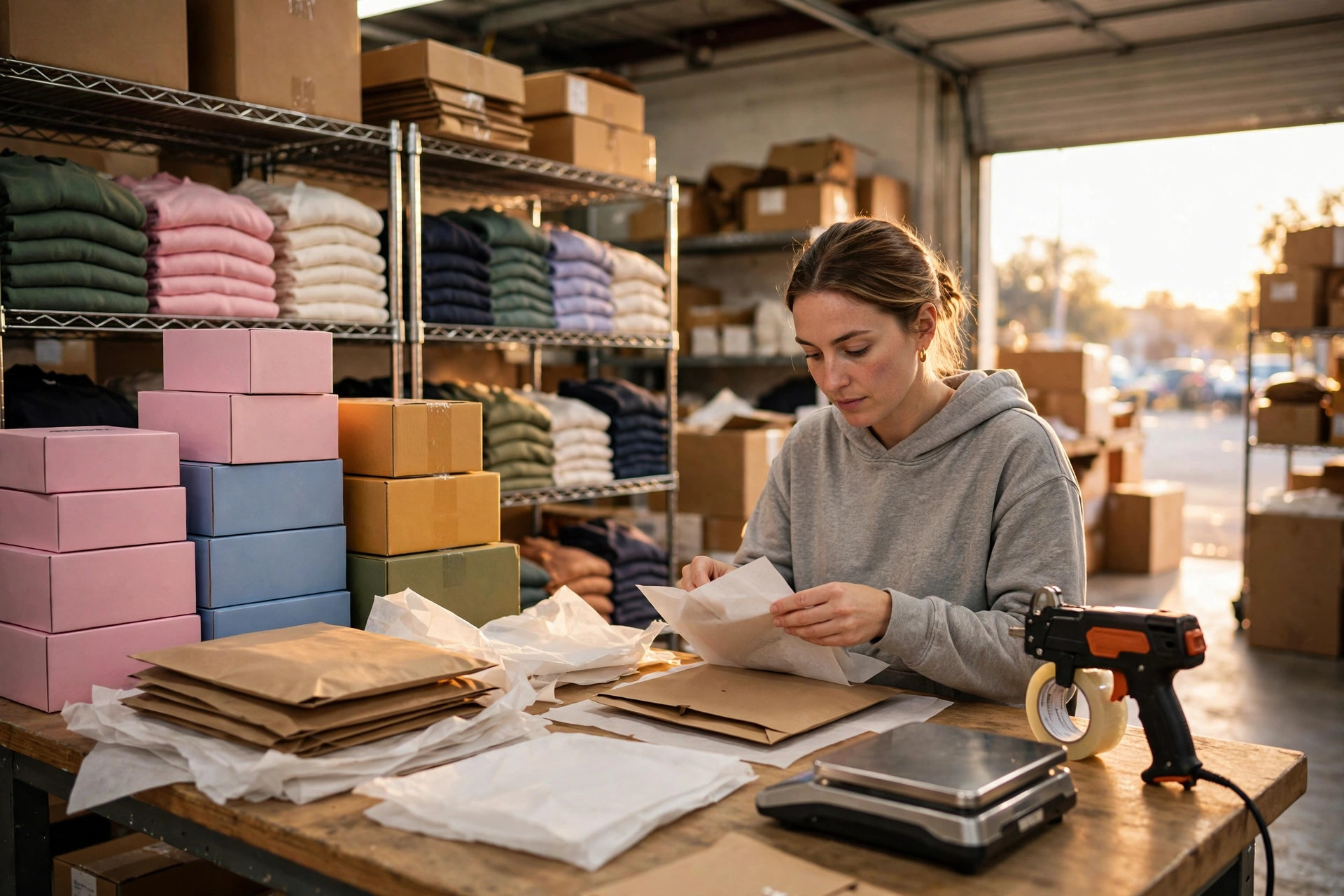
A founder I know in Shenzhen sells home-organization products on Shopify — roughly 6,000 orders a month, all shipped direct from China. Delivery took 12 to 15 days on a good month, over 20 during peak season, and half of his one-star reviews were just people furious about slow shipping. His direct-mail cost per order ran about $6 to $9 (check the carrier's current published rates — these move around). It looked cheap until you factored in the returns, the lost repeat buyers, the ad spend burned on customers who never came back. My verdict was blunt: once a DTC brand passes about 3,000 orders a month, skipping a US warehouse means donating customers to competitors.
The real question isn't whether to use a US warehouse. It's how you assemble the pieces: Shopify store plus a US 3PL or your own small warehouse, how you handle last-mile carrier accounts, how you run reverse logistics, and how far you go with branded packaging. Here's the playbook I've seen work.
The math that actually matters
Forget the pitch that "a US warehouse cuts costs in half." That number usually comes from someone quoting cheap ocean freight and ignoring everything else. Real US fulfillment cost has four parts: inbound freight (ocean or air into the US warehouse), storage (charged monthly per pallet or shelf position), order handling (pick and pack, typically around $1.50 to $2.50 per order in the market, negotiable at volume), and last-mile delivery (UPS, FedEx, or USPS domestic legs).
I ran the numbers for that Shenzhen brand on a $45 storage box. Direct mail: about $7, delivered in 15 days. US warehouse: roughly $1.20 in allocated ocean freight, about $2.00 for storage plus pick-pack, and $6 to the West Coast or $8 to the East Coast for UPS Ground — $9 to $11 total, delivered in 3 to 5 days. Yes, that's $2 to $4 more per order on the shipping line. But delivery time dropped from 15 days to 4, bad reviews got cut in half, and repeat purchase rate climbed nearly 30%. You can't judge this on the shipping row alone. Judge it on what faster delivery does to conversion and repeat orders.
Inbound freight is where beginners blow up first. Everyone wants a full ocean container because the per-unit cost looks great — then the container sits outside the Port of Los Angeles for two weeks, the warehouse runs out of stock, and the ad budget keeps burning. What I do: first batch goes by air, small (200 to 500 units) to test the product. Once it moves, replenish by ocean and hold about 45 days of sales as safety stock. And use a forwarder that actually does US customs clearance and drayage — don't chase the cheapest consolidator to save a few hundred dollars, because rolled cargo during peak season will make you cry.
3PL or your own small warehouse? Let order volume decide.
The answer I give is deliberately mercenary. Under about 5,000 orders a month: find a small 3PL that specializes in DTC. Over 5,000, with fewer than 200 SKUs: it's worth seriously evaluating your own small warehouse.
How to pick the small 3PL? Around Ontario and Chino, California there are plenty of DTC-focused 3PLs, close to the LA ports with cheap West Coast last-mile. I look at three things. First, real Shopify integration experience — orders pulled automatically, tracking numbers pushed back. If they're still doing manual CSV uploads, walk away. Second, whether returns processing is quoted separately — many 3PLs bill returns inspection at an hourly labor rate on top of the base quote, so ask before you sign. Third, visit the warehouse in person. If the racks are full of small-parcel DTC goods, good. If it's mostly auto parts and pallet freight, their pick-pack rhythm is a different sport from yours.
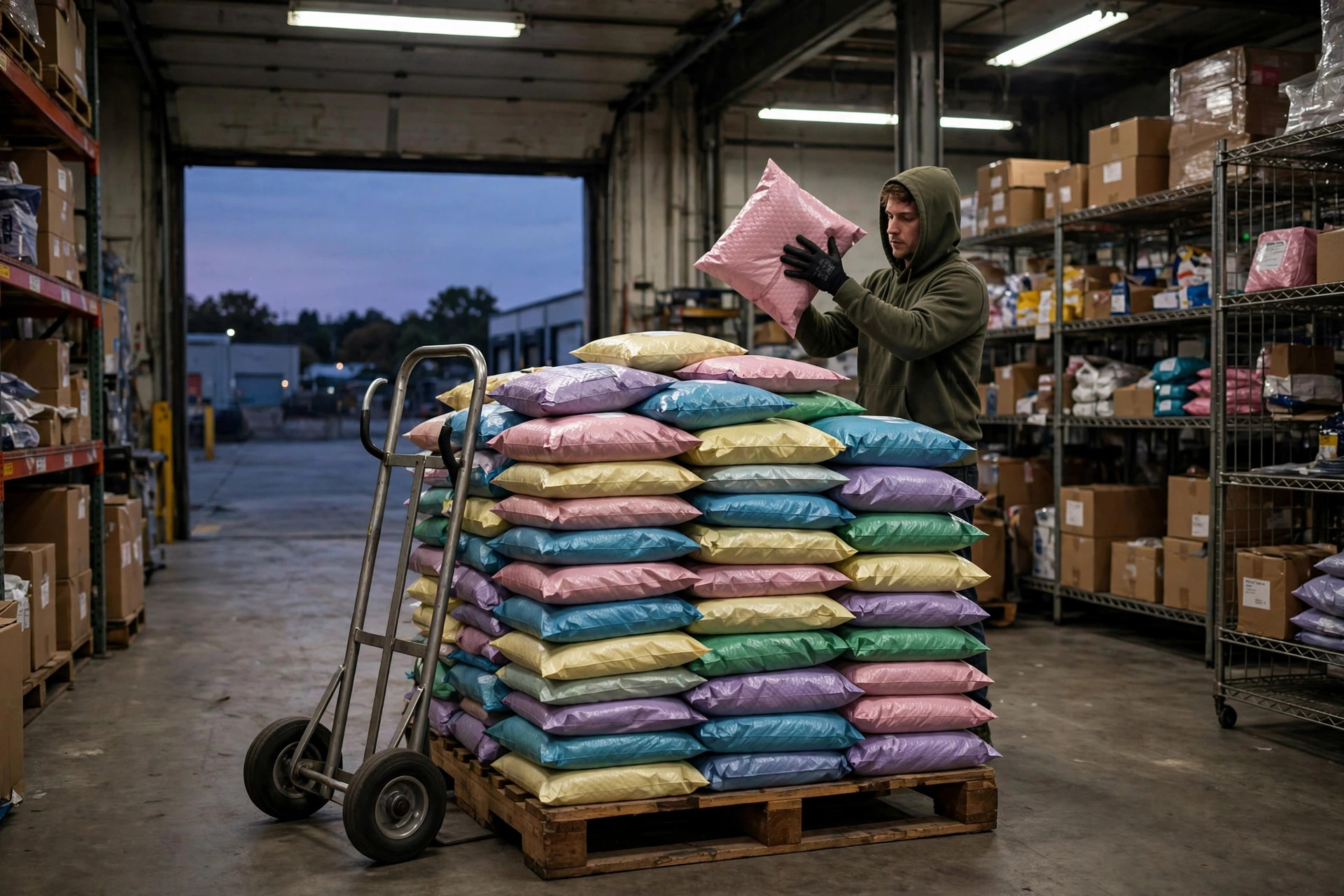
Your own warehouse sounds great until you manage the people. In 2024 I visited a self-run operation in Dallas, Texas — 3,000 square feet, four packers, about 8,000 orders a month. Cost per order ran roughly 20% below a 3PL. But the owner told me he spent half his time on hiring, scheduling, and workers' comp paperwork. DTC volume swings hard — Black Friday can equal a normal week in a single day, and temp labor training is a hidden cost line. My advice: unless you already have a reliable operations partner in the US, run with a 3PL for a year, get your volume model stable, and only then talk about going self-run.
Returns will eat your margin if you let them
Apparel and footwear DTC brands live with 20% to 30% return rates. Home goods run lower, maybe 8% to 15%, but sloppy reverse logistics still eats one or two orders' worth of profit out of every ten sold.
A returns flow that actually works looks like this. Put a self-service returns portal on the site: the customer picks a reason, the system generates a prepaid return label (USPS or UPS return products — check current published rates). When the parcel lands back at the US warehouse, inspection sorts into three grades. Grade A, like-new: straight back to sellable inventory. Grade B, damaged packaging but the product is fine: rebox it and sell it in an open-box clearance section at a discount. Grade C, damaged or can't be cleaned: write it off. The grading standard needs to be a written SOP taped to the inspection bench, not left to each worker's gut feeling.
Return reason codes must flow into your system. If "wrong size" passes 40%, your size chart needs a rebuild. If "doesn't match photos" keeps showing up, your product pages are over-promising. The smartest operator I know — a women's apparel DTC brand — ties return reasons to SKUs and pulls a weekly report. Any style with three straight weeks above a 25% return rate gets delisted. The ad money saved beats the return losses by a mile.
One more detail people miss: refund speed. US customers are extremely sensitive to the "refund in 3 to 5 business days" promise. Drag past a week and you get chargebacks. My hard rule is inspection completed within 48 hours of warehouse receipt, refund issued the same day. A 3PL that can hit that is worth paying a premium for.
Last-mile accounts and the unboxing moment: save where it counts, spend where it shows
Last mile is the biggest slice of US warehouse cost and the easiest to optimize. The classic rookie mistake is using one carrier for everything. The actual play is by zone: USPS Ground Advantage or UPS Ground for the West Coast, and for the East Coast it depends on volume — negotiate a UPS business rate at scale, use USPS when volume is thin. Something many DTC brands don't realize: a 3PL's negotiated last-mile rates are usually 10% to 20% cheaper than the business account you'd open yourself, because they aggregate volume. So negotiate the last-mile discount separately when you sign the 3PL, and get it in the contract.
Unboxing is DTC brand equity, but don't overdo it. A nice box, one thank-you card, one 10%-off repeat-purchase coupon — that's enough. I've seen brands go full custom: ribbons, dried flowers, scented cards. The unboxing videos look great, but packaging cost per order climbs past $3 while repeat rates show no lift over the $1 minimalist version. Spend packaging money on two things: protecting the product, and one card worth photographing. Everything else is vanity.
One thing you can do tomorrow: if you're still shipping direct from China, don't rush into a 3PL contract. Take your 20 best-selling SKUs, air-freight a batch to the US, and trial-run for a month with a small Shopify-integrated 3PL. Compare three numbers against direct mail: delivery time, bad-review rate, and return processing time. When the data lands, you'll know exactly whether the money is worth spending.