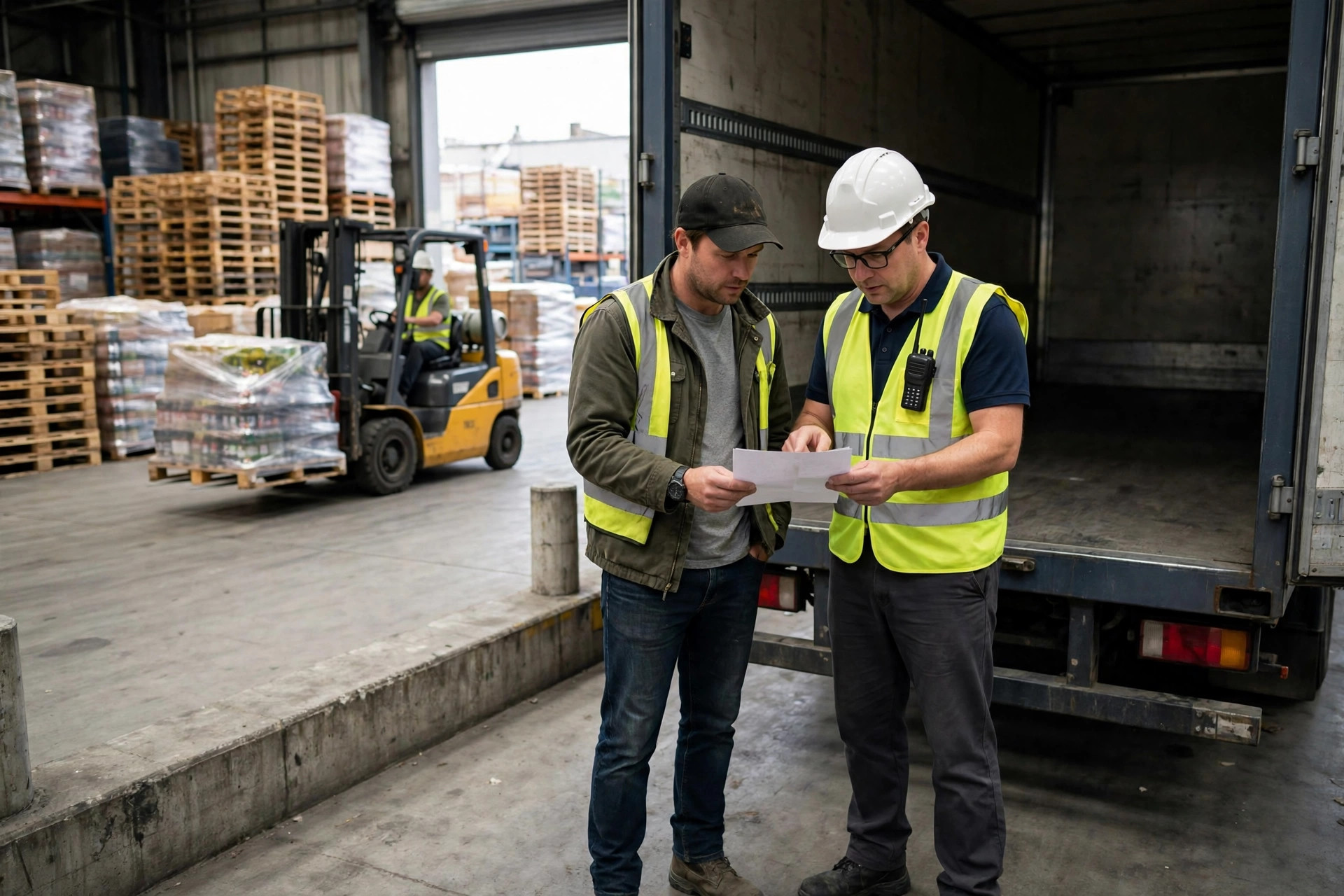
Let me tell you something after all these years on the road: driver unloading coordination is rarely about how heavy the freight is. It is about whether the people meet each other. The truck arrives, the dock sits empty, the warehouse says you were never scheduled, and you say you were booked for today. Nobody is lying, but the truck just sits there. I have watched a truck sit until dark, and I have watched one roll out in under an hour. The difference was never luck. It was whether a few things had been talked through before arrival.
Arrival Coordination Starts With the Appointment Call
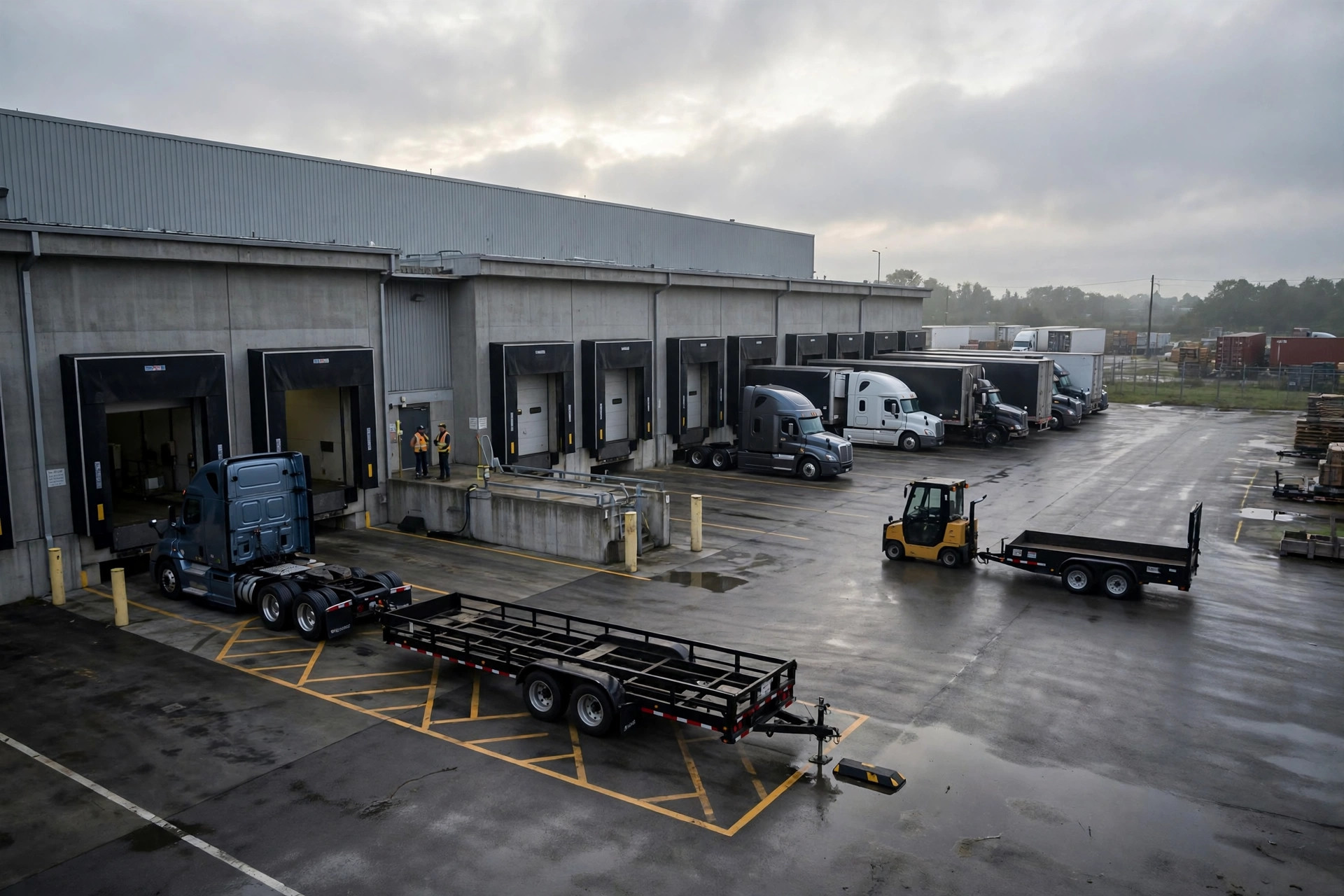
One autumn a few years back, I hauled a load to a warehouse in inland California. I arrived before dawn, signed in at the gate, and was told to wait. By midday, someone came out and said there was no dock slot for my truck that day. I showed him my booking message. He said the message booked the day but not the time, and the docks were full. The load behind that one fell apart, and I drove back empty, then spent the rest of the day explaining the delay to the shipper. Sitting in the cab that evening, I worked out one simple lesson: an appointment that only names a date is no appointment at all.
Since then, I make one phone call after accepting a load, and I ask four plain questions: what time at the dock, who do I check in with, where am I in the unloading queue, and how many trucks are ahead of me. If the person on the phone cannot answer, I ask them to go and find out, and I stay on the line until they do. Whatever we agree on, I follow up with a short written message repeating the time, the contact name, and the dock number. That message has saved me twice. When someone at the gate did not recognize my booking, I showed the message, and they went and sorted it out. The message is not for arguing. It is so everyone remembers what was actually said.
When I cannot reach anyone by phone, I do not just drive over and hope. I message the shipper first, say what time I will arrive and who I could not reach, and let the shipper chase it from their side. A word from the shipper sometimes moves faster than a driver waiting half a day at the gate. The worst move is driving in blind and discovering nobody is expecting you, because by then tempers are already up and nobody talks straight.
Arrival Coordination at the Dock: Order First, Proof Second
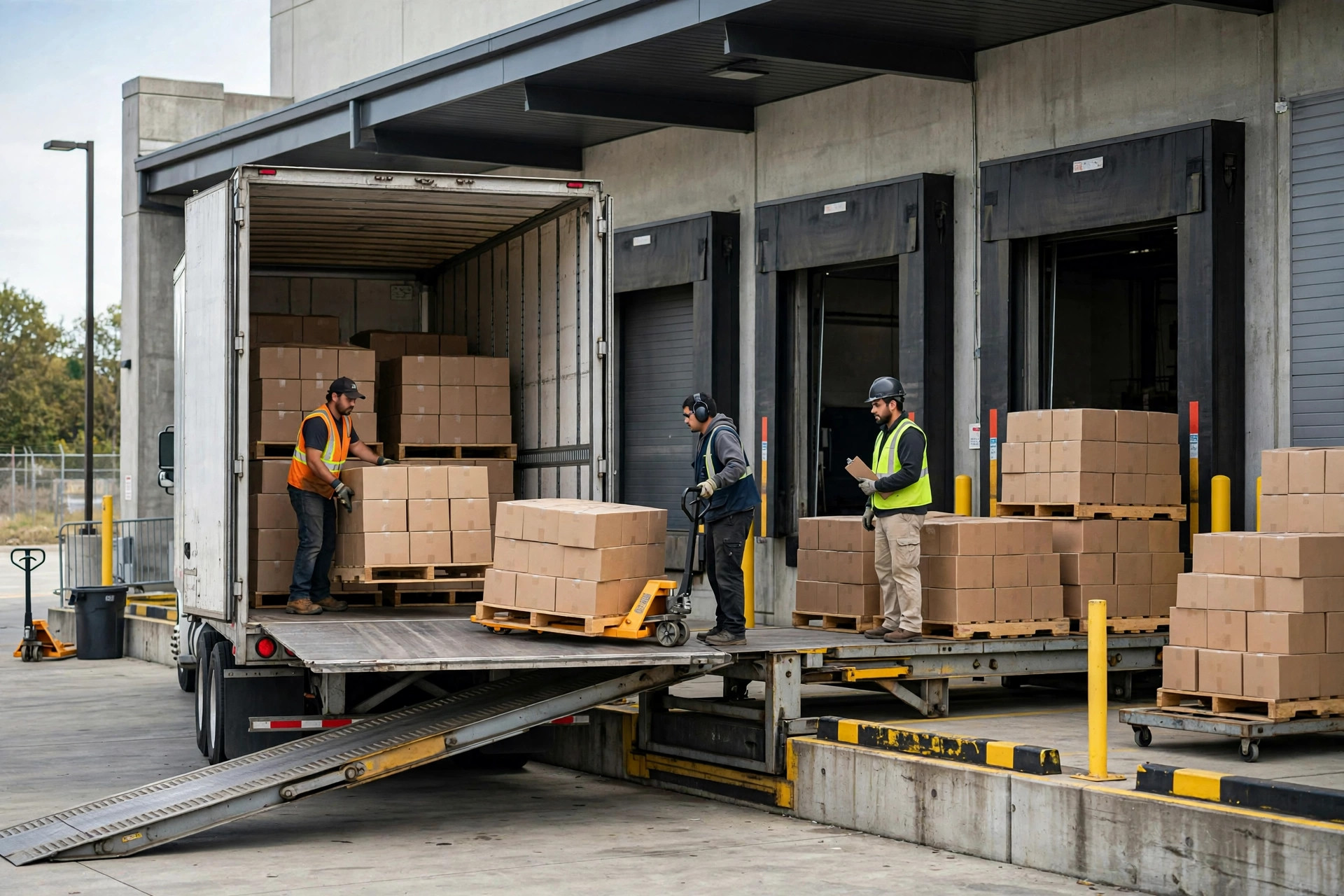
Another time, I delivered to a food warehouse. Check-in was fast, the paperwork went in, and I was waved through. But inside, the dock was still stacked with the previous load, and no forklift was free. My load had fragile goods on top and urgent goods buried behind them, and the supervisor just pointed and said to start on one side. Halfway through, he changed his mind and told me to start on the other side. By the end, the paperwork had been corrected three times and the counts nearly did not match.
Since that day, I ask one extra question at check-in: what comes off first, what comes off last, and where do the fragile pallets go. It sounds fussy, but when the unloading order is set, the forklift does not retrace its path and the paperwork does not get rewritten. Some supervisors grumbled at first, then admitted the loads where we asked were the ones with the least rework. Drivers are not afraid of work. We are afraid of doing it twice.
Things go wrong on the road, and exceptions need proof, not arguments. Once I opened a trailer and found a few pallets damp at the edges, with the cartons soft at one corner. The warehouse clerk frowned and asked whose fault it was. I did not argue. I took out my phone and photographed the carton numbers, the damp patches, a full pallet for context, and the dock door number. Then I wrote the facts in the remarks box on the delivery note and asked him to sign beside it. When the shipper asked later, the photos and the note matched, and the matter closed without a fight.
Photos are the most honest witness you have. Do not photograph only the damage. Photograph one good pallet for comparison and one wide shot of the whole load, so nobody can claim the entire load was bad. Write facts in the remarks box, not angry words: how many pallets, what they looked like, what time you found them. Some drivers worry that writing a remark will offend the warehouse. I think the opposite is true. A clear note protects the warehouse too, because nobody wants to carry a bill for damage they cannot explain.
The Arrival Coordination Checklist I Run Before Every Load
I turned years of these lessons into one checklist. Driver unloading coordination, when you strip it down, comes down to these four stages. I run through it on the phone before I leave, and I check it again at the gate:
| Stage | Confirm before arrival | Do not do at the dock |
|---|---|---|
| Appointment | Time, contact name, queue position | Drive in on a date with no time |
| Check-in | Unloading order, fragile goods placement | Start unloading before the order is set |
| Exceptions | Photos, facts in the remarks box | Argue over fault with no evidence |
| Departure | Counts checked, signature obtained | Leave before the paperwork is clean |
The list looks clumsy, but it saves real time. If traffic makes you late, call ahead from the road and say roughly how late you will be, so the warehouse can shift your slot instead of cancelling it. Many drivers fear that call, thinking they will lose the slot by admitting a delay. In practice, the opposite happens: showing up late with no warning is what costs you the slot, because nobody can plan around a surprise.
The departure step is the easiest to skip. The engine is running, and then you remember a signature is missing, and going back means joining the queue again. I would rather stand there five extra minutes and check the whole note from top to bottom: carton counts, pallet counts, remarks, signature. When the paperwork is clean, the job is actually finished.
The Counterintuitive Part: The Harder You Push, the Slower It Goes
Plenty of drivers arrive and start pushing, standing at the dock asking again and again when their turn comes. Here is the counterintuitive thing I have learned over the years: the harder you push, the slower the unloading goes. There are only so many docks and so many forklifts. When you push, the supervisor stops to deal with you, and the work in hand breaks off. Worse, a queue shuffled by pushing is usually a mess, and the fast unload today turns into a recount tomorrow that takes longer than the unload itself.
The fastest warehouses are not the ones that start unloading at full speed. They are the ones where the paperwork matches on the first try and the order is set once. Taking half a minute to talk things through makes the whole job run straight. These days I do not push at the gate. I hand over the paperwork, ask about the order, and go back to the cab to wait. Supervisors remember that, and when my turn comes, one shout is enough, and the unload runs clean. A calm temper is not softness. It is arithmetic: the arguing time you save is enough for another run.
An old saying fits here: sharpening the axe does not delay the cutting. Talk through the appointment, the order, the exceptions, and the signature before you arrive, and driver unloading coordination stops being a fight at the gate.
By Shifu Zhao, Trucking Veteran (15 yrs)