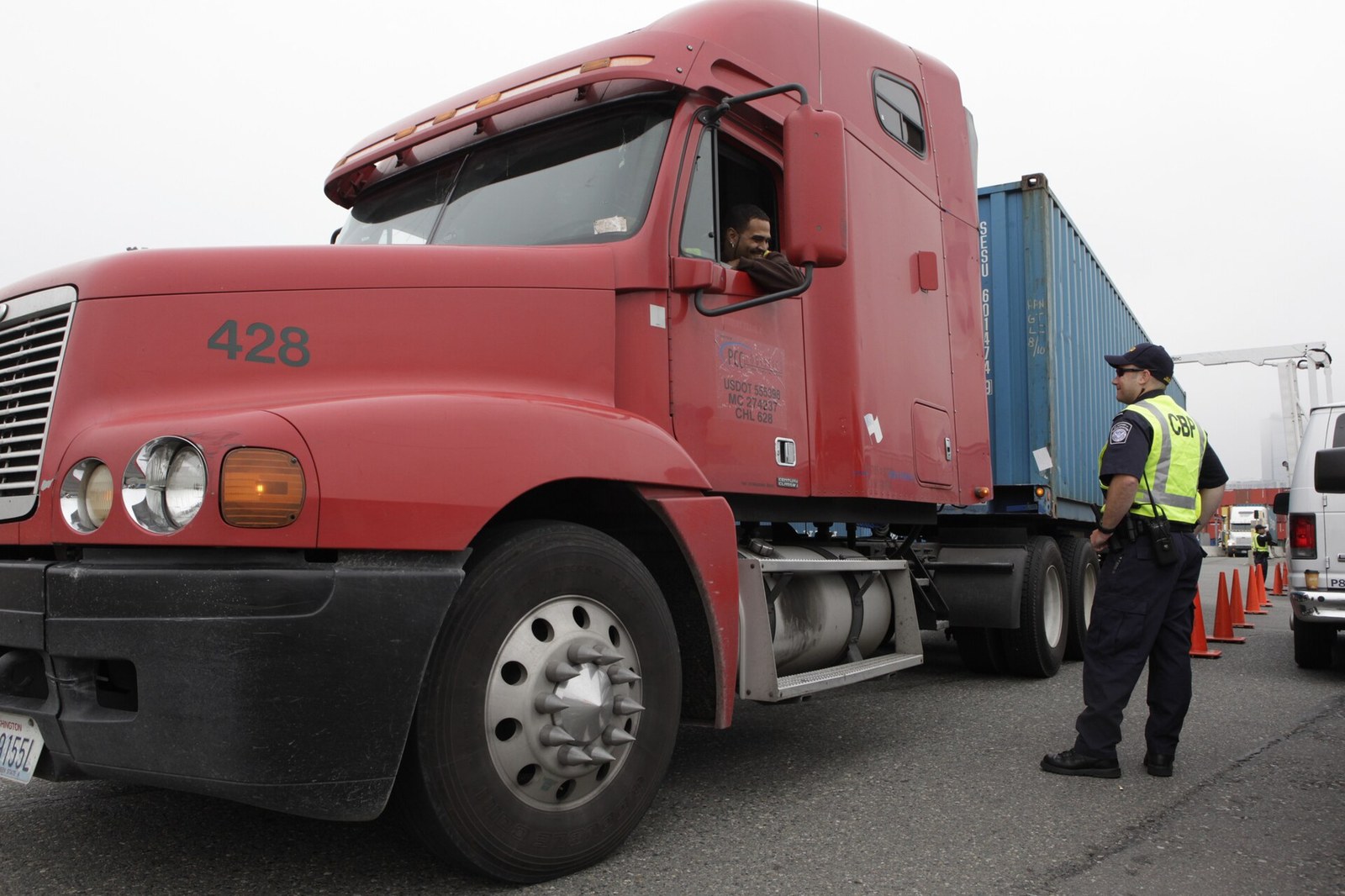
4 AM. My phone rings. It's the forwarder: "Lao Mi, Customs put a hold on your container. It's going to exam." My first reaction was the same as everyone's: why me? How long will this take? How much is this going to cost?
Twenty years in, I've taken that call more times than I can count, and I've distilled it into a playbook. Today I'm busting the myths about customs exams one by one, so next time it's your container, you'll at least know what's happening.
Myth 1: "An exam means Customs thinks I did something wrong"
Reality: most exams are random or system-generated risk picks.
CBP exams come in tiers. Let me rank them by pain level:
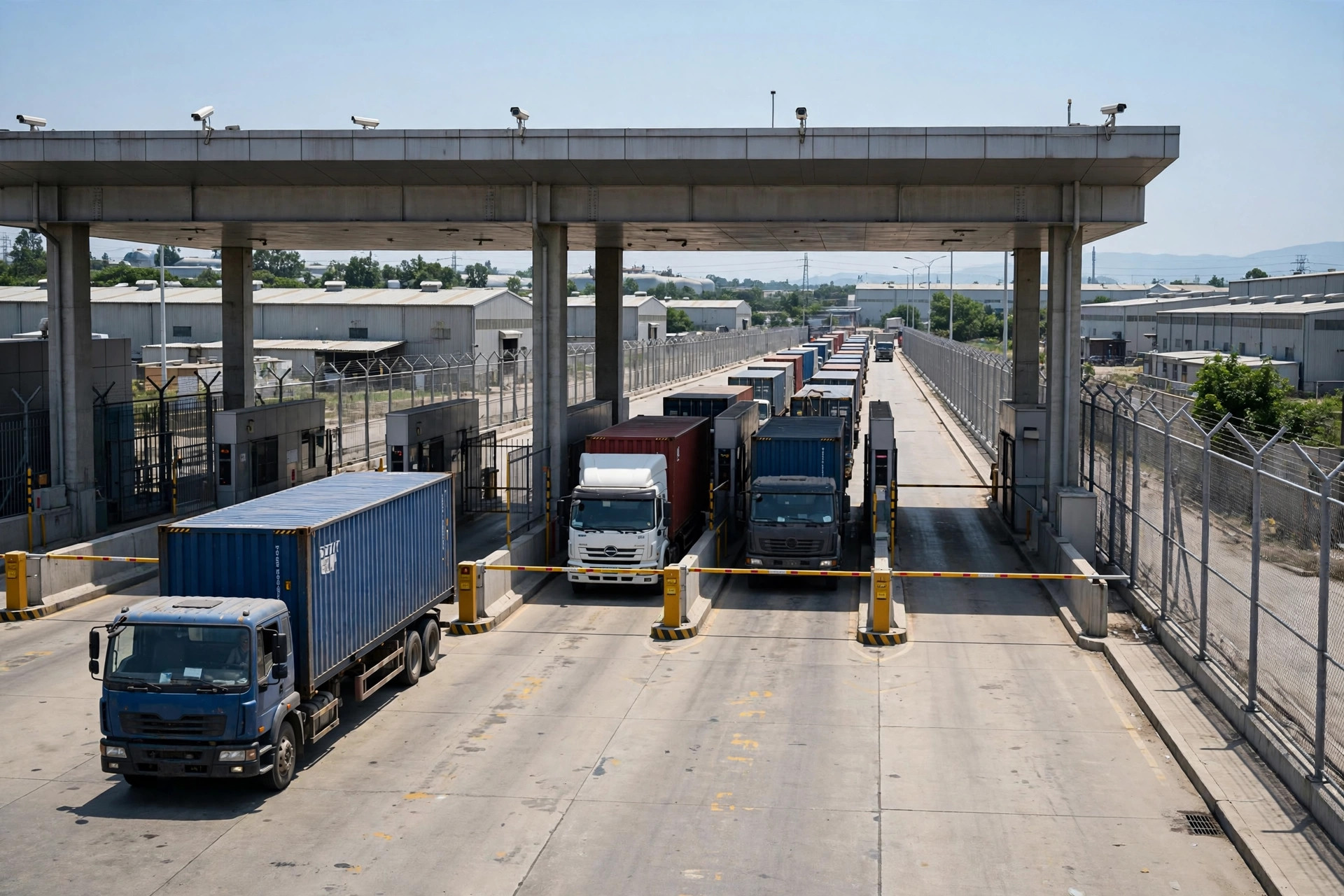
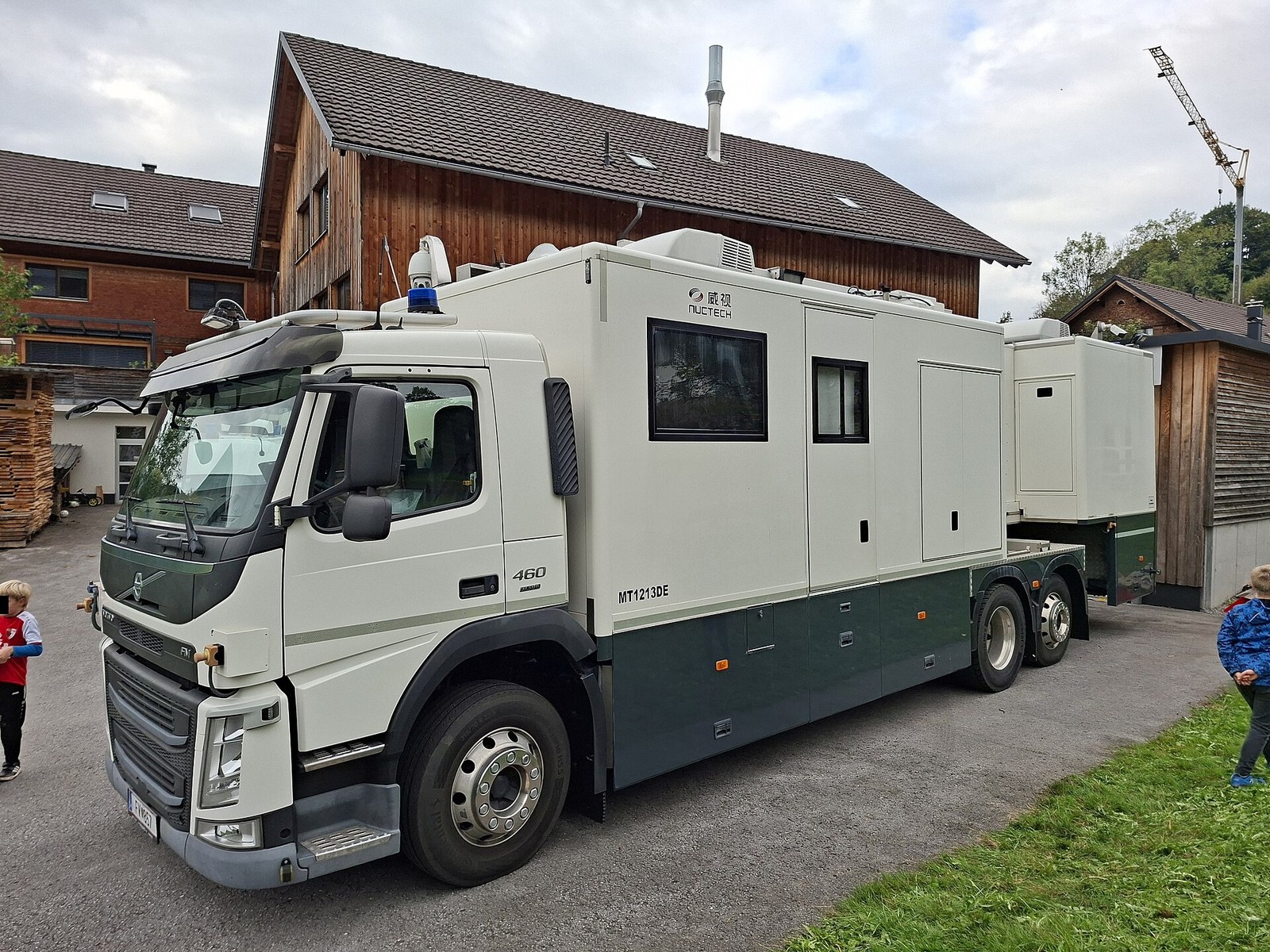
Tier 1: VACIS / X-ray (the mild one) Your container rolls through a giant X-ray machine at the terminal. Officers review the images. Nothing suspicious, you're released. Cost: $150–$350. Time: 1–3 days. This is the common cold of customs exams.
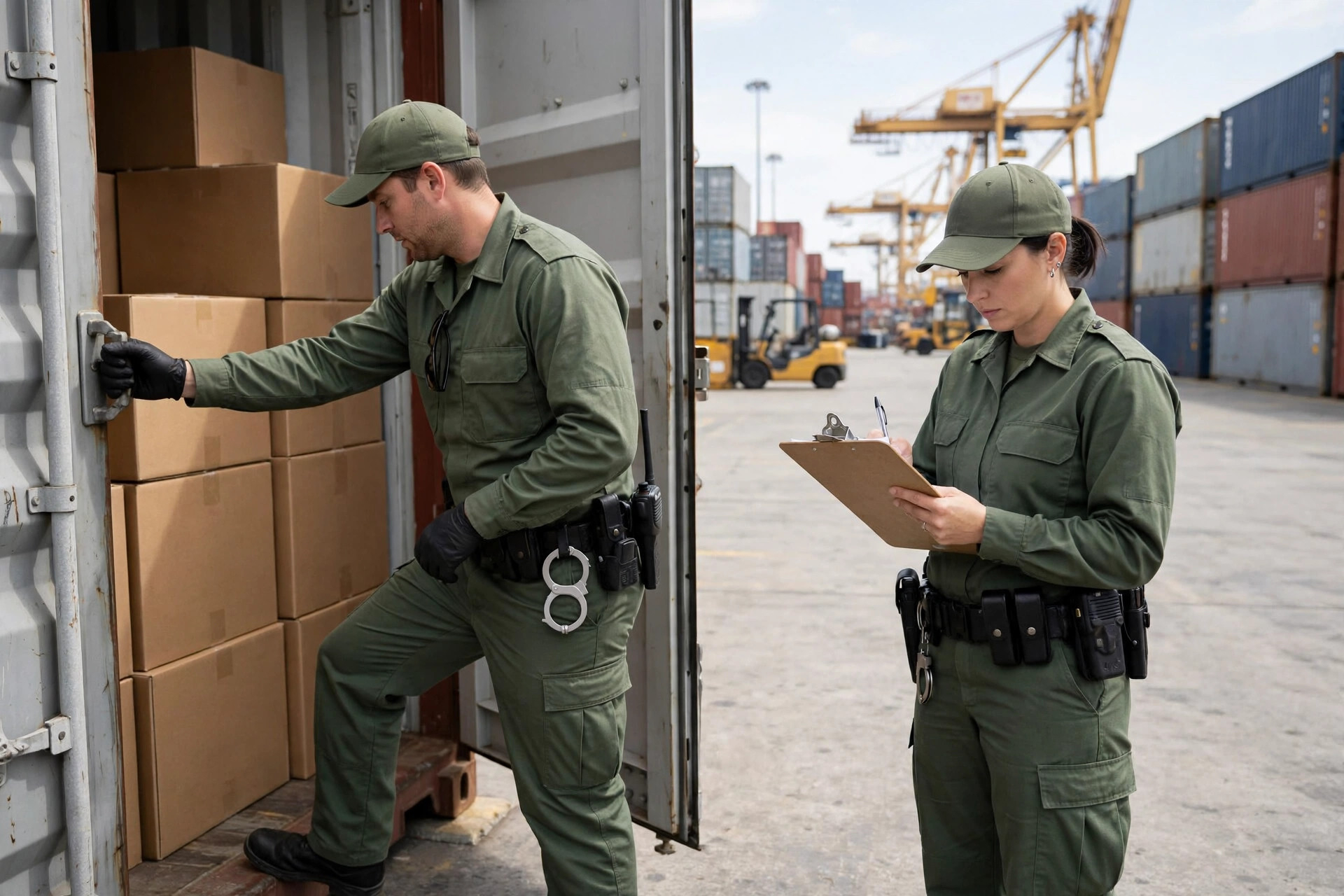
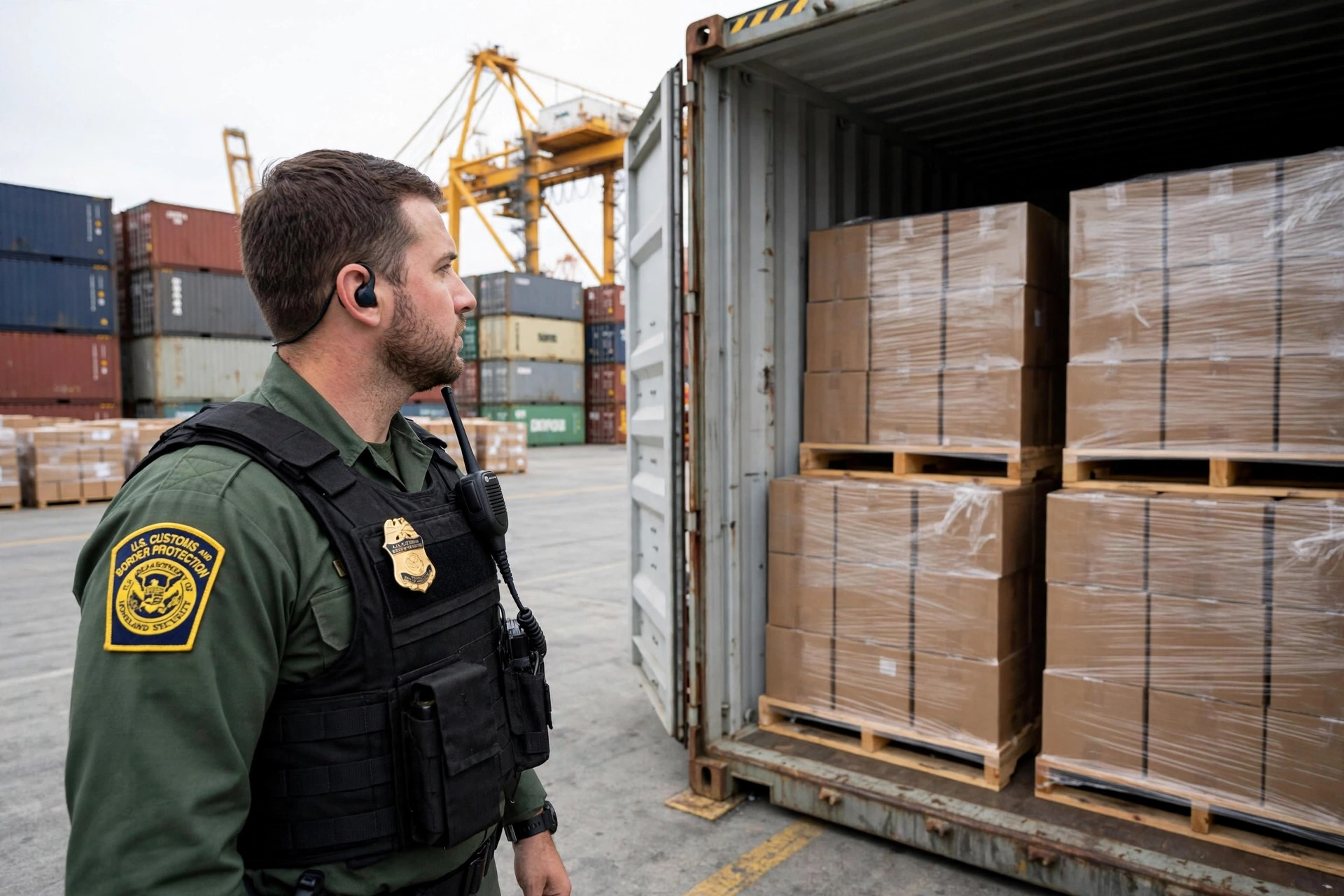
Tier 2: Tailgate exam (moderate) The container goes to an exam site, the doors open, and officers pull a few cartons for spot checks — opening boxes, counting quantities. Typically 5–10 business days, several hundred to over a thousand dollars.
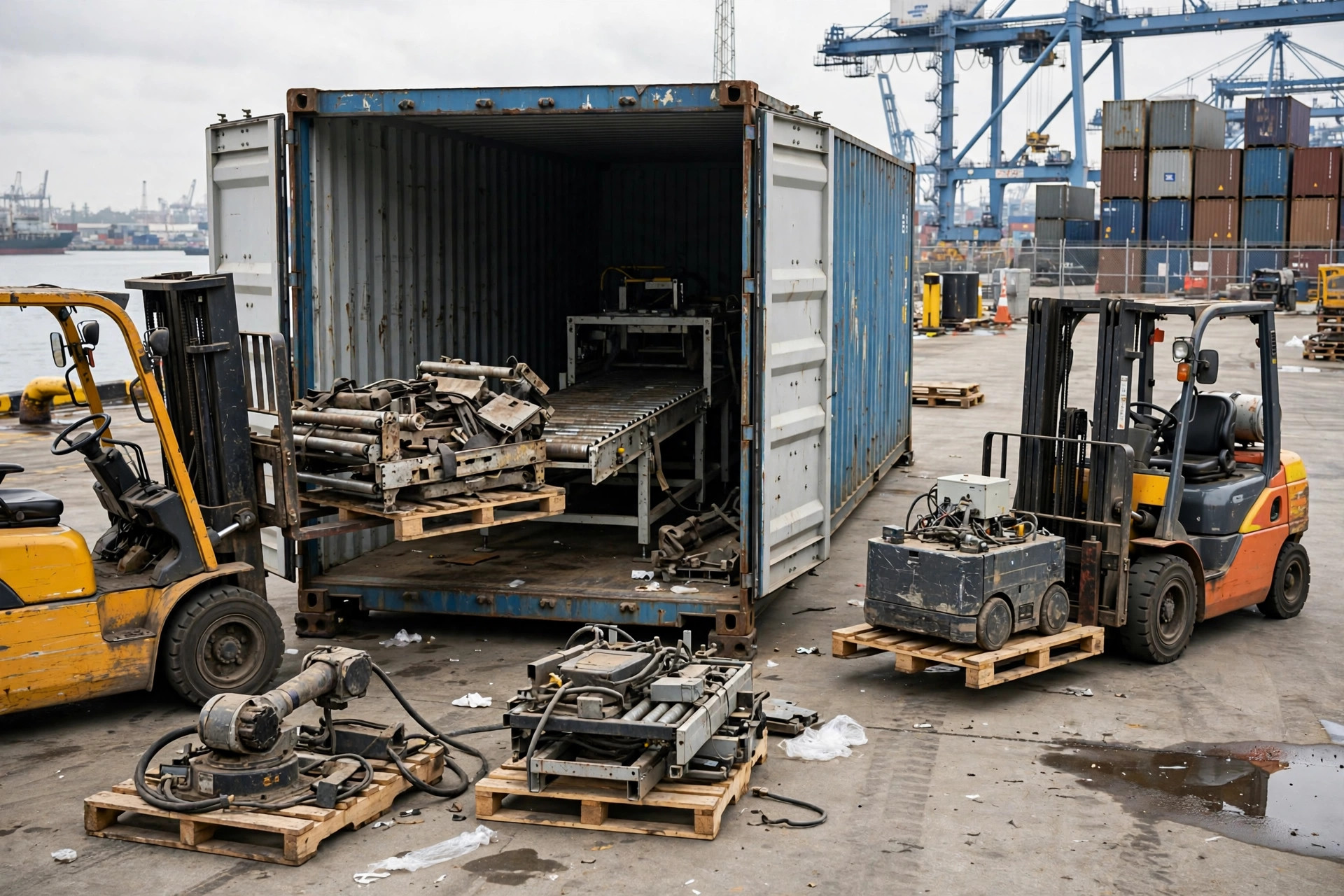
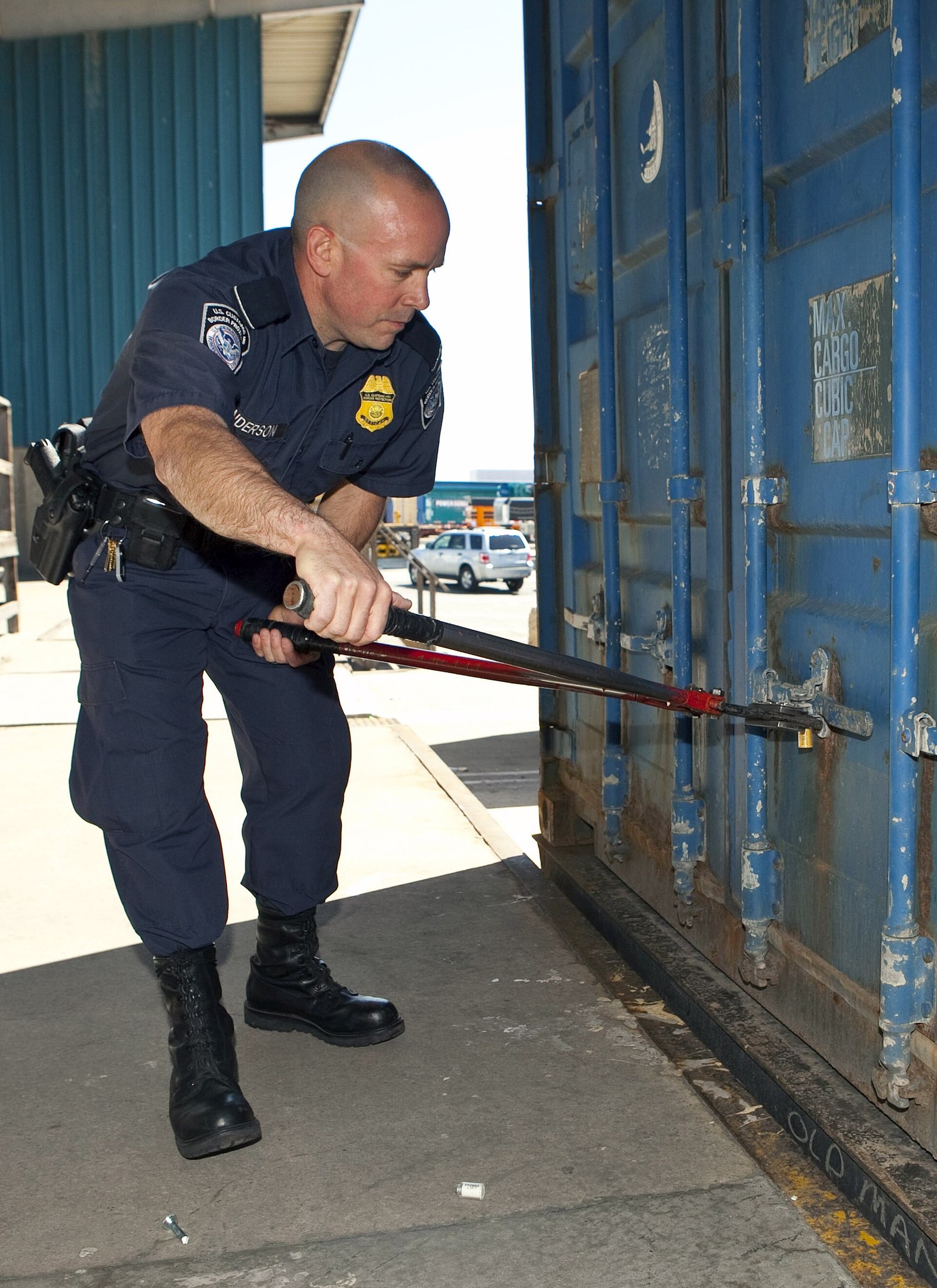
Tier 3: CET intensive exam (the painful one) CET is the Contraband Enforcement Team. Your container goes to a CES (Centralized Examination Station), gets fully unloaded, and every piece is inspected. Time: 1–4 weeks. Cost: $1,000–$2,500+, not counting the storage and demurrage piling up while it sits.
First, Know the Difference: Exam vs. Detention vs. Seizure
People mix these up, but they're very different levels of trouble:
- Exam: Customs wants to look at the goods. No issues found, cargo releases. Normal procedure — not an accusation.
- Detention: Customs found a problem with the documents or the goods, and the cargo is held while you explain. Wrong description versus actual goods, for example — you get a window to submit evidence.
- Seizure: Customs determined the goods are illegal — counterfeit, prohibited, grossly undervalued. The cargo is taken, and fines can follow. This is civil and potentially criminal territory.
Most of you will only ever see tier one. When you get a hold notice, first question to your broker: "exam hold or detention?" One is a process, the other means call a lawyer.
Myth 2: "Customs pays for the exam"
Reality: the importer pays for everything. Customs pays nothing.
This is the part that hurts. Drayage to the exam site, labor to unload and reload, terminal storage while it sits, carrier demurrage — all on the importer's tab. The VACIS fee ($150–$350) usually comes through your forwarder's invoice; for a CET exam, the exam station bills the importer directly.
Do the math on a 40-footer held two weeks for a CET exam: about $2,000 in exam fees, several hundred in drayage round trip, daily storage accumulating, plus the lost sales from the delay — one exam easily costs over $5,000 all-in. That's why experienced importers treat "lowering exam rates" as a serious business objective.
Does C-TPAT Buy You a Lower Exam Rate?
CBP runs C-TPAT (Customs Trade Partnership Against Terrorism), a supply-chain security certification. Members get a lower risk score in the system, genuinely fewer exams, and priority lanes when they are examined.
Honest take: C-TPAT is built for mid-size and larger importers. The application requires a supply-chain security audit. If you're moving a few dozen shipments a year, the ROI is questionable. My rule: once your annual imports pass a million dollars and exams are genuinely hurting, look into C-TPAT. Smaller sellers get more mileage from clean documentation.
Myth 3: "You can pull strings to get a hold lifted"
Reality: once the hold is in the system, nobody can cancel it. You can only make it end faster.
Not your broker, not your forwarder, not you. Three things actually help:
- Have your broker confirm the exam type and the exam site immediately — get names and phone numbers
- Send complete documents in one shot: invoice, packing list, proof of origin, product literature. Don't drip-feed
- Don't pester CBP — it doesn't help. But have your broker check status daily, and the moment it's released, get the truck rolling
What Gets You Flagged? (All Preventable)
From everything I've seen over the years, the top exam triggers are:
- New importer: your first shipments get examined at much higher rates — Customs is getting to know you
- Vague descriptions: "parts," "accessories," "general merchandise" on a manifest is practically an invitation
- Late or wrong ISF: the 24-hour rule is a hard line, as covered in part two
- Inconsistent documents: invoice says 800 cartons, packing list says 810 — small errors, fatal consequences
- High-risk origins or sensitive categories: some products just carry higher exam rates — budget for it
Exam Cost Cheat Sheet (2026, LA/Long Beach)
| Exam type | Cost range | Time | Who pays |
|---|---|---|---|
| VACIS / X-ray | $150–$350 | 1–3 days | Importer (via forwarder invoice) |
| Tailgate | $500–$1,500 | 5–10 business days | Importer |
| CET intensive | $1,000–$2,500+ | 1–4 weeks | Importer (billed directly by exam site) |
| Storage + demurrage during exam | Accrues daily | Runs with the exam | Importer |
These are typical industry ranges — actual bills vary by exam station, carrier, and season. Peak season and port congestion push both time and cost upward.
Myth 4: "In LCL, exam costs get split — my little shipment barely pays anything"
True on cost, wrong on what matters. In a consolidated container with a dozen shippers, exam fees are split pro-rata — you might pay tens of dollars. But the whole box sits together. Two-week exam, everyone's cargo waits two weeks. If you're racing an Amazon FBA appointment or a holiday season, the time costs you far more than the fee.
So LCL shippers should watch two things even more carefully: pick a consolidator with quality documentation (their paperwork sets the whole container's exam risk), and for high-value, time-sensitive goods, don't cheap out — book the full container.
Your Exam Emergency Kit: Prepare These 5 Things Now
- Digital document package ready to send: invoice, packing list, B/L, proof of origin — on your phone is fine. Exam notice arrives, broker gets it within 10 minutes
- Product literature with photos: Customs can't tell what your product is? One clear photo plus one page of English description can save days
- Your broker's emergency contact: not the company main line — the specific handler's mobile number
- An exam budget: reserve 1–2% of shipment value per shipment for exam contingencies. Best case, you never touch it
- Buffer in your delivery promises: quote customers with a default one-week cushion. Don't gamble on "hopefully no exam"
Exams are part of the import business, not the end of the world. Clean documents, honest descriptions, on-time ISF — do those three and your exam rate takes care of itself. Next: how to get back the duties you already paid — a 99% refund most importers don't know they qualify for.
Exam fees and procedures vary by port. Verify against cbp.gov and your customs broker before acting.
Photo credits: CBP inspection photos (public domain, via Wikimedia Commons); "Nuctech container scanner" by Asurnipal, CC BY-SA 4.0, via Wikimedia Commons; "CBP Officer opens sea container" by Ser Amantio di Nicolao, public domain, via Wikimedia Commons.