A 40-foot container sitting an extra day at the Port of Los Angeles racks up hundreds of dollars in demurrage and storage. A single missed Importer Security Filing can draw a penalty of up to $5,000. And one seizure notice from Customs can turn tens of thousands of dollars of inventory into a liability overnight.
Twenty years in this business has taught me that most importers don't lose on customs detentions because they "don't know the law." They lose because they react too slowly. Every day your container sits at the terminal is money on fire. Drag the decision out a week, and the cost of saving the cargo exceeds the cargo itself. So let's break it down: why Customs holds your freight, the three roads out, and when you should walk away.
One caveat: the fees and timelines below are magnitudes from experience. Always check the latest rules from CBP and the terminal.
Why your container, of all containers
Detentions are rarely bad luck. In my experience, they cluster around five causes.
Random exams. The most unfair kind, and the most common. CBP's exam teams pull a share of containers every day for X-ray or devanning. Your paperwork can be spotless and still get picked. Back during the 2021 congestion meltdown, with over a hundred vessels anchored off LA and Long Beach, a client importing home goods — cargo worth under $40,000 — got pulled for a full devan exam. Nothing wrong with the freight. But just waiting for an exam slot burned more than two weeks, and demurrage plus exam-station handling came to nearly $10,000. Clean cargo, burned cash. That's what makes random exams so maddening.
Documents don't match the freight. Invoice, packing list, bill of lading say one thing; the opened container says another. The two things CBP cares about most: undervaluation, and vague descriptions. A container declared as "plastic products" that turns out to be full of electronics with charging ports gets held on the spot. So does a quantity mismatch — 5,000 pieces declared, 8,000 actually inside. Those don't slip through.
Intellectual property flags. Bags, apparel, footwear, 3C accessories — if the logo looks "close enough" to a major brand, CBP can detain on counterfeit suspicion, and US Customs does not mess around here. Once held, you either produce genuine authorization or the goods are gone. I watched a container of "streetwear" apparel get seized at an East Coast port; the importer couldn't produce a single authorization letter, and the whole box was abandoned. Shipping knockoff-adjacent logos into the US is gambling with your cargo.
FDA detention. Food, supplements, cosmetics, medical devices fall under the FDA, which can detain without physical examination and give you a deadline to produce evidence. The brutal part is written into law: goods refused admission by the FDA must be exported or destroyed within 90 days. Miss the deadline and they're destroyed at your expense. No negotiation.
Antidumping and Section 301. Enforcement has tightened hard in recent years. If CBP suspects transshipment through a third country to dodge antidumping duties, or HTS codes deliberately nudged toward lower rates, they open an investigation. These detentions run the longest — measured in months — and if the allegation sticks, back duties plus penalties can run multiples of the cargo value. Your broker can't fix this one. You need a lawyer.
The three exits
Once your freight is held, there are three ways out.
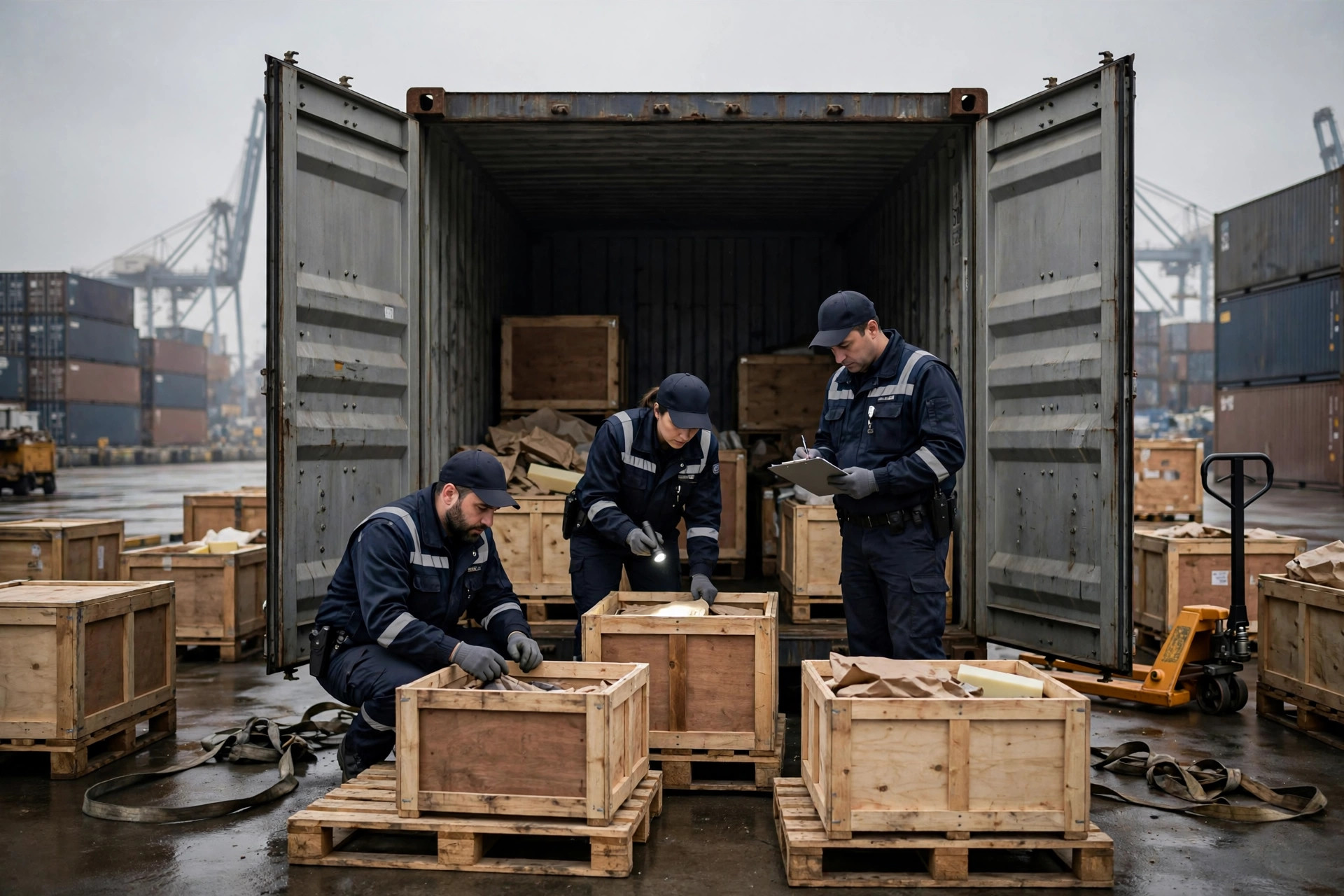
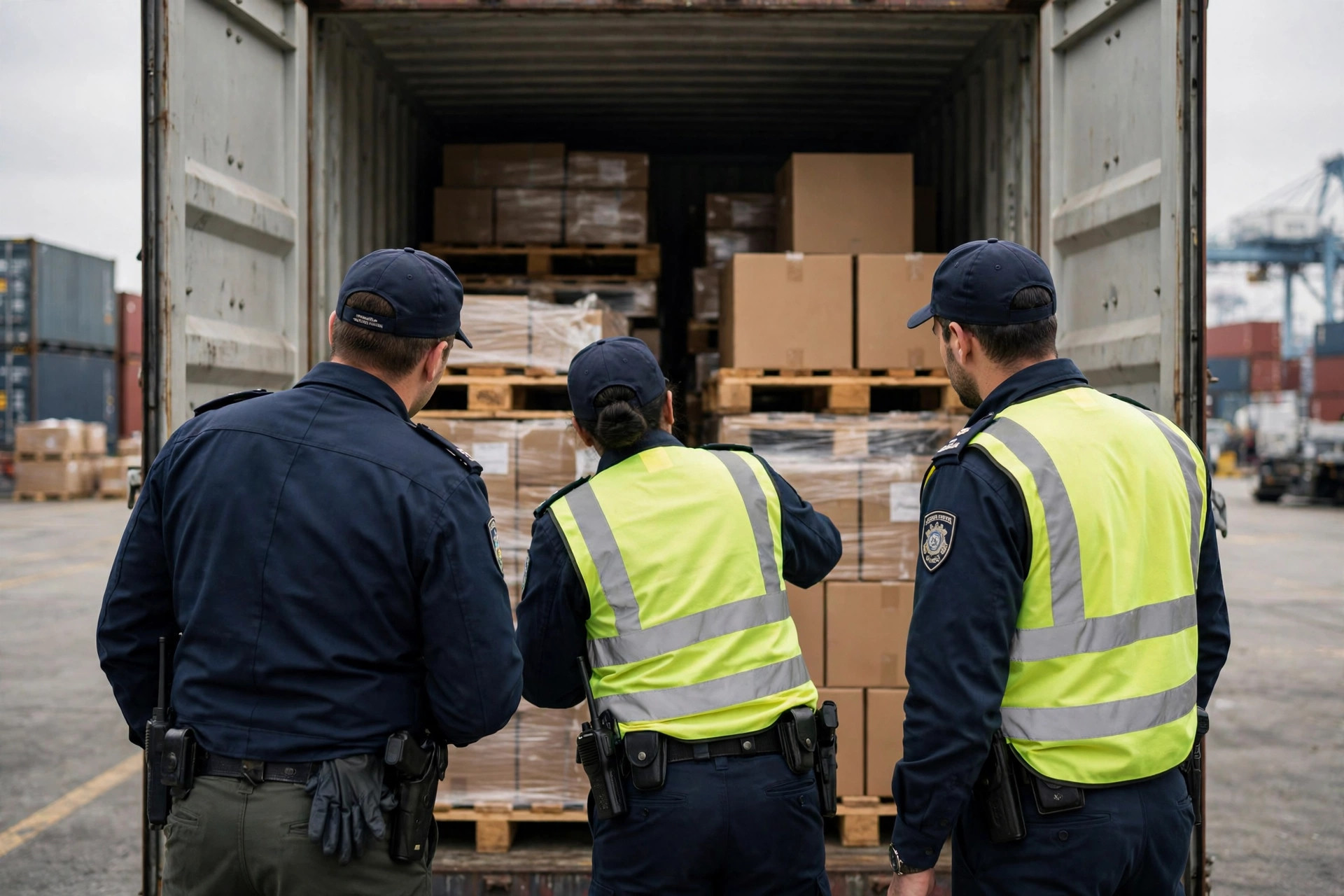
The most common, and the best: wait out the exam. The sequence runs like this — detention notice, dray to the exam station, queue for X-ray or devan, release once the officer is satisfied. A few days if you're lucky; one to two weeks in peak season or during port congestion. The costs are yours no matter what: short-haul drayage to the exam site, exam-station handling (devan and reload, typically in the hundreds to low thousands), plus demurrage and storage the whole time. My advice at this stage: don't pester CBP, it does nothing. Have your broker watch the exam schedule like a hawk and pull the container the hour it's released. Not one extra day at the terminal.
The second exit: seizure. CBP decides the goods are violative — counterfeit, smuggling indicators, gross undervaluation — and issues a Notice of Seizure. From that moment, legally, the cargo isn't yours anymore. Your options: petition for relief and pay to get it back, fight it in court, or give up. The petition route is measured in months; six months to a year is unremarkable, and legal fees start in the five figures. Blunt truth: for low-value cargo, fighting a seizure is throwing money into the ocean. The legal bill burns through and the goods may never come back.
The third exit: abandonment or export. Abandonment means filing with CBP and handing title to the government — no duties owed, clean break. Export means shipping the goods back to origin or onward to a third country, on your dime, inside CBP's deadline. FDA-refused goods face the hard 90-day export-or-destroy rule. Abandonment sounds like surrender. Often it's the smartest play. More below.
Do the math, then decide
This is the most important section of the piece.
Once freight is held, your costs burn daily: demurrage (a few free days, then hundreds per day on an escalating scale), storage, exam-station handling, your broker's extra fees. If it reaches seizure and petition, add legal fees. All in, a container sitting at the port for a month can easily burn into the low five figures. Check current rates with the terminal and CBP — but the rule "daily burn, and it gets worse the longer you wait" hasn't changed in twenty years.
So my decision rule is simple: run the calculator, not your emotions.
Lay out the cargo value. Add up the full rescue cost — what's already burned, what will keep burning, plus potential penalties. Then be honest about whether the rescued goods are still sellable — seasonal freight delayed three months is dead inventory. If the rescue costs more than the cargo is worth, or the goods come back unsellable, abandon and stop the bleeding. Don't hesitate.
My rule of thumb: for loose cargo worth around $10,000, if it's been held more than two weeks with no clear release date, stop trying to save it. The rescue will almost certainly cost more than the freight. You're spending real money to keep a sunk cost alive. Sure — a $200,000-plus full container is a different story; that's worth lawyering up for. But small importers, hear me: abandoning isn't shameful. Getting bled dry by demurrage is.
One thing most people don't know: after abandonment, no duties are owed on that shipment. Voluntary abandonment and government destruction are treated differently on duties — let your broker handle the filing, don't freelance the paperwork.
Broker first, lawyer when it counts
Get the division of labor right. Wrong person, burned money.
Your broker is the point person. The moment you get an exam notice, hand it to your broker: interfacing with CBP's exam unit, preparing documents, booking the exam station, chasing release. A good broker can save you several days of demurrage at this stage — they know when the exam station opens slots and where things jam. Judge a broker on one thing: real, hands-on exam follow-up experience at your port of arrival. A broker who's great at LA/Long Beach may be useless on a New York exam.
A lawyer is heavy artillery — don't deploy it lightly. Call one when: you get a seizure notice, there's an IP dispute, an antidumping investigation opens, an FDA hearing looms, or CBP issues a penalty you can't pay. Lawyers bill by the hour, and a case routinely runs into the tens of thousands. My rule: exams and document problems belong to the broker. The moment it shifts from "exam" to "enforcement" — seizure, investigation, penalty — get counsel immediately. Every day you wait shrinks what they can do for you.
Three things you can use tomorrow. First, have your broker pre-review documents before every shipment — specific descriptions, quantities that match, honest values. Most detentions I've seen trace back to paperwork. Second, budget for exams on every shipment — mentally price in an extra week of demurrage and build the risk into your quotes. Third, keep a broker on retainer who actually runs exams at your main port. Don't go shopping for one after your container is already held.