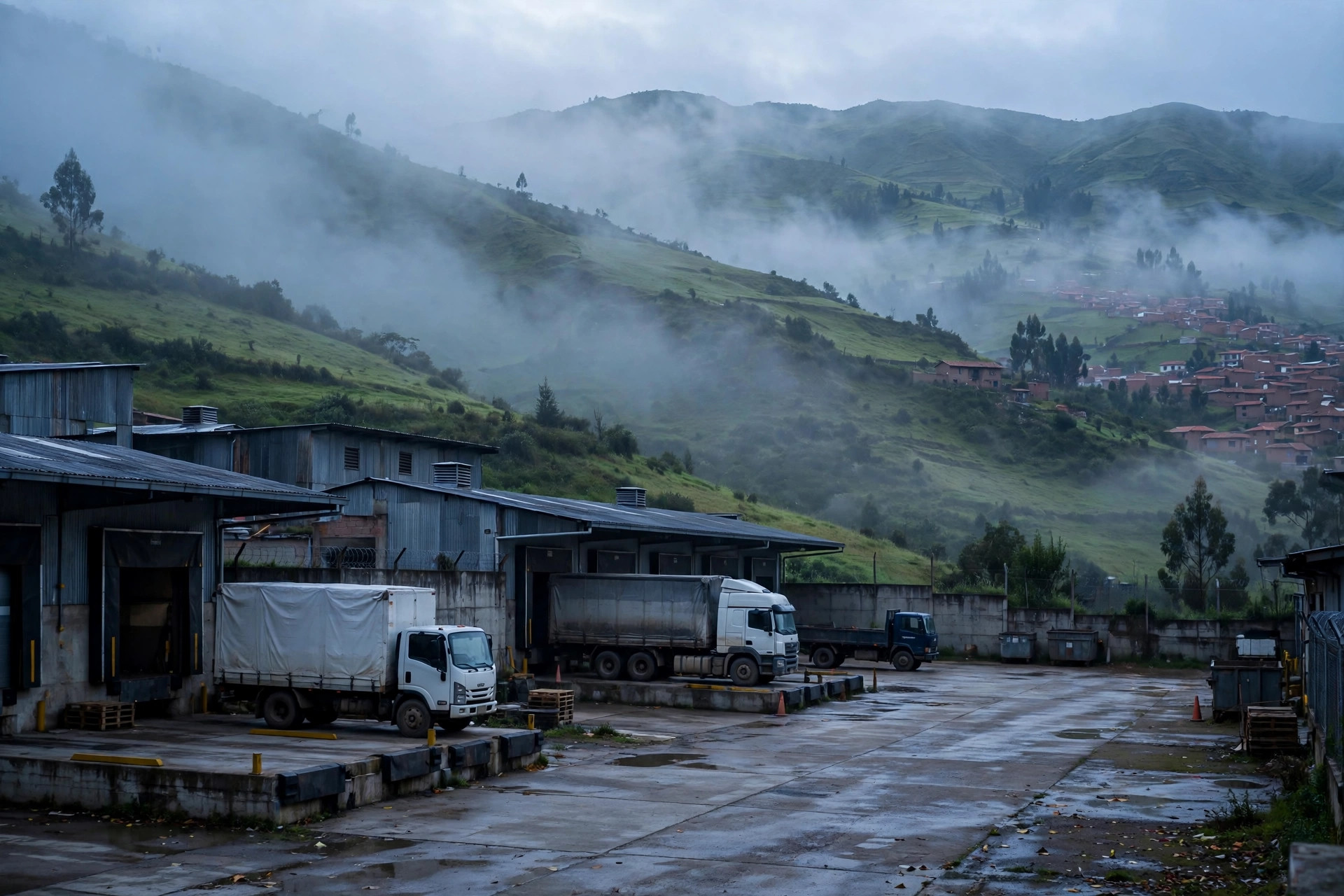
At half past six in the morning, the fog over Cuenca had not lifted yet, and three drivers were already waiting at our warehouse gate — a normal morning in the Cuenca warehouse market. Let me be straight with you: that morning I was not most afraid that the freight had failed to arrive. I was afraid that it had arrived, and the trucks could not get up the hill.
The load had come from the direction of the Guayaquil port corridor. It should have arrived overnight. Instead, it climbed slowly through the night, the driver stopped halfway to rest, and it only rolled into town at dawn. The customer called and asked why the goods were not on the shelves yet. I told him the freight was on its way, nothing was broken, nobody was hurt, it was just a long climb. That is the reality of the Cuenca warehouse market. On a map, the distance looks short. Behind the wheel, it is a different story. After that, we moved every inbound window half a day later. We would rather look slow than promise an overnight arrival we cannot keep.
Cuenca is a highland city in southern Ecuador, and that changes how you should think about setting up storage here. Too many newcomers start with rent. They ask what a square meter costs and stop there. In my warehouse, we start with the trucks. We ask which road they will take, what time they can reach town, and what happens in peak season when the slope slows everything down. Rent is only one line in the real bill. Transport, waiting time, damage, and rework are the other lines, and in a highland city those lines can quietly eat whatever you saved on rent.
Cuenca warehouse market: start with the road, not the rent
Heavy trucks climb slowly. Brakes and tires wear faster than they do on flat ground. An empty truck comes down fast, but whether it can pick up a return load decides whether the trip really paid. That is why I tell people to talk to drivers before they sign anything. Drivers know which slope is the hardest, which stretch gets tricky in the rainy season, and which hours are best for entering town. A leasing brochure will tell you a site is near the main road. A driver will tell you whether a heavy truck can actually turn into it.
We learned this the hard way. Once, a site looked perfect on paper, close to the main road and cheap enough to make everyone happy. The first driver who heard the address shook his head. The access road was too tight for a heavy truck, and the detour was long. We walked away from that deal. Later we heard the operator who took it spent far more on transport than the rent saving was worth. In Cuenca, the cheapest warehouse on paper can become the most expensive warehouse in practice.
Our rule now is simple. Long-haul freight from the Guayaquil direction is scheduled to arrive in the morning, not in the middle of the night. Night driving is already tiring, and a long climb makes it riskier and harder on the vehicle. Customers complained at first that we were slow. Then they did their own math. A delivery half a day late, but with less damage and fewer emergency replenishments, cost less overall. That is the first trade-off in this market: time on the road must be counted together with freight cost and damage, not treated as a separate problem.
Suburban warehouse, city warehouse, or regional hub: do the math
The second lesson came from a customer distributing everyday goods across several southern cities. At first, the customer rented a large suburban warehouse because it looked cheap and roomy. The stock fit. The problem was delivery. Every morning, trucks had to split into three routes into town and the surrounding cities, winding through urban streets and climbs. A driver could only complete a limited number of trips a day. When peak season arrived, orders piled up in the warehouse while trucks were still on the road.
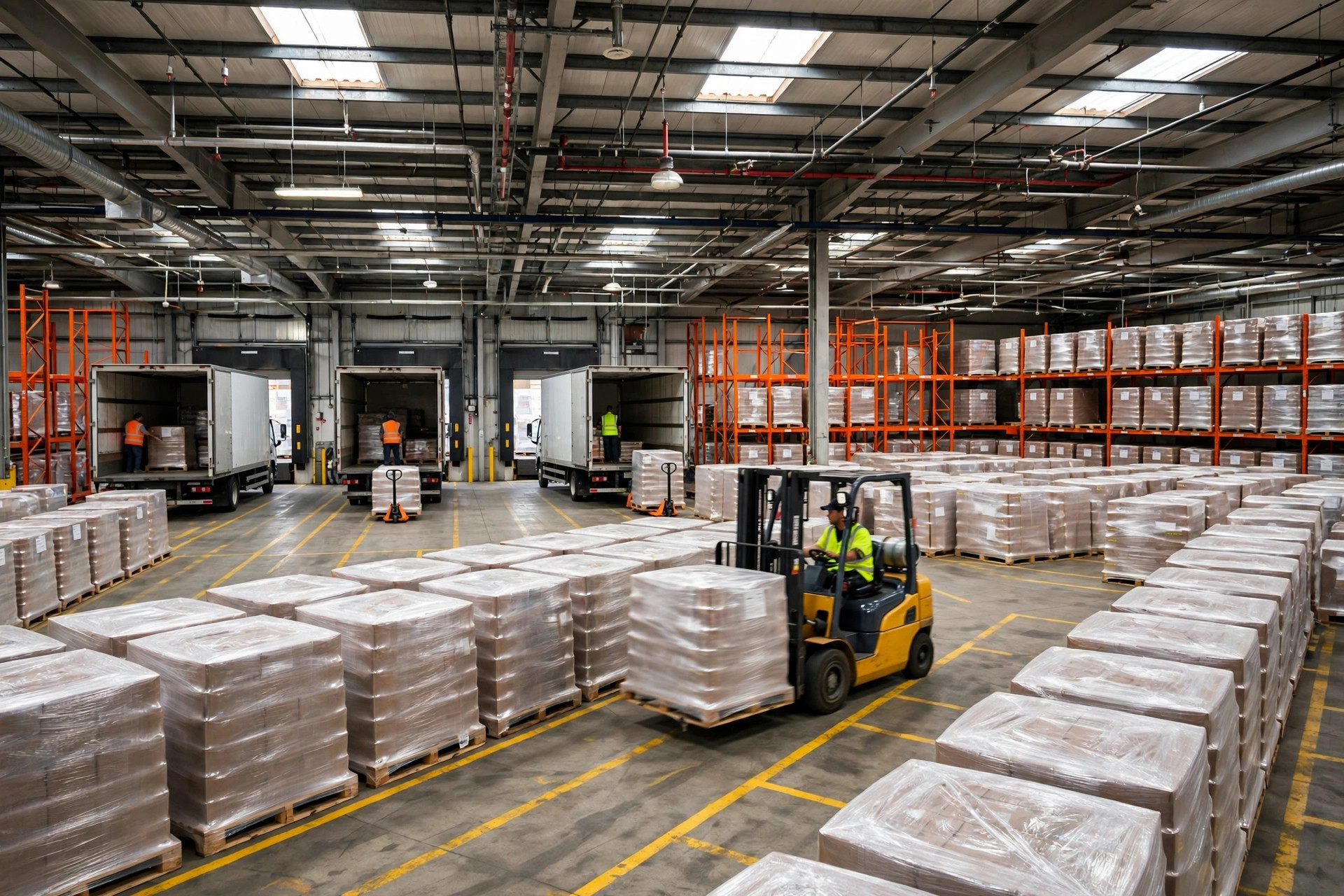
We changed the structure instead of adding more trucks. The suburban site kept bulk storage and large-volume break-bulk work. A small city warehouse took fast-moving goods for frequent urban deliveries. Between the two sites, we ran one or two fixed shuttle trips a day. That change was not invented in a meeting. It was forced on us during a peak week when small urban shops all replenished at once and trucks queued from the morning until midday just to leave the suburban site. The boss was pacing at the gate. I said, stop pushing more trucks out of the suburbs, move the fast movers into the city site, and let slow movers travel at their own pace. We survived that week on that plan, and the two-site structure has stayed ever since.
Here is how I now explain the choice to other operators:
| Option | Best for | Main cost | Biggest risk |
|---|---|---|---|
| Large suburban warehouse | Bulk stock, large volumes, no rush for half a day | Long last-mile trips and repeated climbs | Peak-season trucks queue and cannot leave |
| Small city warehouse | Fast-moving goods and many urban shops | Higher rent, small space, hard to expand | One surge fills it up |
| Regional distribution point | Covering several southern cities through transfer | Coordination across both ends | If one end breaks, the other stops too |
No single option wins on its own. A suburban warehouse alone pushes all the pressure onto the road. A city warehouse alone pushes all the pressure onto the shelves. In Cuenca, the stable answer is usually a combination: bulk stock outside town, fast movers inside town, and a distribution point chosen by the actual route, not by the brochure. Add rent, trips, and damage together. That total is the real cost.
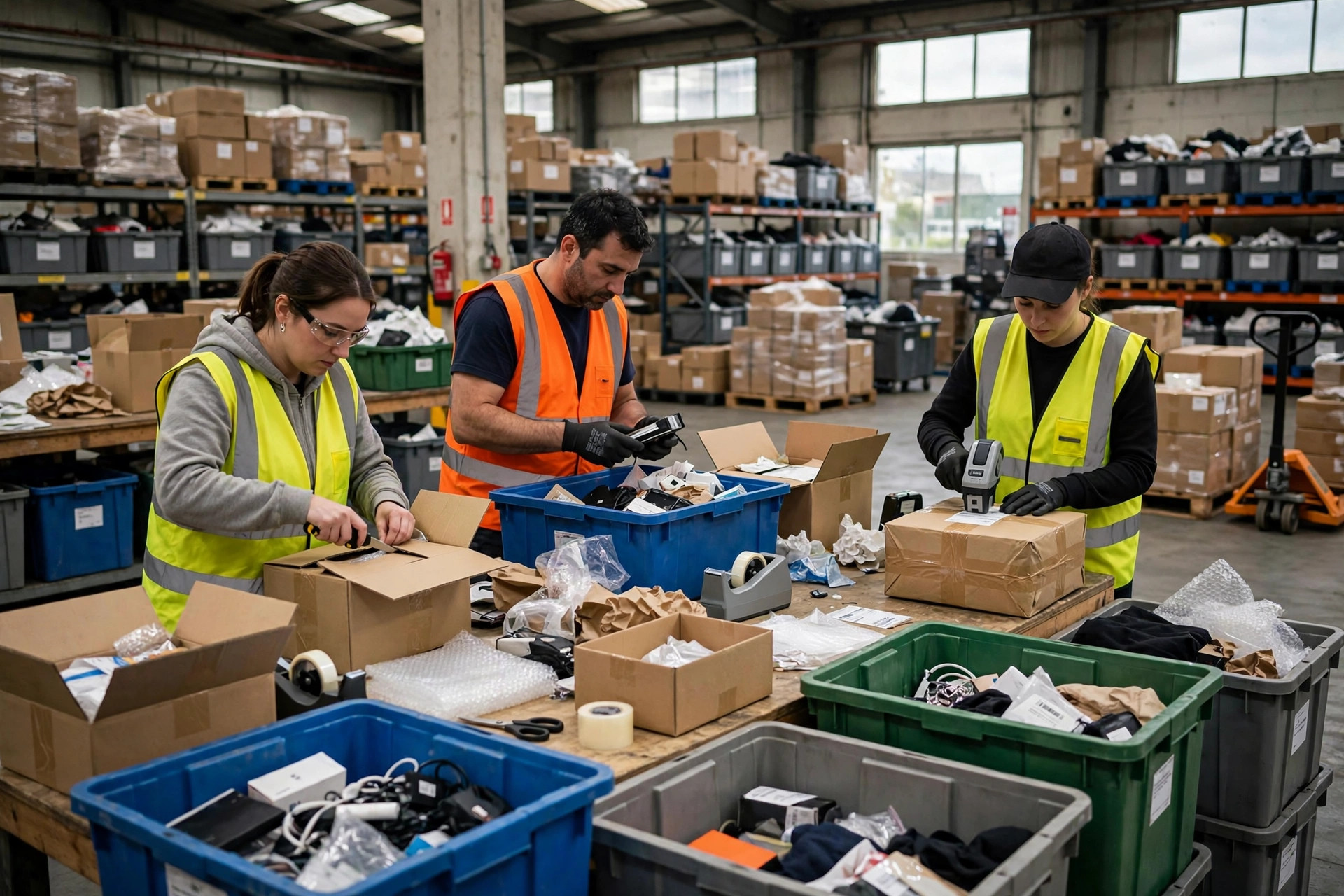
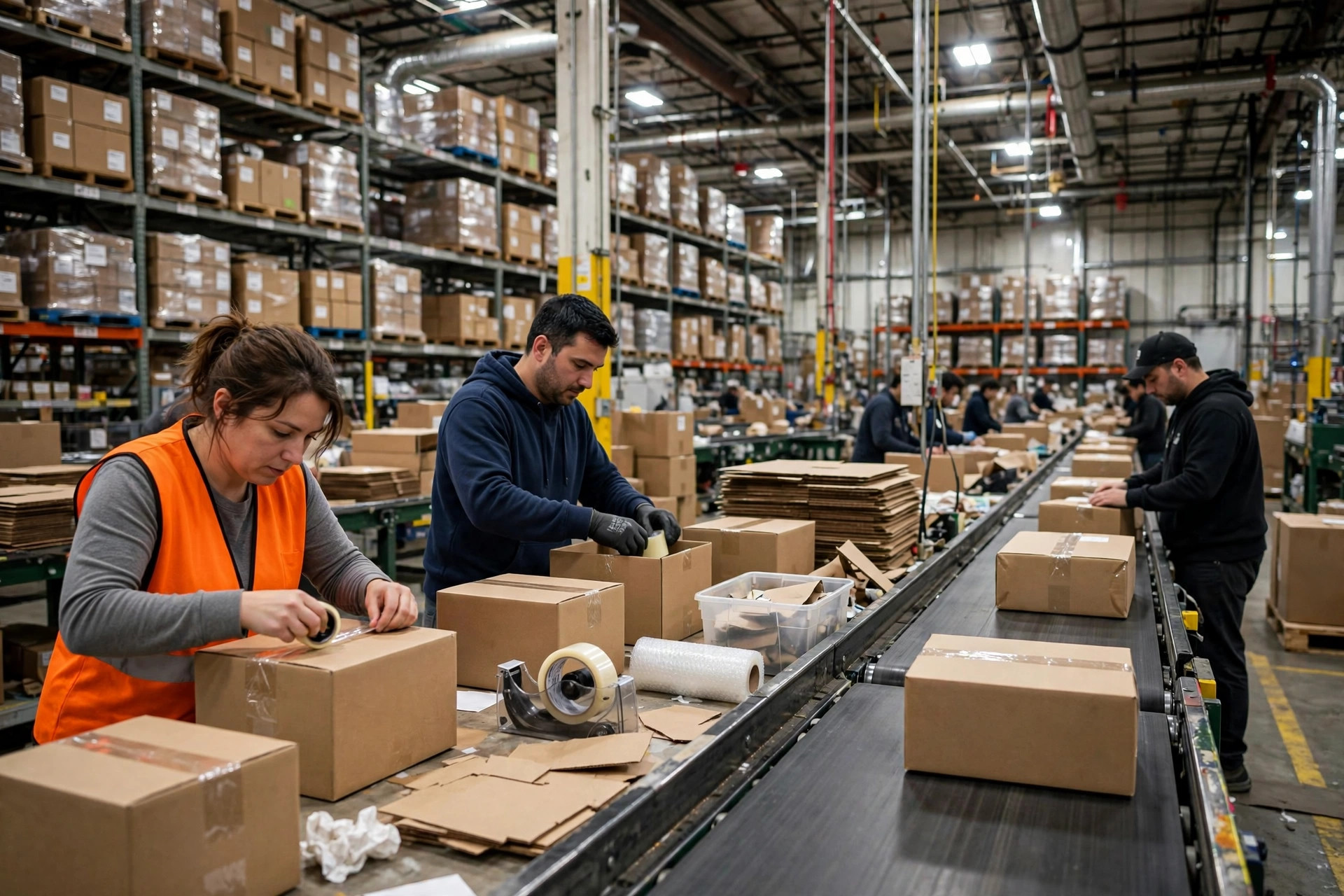
There is also a warehouse discipline point that matters more in southern markets than many people expect. Orders here are often small and frequent. The risk is not empty shelves. It is picking and checking falling behind. We now keep fast-moving goods in one fixed zone, with a fixed picking route and a check at the outbound door. New staff can follow the route without guessing. It looks like a small detail. In peak season, it is what keeps the operation steady.
Cuenca market growth: get the southern base right before looking toward Peru
Many people hear that Cuenca sits in the south and immediately think about cross-border business toward Peru. I understand the ambition, but the order matters. Cross-border routes involve documents, inspections, and local rules that change. Every uncertain step should be checked against the latest local policy and actual quotations before you commit freight to a warehouse. Do not move the goods first and ask questions later.
Our approach is to make the southern base work first. Which cities order every week? Which routes can carry a return load? Which customers double in peak season? Those answers should come from your own warehouse records before you expand outward. If the local base is not steady, adding cross-border volume is like adding an unfamiliar stretch of road to a climb you have not mastered yet.
Here is the counterintuitive judgment I give other managers. In Cuenca, the lowest-rent warehouse is often the highest-cost warehouse. A cheap site that forces trucks to drive farther, wait longer, and absorb more damage will return every dollar you saved on rent in transport cost. A slightly more expensive site where trucks enter and leave smoothly, drivers are willing to run, and damage stays low often looks cheaper at the end of the month. Talk to drivers first. Check the routes with customers second. Sign the rent contract last. Do not reverse that order.
Cuenca is not a city where low rent alone wins. It is a city where road access, slope, and distribution rhythm win. Get the trucks moving smoothly, put the distribution points in the right places, and the warehouse becomes much easier to run. That is how we run ours now, and that is the honest math behind this market.
By Chen Feng, Warehouse Operations Manager