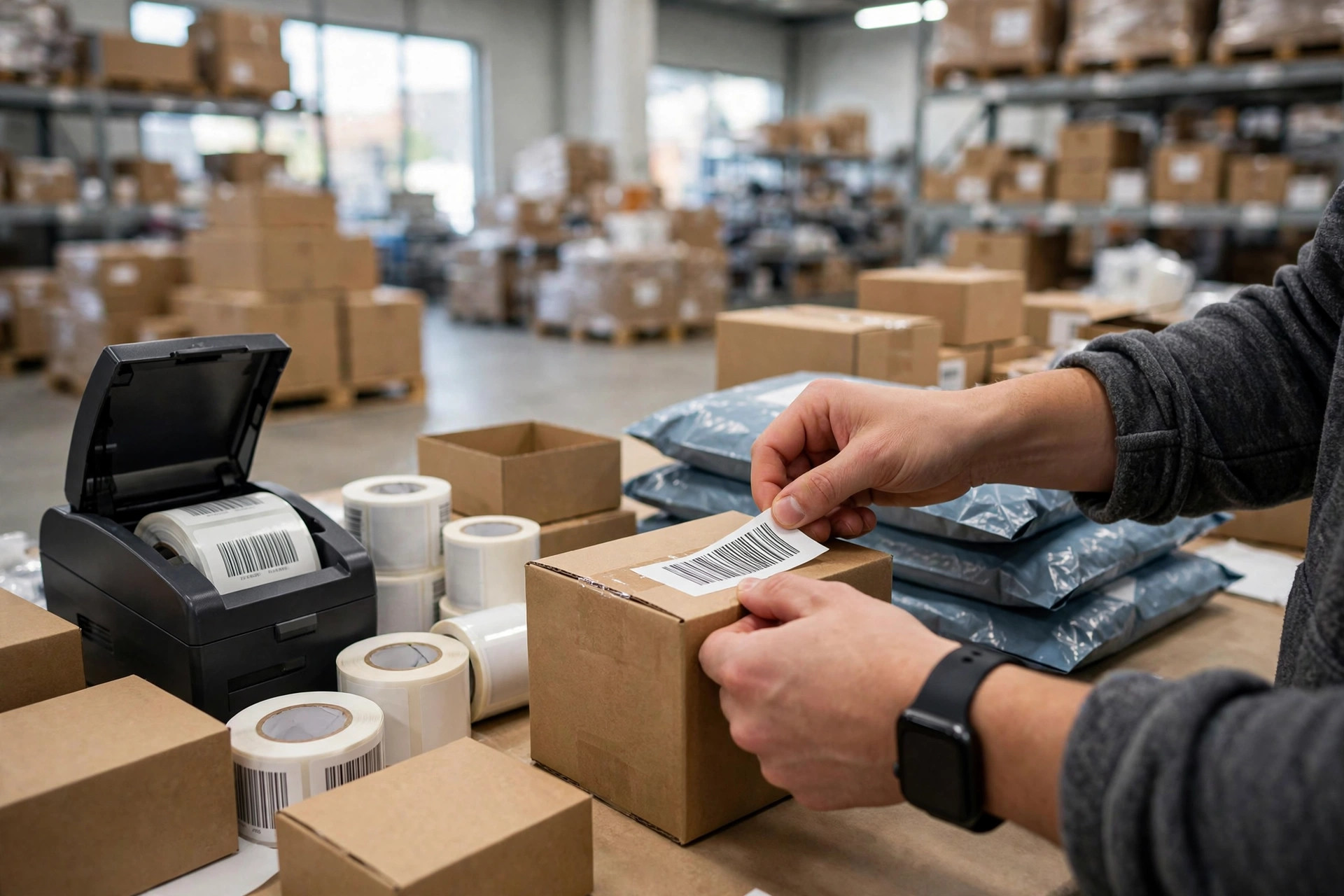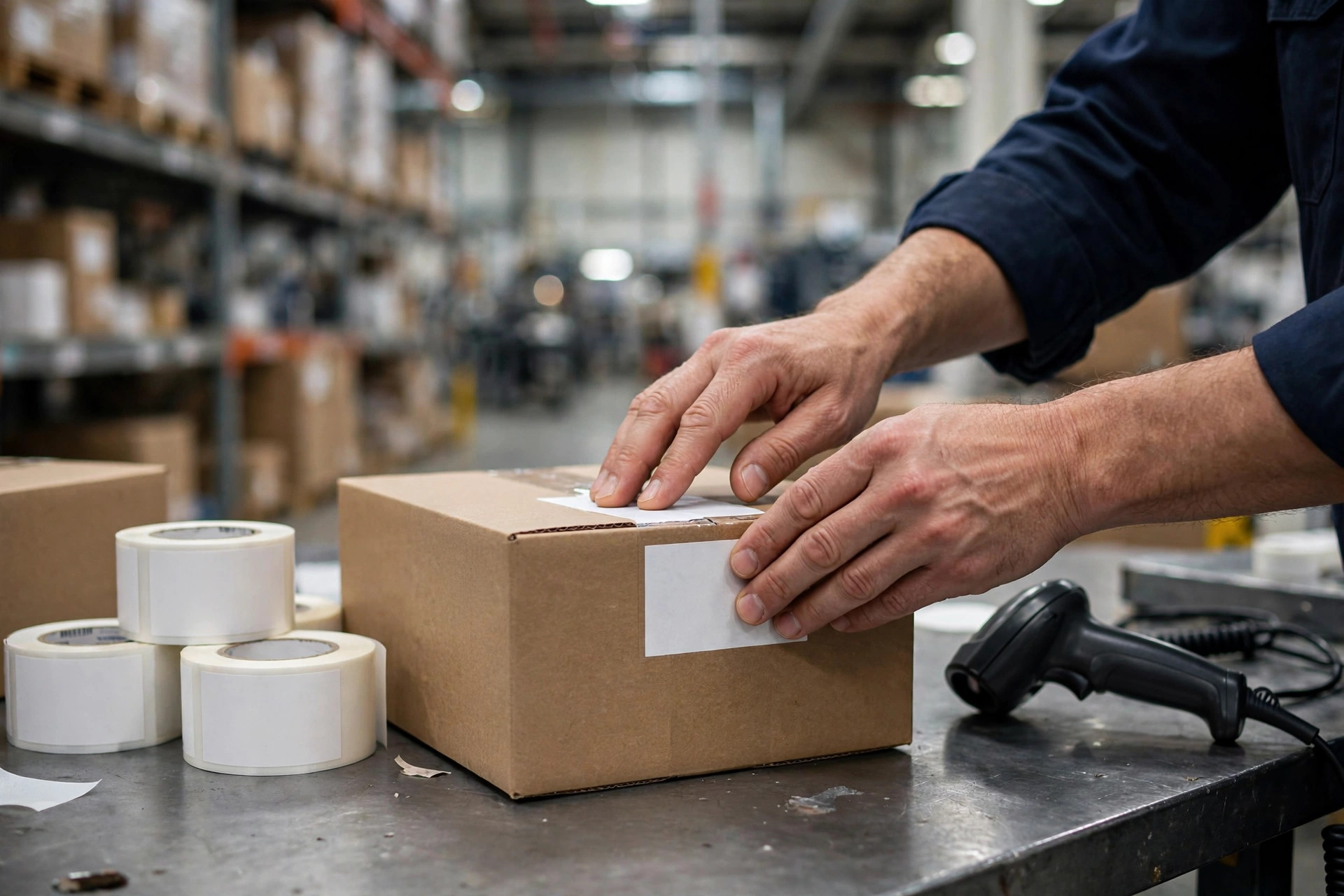
Let me give you the verdict first: of all the customs traps in U.S. importing, country-of-origin marking is the one that burns importers who think they've done everything right. The duty is paid, the paperwork is clean, and then one missing "Made in China" label costs more than the tariff itself. I've seen too many people learn this from a notice they never expected.
First, the Part That Hurts Most: The 10% Is Not a Fine
The rule comes from Section 304 of the Tariff Act of 1930, codified at 19 U.S.C. 1304 and implemented by 19 CFR Part 134. In plain terms: every article of foreign origin imported into the United States must be marked—legibly, indelibly, and permanently, in a conspicuous place—so that the ultimate purchaser can see the English name of the country of origin.
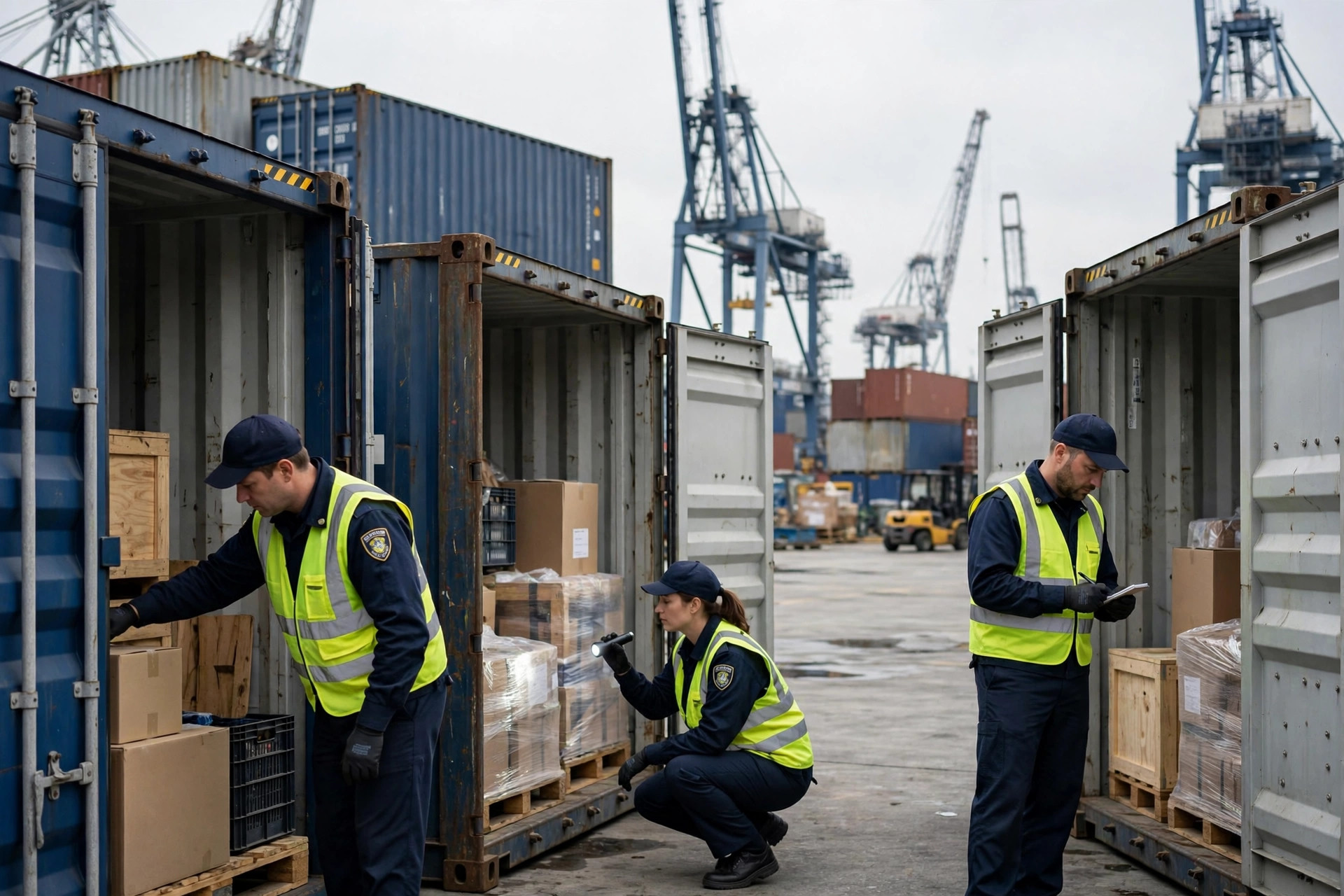
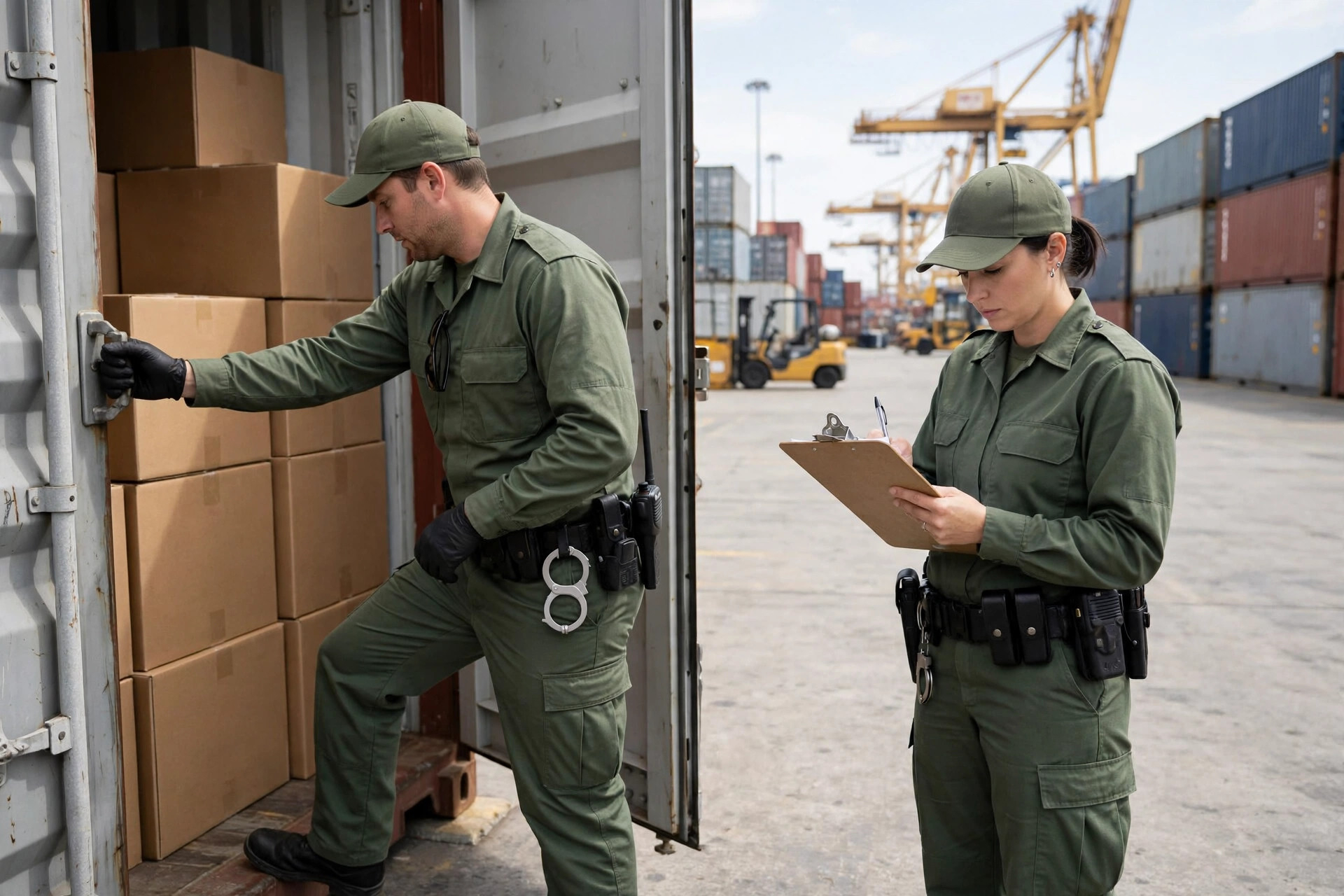
Here's the counterintuitive part most people miss. If CBP finds your goods not legally marked, you get a Notice to Mark or Redeliver on Customs Form 4647. Fix it, and life goes on. But if the goods are not properly marked, exported, or destroyed before the entry liquidates, the law imposes an additional marking duty of 10 percent of the final appraised value. And this is the kicker: the statute says this duty "shall not be construed to be penal, and shall not be remitted." It's not a fine you can fight down or get waived. It's a non-refundable duty, stacked on top of whatever normal duty you already owe. For plenty of product categories where the tariff rate is three to five percent, the marking duty is literally bigger than the tariff. Say that again slowly: the label costs more than the duty.
This cuts both ways. A mark that exists but fails any of the four tests—conspicuous, legible, indelible, permanent—fails just as hard as no mark at all. A label buried where the buyer will never look, type too small to read, ink that rubs off in transit, a sticker that peels: all of them are "not legally marked."
And there's a harsher one: intentionally removing or defacing a country-of-origin mark is a criminal offense—up to $5,000 and a year in prison under the statute. I know you wouldn't do that. But what about your warehouse? During returns rework or re-sorting, has anyone ever peeled off an old label and slapped on a new one with the wrong country? This cuts both ways: compliance is a process problem, but peeling labels is a people problem. Process controls paper; it doesn't control hands. That takes training and spot checks.
The Long Beach Container: The Label Fell Off
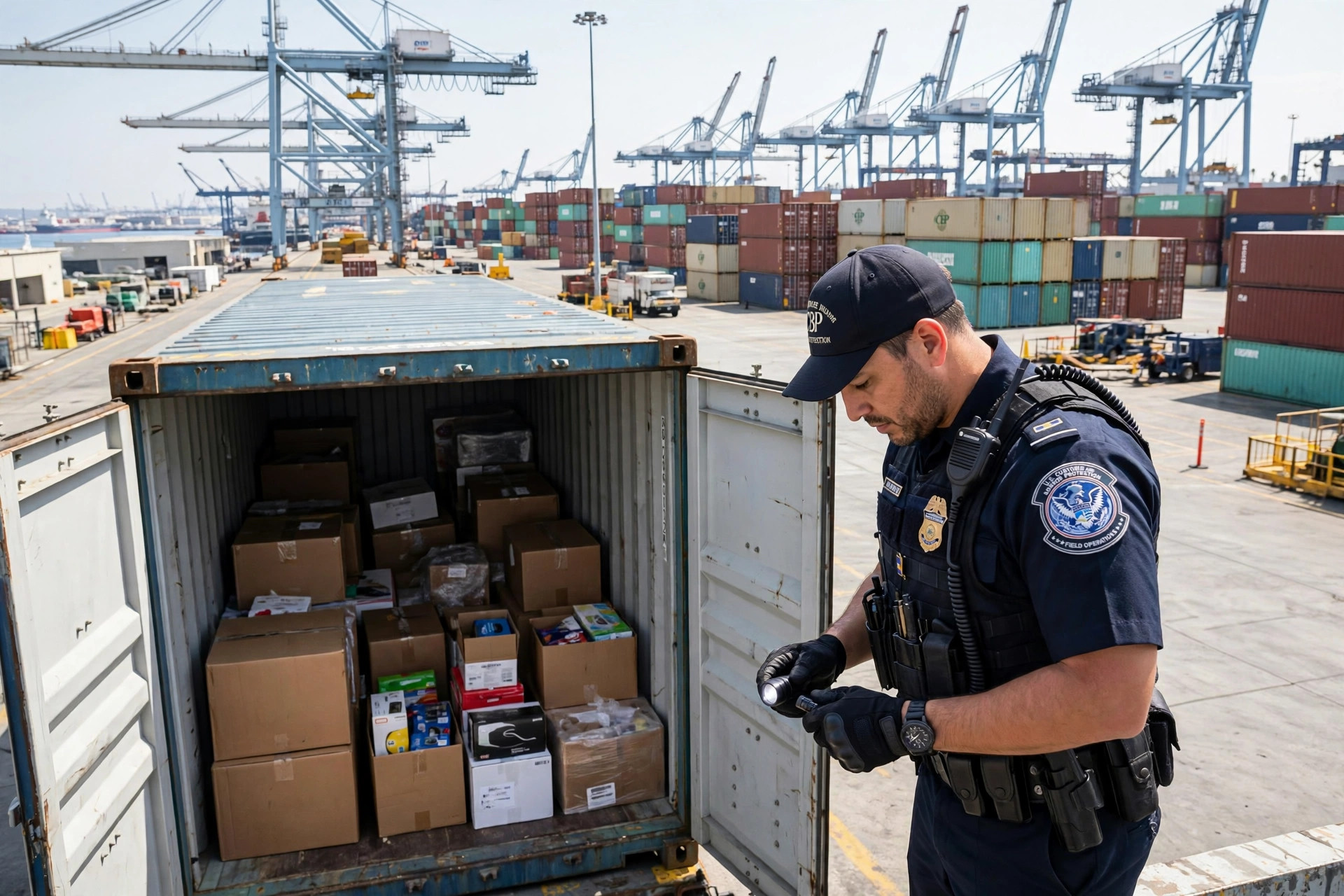
May 2024, a small-appliance importer out of Long Beach. The factory had done everything by the book—except the country-of-origin stickers were cheap thermal-paper labels. Six weeks on the water, humidity in the container, and by the time CBP opened the boxes, half the stickers had curled and fallen off. The goods were unmarked. Exam, hold, and a Form 4647 notice.
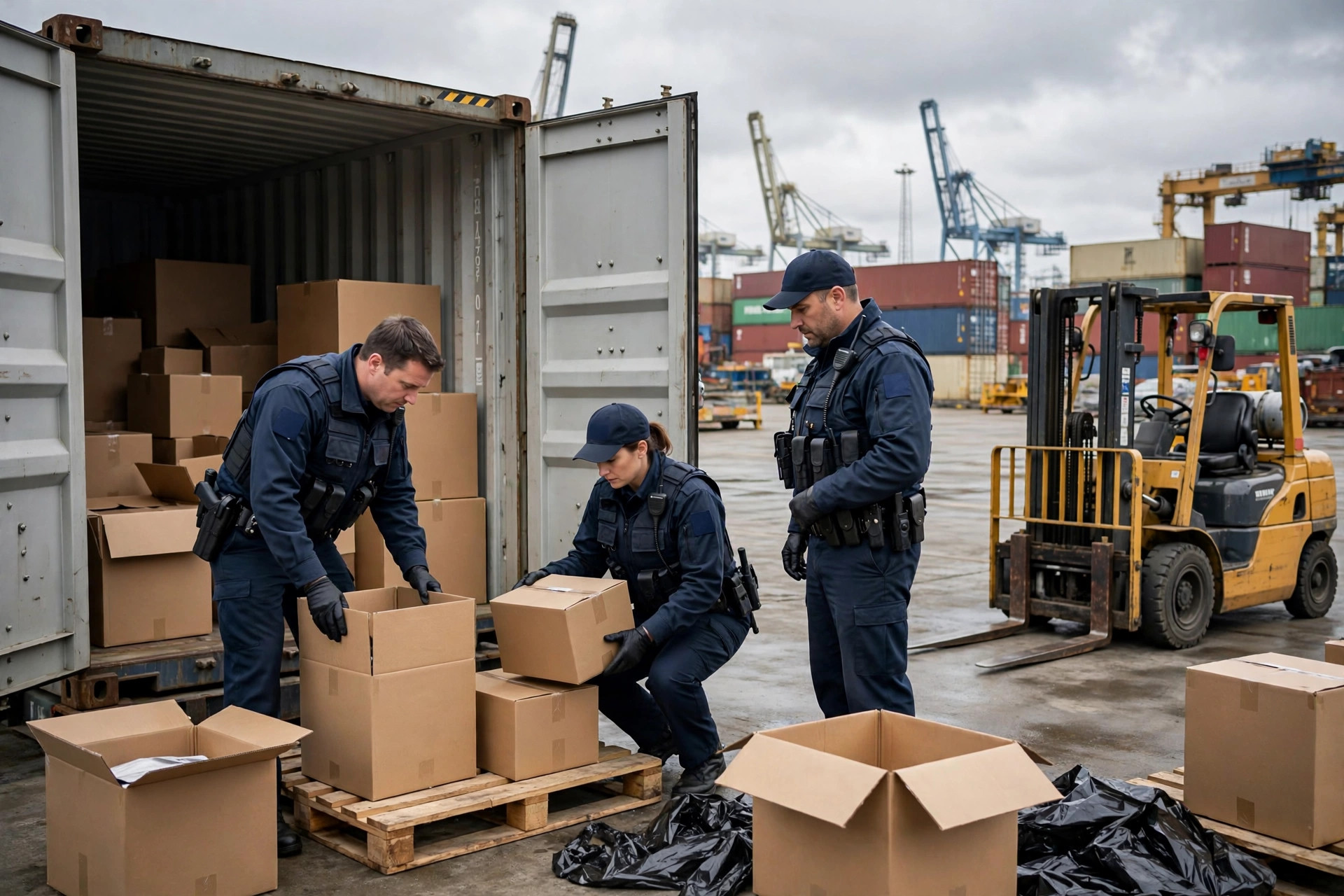
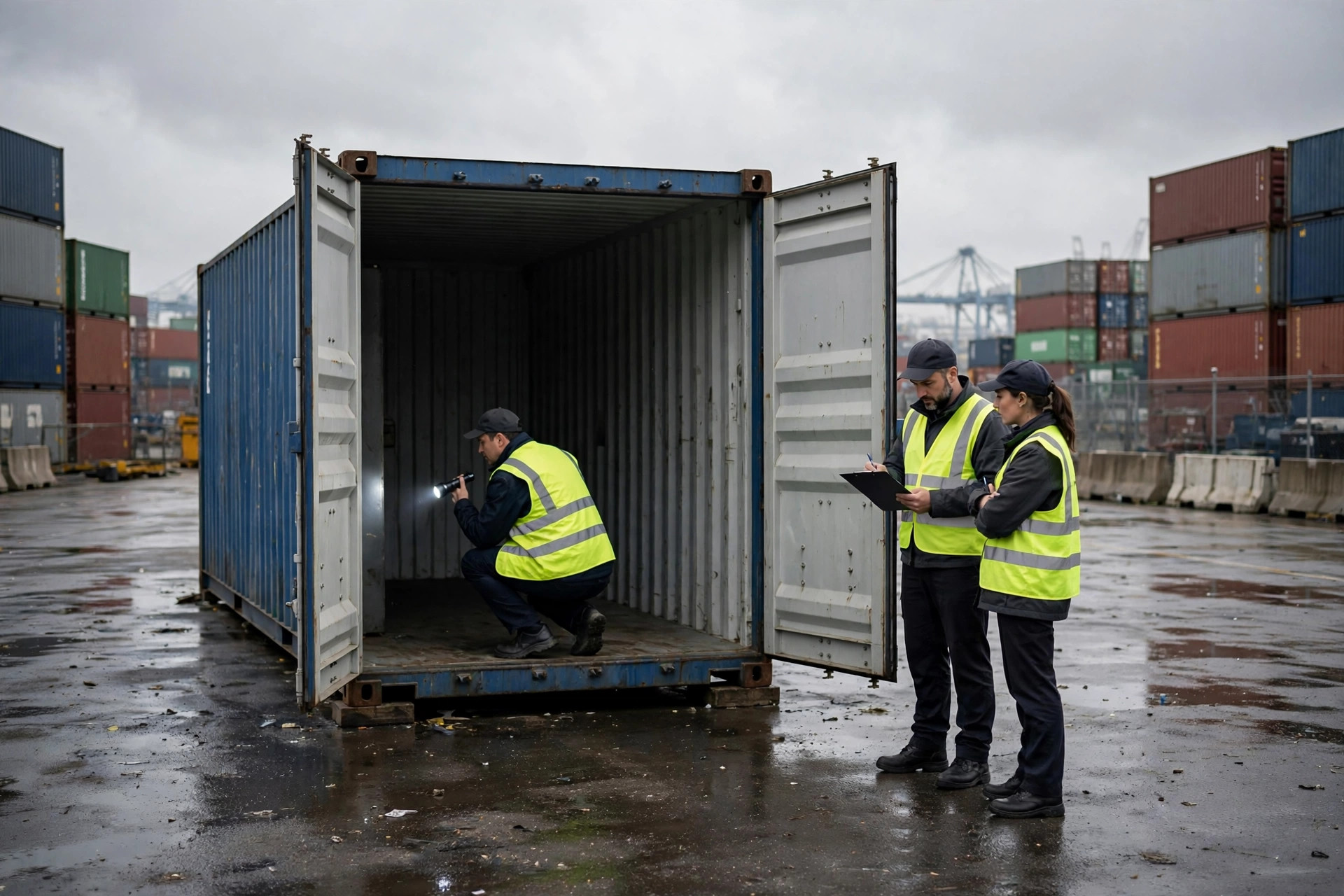
The fix is the expensive part. The containers had to move to a bonded facility, where workers re-labeled every unit under customs supervision—thousands of pieces, by hand, with CBP watching the clock. Twelve days of delay, exam fees, drayage to and from the exam site, and supervised re-marking labor. The re-marking bill alone ran into the thousands. The irony: a proper label at the factory would have cost a few cents a unit.
The most galling part? The importer's warehouse team told me afterward they knew the stickers felt flimsy when the goods arrived at their 3PL. Nobody flagged it. Marking compliance dies in the gap between "the factory's job" and "the warehouse's job"—which is exactly why, in my world, the warehouse owns it. The label goes on in a warehouse somewhere. That's where the battle is won or lost.
The Hong Kong Shipment: The Wrong Country Name
Early 2025, a client importing Bluetooth speakers. The factory was in Hong Kong, so they marked everything "Made in Hong Kong"—which is what the factory had done for years. The problem: after Executive Order 13936, CBP requires goods produced in Hong Kong to be marked as originating in "China" for marking purposes. "Made in Hong Kong" no longer counts as a legal mark.
The shipment got flagged at exam. The importer's choices: re-mark everything as "Made in China," export the goods, or destroy them. They chose re-marking—again under supervision, again thousands of units, again the meter running. The factory owner was furious: "We've always marked it this way!" The rule had changed years earlier; nobody told the factory. Say it plainly: the importer pays for the factory's outdated knowledge.
This is the asymmetry that keeps me up at night. CBP's marking rulings move on; factories don't read the Federal Register. If you're not pushing updates downstream to your suppliers, you're the one financing their education.
The lesson is one line: never let the factory decide what the mark says. The origin wording on your packaging artwork has to be reviewed on your side, against current CBP rulings. The factory makes the product; it doesn't own your compliance. Letting the factory guard your compliance is like handing the steering wheel to the passenger.
The Math: A Few Cents Against Tens of Thousands
Let's do the arithmetic. Marking at the factory—printing the origin into the packaging artwork or applying a decent permanent label—costs a few cents per unit. For a 20,000-unit shipment, call it a few hundred dollars of diligence.
Now the other column. Take a shipment appraised at $200,000. The 10 percent marking duty alone is $20,000—non-refundable, on top of normal duty. Add exam fees, demurrage at a few hundred dollars a day, drayage to a bonded facility, and supervised re-marking labor, and a "label problem" easily lands in the tens of thousands. I've watched importers pay more for the marking failure than they paid in tariff on the entire shipment. The ratio is obscene: a few hundred dollars of prevention against tens of thousands of cure.
My playbook, and I'd make it a warehouse SOP, not a suggestion:
First, the mark has to survive the trip. Spec the label like you spec the product: permanent adhesive, legible type, placed where the ultimate purchaser will actually see it—not on an outer carton that gets thrown away. Second, audit the wording against current CBP rulings before every production run, especially anything involving Hong Kong, and anything where the factory uses abbreviations or local-language shorthand. Third, make the warehouse check it. When goods hit your 3PL, the receiving checklist gets one line: "origin mark present, legible, permanent?" A five-second check that has saved my clients more money than any insurance policy. Fourth, put it in the purchase agreement: factory warrants the marking complies with 19 CFR Part 134, and factory pays for re-marking if it doesn't.
Next time you approve packaging artwork, ask one question: "If this label falls off in the container, who pays?" The answer is you. Act accordingly.
By Lao Mi, Supply Chain Veteran (20 yrs)