If you import four shipments a year, a continuous bond is money down the drain. If you import twelve, buying a single-entry bond every single time is a tax on laziness. Here is the math up front: a continuous bond carries a minimum face value of $50,000 with an annual premium of roughly $450 to $550. A single-entry bond costs about $50 to $100 per shipment. Do the division and you get the break-even point: five shipments a year.
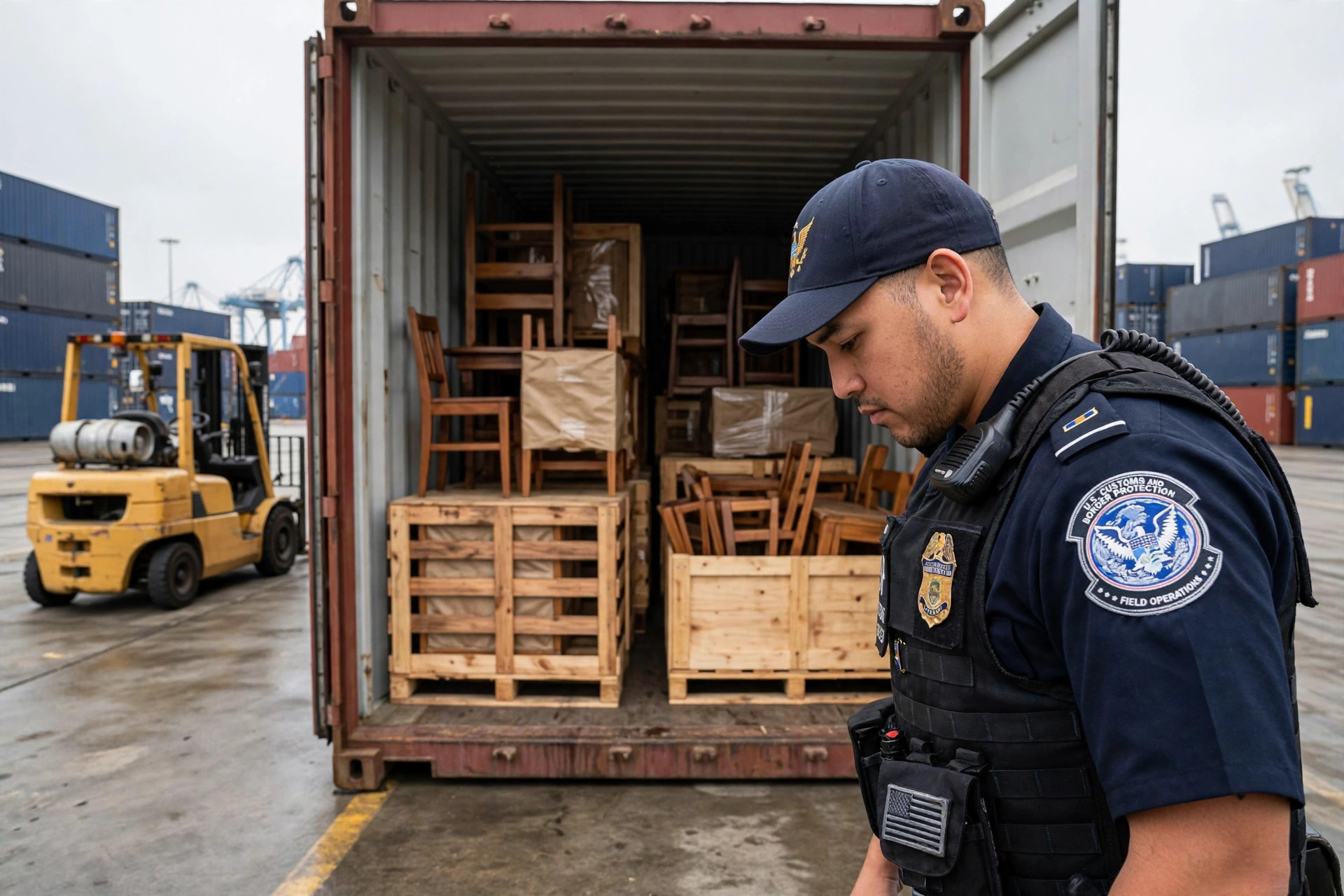
Last year I worked with an outdoor-gear seller on Amazon bringing in eight containers from China annually. For the first five containers, his forwarder bought a single-entry bond each time. His reasoning: "It's only a few dozen dollars a shipment, why bother with the annual one?" When the sixth container hit the Port of Long Beach, I ran the numbers with him: eight shipments at an average of $75 each is $600 — already more than a full year of a continuous bond. Worse, single-entry bonds don't cover the ISF security filing that ocean shipments require, so every container carried an extra ISF handling cost on top. Switching to a continuous bond took one application, and the ISF coverage came bundled in. No more per-shipment paperwork, no matter how many entries or which port. He switched on the spot. That few hundred dollars of difference could have been saved months earlier.
What Are These Bonds Actually Covering?
Let me clear up the most common misunderstanding first: a bond is not money you hand to Customs. It's a three-party contract — you the importer, the surety company, and CBP. The surety promises Customs that if you fail to pay your duties, taxes, and fees, it will. That's why a bond has two numbers: the face value (the maximum the surety guarantees) and the premium (what you actually pay). A "$50,000 bond" means $50,000 of coverage, not a $50,000 check. I've met plenty of first-time importers who didn't know the difference when they signed.
CBP sets the continuous bond amount with a published formula: 10% of the total duties, taxes, and fees you actually paid over the previous 12 months, with a $50,000 floor — whichever is higher. Bond amounts step up in $10,000 increments, and in $100,000 increments once you pass $100,000 of coverage. Example: if you paid $820,000 in duties last year, your bond amount is $90,000. Brand-new importers with no history simply take the $50,000 minimum.
A single-entry bond works differently: its amount is generally no less than the entered value of that shipment plus its duties, taxes, and fees. If the merchandise is regulated by another federal agency or classified as restricted, the floor jumps to three times the entered value. In short: a single-entry bond scales with this shipment; a continuous bond scales with your last twelve months of importing.
One more line you need to know: commercial merchandise valued over $2,500 requires a bond. That's a hard CBP threshold, not a suggestion.
Which One Pays Off? Count Your Shipments First
Count the full cost. A continuous bond runs $450 to $550 a year at the $50,000 minimum (that's the going range from licensed brokers and sureties — get your own quote before you commit), and the premium climbs as the bond amount rises. A single-entry bond on, say, a $10,000 bond amount costs $50 to $100 per shipment, and higher-value shipments mean higher bond amounts and higher per-shipment premiums.
The conclusion writes itself: four or fewer shipments a year, single-entry wins. Five or six, it's a wash. More than five, the continuous bond wins outright. For high-value importers the break-even point arrives even sooner, because single-entry premiums scale with the bond amount — one $80,000 shipment can cost you half a year's continuous premium in a single bond.
Ocean freight has a hidden variable: the ISF. Ocean imports require an Importer Security Filing with CBP at least 24 hours before the vessel loads at the foreign port, and that filing needs its own bond security. A continuous bond includes ISF coverage as a rider — nothing extra to buy. A single-entry bond doesn't, so you're buying a separate ISF single-transaction bond ($10,000 face value) or arranging a unified filing, per shipment, with its own fee. For ocean importers my advice is more aggressive: four containers a year is enough to justify going continuous.
When does single-entry make sense? One or two trial shipments a year, small test batches while you validate a product, or a brand-new company that doesn't know its import cadence yet. Run single-entry bonds while you ramp up, then switch. A continuous bond can be purchased any time — there's no window you'll miss.
One group needs special attention: high-volume importers. Section 301 tariffs have pushed duties up on a lot of product categories over the past few years, and when your trailing-twelve-month duty total rises, your continuous bond amount has to rise with it. CBP reviews sufficiency against the 10% formula, and an insufficient bond gets flagged for an increase. If your volume has doubled since you bought that $50,000 bond three years ago and the amount never moved, fix it before CBP comes asking.
What Are the Traps Nobody Warns You About?
Trap one: confusing face value with premium. I covered this above, but I still meet newcomers every year asking whether they need $50,000 in cash to get bonded. One question to your broker settles it: "Is that the bond amount or the premium — what's my total out-of-pocket for the year?" That eliminates half the confusion in this business.
Trap two: single-entry bonds and the forgotten ISF. Ocean container comes in on a single-entry bond, nobody mentions that the ISF needs separate security, and CBP can fine up to $5,000 per ISF violation. One penalty notice costs more than a decade of continuous bond premiums. This is the single most expensive mistake a single-entry bond user can make.
Trap three: buying a continuous bond and forgetting it exists. It's valid for one year and must be renewed. A company name change or a new EIN means reissuing. I've seen importers let the renewal lapse, discover they had no valid bond when the cargo was already at the port, and watch demurrage pile up while the broker rushed a replacement at expedited rates. Put the renewal date in your calendar. It costs nothing and saves everything.
Trap four: the middleman markup. Some forwarders don't break out the bond premium — they bury it in a lump "customs clearance miscellaneous" line and charge you $150 for a single-entry bond that cost them $60. The bond itself is cheap; the information gap is expensive. Ask directly: "What's the premium, what's the face value?" If the answer comes back vague, you know where the margin is hiding.
One reminder: bond amounts and premiums shift over time, and quotes vary between brokers and sureties. Every figure above is a range I cross-checked against published materials from licensed customs brokers — confirm the latest numbers with your broker and current CBP guidance before you sign anything.
Bottom line: count the shipments you're planning over the next twelve months. Four or fewer — go single-entry. Five or more — buy the continuous bond and stop thinking about it. Spend the savings and the headspace on selling your product.