Let me be blunt up front: my warehouse cannot afford to burn money like that. We run a small 3,000-square-meter operation, and every dollar that goes out has to find its way back, or we are in trouble. That is exactly why I have become obsessed with cold storage automation — not because I want to buy the fanciest system on the market, but because small operators understand better than anyone what happens when an investment does not pay back.
Last November I visited a friend who runs an older frozen-food warehouse in Hebei. He showed me a row of shiny new equipment and laughed the kind of laugh you only laugh when the joke is on you. He had done the whole retrofit in one go, and years later the money was still sitting on the books. During peak season, the real bottleneck turned out not to be the robots at all — it was a dock door that never quite sealed and inventory numbers nobody trusted. The danger for an old cold warehouse is not being behind. It is trying to catch up all at once.
Our small-warehouse problem looks familiar here
Our own situation is embarrassingly simple. In peak season we never have enough hands; in slow season we cannot afford extra people. I have drooled over big warehouses with conveyors and robots, same as anyone — then I did the math and sobered up fast. Big-warehouse equipment is priced against big-warehouse volume, and spread across our order volume, the cost per order went up, not down. That is the outsider's lens here: do not start by asking how cool the equipment looks. Ask whether your volume can carry it.
My friend's frozen-food warehouse is the cautionary tale. His old site ran on paper slips and the memory of veteran pickers. Pickers found stock by experience, which worked fine until summer peak hit and mis-picks and search time piled up together. He faced two choices: fix the most painful thing first, or rebuild everything at once. He picked the big rebuild. While construction went on, half his locations were unusable, so he rented refrigerated trucks as overflow space. By his own telling, that rental bill alone ate more than the labor savings of his first year. Here is the line nobody puts on a quote: while you retrofit, you still have to ship. Downtime is a cost too.
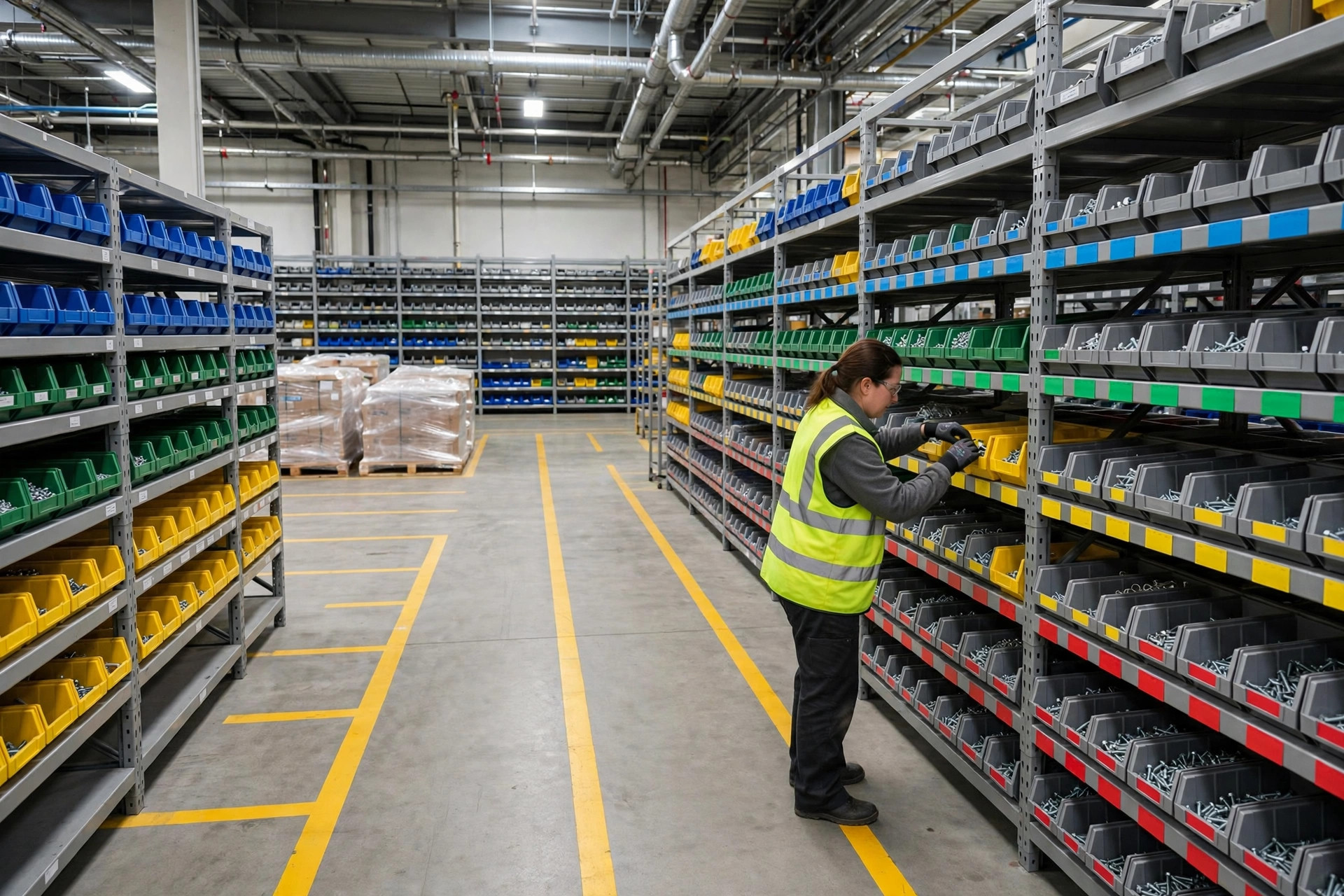
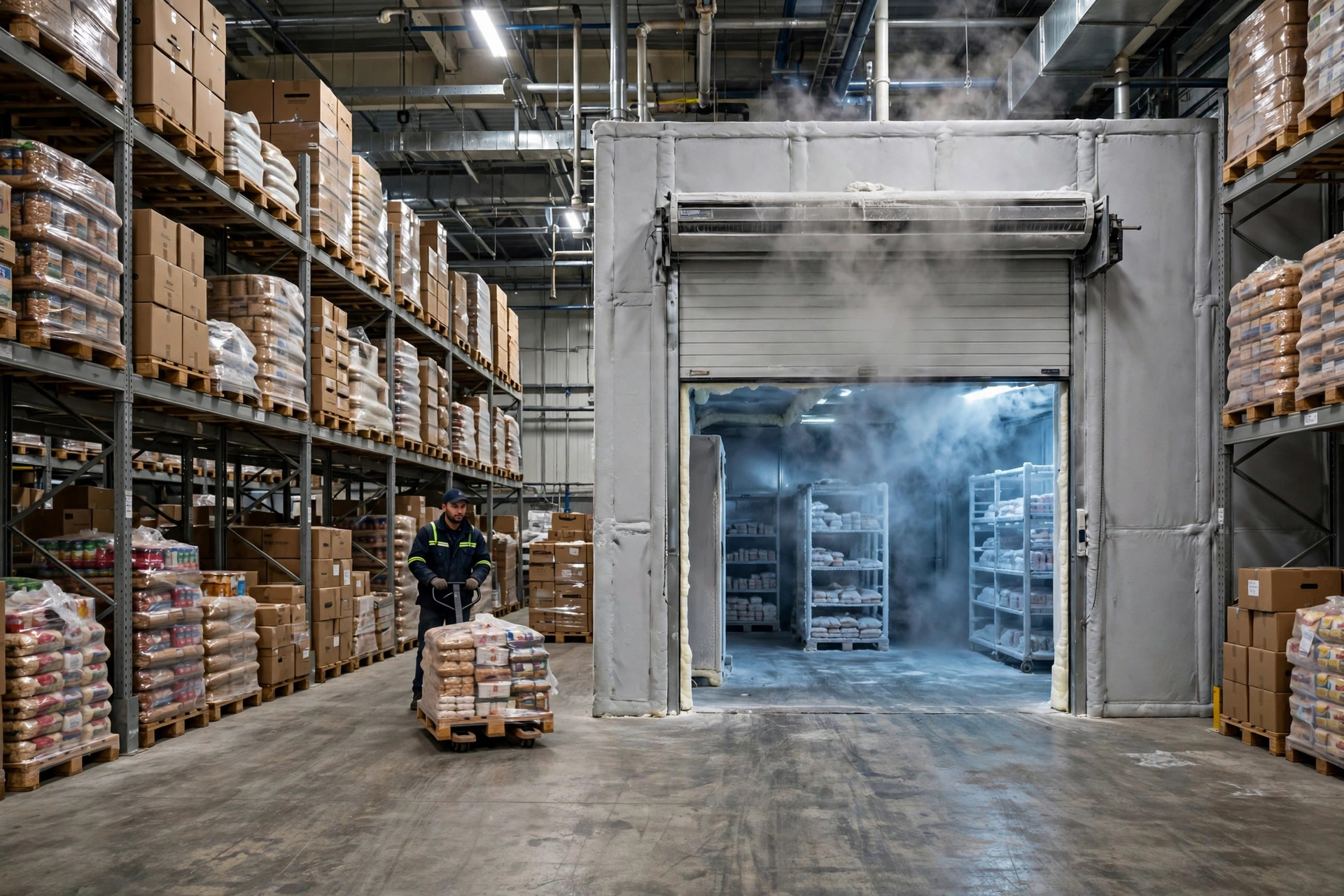
Our small warehouse taught me the cheap lesson that turned out to be the valuable one. With no budget for a big system, we just got the basics right: clear location labels, barcode scanning at receiving and shipping, and pick paths re-planned around actual volume. Search time dropped right away. The first thing an old warehouse needs to automate may not be moving boxes. It may be knowing things: where stock is, how much is left, and whether first-in-first-out is actually happening. Automating on top of bad information just means making mistakes faster.
I will also admit what I do not know. Low temperatures change everything about equipment, batteries, and how people work, and a plan copied from a room-temperature warehouse will bite you. For the low-temperature side, read this piece on low-temperature challenges and how to handle them — it covers that ground far better than I can. This article is about how an existing warehouse spends money in stages, and whether each stage earned its keep.
Cold Storage Automation Phase One: Fix Information and Leaks First
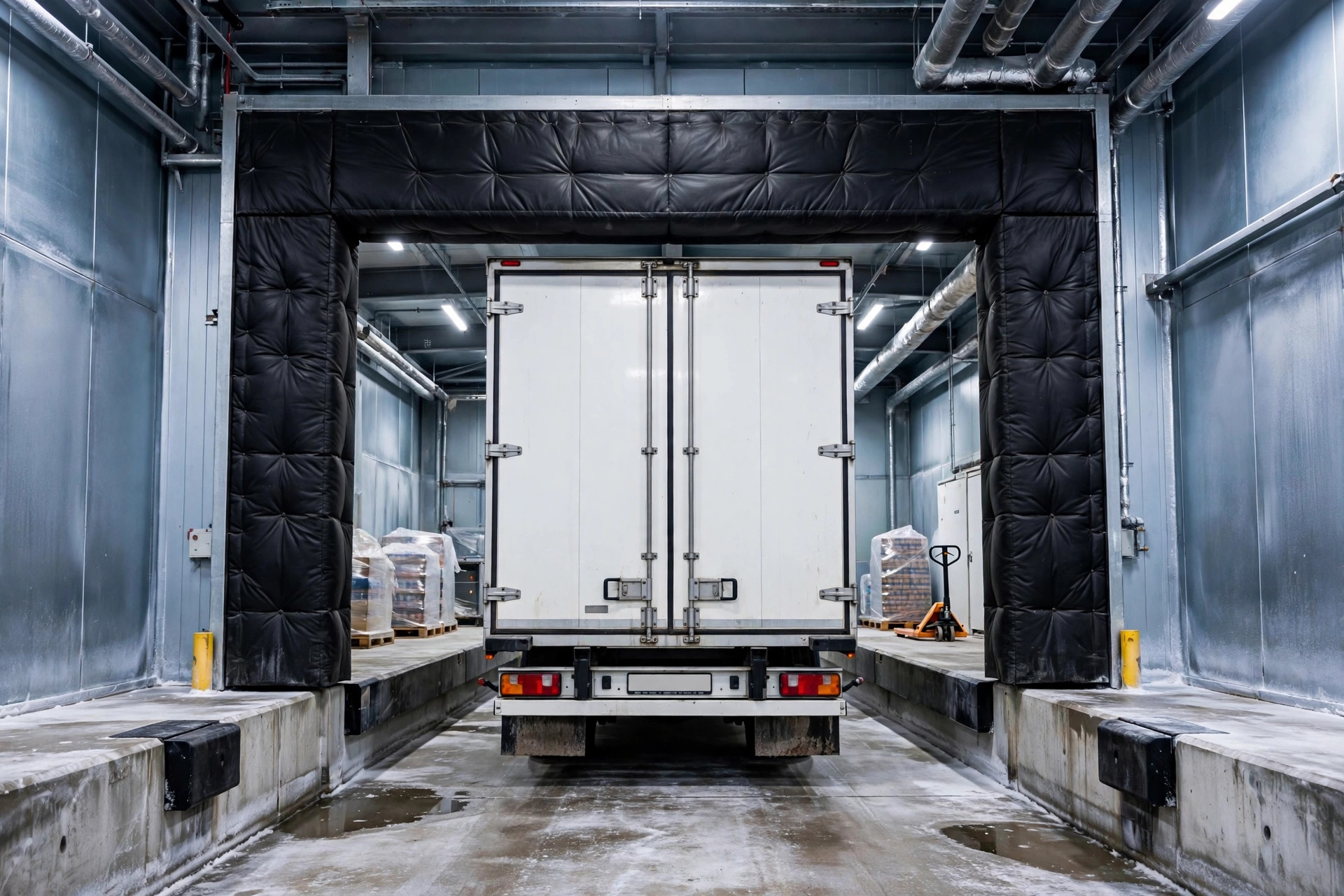
Phase one, in my playbook, is deliberately boring: get the information right, then plug the leaks. Information means giving every location and pallet a reliable identity — scan it in, verify it out, count against system numbers instead of memory. Leaks means checking dock door seals, air curtains, and travel paths. A door that does not seal bleeds cold air all day, straight onto the power bill, and a winding path means forklifts drive extra meters on every trip.
The beauty of phase one is that it is cheap, pays back quickly, and does not require shutting the warehouse down. The downside is that it photographs terribly — nobody posts a picture of a door seal and gets likes. Do the math this way: payback months equal upfront investment divided by net monthly savings. For the denominator, do not count labor alone. Count mis-shipments, rework, overtime, and peak-season temp workers. Many retrofits look slow to pay back only because the savings side forgot the messy costs nobody tracks.
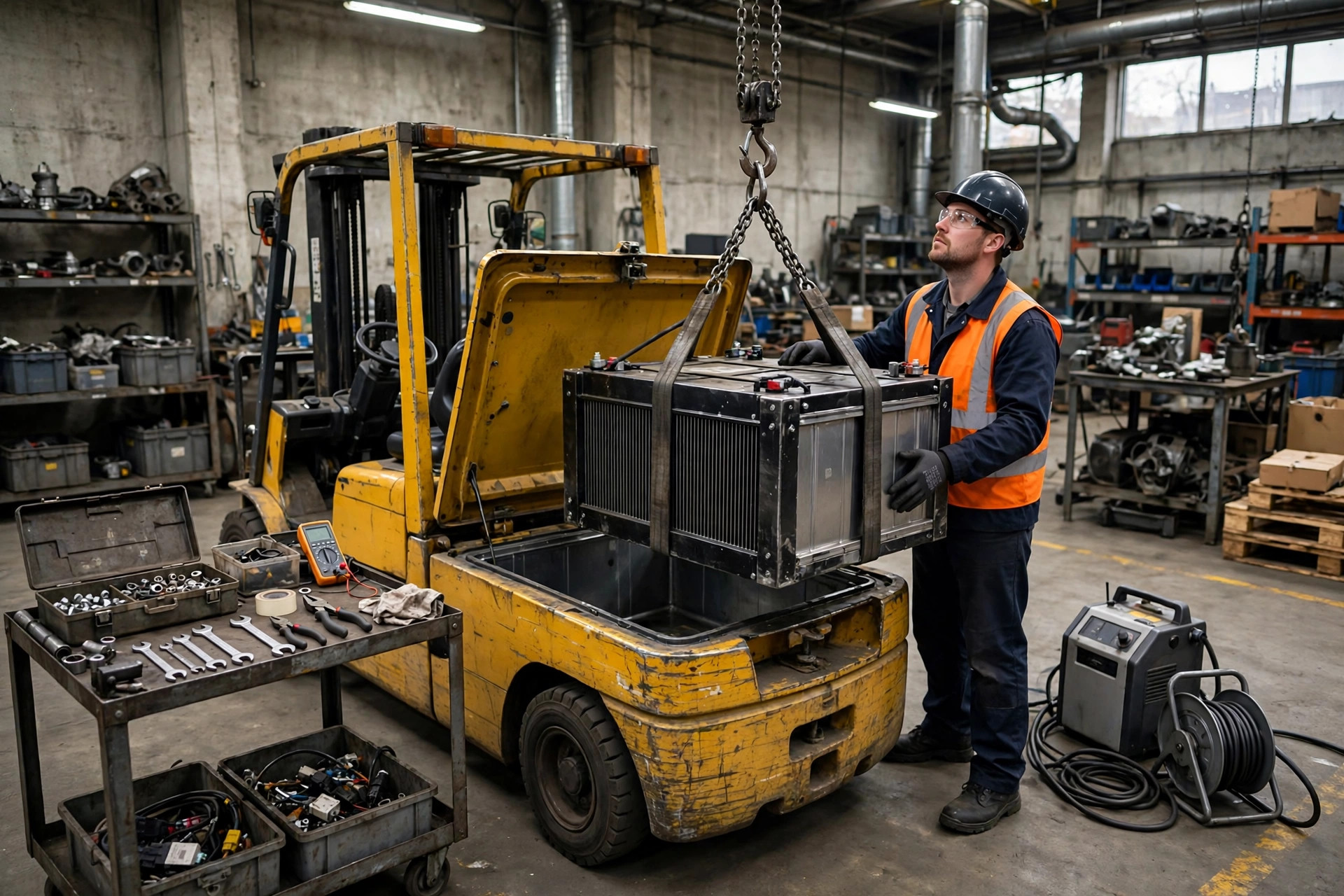
Here is the counterintuitive part: fewer people in a cold warehouse does not automatically mean lower cost. Full automation in freezing conditions demands extremely reliable equipment and a maintenance crew that can keep up. An hour of unfixable downtime can cost more than the labor saved. So keep people on judgment, systems on recording. People plus systems — that is the cheap way to do this right.
Cold Storage Automation Phase Two: Fix Only the Worst Bottleneck
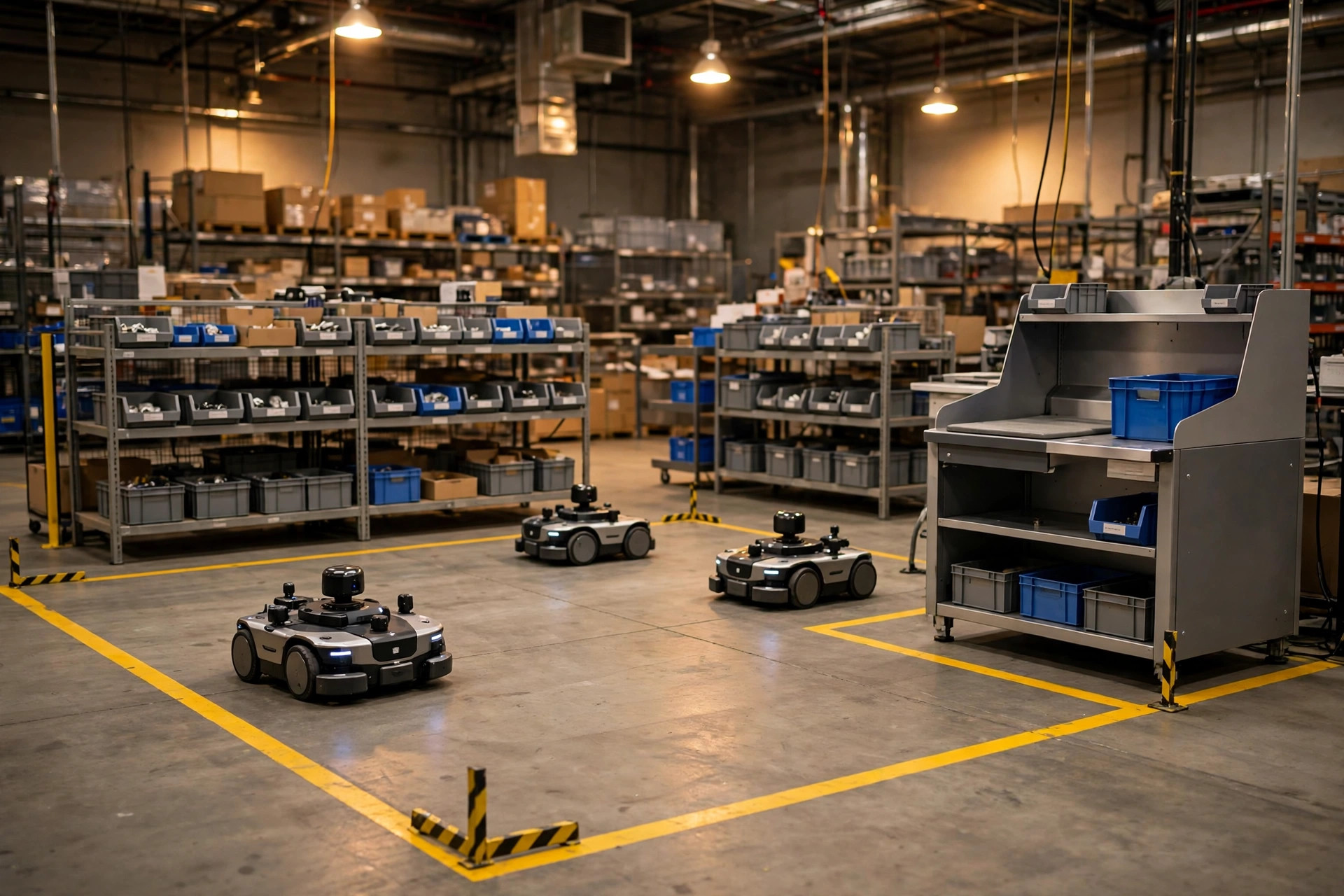
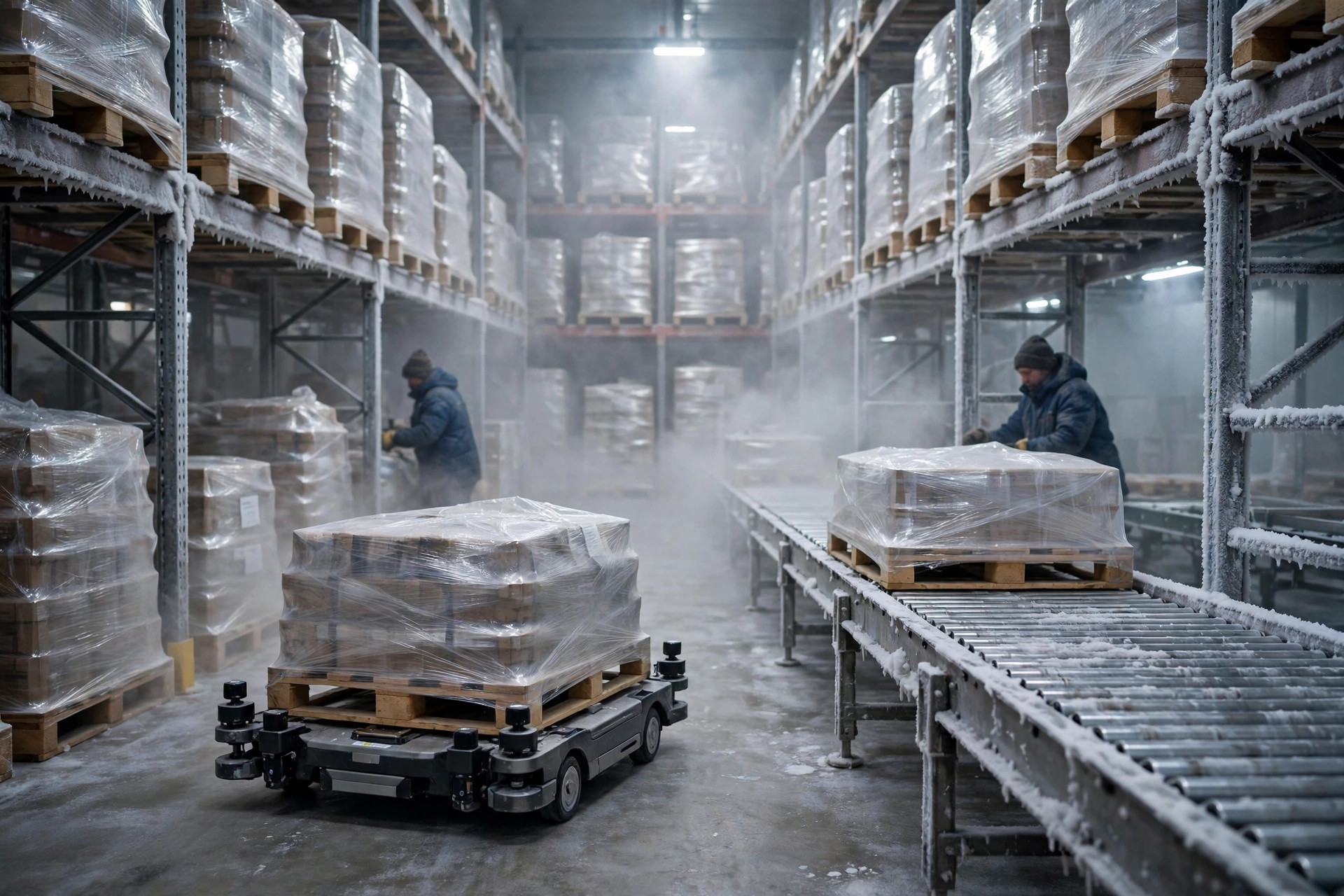
Phase two is about moving goods, but only at the single worst bottleneck. Walk the floor for a day: where is the queue longest, the overtime heaviest, the errors most concentrated? Fix that stretch and nothing else — inbound palletizing, outbound sorting, or the dock-to-cold-room handoff. Fixing one stretch means construction can be staggered, workers learn one change at a time, and if something goes wrong, the blast radius is small.
I saw this work at an ice cream wholesaler in a neighboring industrial park. Their peak is summer; the rest of the year volume is modest, and every summer their outbound dock jammed up. Instead of a full rebuild, they added a short conveyor section and barcode verification at outbound only. The next peak, the dock queue visibly shortened and mis-shipments dropped — and because the money went in before peak season, they could see on the books by summer's end whether it had paid off, instead of waiting three years to find out what they had bought.
Phase two has a scrappy trick too: ask about used or leased equipment first. Some gear coming off another warehouse's upgrade is still in good shape and fine for a non-core stretch. Just check core components and after-sales support, and judge any secondhand unit against the manufacturer's specifications, not the seller's enthusiasm. You do not want an orphan machine nobody can repair. Skip the prestige, protect the cash flow.
| Phase | Do first | Money goes to | Payback judged by |
|---|---|---|---|
| Phase one | Information and leaks | Scanning, location cleanup, doors and travel paths | Fewer mis-picks, less search time, fewer leaks |
| Phase two | Worst bottleneck only | Conveyor, sorting, or verification at one stretch | Less waiting and overtime at that bottleneck |
| Phase three | Full-line automation | High-bay storage, robots, system integration | Cost per order and peak capacity across the whole site |
Do Not Talk About Full Automation Until the First Two Phases Pay
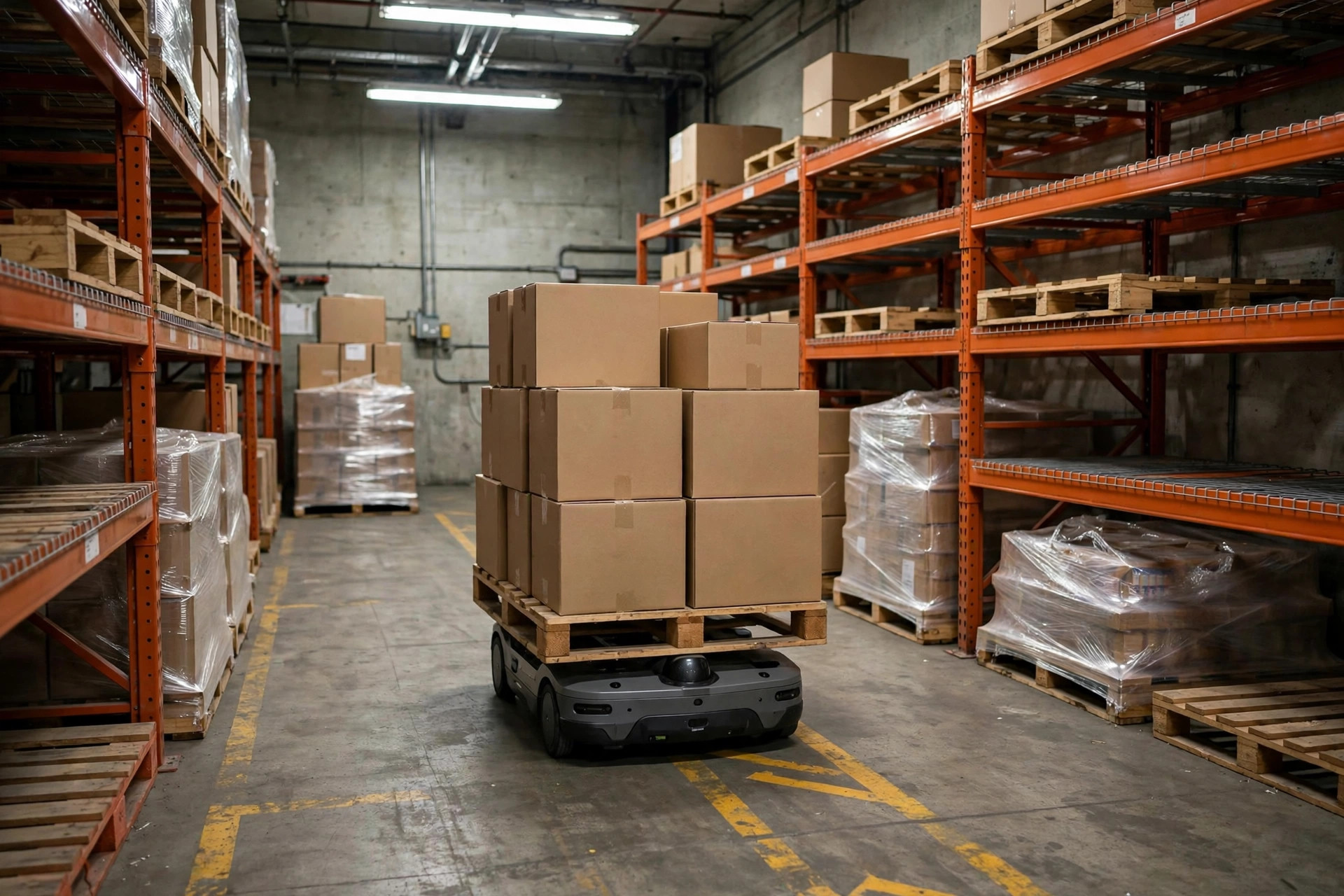
Phase three is the one everyone pictures: high-bay storage, robots, everything integrated. My rule is simple — it only starts when two conditions are met. First, the first two phases have proven themselves on paper, with real savings and data. Second, volume is stable enough that you genuinely cannot take more orders without automation, not just that competitors have it and you feel left out. If either condition is missing, delay phase three. Delaying is not cowardice. It is cash-flow management.
The trade-off in phase three is the harshest one. The more automated you are, the more you depend on stable volume. A warehouse whose volume swings wildly can find full automation turning into a burden: idle equipment still depreciates in slow season, and a rigid system can be less flexible than people when volume spikes. That runs against a lot of vendor marketing, but any small operator gets it instantly. Once fixed costs go up, slow season becomes a rope around your neck.
So here is the framework I would use before signing anything. Calculate three numbers: total investment (equipment, construction, downtime losses, and training — not just the equipment quote); net monthly savings (labor, errors, energy, and overtime, including the messy costs nobody tracks); and a risk reserve (where the money comes from if the project runs late or costs more to maintain than expected). Then compute the payback line: total investment divided by net monthly savings, in months. If that number makes your stomach drop, cut phase three, or split phase two smaller. A retrofit can afford to be slow. It cannot afford to depend on luck.
Small warehouses have their own way of surviving, and old cold warehouses do too: do not rebuild everything at once, do not buy the full package to keep up appearances, and make every phase prove itself before you pay for the next one. It sounds unglamorous. On the books, it protects you most.
By Xiao Ma, Small Warehouse Owner