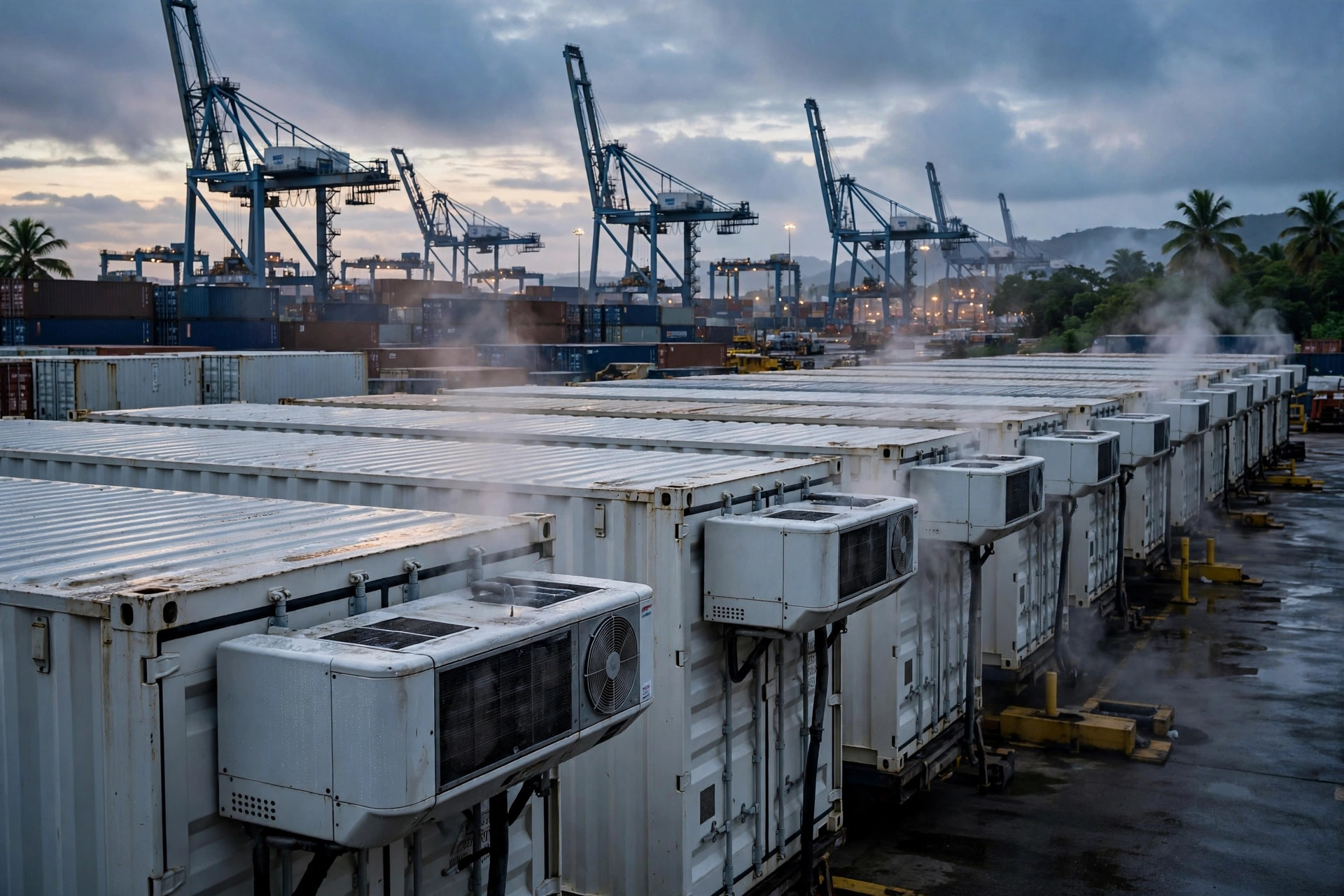
Last month I paid tuition on temperature logger selection, and it wasn't cheap. A container of Ecuadorian white shrimp landed at the Port of Long Beach, and the buyer claimed the arrival temperature was off. I pulled out my logger data. They glanced at it and said: we don't recognize this logger.
A gadget that costs tens of dollars turned out to have zero standing as evidence when it mattered.
The Day My Logger "Didn't Count"
To be clear, I hadn't skipped my homework. When I bought loggers, I went for the cheapest single-use USB kind — tens of dollars apiece, one tossed into each carton, cost basically rounding error. My logic was simple: some data beats no data.
Naive.
The buyer hit me with three objections, each one landing exactly where it hurt. First, my logger claimed ±0.5°C accuracy — note, that's a common spec; always check the actual datasheet — but they asked: does this thing have a calibration certificate? It didn't. Second, the data was offline; you only get it by plugging the USB into a computer, so they asked: who proves nobody altered it in between? Third, and this was the killer, my temperature curve had a gap two hours before the container was opened — the logger had rebooted itself in the cold at the freezer door and lost a chunk of data.
Put together, my data was worthless at the negotiating table. Worse, they pulled out their own 4G cloud logger data on the spot — complete curve, timestamps airtight. Their data counted as evidence; mine counted as a joke. That's when the real math hit me: the few hundred I saved on the logger turned into tens of thousands in concessions at the table. Worst trade I ever made.
I ended up eating part of that claim. I won't mention the amount. It still hurts.
After that, I relearned temperature logger selection from scratch. Here's the conclusion, so you don't have to pay the same tuition.
Three Tiers of Temperature Loggers: What's Actually Different
There are three mainstream tiers. Ranked by my real experience:
Tier 1: Single-use USB loggers, tens of dollars. Plug in, it records; at destination you plug into a computer and export the report. One advantage: cheap. A pile of disadvantages: offline data whose authenticity can be challenged in a claim; batteries that die and reboot in freezing temperatures, losing data; and usually no calibration certificate.
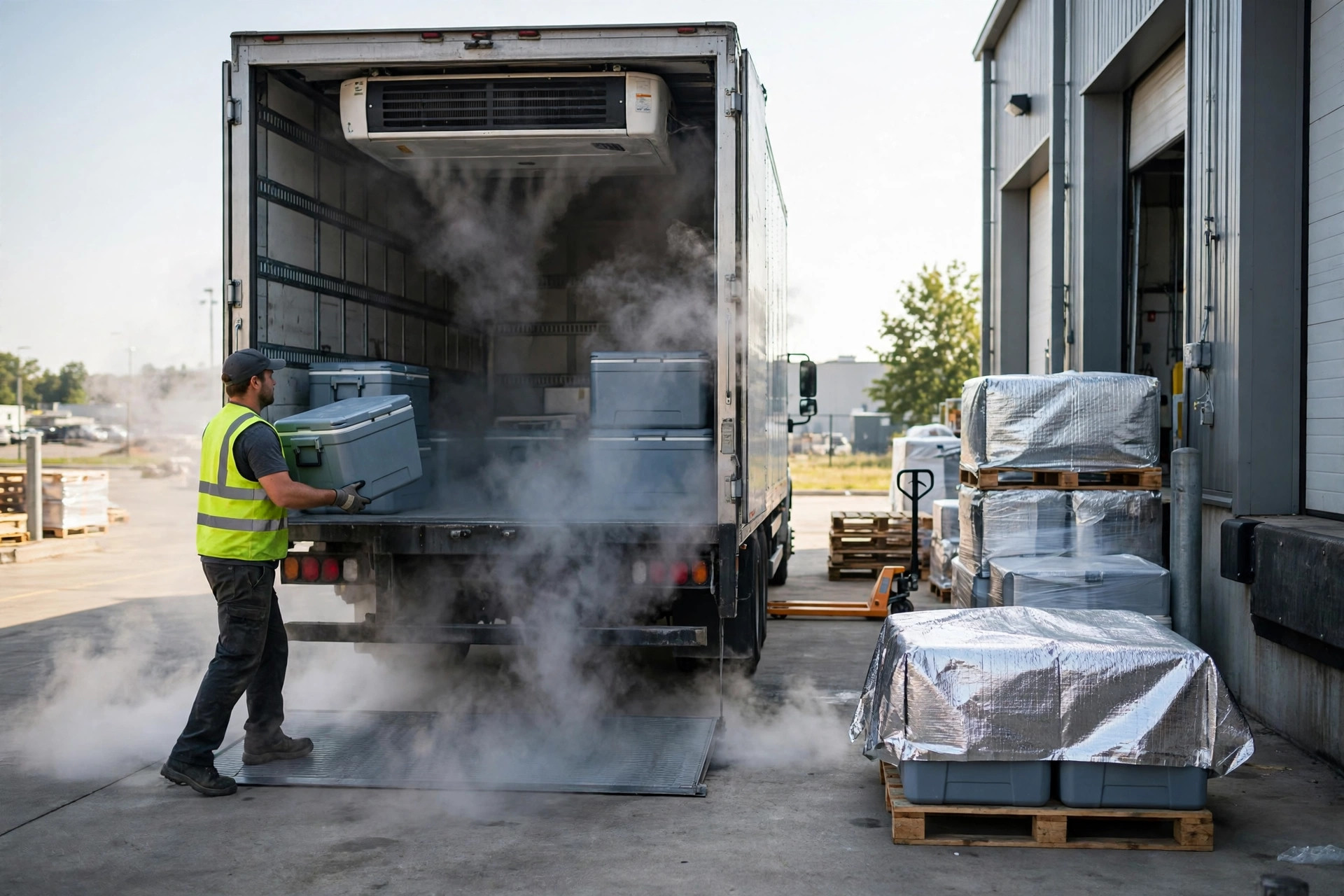
Tier 2: Bluetooth real-time loggers, a hundred or two. Your phone reads the data when nearby — no waiting until arrival. This tier saved me once: last year a batch of salmon was being unloaded at a Los Angeles warehouse, I scanned with my phone and saw an obvious temperature spike mid-transit on the curve. I rejected the whole shipment on the spot and sent it for third-party inspection. Turned out the reefer's cooling unit had died for two hours en route. If I hadn't seen it live over Bluetooth, that fish would have gone straight into my inventory, and the loss would have been far worse.
Tier 3: 4G cloud loggers, a few hundred dollars. Data uploads to the cloud in real time with timestamps — tamper-proof. In claim negotiations, the other side's attitude completely changes when they see raw cloud data, because faking it is prohibitively expensive.
Too much text? Here's the whole thing in one table:
| Single-use USB | Bluetooth real-time | 4G cloud | |
|---|---|---|---|
| Price | Tens of dollars | One or two hundred | A few hundred |
| Accuracy | ±0.5°C typical; datasheet rules | Same | Same |
| Battery | Single use, toss after | Rechargeable; typically lasts one or two voyages | Rechargeable; real-time upload drains fastest |
| Data export | Plug into computer at destination | Read via phone nearby | Cloud, real-time, timestamped |
| Strength as claim evidence | Weak: offline data can be challenged | Medium: visible in real time, grounds to reject | Strong: raw cloud data, hard to tamper |
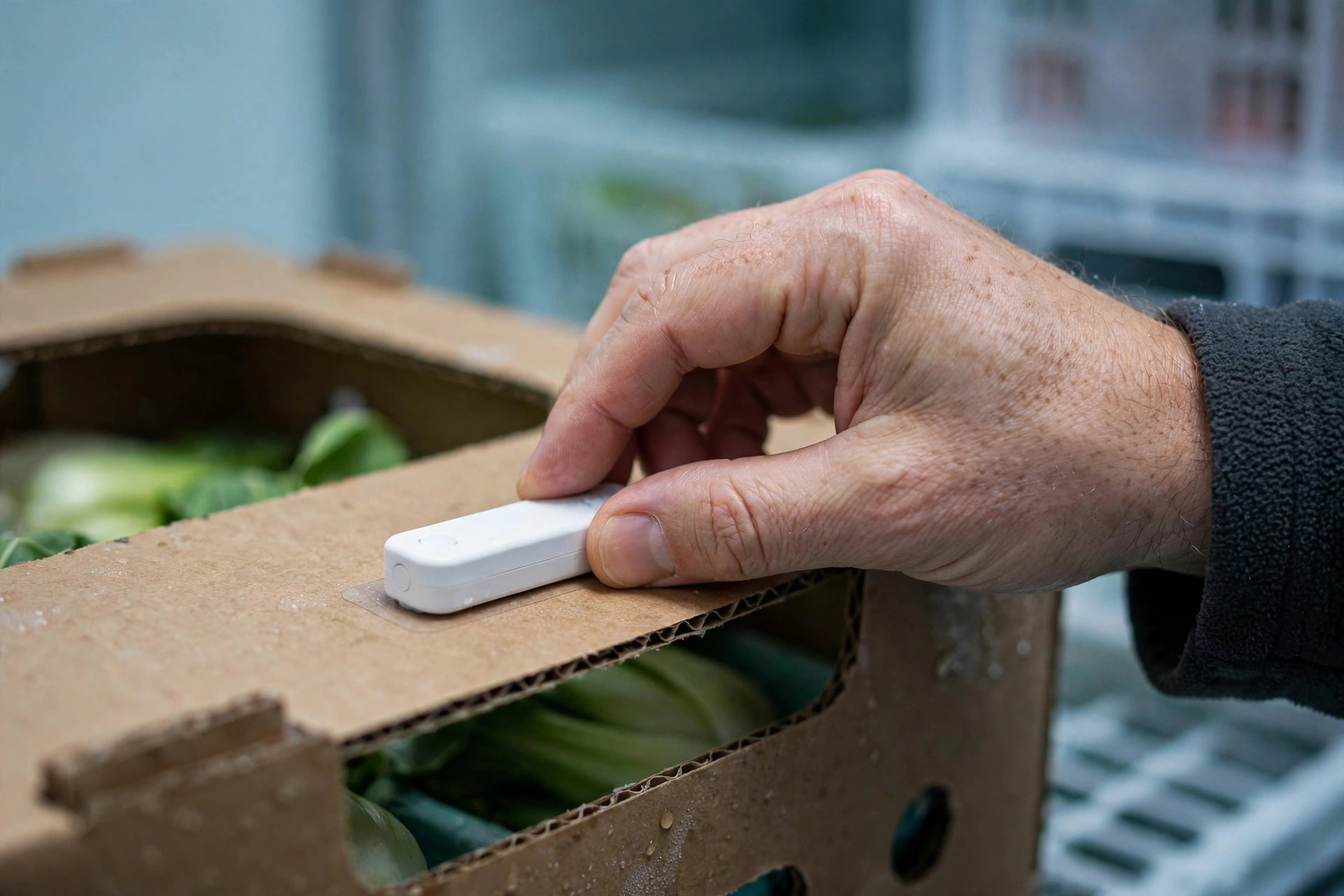
Temperature Logger Selection: Match the Cargo Value, Not the Price Tag
Here's the counterintuitive part: the most expensive logger isn't necessarily right for you. The correct way to do temperature logger selection is to look at cargo value, not the price tag on the logger.
| Cargo value | Recommended tier | Why |
|---|---|---|
| Low-value general cargo, tens of thousands per shipment | Single-use USB, tens of dollars | Low claim risk; a rough record is enough |
| Perishables worth a couple hundred thousand | Bluetooth real-time, one or two hundred | Read the curve at receiving; grounds to reject; best value |
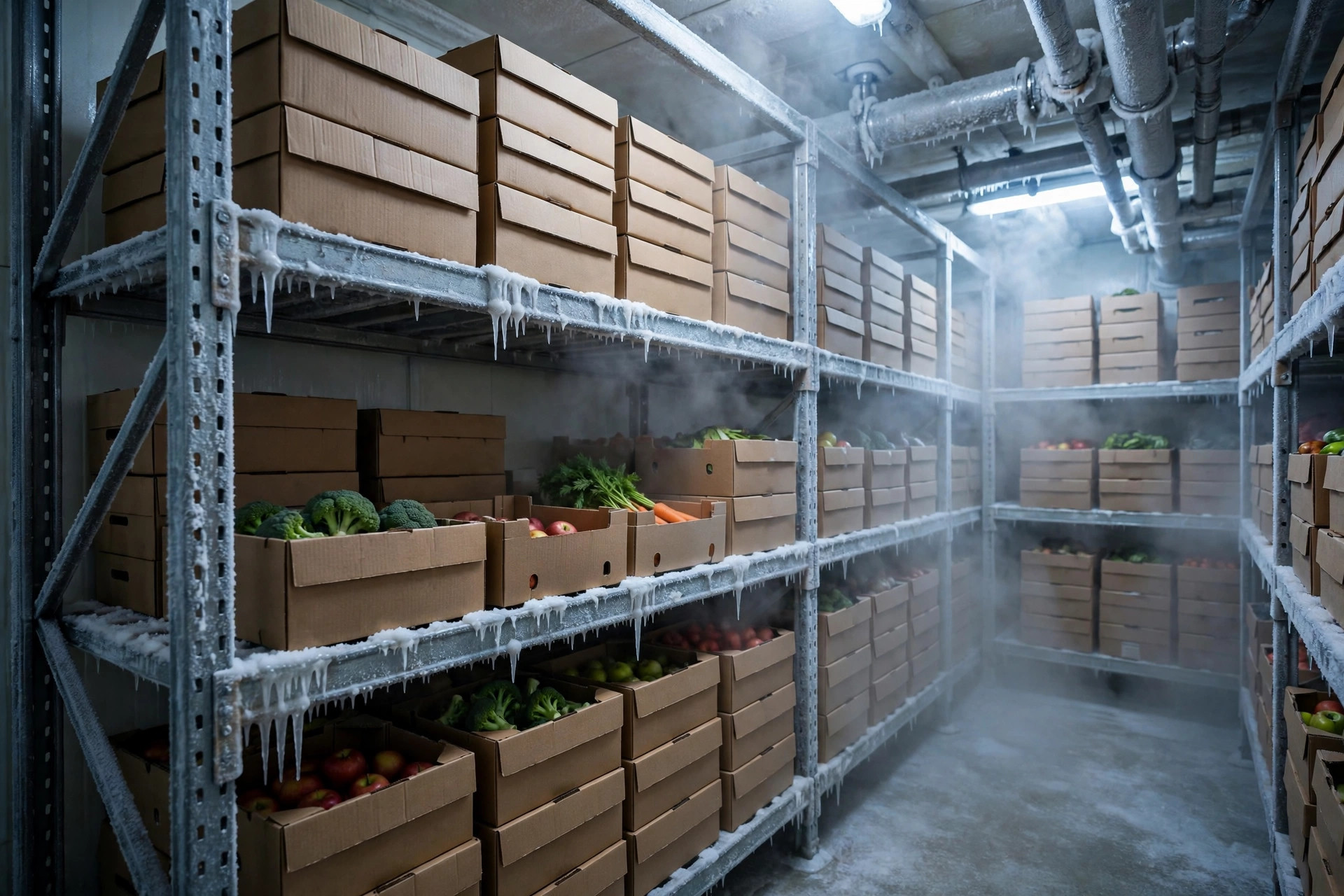
| High-value frozen goods, several hundred thousand+ | 4G cloud, a few hundred dollars | Ironclad evidence in a claim; a few hundred protecting hundreds of thousands — the math does itself |
See it? A few-hundred-dollar logger on a several-hundred-thousand-dollar shipment is well under 1% of cargo value. But plenty of sellers do it backwards: hundreds of thousands in shrimp, tens of dollars in logger. When something goes wrong, they discover the few hundred they saved bought them zero leverage at the table.
My rule is simple now: any shipment worth over two hundred thousand goes on the cloud tier, no exceptions. This one I've tested myself — twice this year a buyer tried to start something, I dropped the cloud data on them, and they went quiet. Paid what was owed, end of story.
Three Traps I've Already Stepped In
Trap 1: Reading the accuracy number, ignoring calibration. ±0.5°C is a common spec — datasheet rules. But two loggers both marked ±0.5°C, one with a calibration certificate and one without, are two different animals in a claim. High-value cargo gets the calibrated one, period.
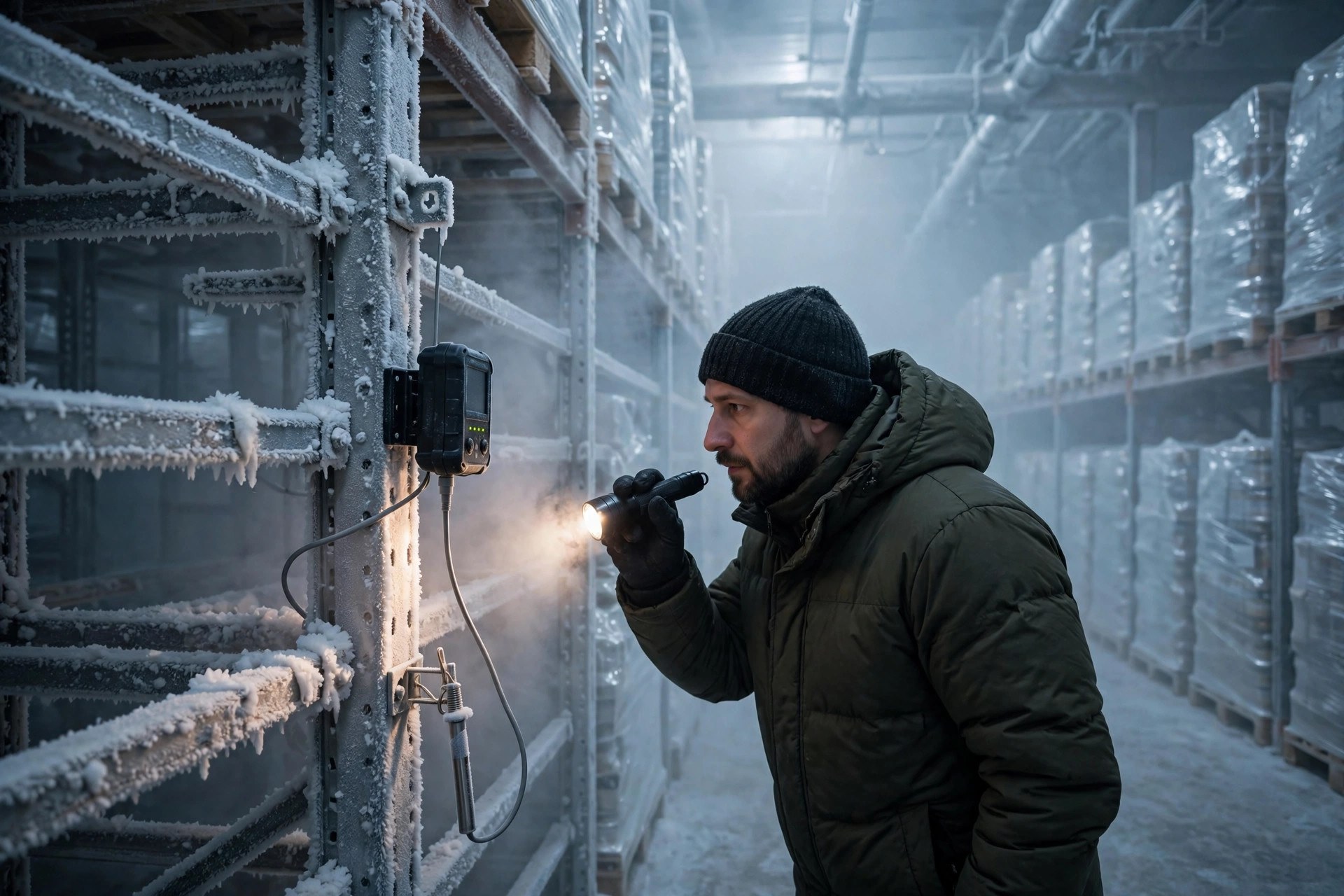
Trap 2: Cold kills batteries. Plenty of loggers are fine at room temperature, then walk into a freezer at ten or twenty below zero, the voltage sags, they reboot, and the data has a hole. Ask for the low-temperature operating limit before buying; if unsure, buy one and leave it in your freezer overnight as a test.
One more true story, for anyone shipping in winter. Two winters ago, a shipment routed through the Midwest rode on Bluetooth loggers, fully charged at departure. That winter was brutal — the container sat at a Chicago rail yard for two days at twenty below zero. Batteries drain far faster in deep cold — how much faster depends on the datasheet; mine didn't make it to the port, and the second half of the curve was simply gone. The buyer saw the gap and docked part of my payment on the spot. Since then my rule is: any winter shipment transiting the middle of the country leaves with a full charge and the interval set to 10 minutes or longer. Every milliamp counts.
Trap 3: Export format. Some cheap units spit out a garbled CSV or need proprietary software. In a claim, the other side wants a timestamped, non-editable report. Ask before buying: one-click export of a tamper-evident report, yes or no?
One more thing: the logging interval. Common spec is usually settable from 1 minute to 10 minutes — check the datasheet. Don't default to 1 minute: logging that densely drains the battery fast, and a 30-day ocean voyage may not get recorded end to end. I use 10 minutes — the curve is detailed enough and the battery survives the trip. A logger is a marathon runner, not a sprinter.
Temperature logger selection boils down to one line: on a normal day it's a cost; on a bad day it's your evidence. Size it to the cost of things going wrong, not the purchase price.
This one I've tested myself. Next time you bring in high-value frozen goods, look at the cargo value first, then the logger.
By Ah K, E-commerce Seller (5 yrs)