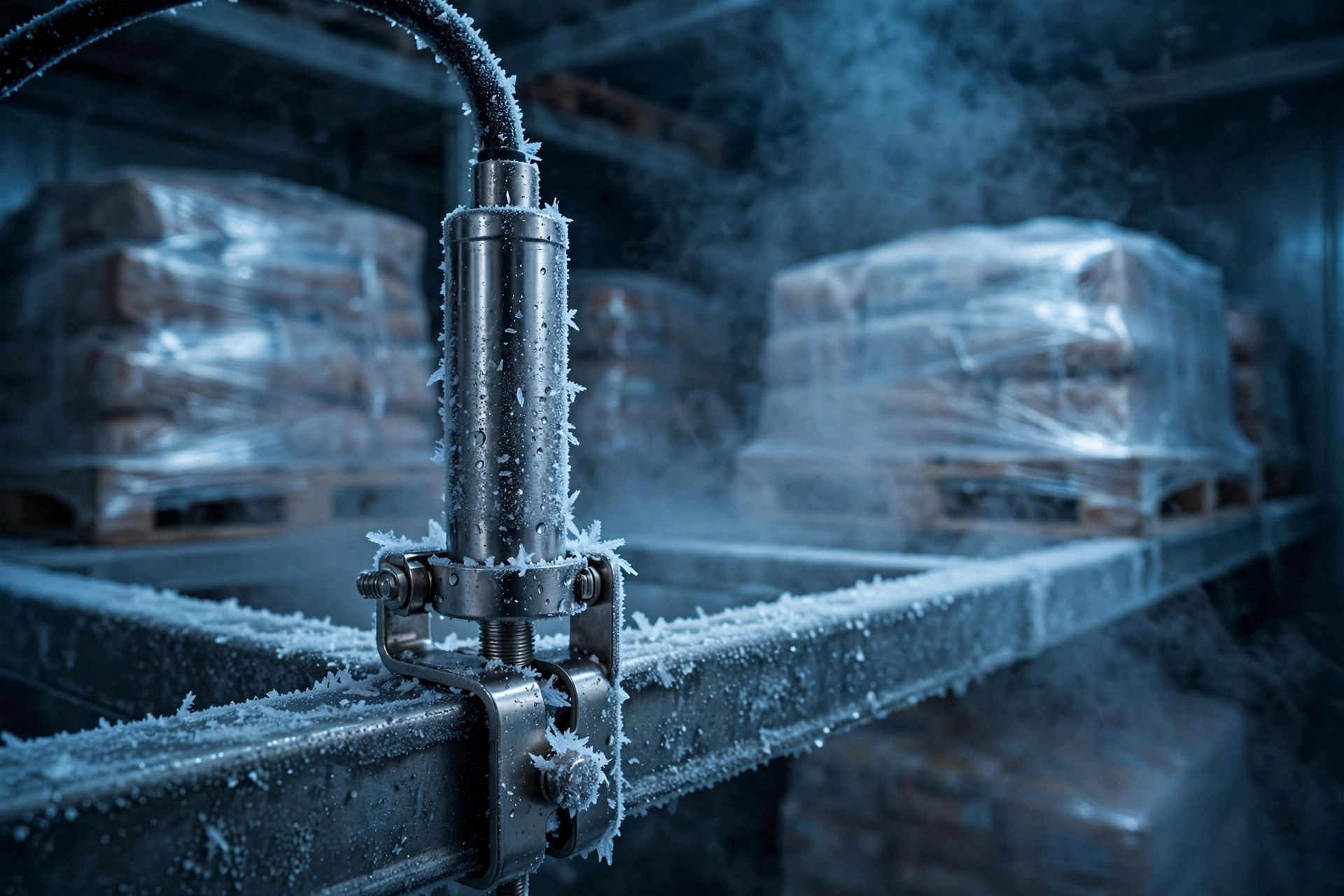
Let me tell you something. Fifteen years hauling reefer freight, and the thing I fear most isn't traffic. It isn't hunting for a parking spot at two in the morning. It's the one thing I can't see in my mirrors — temperature.
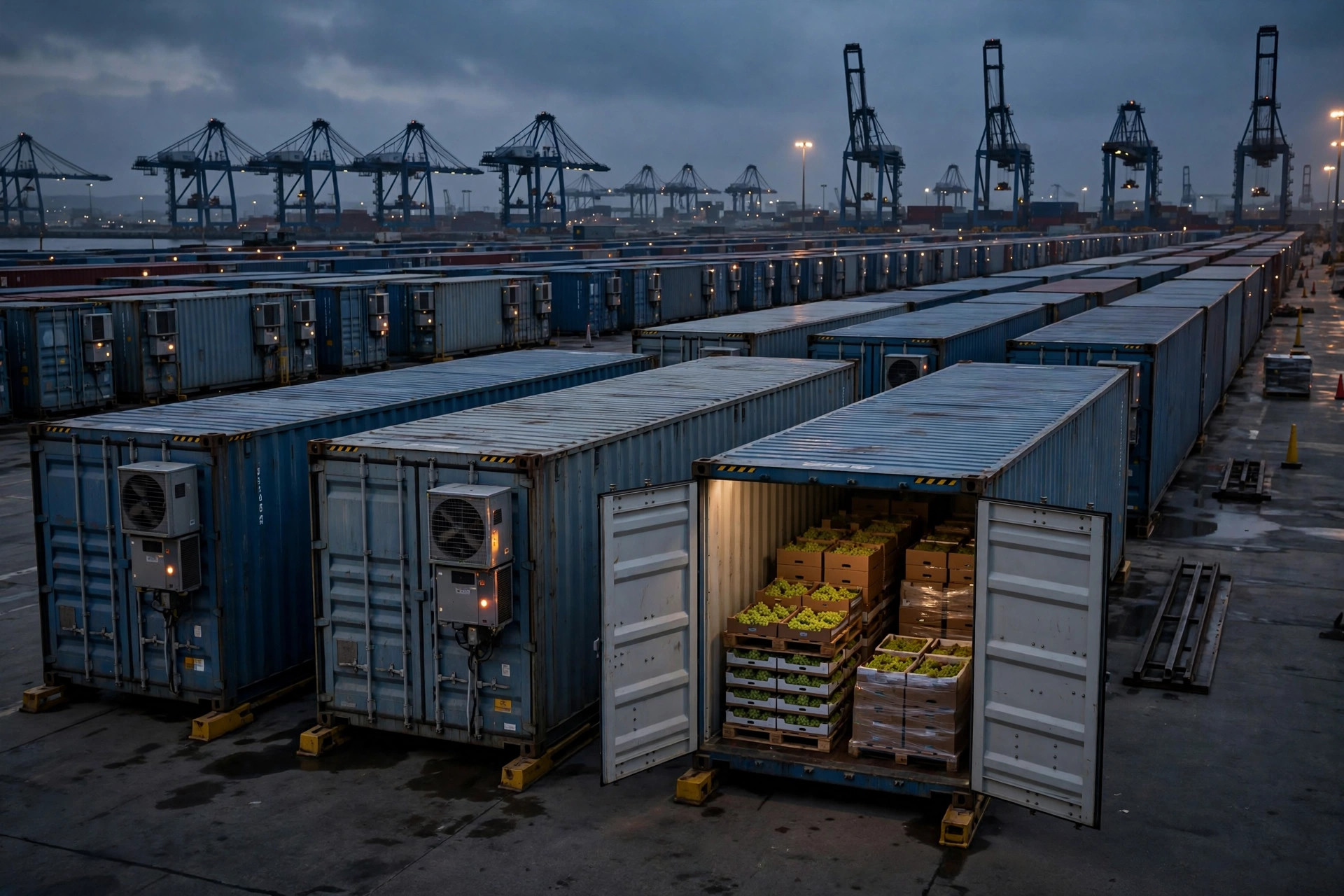
July 2023, peak summer heat. I picked up a load of blueberries in Salinas, California, bound for Chicago. The contract spelled it out in black and white: hold 32–36°F the entire way, logger recording every 15 minutes, receiver reads the logger before a single pallet comes off the trailer. Cargo value north of $60,000. Freight $4,800. The biggest single ticket I'd booked all year.
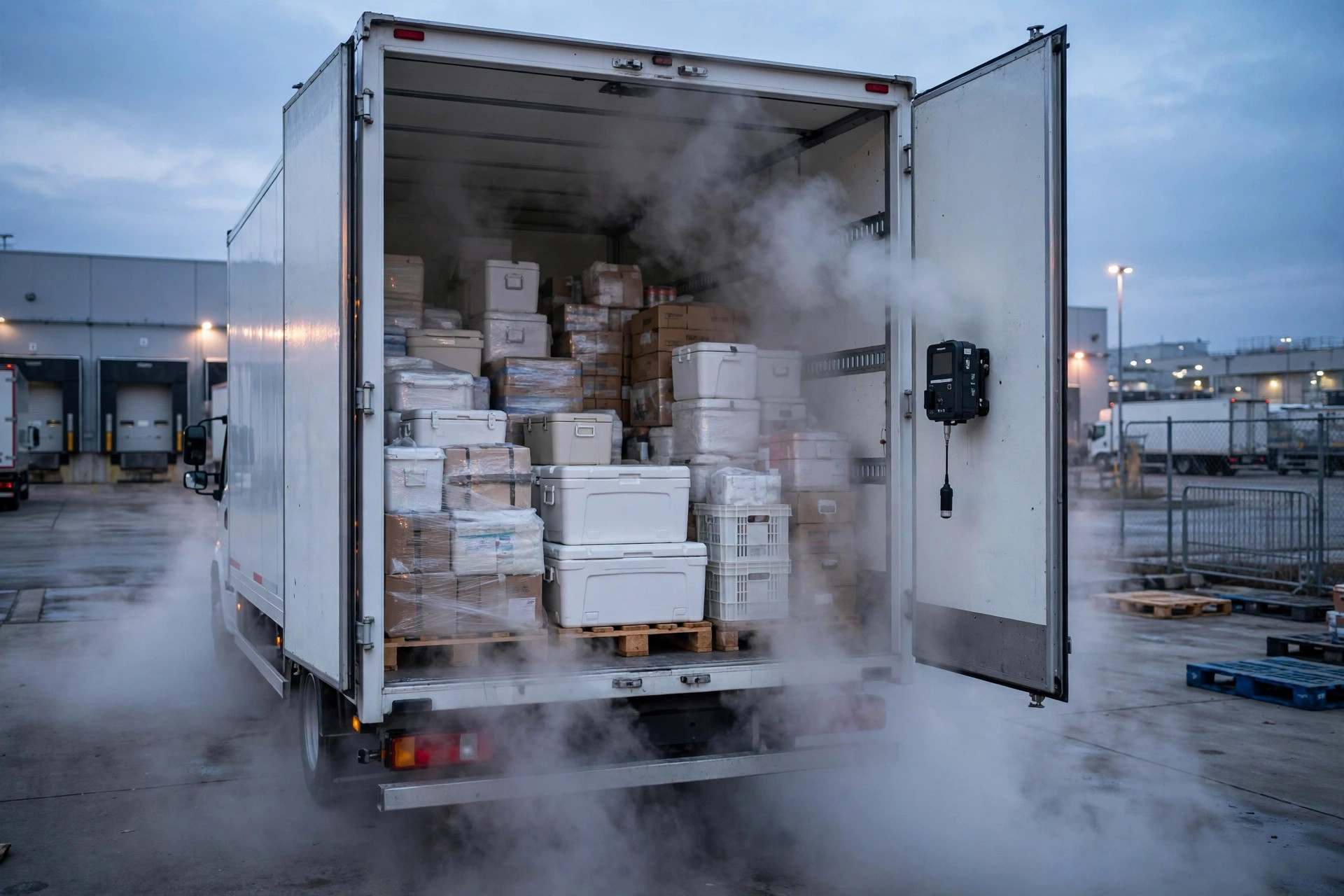
Somewhere in Nevada, the reefer alarm lit up on my dash. I pulled into a truck stop, climbed up on the roof, and found the compressor belt slipping — cooling capacity shot to pieces. No spare belt on hand, nearest shop 40 miles out. I sat in that parking lot watching the box temperature climb on my display, calling the broker, calling the shipper, doing the math in my head on every degree. By the time I was rolling again, nearly four hours had burned. Box temp had climbed from about 34°F to 48°F, then slowly clawed its way back down. The logger? It did its job faithfully — every 15 minutes, not a single gap in the record.
In Chicago, the receiver didn't look at the fruit first. He pulled the logger and plugged it into his laptop. His face told me everything before he opened his mouth: 3 hours and 20 minutes out of range. Full load rejected. I told him the berries looked fine — why not open a few cases and check? He pointed at the screen: "Contract says 32 to 36. Data doesn't lie."
That one load: over $60,000 in cargo written off, $4,800 in freight down the drain, four-plus months fighting the insurance company, and I still came out of pocket more than $10,000 on a "carrier equipment maintenance negligence" ruling. Worse than the money — a shipper I'd run with for three years never called me again.
A Logger Is a Ledger, Not a Bodyguard
Here's what a lot of people get wrong, especially shippers new to cold chain: they treat a temperature logger like an insurance policy. Full visibility, they say. Evidence if something goes wrong. I'm telling you, that's dead wrong. A logger records. It doesn't rescue. It won't climb on the roof and fix your belt when the reefer quits. It won't clear a path for you when you're parked in a jam on the interstate. Every minute of excursion it logs becomes one more card in the receiver's hand.
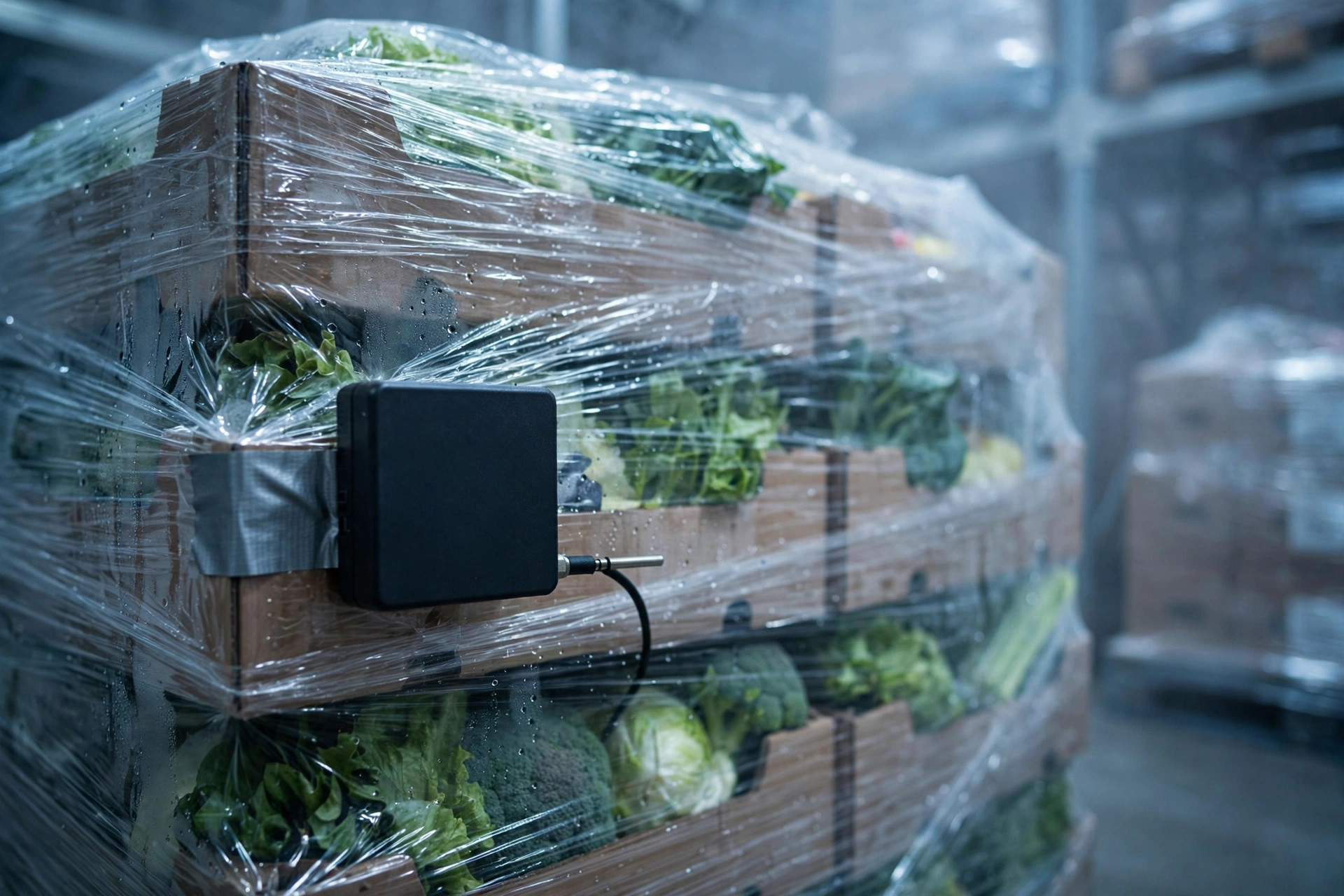
January 2024. Frozen chicken wings, Dallas cold storage to Atlanta, holding 0°F the whole trip. The logger data was so clean you could frame it. I rolled into the receiver feeling good about that one. Then the man says: no data for the last 90 minutes — the logger battery died. Ninety blank minutes. "Who knows what happened in those 90 minutes?" Fifteen percent held back as a "quality risk reserve." Over ten grand, gone, just like that. I argued. I showed him my reefer download, my fuel stops, my ELD logs proving I never even opened the doors. Didn't matter. The blank space on his screen was louder than everything I had.
See the pattern? Data in the log is evidence against you. A gap in the log is evidence against you. The logger isn't a bodyguard — sometimes it's the very match that lights the claim. The real protection is a driver's eyes on the temperature display and the nerve to stop the truck and fix things when they go sideways.
Do the Math: What One Broken Load Really Costs
Take my blueberry load as the example — $60,000 cargo, $4,800 freight, a mid-size ticket:
| One broken load | Clean delivery | |
|---|---|---|
| Cargo loss | $60,000+ (full rejection) | $0 |
| Freight | $4,800 wasted | Paid in full |
| Claim fight | 4+ months, $10,000+ out of pocket | $0 |
| Customer | Lost a 3-year shipper | Kept a steady customer |
| Prevention cost | — | 1–2 hours of pre-trip checks per run |
One broken chain: pushing $80,000 in direct damage, and that doesn't count the invisible ledger — a lost customer, a dented reputation with every broker who heard about it. And prevention? An hour before departure checking the reefer unit, the belt tension, the logger battery. A glance at the temperature display every couple of hours on the road. A spare belt in the side box that costs less than a tank of fuel. Practically nothing. Anybody can do that math — yet every year somebody still gambles on "it'll probably be fine this time." That's exactly where they lose.
Straight Talk for Shippers and Warehouses
For shippers, three things. First, write the temperature spec tight in the contract — but add an excursion clause: if the driver takes defined corrective action within a set window, it doesn't count as a breach. Otherwise a driver's first instinct when trouble hits is to hide it, and hidden trouble always grows into big trouble. A driver who knows he can call you about a problem is worth ten loggers.
Second, don't pick carriers on price alone. Saving $500 on freight to gamble $60,000 in cargo is bad arithmetic. Ask about the age of the truck. Ask how often the reefer gets serviced. Ask whether the driver runs with a spare belt and a charged spare logger. That's worth more than any haggling over the rate.
Third, don't accept or reject on logger data alone. Data is dead; freight is alive. Open cases. Spot-check core product temperatures. A pallet of berries that spent three hours at 40°F but still eats perfectly is not the same as a pallet that cooked at 60°F — the logger curve won't tell you the difference, but your eyes and a probe thermometer will.
For warehouses and receivers: reading the logger before unloading is fair play. But when you see an excursion, don't jump straight to full rejection — look at the product first. Some short excursions don't hurt a thing, and rejecting a whole trailer burns money across the entire chain, yours included, sooner or later. And when a logger dies with a data gap, ask the driver what happened on the road before you start docking pay. Check his reefer download. Check his logs. Most of the time, the driver is more afraid of a claim than you are — nobody wants that phone call.
In reefer work, temperature is money and the logger is the ledger. But no ledger ever saved a load — a driver paying attention did. Fifteen years on the road taught me one thing: drivers who respect the temperature tend to have the luck to match.
By Shifu Zhao, Trucking Veteran (15 yrs)