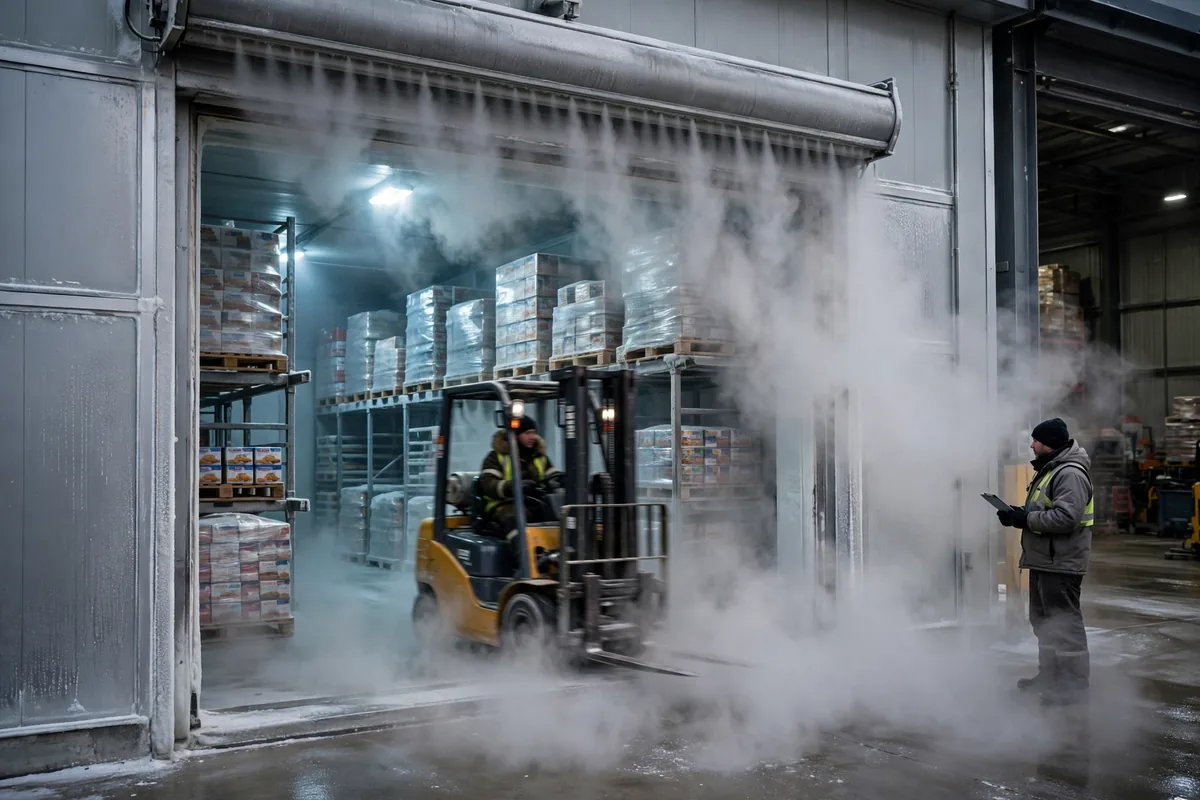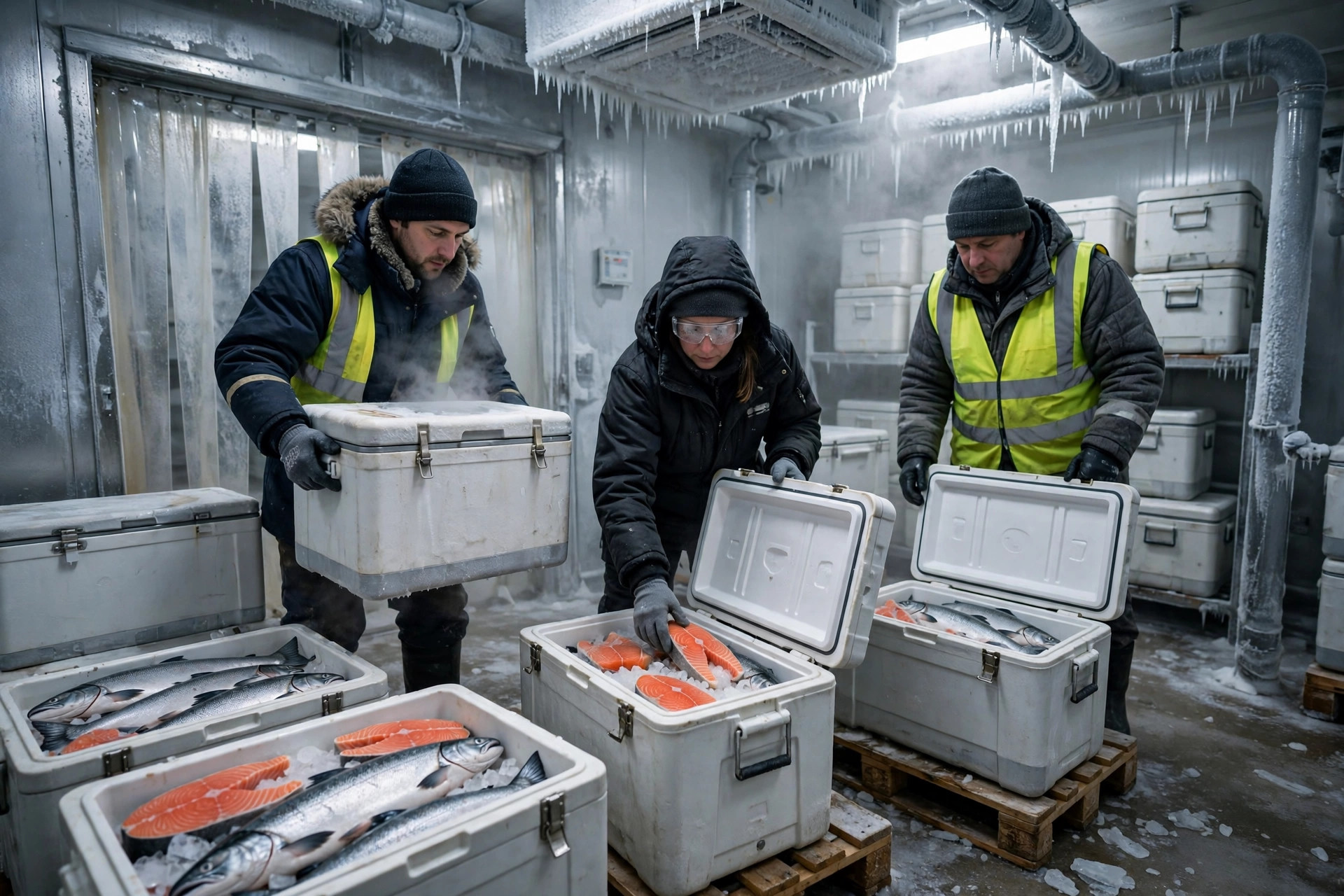
We had a client whose Chile salmon export cold chain ran from southern Chile to buyers in North America. One container arrived, the buyer inspected it, and rejected the whole load. The client blamed the ocean carrier first, which is what almost everyone does. The carrier produced a clean temperature log for the sea leg. When we traced the shipment backward, the break showed up at a transfer: the cargo moved from one cold store to another, waited on a dock longer than planned, and the temperature curve wobbled. The gap was not long. The buyer did not care whether it was long. The buyer cared about the curve and the condition of the fish on arrival. That dispute dragged on for weeks, with the client, the forwarder, and the cold store each arguing that the problem belonged to someone else. That is the story I think about every time someone hands me a salmon contract and asks me to beat a price.
Here is the uncomfortable truth about this business: a contract that says “full cold chain” and nothing else is not a cold chain contract. It is a wish. The dangerous part is almost never written down. Who owns the handoff? Whose staff moves the pallets? Whose logger records the transfer? How long can cargo sit before that wait counts as an exception? If those answers live only in someone’s head, you will discover them during a claim, when every party suddenly remembers the arrangement differently. I have sat in those calls. Nobody lies outright. Everyone just remembers the version that costs them least.
We had another client, an importer, who did the opposite and never had this kind of fight. Before signing, he asked to see the handoff procedure in writing. He wanted a timestamped signature at every transfer. He wanted temperature data held in a shared system, not exported afterward by whichever party felt like exporting it. And he insisted that the cold store confirm a backup slot in advance, so a queue at the main dock would send cargo straight to the backup instead of leaving it waiting. Those clauses cost him nothing dramatic at signing. They saved him the one dispute that would have cost him a customer. His cargo was not luckier. His contract was simply written for the bad day, not the good one.
That is the first insider lesson: when you compare quotes, do not compare totals. Compare what has been left out. The cheapest quote often hides the handoff labor, the waiting time, the exception handling, and the cost of proving what happened. One quote covers the main haul but not the transfer labor. Another includes cold storage but not waiting charges. A third promises monitoring but never says who supplies the loggers, who replaces a failed one, or who owns the data. If you choose on total price alone, you are usually choosing the quote that leaves the risk with you. The right comparison is point by point, handoff by handoff, asking who acts, who pays, and what evidence remains.
Where the Chile Salmon Export Cold Chain Actually Breaks
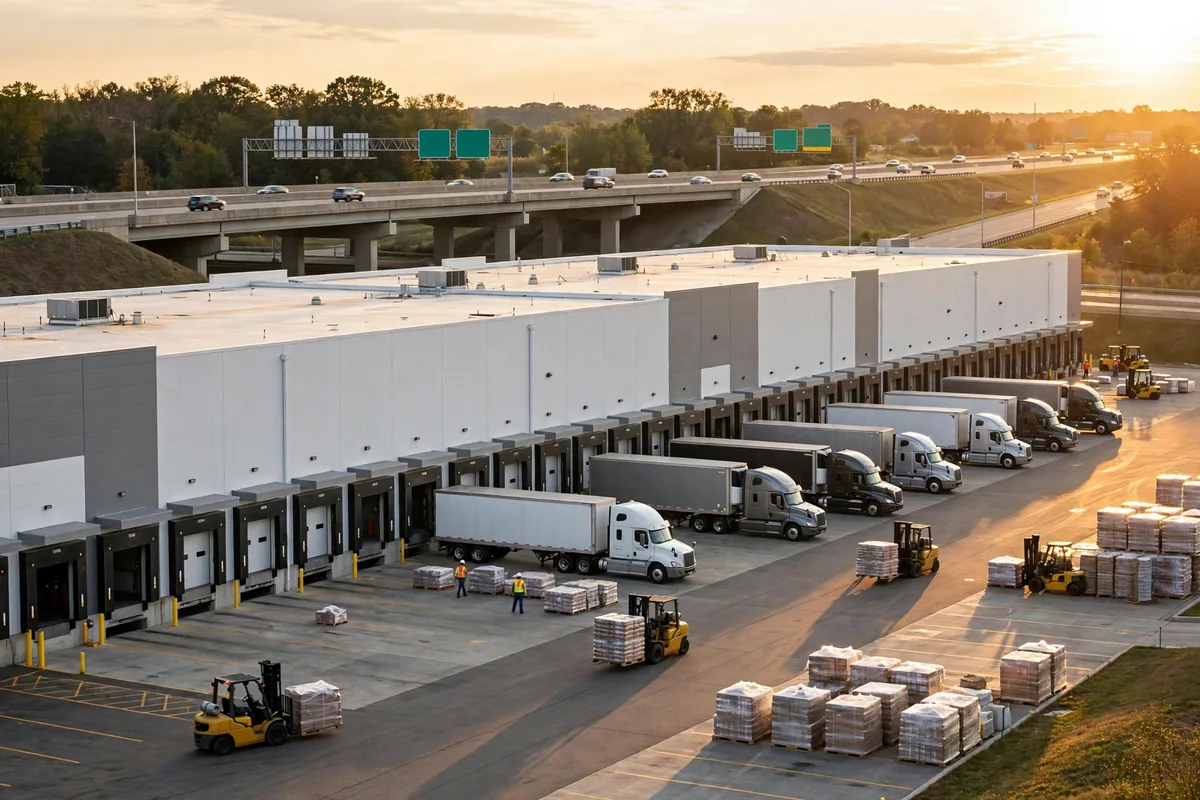
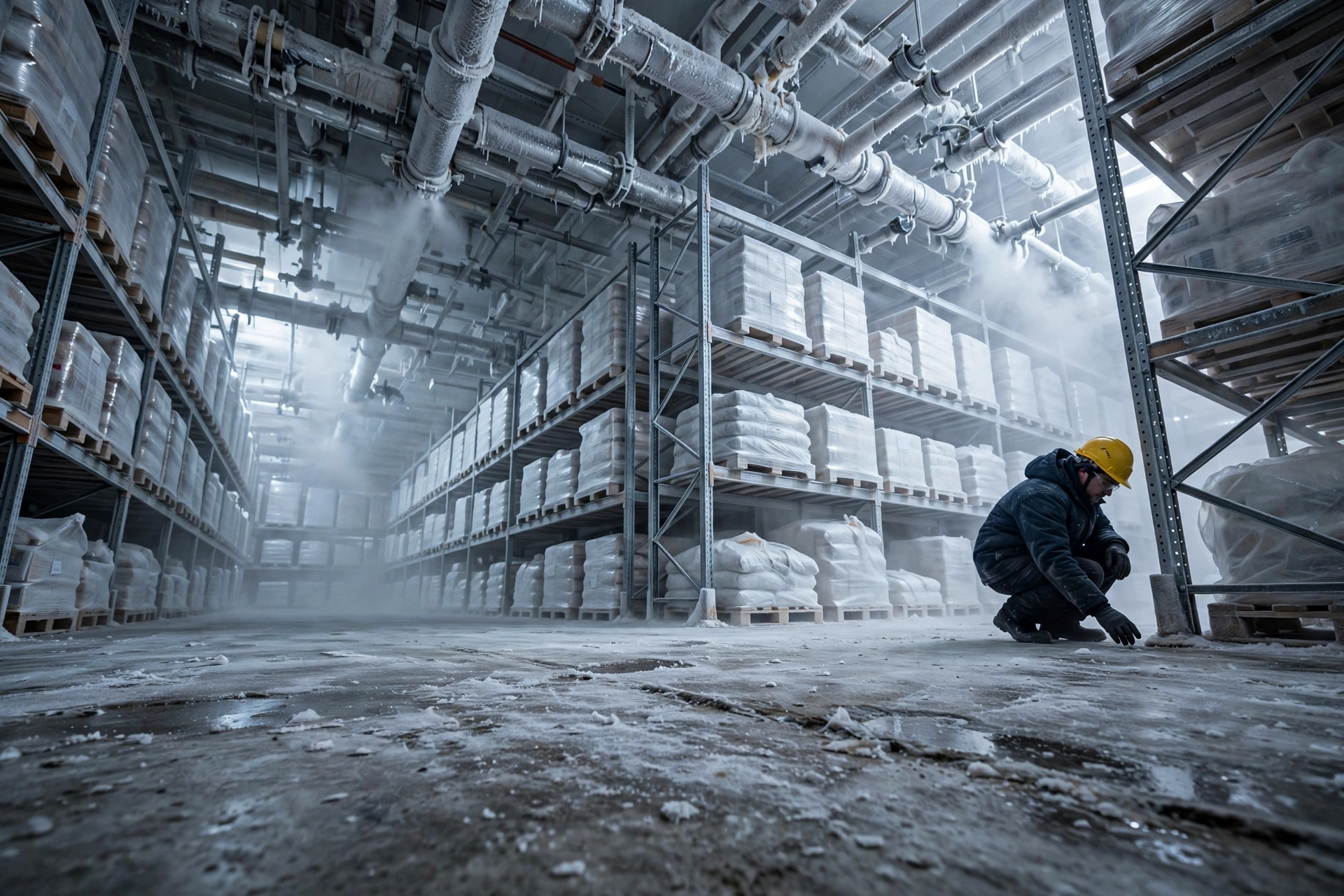
The chain has three places where trouble concentrates, and your contract should name all three. The first is the road from the producing region to the port: loading time, vehicle pre-cooling, and waiting at the gate all shape the curve before the cargo ever reaches a vessel. The second is the port cold store, where receiving, transfer, and reloading pile up; this is where queues and vehicle changes create the classic gap. The third is arrival and final distribution, where a perfect ocean leg can still be undone by an unsupervised last leg. A contract that assigns one party to “the whole chain” without breaking it into these stages gives you no one to call when a specific stage fails.
| Handoff | Who should own it | Evidence you should hold |
|---|---|---|
| Farm region to port | Named carrier and loader | Loading time and pre-cooling confirmation |
| Port cold store transfer | Named cold store operator | Timestamped signatures on both sides |
| Arrival and distribution | Named receiver or distributor | Continuous log through final delivery |
Use that table in negotiation. If a supplier cannot fill in a row, that blank row is your future dispute.
Reading a Chile Salmon Export Cold Chain Quote Line by Line
A usable quote separates the main haul, cold store operations, transfer and handoff labor, monitoring and records, and exception handling. If those items arrive as one bundled price, ask for the split. Splitting the price is not nitpicking; it is how you claim, how you audit, and how you compare suppliers honestly. Also read the insurance language carefully. Does coverage follow the cargo through storage and transfer, or does it stop at the transport leg? What exclusions sit in the fine print? I have seen more claims die on an insurance exclusion than on a temperature reading. The cheapest policy that excludes the handoff is not a policy for this cargo.
Another trap is the logger itself. Some suppliers put loggers only on the main leg and leave the transfer unrecorded, because nobody asked for a logger there. When the buyer questions condition, both sides have data for the easy part and nothing for the disputed part. Put logger placement in an annex: how many loggers, where they sit, who owns the data, and who may interpret the curve. Data that only one party can produce is not evidence. It is a story.
Before signing, ask the supplier to walk you through the handoff, step by step, out loud. From arrival at the cold store gate to put-away, transfer, reloading, and departure: who signs, who photographs, who keeps the record? Any step the supplier cannot describe clearly is a step that will fail under pressure. And do not accept “that is how we always do it” as an answer. “Always” is not a procedure. A timestamp is. Agree the backup plan before you need it, because a backup found during an emergency is just improvisation with a nicer name.
Next time you negotiate, ask these three questions, and do not move on until each one has a written answer. First, who owns each handoff, and when does a wait become an exception? Second, who holds the temperature record, and is it continuous across every transfer? Third, when something goes wrong, who starts the backup plan, and who pays for it? Get those three answers in writing, and price becomes a normal negotiation again. Skip them, and no discount is worth the container you will argue about later. A Chile salmon export cold chain is only as strong as its weakest handoff. Fresh salmon can survive a long voyage. What it cannot survive is a half hour that nobody owned.
By Susan, 3PL Sales Director