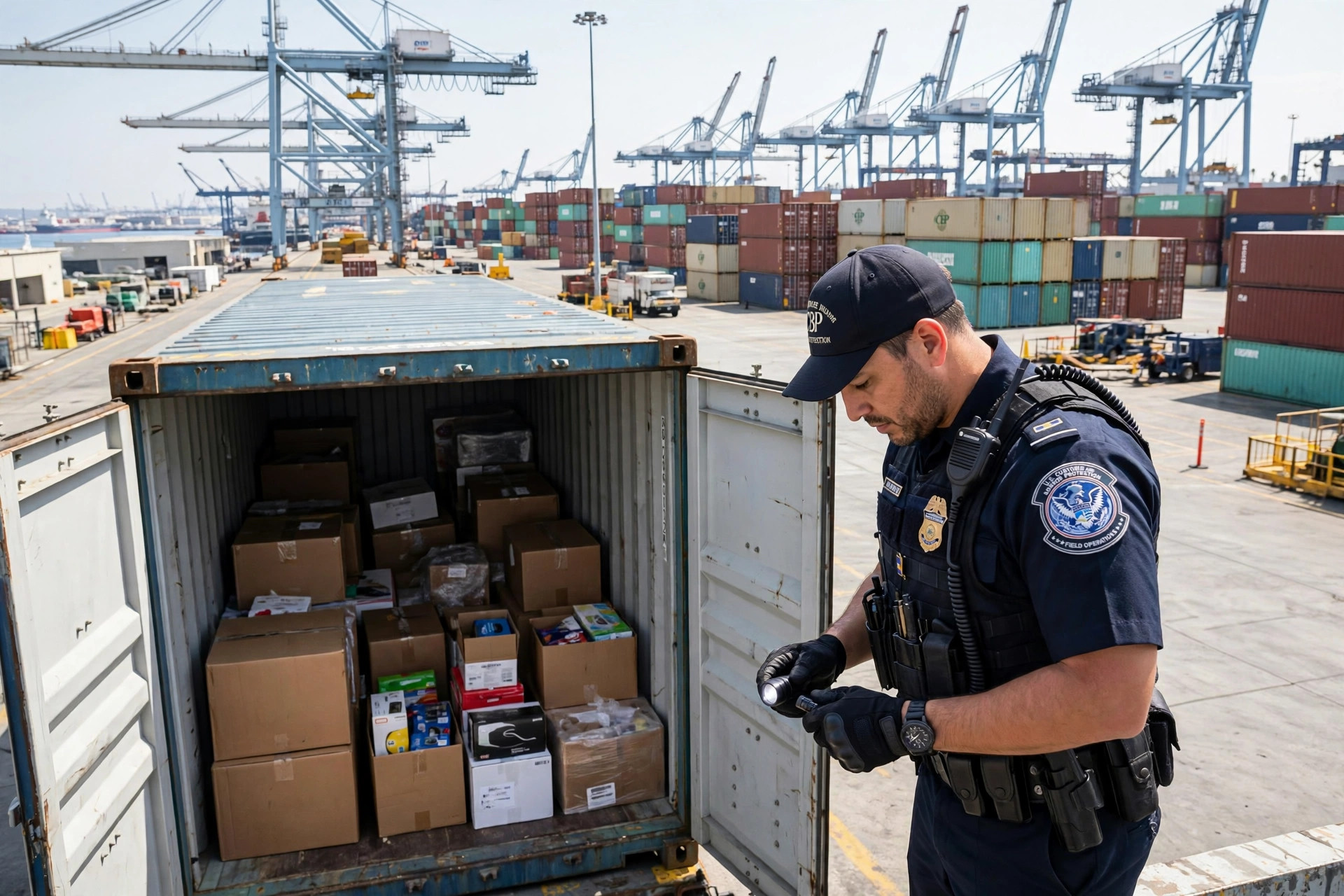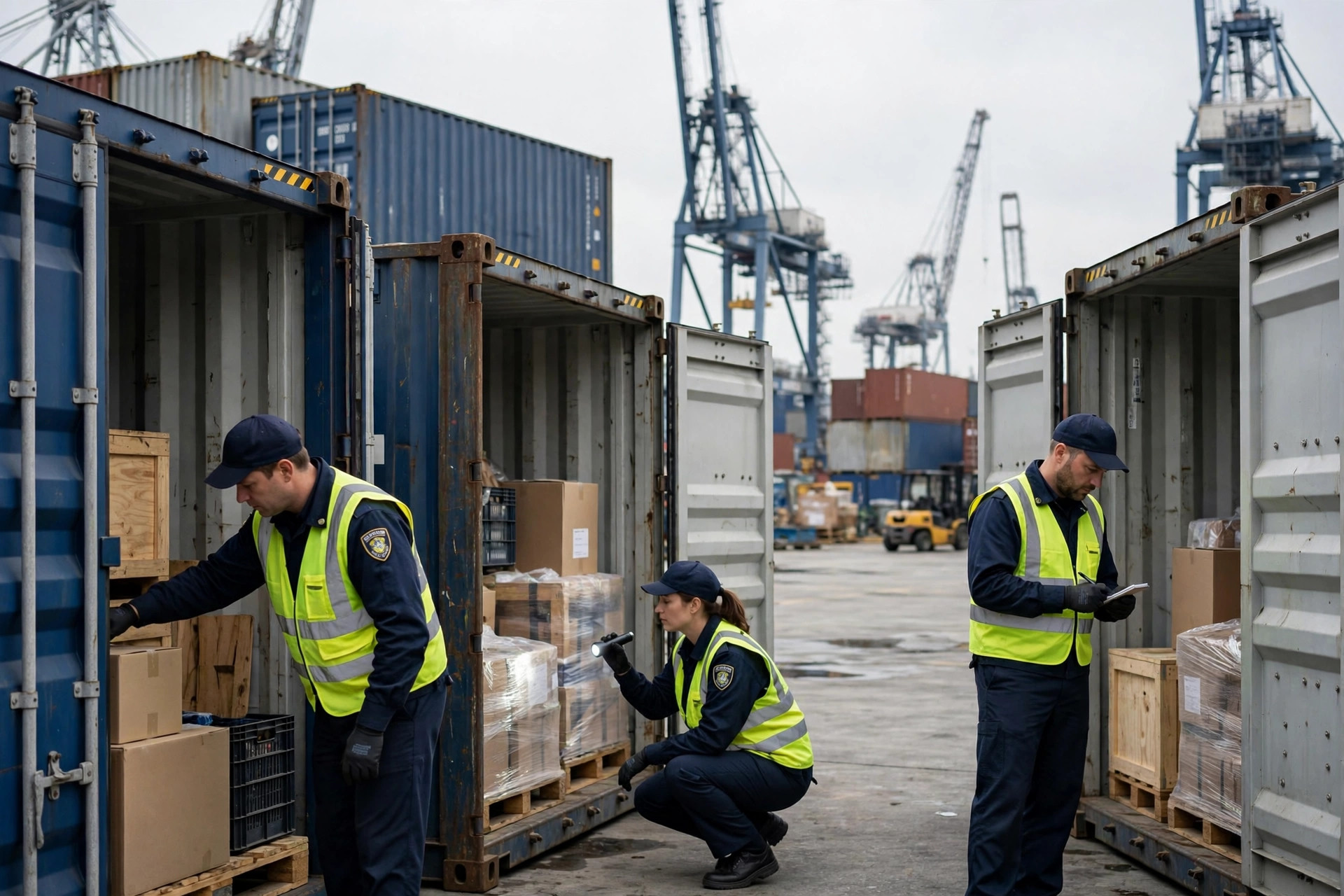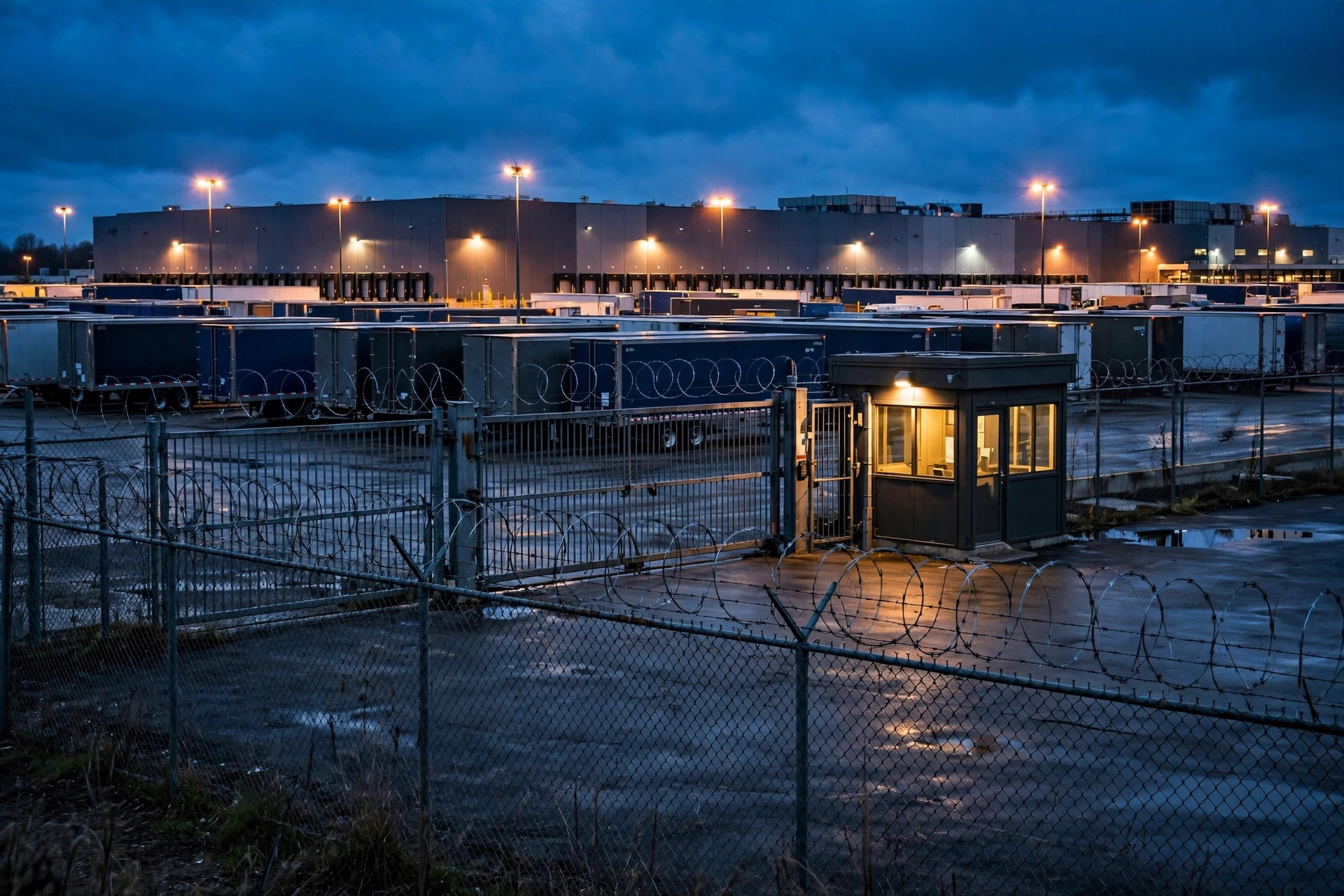
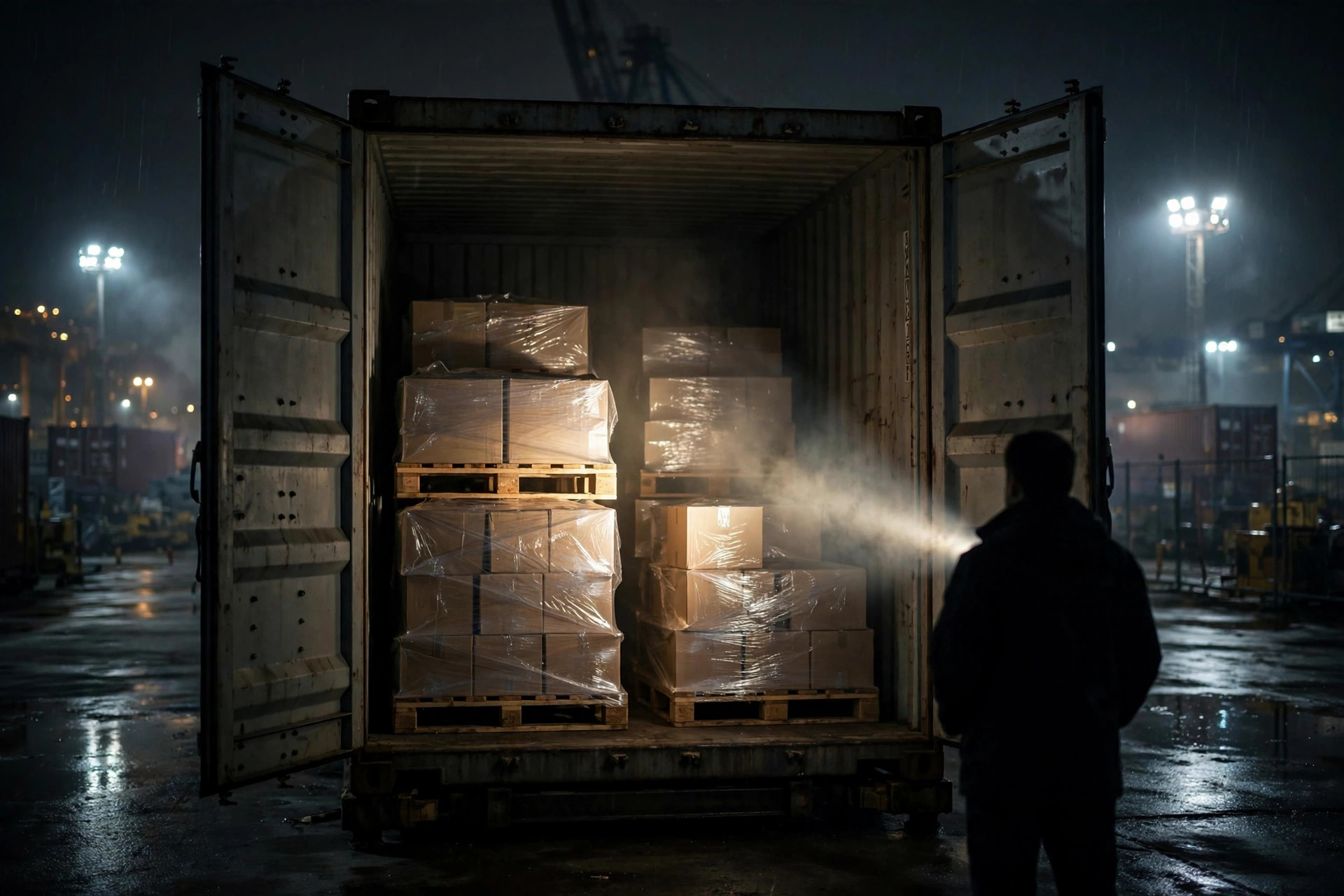
The phone rang at 7:15 on a Tuesday morning. A client's 40-foot high cube, stuffed with holiday-season goods, had been pulled for an intensive exam at the Port of Long Beach. Three days at the CES facility. Unstuffed, pallet by pallet, every carton opened. The bill — exam fees plus terminal storage — ran past a thousand dollars, and the sailing was long gone. Christmas floor sets don't wait for customs. "Lao Mi," the client asked, "they say this C-TPAT certification gets you inspected less. Is that real?"
Short answer: yes. Longer answer: don't turn it into a religion.
CBP's own materials put a number on it — C-TPAT members run roughly one-fourth to one-sixth the exam probability of an ordinary importer. Read that carefully: probability, not immunity. CBP keeps full authority to examine any shipment, member or not, and I have watched certified members' containers get hauled to the exam yard. What changes is the math. You move to the low-risk bucket. When you do get flagged, you get front-of-the-line inspections, and you may dodge stratified exams entirely.
The logic is a straight trade. C-TPAT is a voluntary supply-chain security partnership. You document every link — factory, warehouse, trucking — against CBP's minimum security criteria, you open yourself up for validation, and in return CBP spends its limited exam resources on the unknowns. Transparency buys convenience.
Where the Money Actually Goes
Here's the part that surprises people: the application itself is free. CBP says so on its own website — no fee, no intermediary required, apply online through the CTPAT Portal.
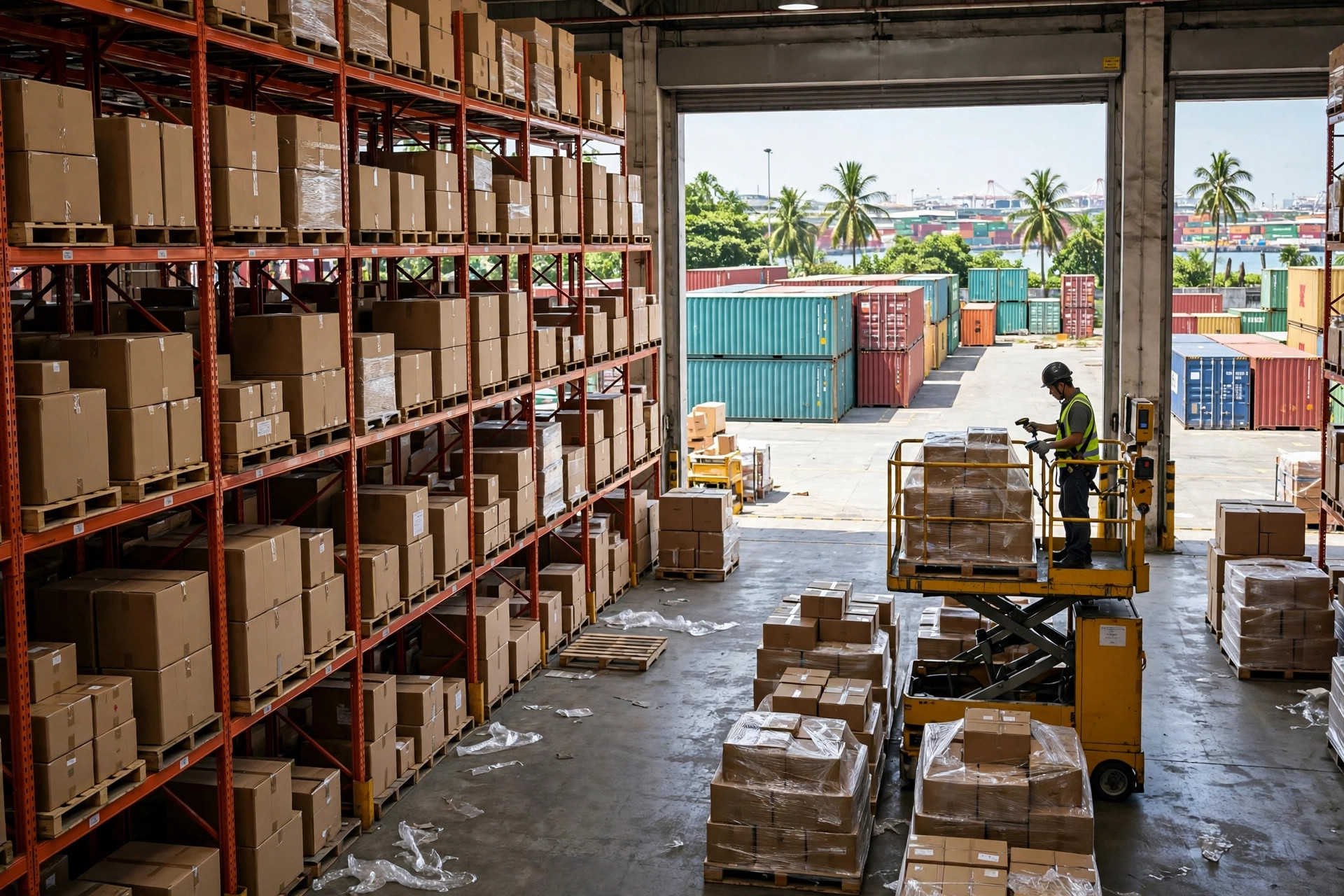
So where does the money go? Into your own house. The heart of the application is a supply-chain security profile measured against the minimum security criteria: physical security, personnel screening, container seal management, IT security, business-partner vetting. Most companies stall at item three. The back door of the warehouse hasn't had its lock changed in five years. Nobody photographs container stuffing. The security questionnaire sent to the overseas factory vanished into the void.
The real costs come in three buckets. Internal fixes: cameras, access controls, a real seal-management process, and either staff time or a consultant to write the profile properly. People time: a company officer has to own the program, the whole workforce needs security training, and the profile is a living document — update it every year or it rots. Then the gate after certification: within a year, CBP assigns a Supply Chain Security Specialist who comes to validate on site. If your overseas suppliers won't cooperate and your floor is a mess, you fail, and everything before it was wasted.
Now run the math. A full-blown customs exam runs several hundred to over a thousand dollars per container in direct costs — before you count the days of demurrage and the missed sailing. Say you import 200 containers a year. Without certification, eight exams. With it, one or two. The avoided exam fees and delays add up to tens of thousands a year. The internal investment is a one-time spend in the tens of thousands, with light annual maintenance. For a high-volume importer, this is one of the best ROI compliance moves I've seen in twenty years.
Flip it around, though. If you bring in thirty or forty containers a year, don't bother yet. Your exam base is too small to cover the fix-up cost. Spend that energy on the free stuff first: get your HTS classification right, keep your paperwork clean, stop filing sloppy entries. Costs nothing, pays more.
How Long the Road Takes
CBP's website lays out the process plainly. Let me translate it into human.
Start with a self-assessment against the minimum security criteria and write up the gaps before you touch the application. Then file your company profile and security profile in the CTPAT Portal and agree to participate voluntarily. A CBP specialist reviews your submission; if it clears, CBP has up to 90 days to certify or reject you. Certification isn't the finish line — within a year, the specialist shows up for on-site validation: your warehouse, your procedures, and if needed, your overseas partners.
Well-prepared companies clear it in about six months. Sloppy ones drag past a year. The most common face-plant I've seen: the profile reads beautifully, and on validation day the warehouse manager can't answer a single question — a consultant wrote it, operations never read it. Dead on arrival.
Here's what the specialist actually pokes at, so you can pre-check: high-security seals with a seal log, supervised stuffing with photos on file, visitor logs and employee background checks, and those overseas partner questionnaires — did they come back, and did anyone actually review the answers? None of it is rocket science. It's all basics, which is exactly why most companies fumble it.
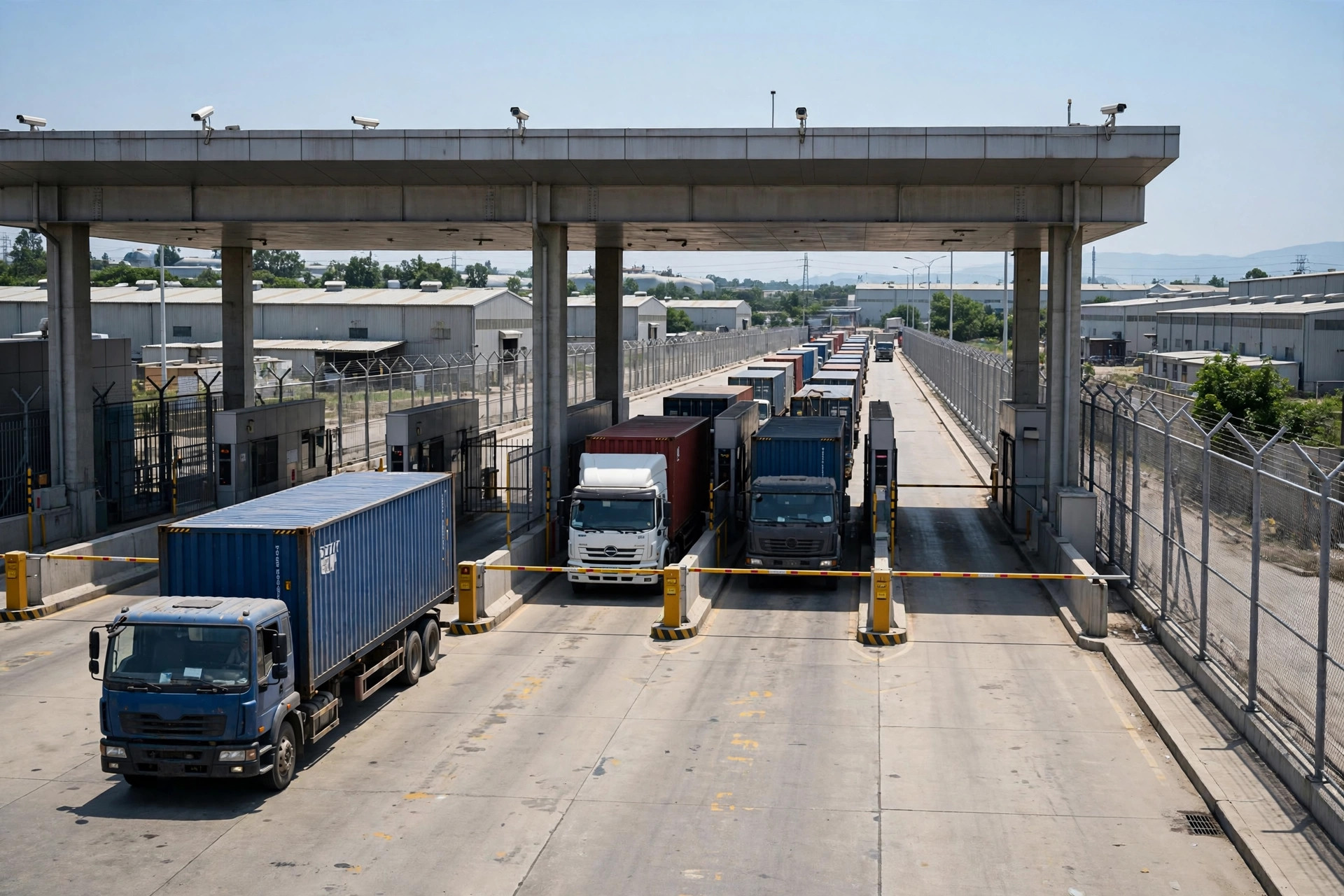
Two underrated perks deserve their own mention. The FAST lanes at land borders — if you run US-Canada or US-Mexico trucking, that dedicated lane saves real queue time every single day. And mutual recognition: since 2012, the US and the EU mutually recognize C-TPAT and the EU's AEO program, so your certified status lowers your risk score on the European side too. A dozen-odd economies have similar arrangements with the US — Canada, Japan, Korea, Singapore, Mexico, Israel among them. If you sell on both sides of the Atlantic, that's a double dividend.
Don't Treat It as a Shield
Three cold showers, so you don't spend the money and feel cheated.
It lowers your odds of being picked, not CBP's power to pick you. Random pulls and intelligence-driven exams hit members the same as everyone else. CBP has never been ambiguous about that.
Certification actually invites closer scrutiny of what you promised. The profile is a commitment, and validation measures you against it. Companies that inflate their standards to get the badge and can't execute get downgraded at validation — worse than never applying.
And it's tiered. Fresh members start at the bottom. The top tier — the real green-lane treatment with near-zero security exams — takes years of clean performance in CBP's eyes, plus actively promoting the program's values to your partners. That's a long game, not a certificate you frame.
My verdict: if you file several hundred entries a year, C-TPAT is worth doing, full stop. If you're small, get your classification and paperwork clean first, and come back when the volume justifies it. One more filter: if your product mix changes constantly and your entry history is already messy, hold off — CBP reviews your compliance record during the application, and a dirty file gets rejected, wasting months.
Your action list for tomorrow — three items, all doable. Download the importer version of the minimum security criteria from CBP's site and build a twenty-line gap list; half a day tells you where you stand. Ask your broker for twelve months of exam records and compute your real exam rate and total exam cost — without that number, "worth it" is just talk. Then put both numbers on one page for your boss: what exams cost you last year versus what certification takes. Numbers on paper make the decision obvious.