Talking about the Buenos Aires warehouse market in terms of distance on a map alone misses the point, because warehouse choice in this city is rarely a simple geography problem. It is the joint result of freight-flow structure, order structure, and risk structure, and the same shipment can produce a very different cost curve and service outcome depending on whether it sits near the port, in a suburban warehouse cluster, or at an inland distribution point. Those differences often stay hidden until the first peak season, the first customs delay, or the first wave of returns makes them visible. The real question, then, is not where the cheapest-looking warehouse is, but where your goods are actually going, how fast they need to move, and which link in the chain breaks first under pressure.
Buenos Aires Warehouse Market: Why the Port Area Is Close but Not Always Cheaper
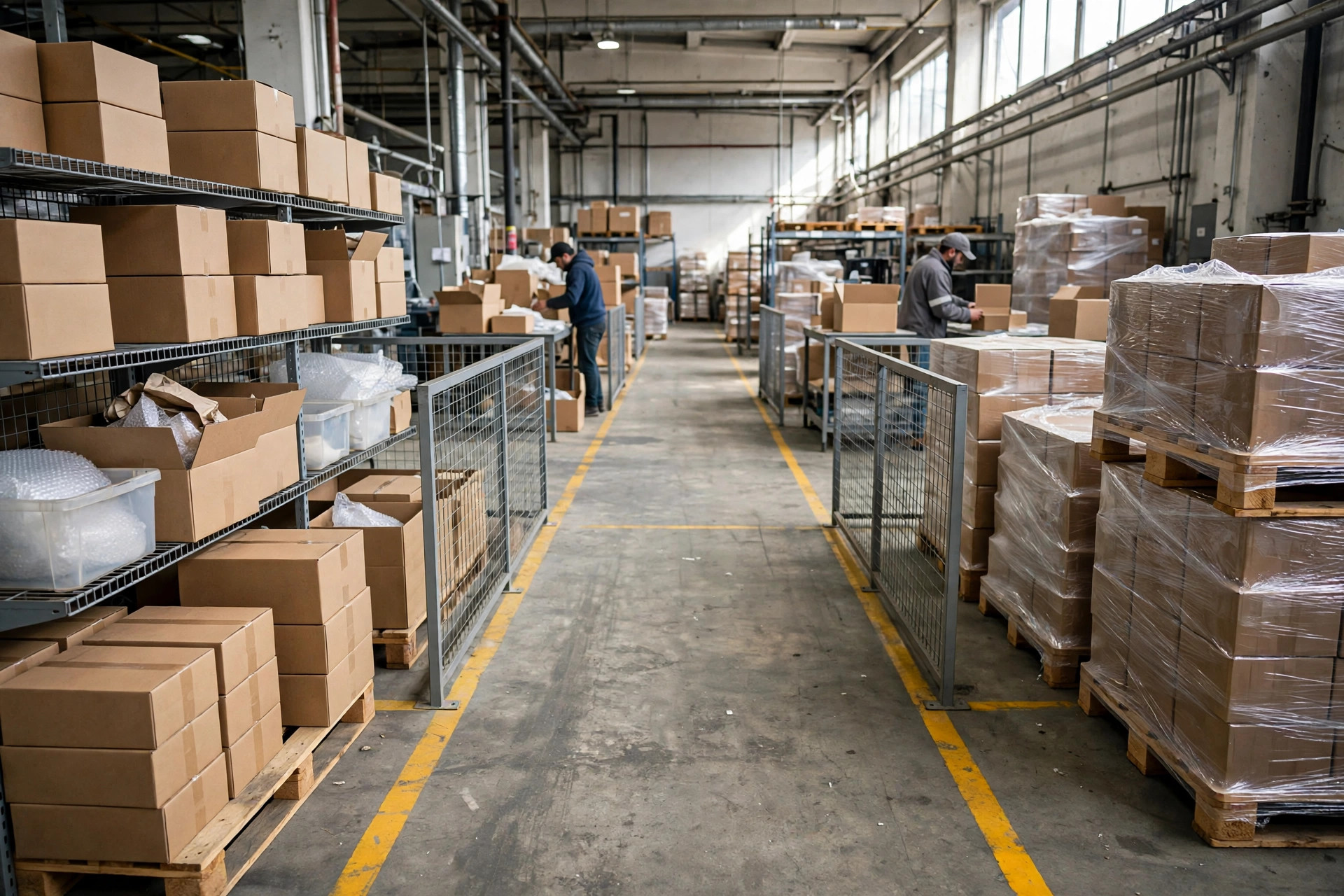
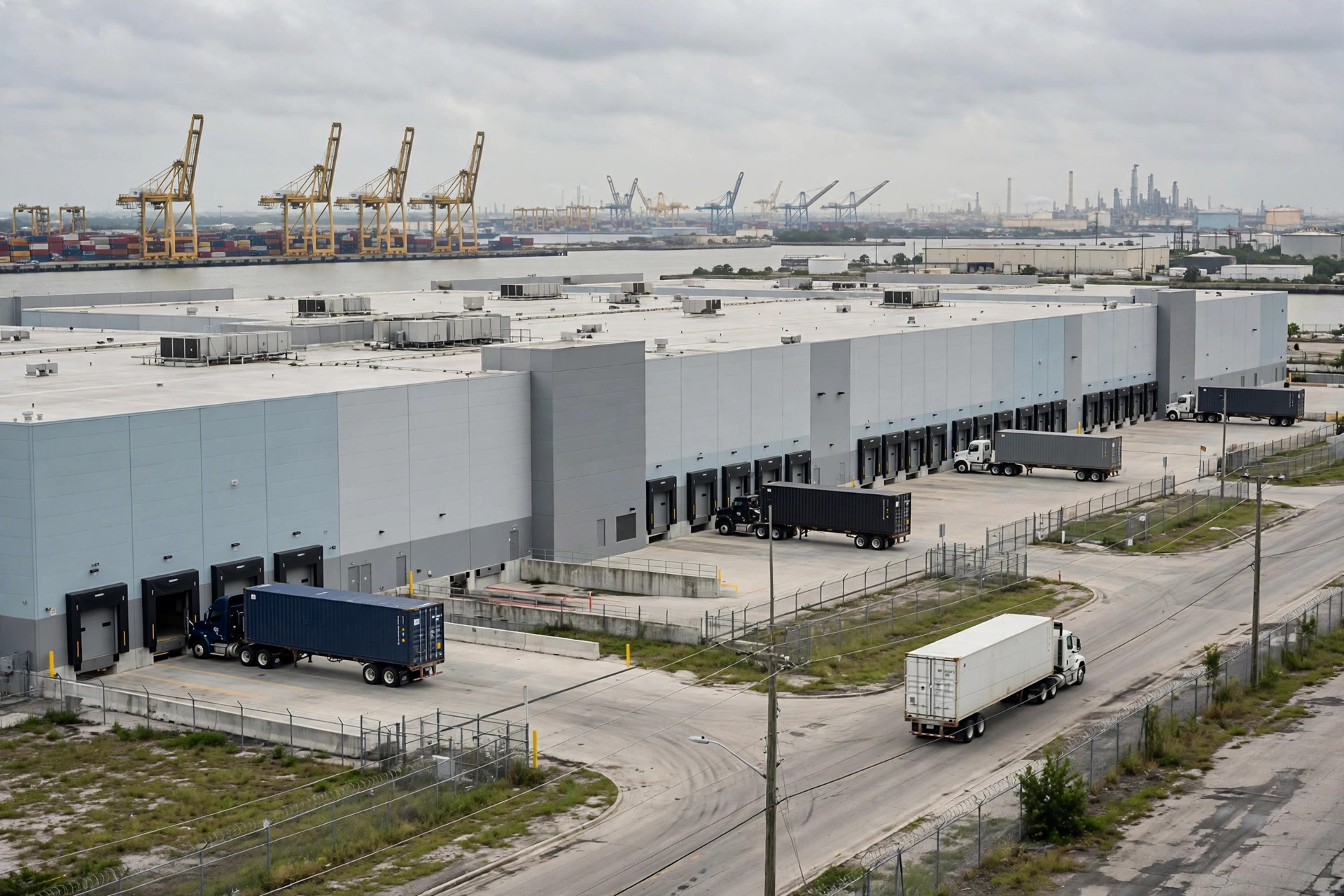
On the surface, the port area sells an obvious advantage: goods can be unloaded, devanned, and put away almost as soon as they arrive, with the shortest transport leg and the fewest handover points. For sellers whose inbound batches are concentrated, whose arrival rhythm is uneven, and who need sellable stock as quickly as possible, that closeness buys genuine certainty in the first few days. One cross-border seller of home goods lived through exactly that kind of start: the first shipment went straight into a small warehouse near the port, devanning finished on the day of arrival, and the team could see sellable inventory that same evening. The launch felt smoother than expected. The test, however, came later. Once those goods had to be split across several inland cities, picked order by order, packed, and sent back when customers returned them, the limits of a small port-area site began to show one by one. Picking space was tight, adding temporary staff and extra shifts was hard to arrange, and by peak season the queue at picking and dispatch was quietly eating back the transport time saved at the start.
The deeper reason is that the value of the port area is tightly bound to the direction of freight flow. If most goods are destined for the greater Buenos Aires metropolitan area itself, closeness to the port is real value. But if the destination is spread across many inland cities, the port area is only a starting point in a transit sense, not a distribution centre in any meaningful sense. In that case, the short leg saved near the port can be outweighed by extra split shipments, repeated handling, and uncertainty on the inland leg. The counter-intuitive point is worth stating plainly: the warehouse closest to the port is not automatically the warehouse with the lowest total cost. A site-selection calculation has to run all the way to the last mile, through returns, and through peak-season staffing elasticity, not stop at the gate of the warehouse.
Buenos Aires Warehouse Market: The Scale Logic of Suburban Warehouse Clusters
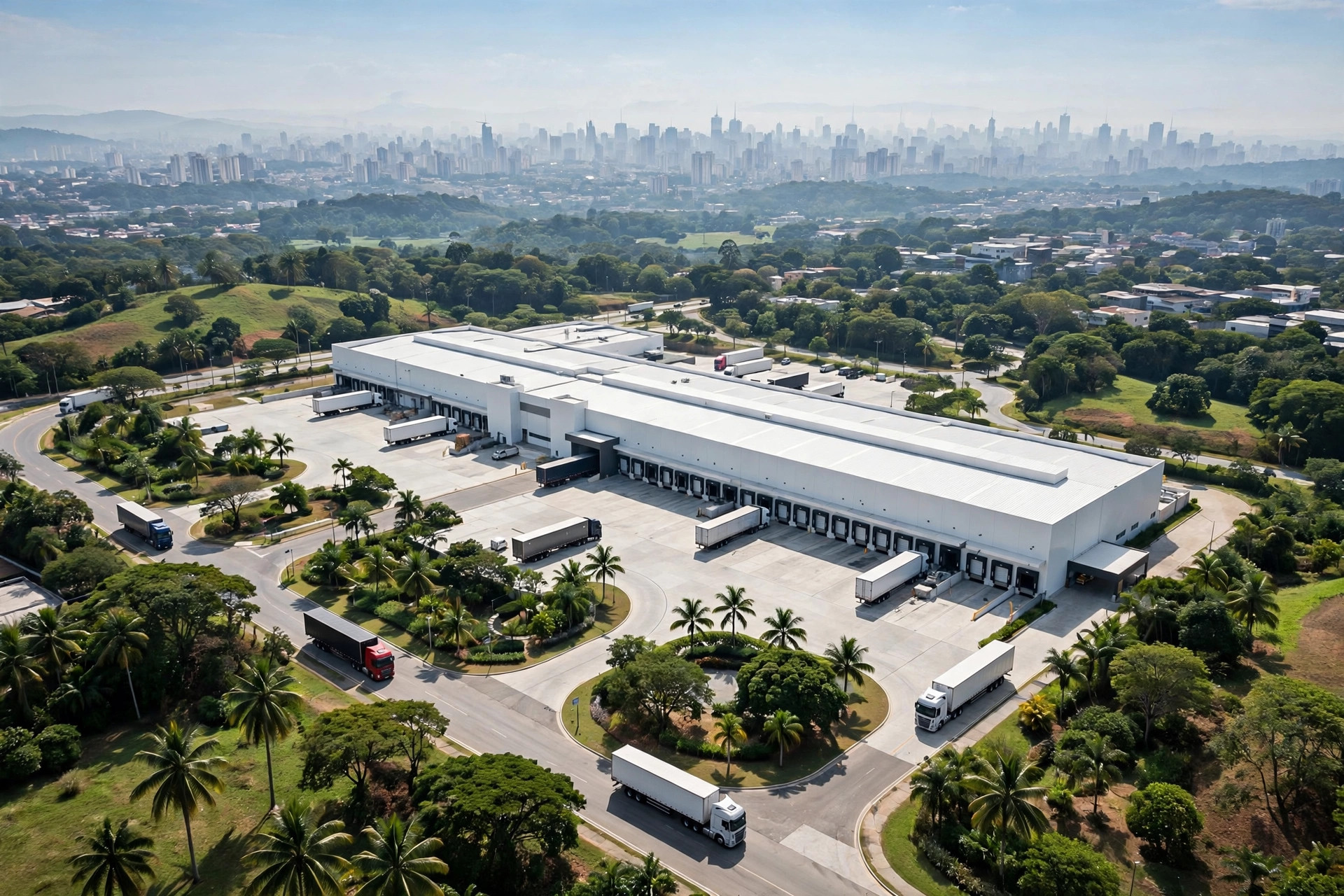
Suburban warehouse clusters operate on a different logic altogether. What they sell is not proximity to the port, but scale, flexibility, and division of labour. A third-party logistics operator serving several small and mid-sized sellers offers a representative case: it placed its warehouse inside a suburban cluster, kept generous space for picking, packing, labelling, and returns handling, expanded shifts and opened extra packing lines during peak weeks, and pulled staffing back in the quiet season. With several sellers under one roof, even modest individual volumes added up to a steadier operating rhythm, and shared outbound flows created a degree of coordination that no single small warehouse could achieve on its own. The cost of this model is equally clear: goods travel an extra leg from the port to the suburbs, first-batch availability is slower than at the port, and for shipments that are extremely time-sensitive and narrowly destined, that extra leg can feel expensive.
The profile that fits suburban clusters is therefore fairly clear: multi-category, small-batch, high-frequency orders, a real need for in-warehouse processing capacity, returns and exchanges to handle, and a peak season that demands rapid expansion. For such sellers, the scale logic holds not because the rent looks cheapest on paper, but because the links most likely to fail in a peak week — picking capacity, packing capacity, and exception-handling capacity — were given headroom in advance. The question to ask about a cluster is not how far it sits from the port, but whether it can ship your orders on time and to standard during your busiest weeks.
Inland Distribution: One Step Closer to Customers, One Step Farther From the Port
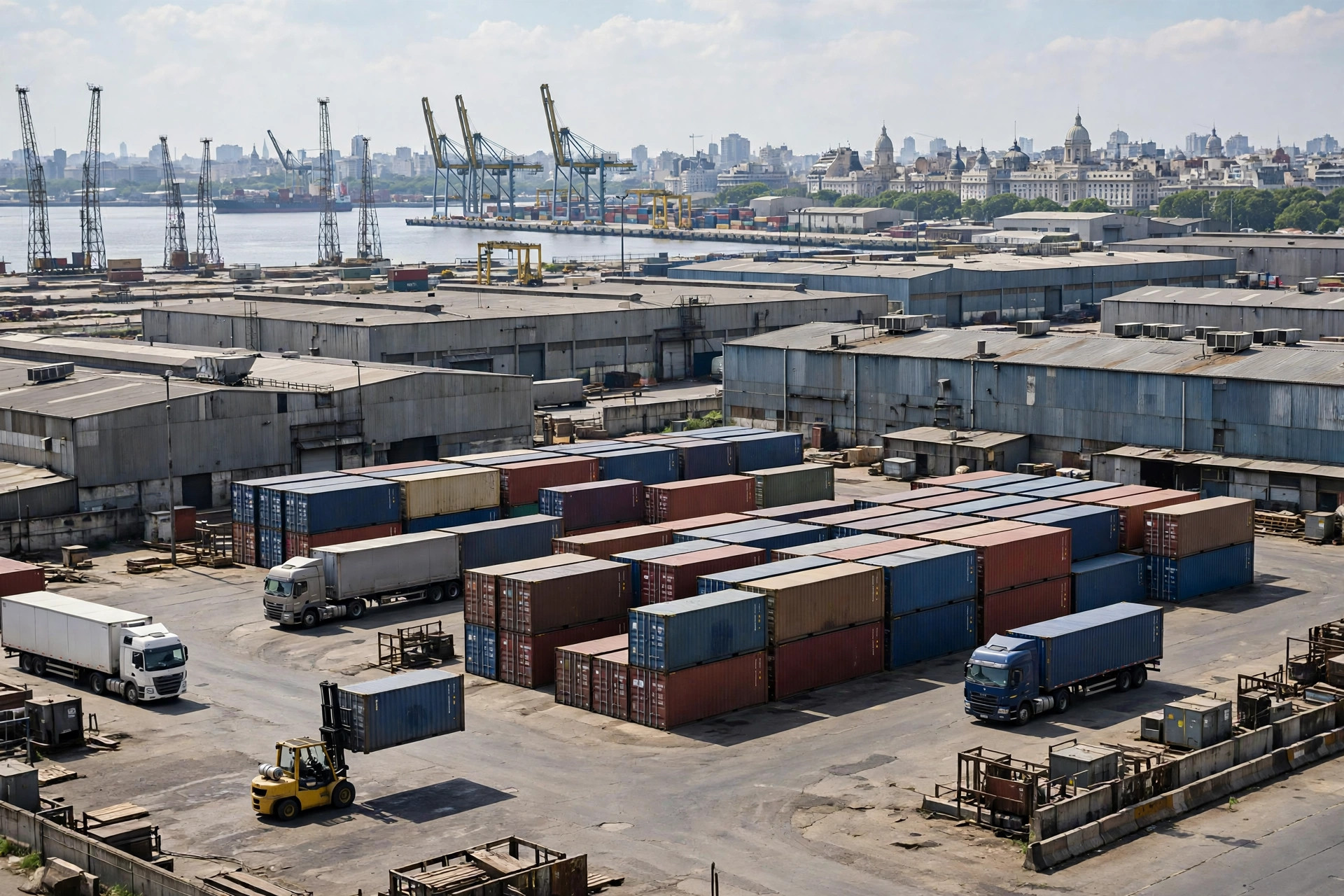
Inland distribution points are the easiest of the three options to misread. Their logic is straightforward: push stock closer to end customers in advance, respond to orders faster, and reduce uncertainty on the final leg. That logic works best where a seller already has proven, stable sales in a particular inland region. The price, however, is paid in inventory structure. Once stock is split across several points, a forecasting error at any single point turns into either overstock or stockout, and moving goods back when a region underperforms usually costs more time and money than pushing them out in the first place. Success at an inland point depends less on the warehouse itself than on the accuracy of demand forecasting.
A practical lesson follows from that: an inland point is a poor choice as a first step abroad. It works better as a second step. Run goods first through a port-area or suburban site, learn the real sales structure by region, the real return rate, and the real order rhythm, and only then decide which products, and how much of them, to push inland in advance. Reversing that order means making the hardest-to-reverse inventory decision at the moment when information is thinnest. Import, customs, and tax requirements vary by case and by timing; always check the latest official guidance before committing to a location, because fixing a compliance gap after signing is far more expensive than asking the question beforehand.
Site-Selection Framework: Fix the Freight Flow First, Then the Warehouse
Placed side by side, the three options turn site selection from a matter of feeling into a matter of structure:
| Ask first | Port area | Suburban cluster | Inland point |
|---|---|---|---|
| Where do goods mainly go | The metropolitan area itself | Many regions nationwide | One inland region, concentrated |
| What do orders look like | Bulk inbound, fast put-away | Multi-category, small-batch, high-frequency | Stable repeat buying within a region |
| What breaks first in peak season | In-warehouse operating space | The trunk leg from the port | A forecasting error forcing rebalancing |
| Best stage | Launch, first inbound batches | Growth, scaling operations | Maturity, regional sales already proven |
The table is not meant to be scored and summed into a winner. It is meant to be used in reverse: strike out any option that clearly conflicts with your freight-flow structure, then compare service capability and risk tolerance among the survivors. A useful stress test is to run the peak-season order pattern backwards: if order volume doubles, which link — picking, packing, dispatch, or returns — breaks first at each location? That link is the risk point for your current stage. Site selection, at its core, is paying in advance for the freight-flow structure of the next few quarters, not paying for distance on a map.
No single type of location wins by nature. The port area wins on launch speed, suburban clusters win on scalable flexibility, and inland points win on regional responsiveness — and each way of winning carries its own cost and its own suitable stage. For cross-border sellers and third-party operators alike, the safer sequence is to write down the freight flow, the order pattern, and the risk structure first, and only then to talk about warehouses. Get that order right, and the error rate of site selection falls sharply. Get it wrong, and even a good warehouse cannot rescue a mismatched flow — a question worth keeping open as the market keeps evolving, rather than closing with a single answer.
By Dr. Chen, Supply Chain Researcher