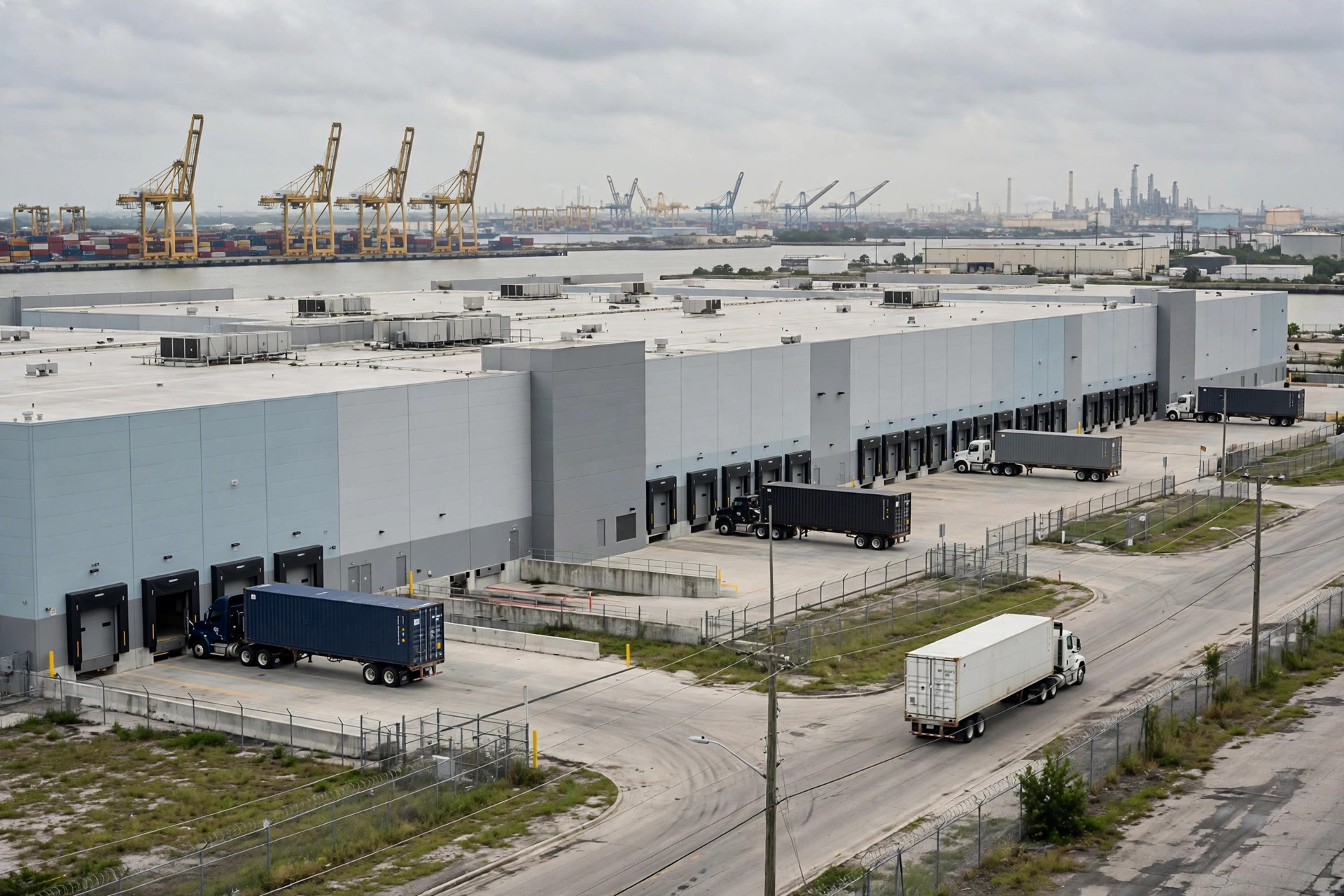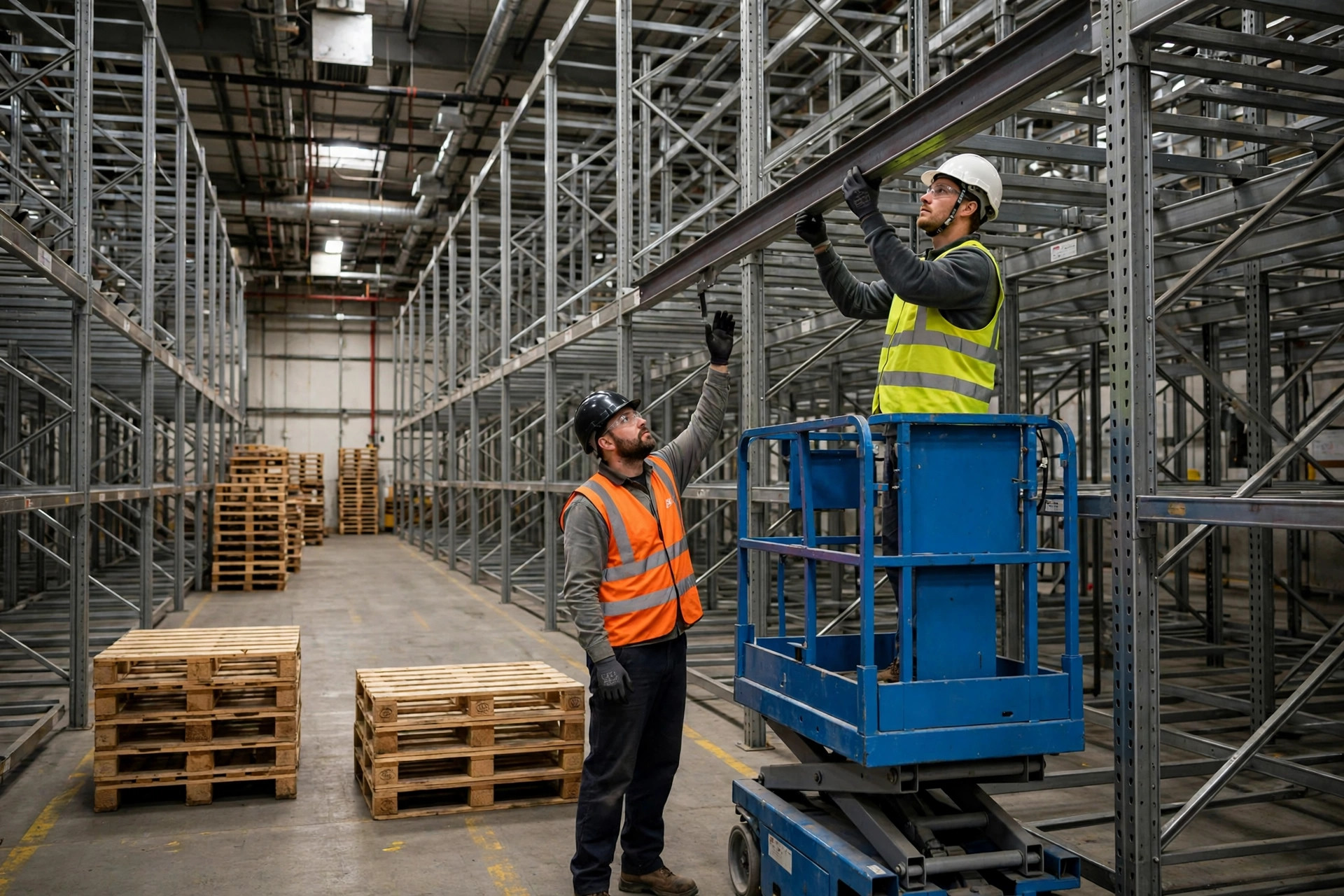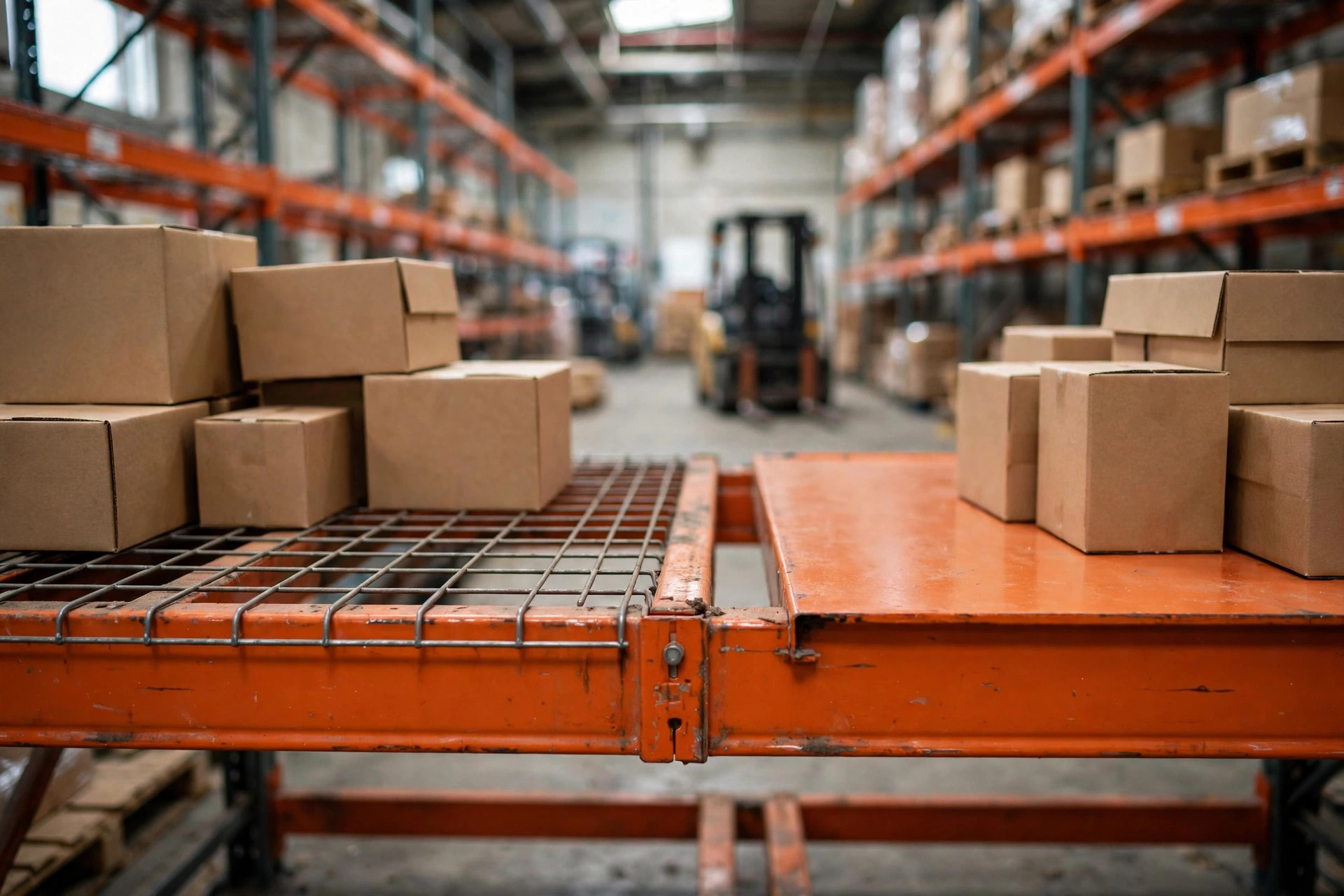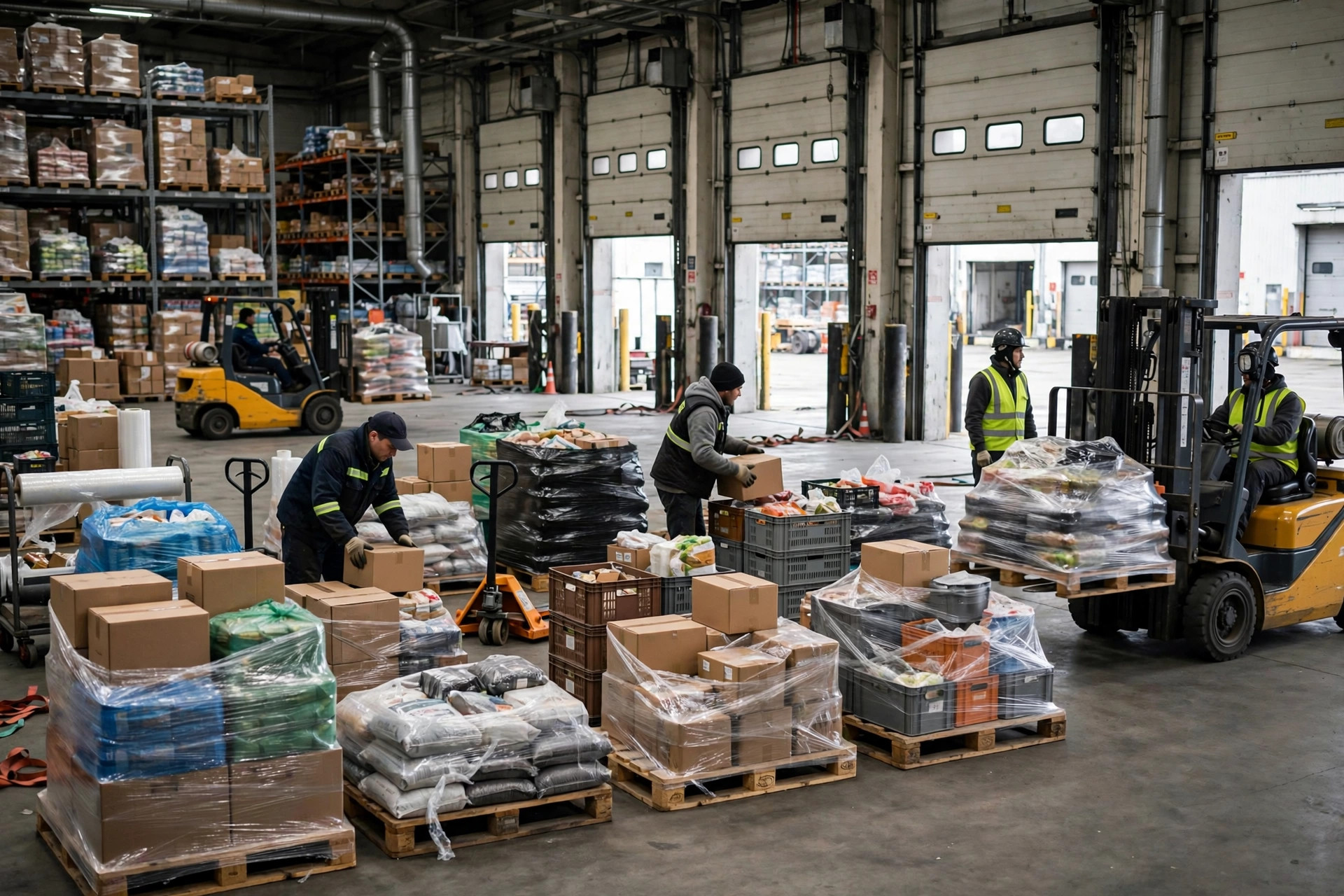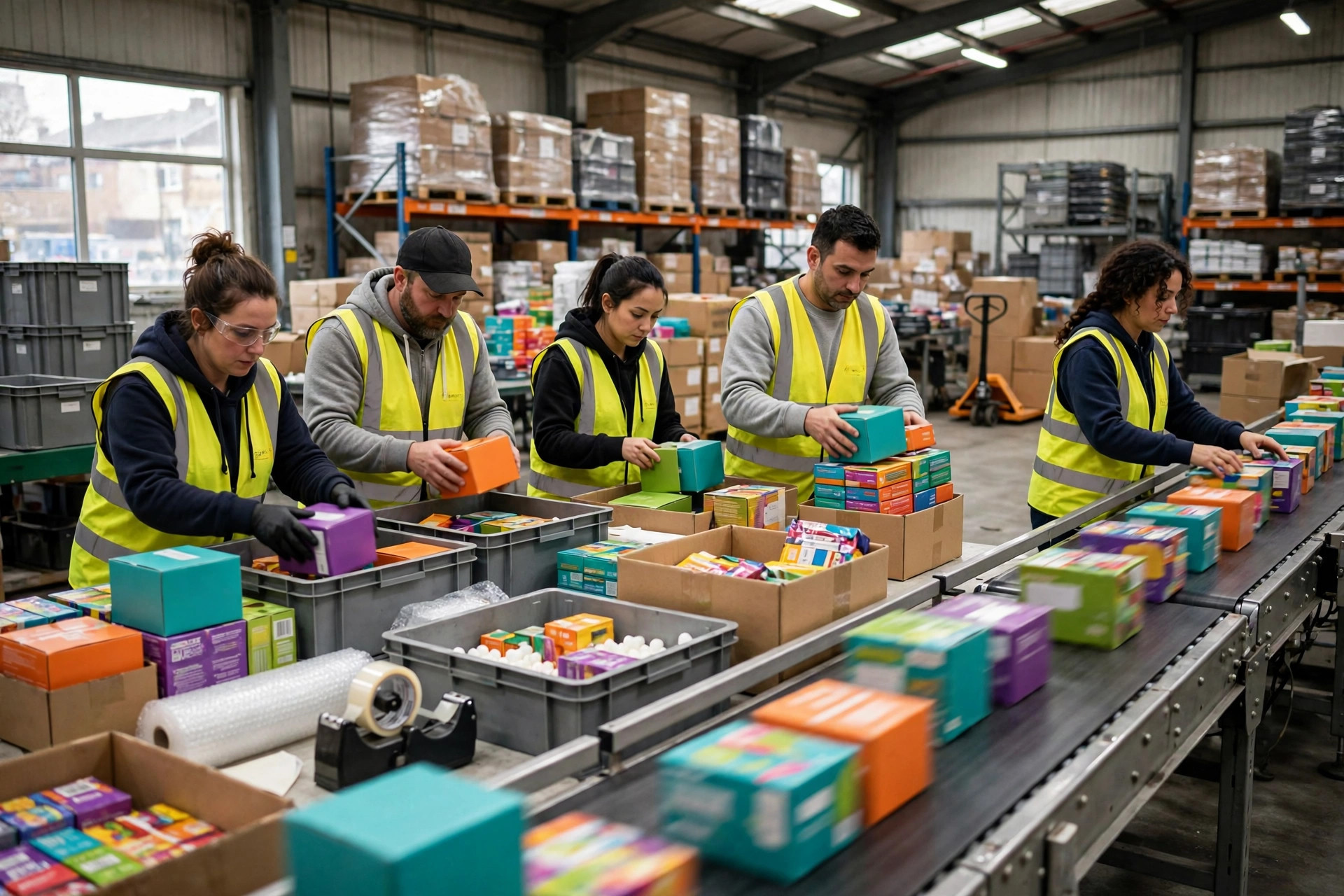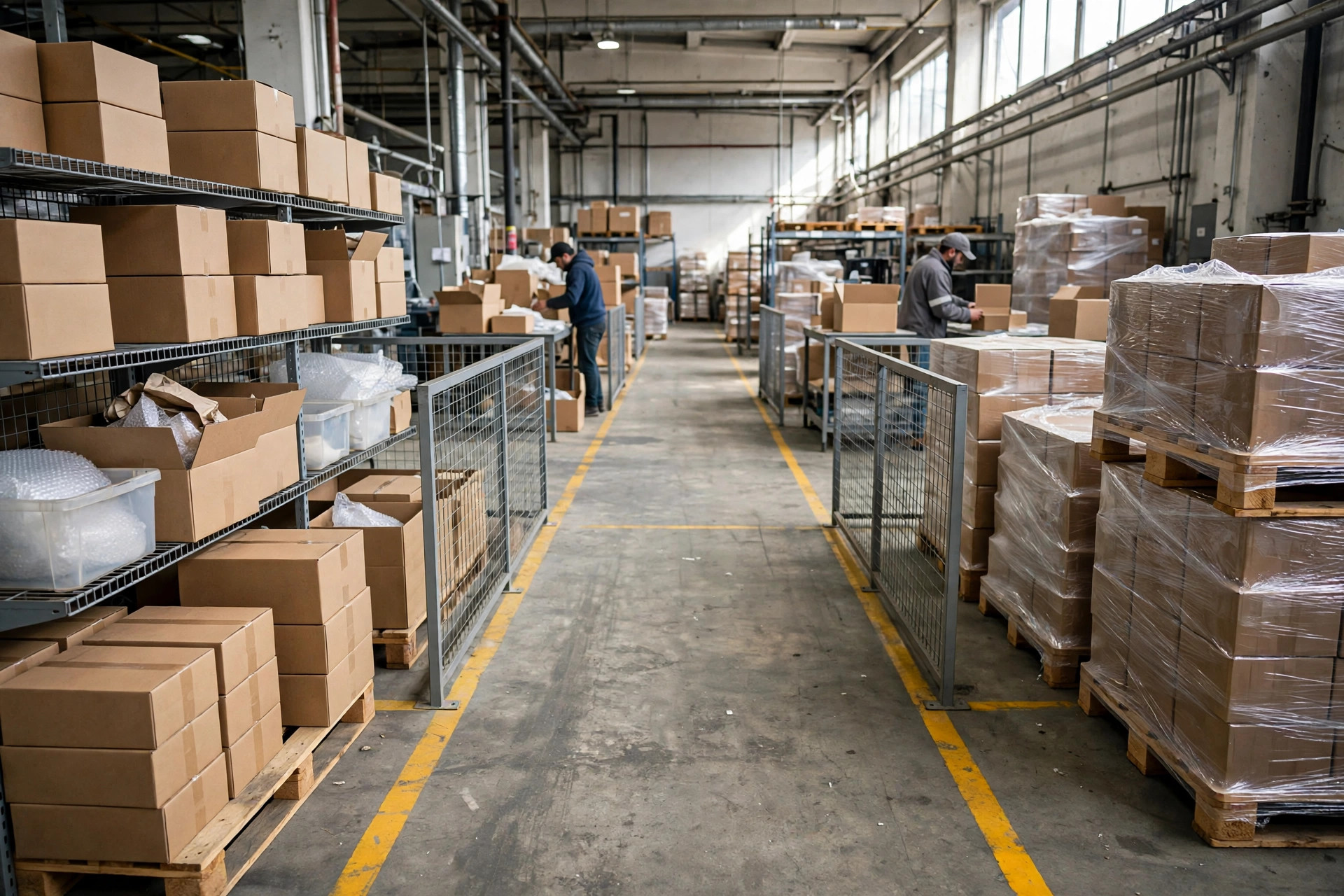
We had a client who sells pet supplies. In the fall of 2024 he moved into a shared warehouse east of Los Angeles as a subtenant. The place was 12,000 square feet, leased by an outdoor gear company that was only using about 70 percent of it. The pet seller needed roughly 200 pallet positions a month. Renting a small warehouse on his own would have cost him over 4,000 dollars a month. Moving in as a subtenant cost him just over 2,000. He signed on the spot. The two owners got along like brothers at signing. Three months later they nearly had a shouting match at the warehouse door. Why? Racks had crept over the line, a forklift had damaged the other guy's stock, and when the electricity and labor bills were split at month end, each of them felt ripped off.
I have seen this story play out many times. Shared warehouses that are papered properly turn into long, happy partnerships. Shared warehouses that are papered sloppily almost always blow up in the same three places: space that was never drawn precisely, responsibility that was never written down, and costs that were never thought through. Let me walk through all three.
Draw the Shared Warehouse Map Before You Talk Price
The first step in a sublease is not negotiating rent. It is drawing a map. Take the warehouse floor plan and color in each party's area: whose racking zone, whose picking zone, whose staging zone, and how the shared aisles and dock doors work. The drawing has to be precise down to rack rows and pallet positions. A contract that says "roughly one third" is an argument waiting to happen. The worst agreement I ever saw simply said "the east side." Nobody could agree where the east side started, because nobody had marked which column it started from.
Then there is the zone everyone forgets: flex space. Peak season hits and both tenants can overflow at once. Write one sentence into the agreement now: a price and a maximum duration for borrowing the other party's empty positions. For example, 1.50 dollars per pallet position per day, capped at two weeks. With that sentence in place, peak season does not require a negotiation. Before Black Friday 2023, a home goods client of mine borrowed forty positions from his warehouse neighbor at exactly that rate, survived a two-week surge, and both sides walked away satisfied.
Dock scheduling belongs in the same conversation. Two tenants sharing one dock door need a timetable, not goodwill. One receives in the morning, the other in the afternoon, written into a weekly schedule. That beats "we'll work it out" every single time.
Responsibility: Decide Who Pays Before Anything Breaks
The second blow-up zone is liability. Stock gets damaged in a shared aisle, goes missing, or gets hit by a forklift. Whose problem is it? And the everyday version of the same question: the shared forklift, the shared pallets, the shared packing bench. Who maintains them, who fuels them, who pays when they break?
I tell clients to write it in three layers. Layer one: inside your own zone, your stock is your responsibility. That part is obvious. Layer two: in shared aisles and at the dock, damage follows the job. Whose truck, whose operator, whose order, that party owns it, with photos taken on the spot and a report filed within 24 hours. Layer three: shared equipment gets a written list with a maintenance schedule and a cost-split ratio, and the rule is fix first, split the bill later. Never let a machine sit dead while two owners argue about who pays.
Insurance is the item most subtenants never raise, and it is the one that hurts most. Each party should insure its own goods, and both should confirm that the landlord's policy and the other party's policy actually cover the shared areas. In early 2024, a small fire in a shared staging area in Southern California damaged one tenant's stock, and it turned out neither policy covered that corner. The two owners ended up splitting the loss and spent six months arguing about it. One sentence in the contract would have prevented the whole mess.
One more detail: keys and access control. Who holds keys, who may enter whose zone, how visitors are logged. A shared warehouse is not a shared apartment. There is real inventory value on the floor, and loose access control makes every incident unprovable.
Here is another case worth knowing. In the summer of 2024, a small beauty tools seller moved into a warehouse shared with an apparel company in the Inland Empire, at a 30-70 space split. At signing they added one clause: on the last Friday of every month, they sit down for ten minutes and reconcile that month's electricity, labor, and consumables. That clause looks like extra work. In practice it is the most valuable clause in their agreement. Cost disputes never explode all at once. They accumulate, a small unclear bill at a time, until year end turns them into one big unprovable mess. A monthly reconciliation kills that accumulation early. That beauty seller told me later that this habit is exactly why they have never had a real fight.
Dispute resolution deserves one sentence too: negotiate first, then third-party mediation, and only then legal action, with mediation costs split evenly. The point is not that anyone will actually go to mediation. The point is that both sides pause before a small bill turns into a broken relationship.
Shared Warehouse Rent Is Only the First of Six Bills
Many small sellers compare subleases on rent alone, then move in and discover that rent is just item one. The real cost stack has at least six lines: rent, property charges and insurance, utilities, shared labor, equipment depreciation and maintenance, and consumables and management.
The split method I recommend is fixed plus variable. Rent and property charges follow the space ratio, because those are fixed. Utilities, labor, and consumables follow actual usage or order volume, because those are variable. Say two tenants split space 60-40, so rent splits 60-40. But if this month tenant A shipped 8,000 orders and tenant B shipped 2,000, packing labor and consumables should split 80-20, not 60-40. Fixed and variable split separately, and both sides can live with the result.
Here is the table I make clients complete before signing. No completed table, no signature:
| Cost item | Split basis | Settlement | | Rent, property, insurance | Space share | Monthly | | Utilities, internet | Space share or separate meter | Monthly | | Shared labor, forklift operators | Monthly order share | Monthly | | Equipment maintenance, consumables | Actual usage or order share | Monthly | | Temporary overflow, overtime | Actual cost, pre-approved | Within one week |
Finally, write the exit clause: how much notice, how the deposit comes back, how inventory clears out, and whether the other party gets first refusal on renewal. Even the friendliest sublease needs a dignified way out. A sublease with no exit clause is always ten times uglier to end than it was to start.
Here is the counterintuitive part. The most expensive thing in a shared warehouse is never the rent. It is the trust cost of everything left out of the contract. The more precisely the contract is written, the easier the relationship becomes, because nobody has to guess what the other side is thinking.
Next time you negotiate a contract, ask these three questions: is the space map drawn? Is liability split down to the third layer? Are costs split by space or by order volume? Get those three answers right and the sublease is most of the way to working.
By Susan, 3PL Sales Director