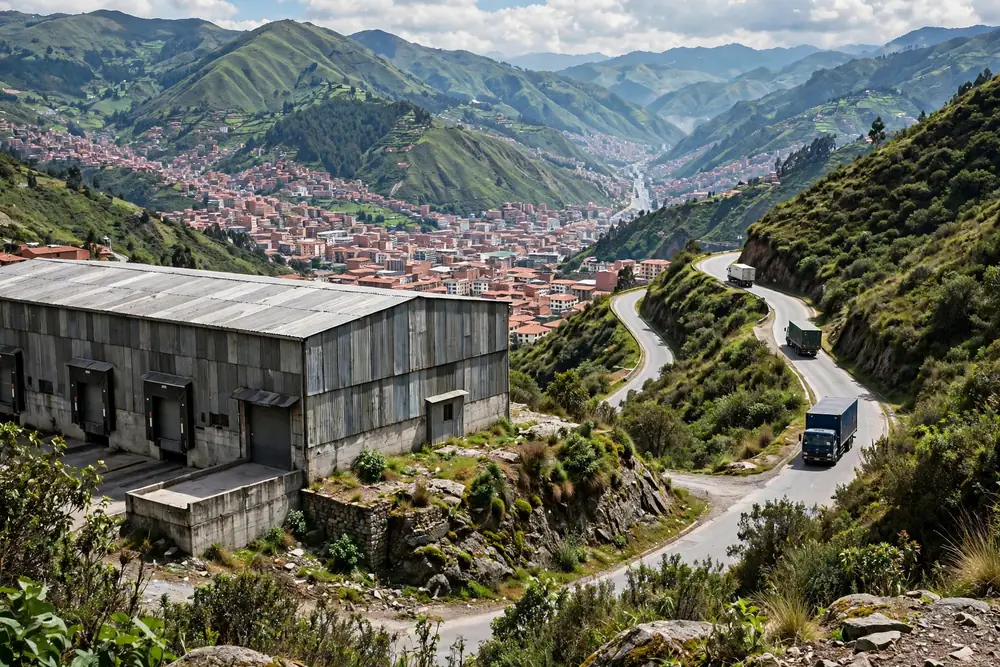
Let me tell you straight, when people talk about bucaramanga colombia warehouse logistics, most of them have only looked at a map, and a map will lie to you in the mountains. Bucaramanga is the capital of Colombia's Santander department, a city built on a plateau in the Andes, and it serves a big market across the northeast of the country. On paper the distance from the coast does not look frightening. On the road it is a different story. The climb is full of bends, the weather turns without asking permission, and your average speed is whatever the mountain says it is that day. I have driven trucks for fifteen years, and I can tell you this: if you plan a mountain run with flatland math, you will be late, and the warehouse crew waiting at the dock will pay for your optimism with their whole afternoon.
I learned that the hard way more than once. A while back I was helping watch a load of small appliances headed inland from the Caribbean coast. The dispatcher had taken the navigation estimate, added what he thought was a comfortable cushion, and promised the customer a delivery day. Then the rain came down in the hills, the trucks had to crawl through the bends, and the final stretch into the city ran straight into evening traffic. The load reached the dock half a day late. The customer was calling every hour, the driver was stressed to the limit, and none of that pressure made the road one metre shorter. After that trip, my friend changed his rule for good: anything going to Bucaramanga gets extra buffer, no exceptions, and nobody promises a tight arrival time just to sound good on the phone. In mountain country, a promise you cannot keep is worse than a slower promise you can.
bucaramanga colombia warehouse logistics starts with the climb
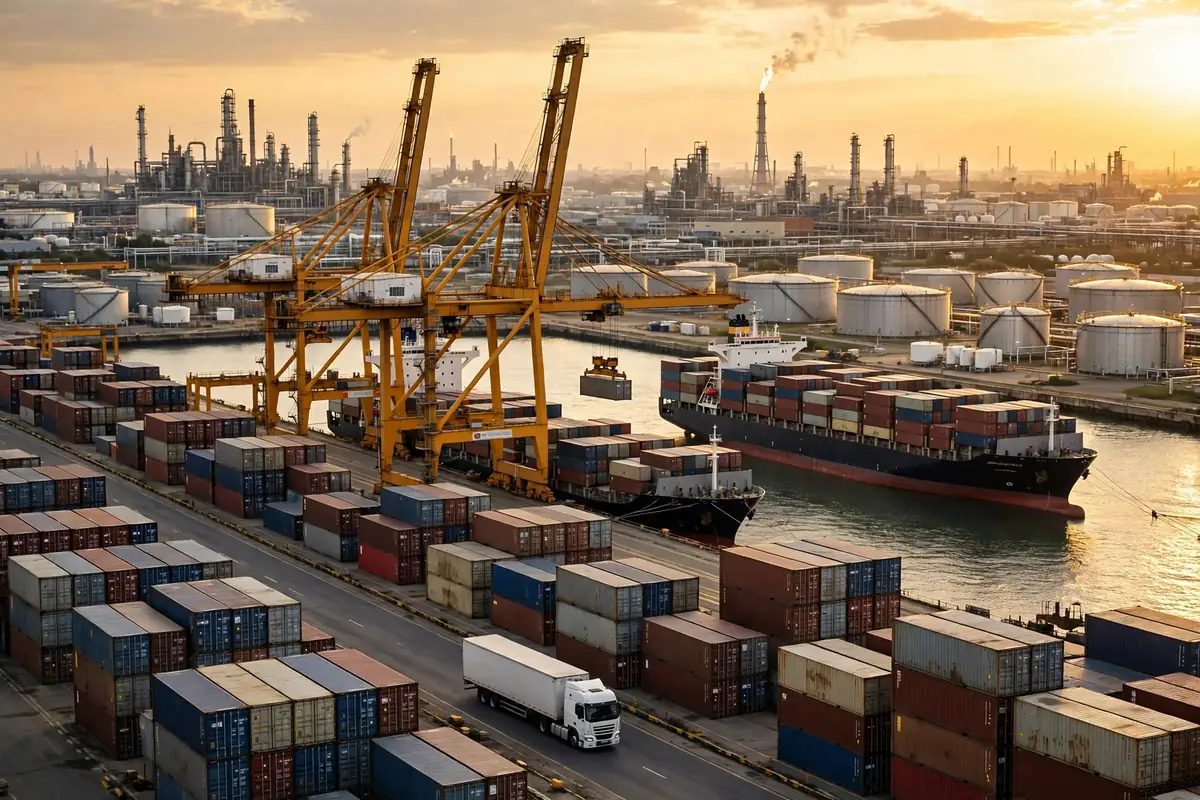
Freight for Bucaramanga basically comes from two directions. One is the Caribbean ports, places like Cartagena and Barranquilla, where containers come off the ship and start the long road inland. The other is Bogota, where goods are consolidated in the capital region first and then sent northeast. Newcomers always ask me which route is better, and my answer annoys them: it depends on the load, not on the line you draw. Here is the part that surprises people. A direct haul from the port looks cleaner because you handle the goods one less time, but it is not always faster or steadier. When rain or road works hit the mountain sections, the port route can swing wildly. The Bogota route adds a transfer, yet departures are more frequent, trucks are easier to find, and if something goes wrong you have more ways to recover. Small, urgent, time-sensitive freight often does better through the capital. Big, patient, full-truck loads are the ones that make the direct port run pay.
Let me lay out an illustrative scenario, and I mean illustrative only, not a quote from any carrier. Say you have ten pallets to move. The direct port option shows a lower line-haul price, but you carry the risk of delay, missed selling days, and a rushed replacement truck if the plan falls apart. The Bogota transfer option adds a handling fee and a short extra leg, and in return your arrival window tightens up and your customer stops calling. Put both options on one page, with the hidden costs included, and the cheaper-looking road is often the expensive one. I have watched shippers save a little on freight and then spend far more cleaning up a late delivery. Pick the road that fails the least, not the road that measures the shortest.
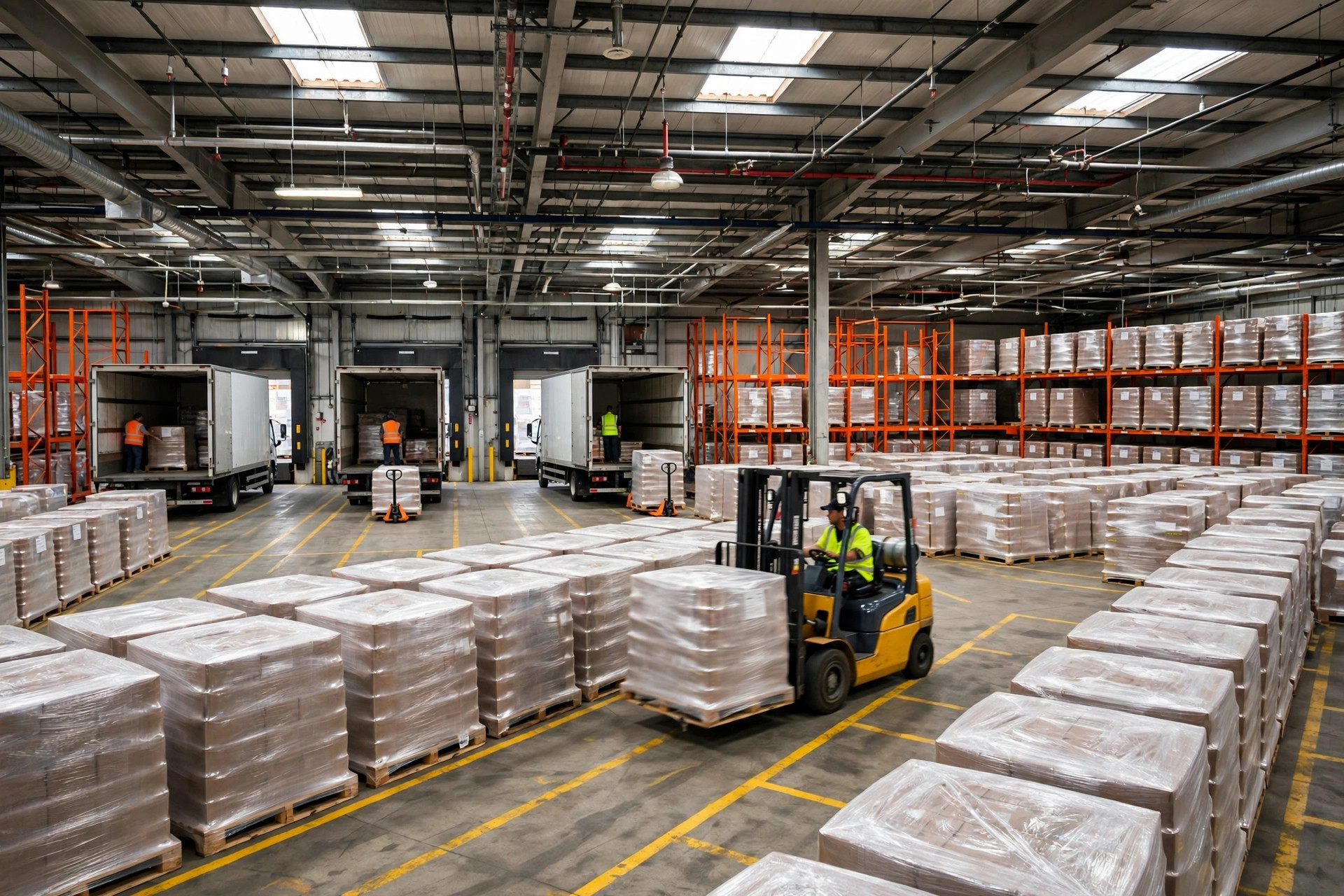
The last stretch into the city deserves respect too. Bucaramanga's streets follow the terrain, and some districts are simply awkward for a loaded truck: tight turns, slopes that get slippery in the rain, docks with no room to wait. Before you sign for any warehouse, drive the approach in a real truck. In 2023 I went with an auto-parts shipper to look at a site outside the city that he loved on sight, big floor, fair rent, everything neat on the listing. I asked a driver to run the entry and exit with a loaded vehicle before anyone signed anything. One sloped section turned out to be a genuine struggle under load, and worse in wet weather. That single test killed the deal, and rightly so. They took a slightly less pretty site with a clean approach instead, drivers stopped refusing the run, and within months the saved waiting and detours had covered the rent difference. A warehouse can look perfect in photos. The wheels will tell you the truth in ten minutes.
bucaramanga colombia warehouse logistics and the radius you can really serve
Every shipper I meet wants to draw a big circle around Bucaramanga and call everything inside it their territory. In the mountains, a circle is a fantasy. A hundred kilometres on the flat might be a relaxed drive. A hundred kilometres of bends and climbs can eat half a day, and the weather still gets a vote. So do not measure your delivery radius in kilometres. Measure it in hours, and in one simple question: can the driver go out, deliver, and get back the same day? Beyond that same-day line, your cost structure changes completely, because now you need relay points, local partners, or overnight runs, and each of those has to be planned and priced on its own terms. Bucaramanga works best as the distribution heart for Santander and the closer surrounding market. For towns beyond the honest radius, a partner's depot will often serve your customer better than your own truck heroically grinding over the hills.
There is one more thing drivers understand and shippers forget: the trip back. Mountain lanes are famous for full loads going in and empty trucks coming out, and trust me, that empty return is already inside the rate you were quoted. If your shipping rhythm is steady, you can do something about it. Share return-load information with your carrier, help match even small backhaul freight, and you will be amazed at how your standing changes. I know a building-materials distributor in the region who started coordinating return loads with his regular fleet. Nothing fancy, just consistent communication. Within a season he was getting the reliable trucks and the honest prices, because he had made himself the customer who helps a carrier earn on both directions. Trucking is a two-way business in every sense.
For sellers and cargo owners coming from China or anywhere else abroad, my advice is plain. Do not import next-day expectations into a mountain market; reliability beats speed here, every time. Keep your fast-moving stock inside the city instead of chasing it up the hill after the order lands. Choose local partners for what they know about these roads, not only for the number on their quote. And keep the paperwork and the updates flowing while the truck is climbing, because a customer who knows where the freight is will wait calmly, and a customer left in the dark will not. Do bucaramanga colombia warehouse logistics well and it comes down to respecting the terrain, leaving honest buffer in every plan, and picking a site your drivers actually like serving. The old road saying holds true out here: distance tests a horse, and time tests a carrier. Be the shipper whose loads are known to be ready, fair, and realistic, and good trucks will find you.
By Shifu Zhao, Trucking Veteran (15 yrs)