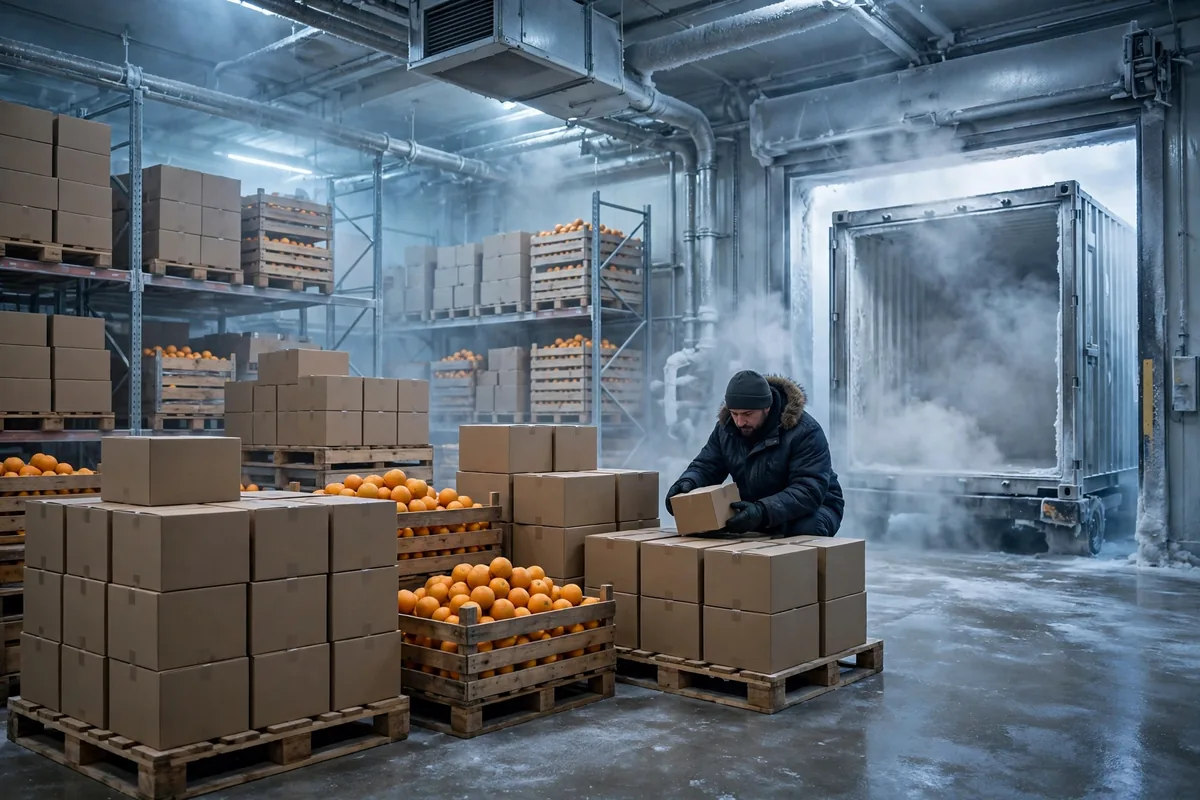
Excerpt: The Brazil orange juice export cold chain looks simple on paper — set the temperature, load the reefer, done. I learned the hard way that juice doesn't spoil on the ocean. It spoils in the handoffs nobody watches.
Let me be blunt: in the Brazil orange juice export cold chain, nine out of ten newcomers lose money in the exact same place. They think that once the thermostat is set right, the job is done.
I've sold food and drink cross-border for five years. Orange juice is one of the fussiest products I've ever touched — not because it's hard to handle, but because it goes bad quietly. By the time you open the container at the destination port and find the flavor off and the color dull, you're looking at two months of claims, and the cargo value, the freight, and the storage fees are all gone. This post is about one thing: how to run the chain from grove to reefer so a container of good juice doesn't die halfway there.
Where the Brazil Orange Juice Export Cold Chain Actually Burns Money
Cold water first: Brazil is the world's biggest orange juice exporter, shipping roughly 70% of the world's traded orange juice. That means the market is brutally competitive, and nobody wins on sourcing alone. You win on delivering the juice intact.
My first brush with Brazilian orange juice was helping a friend who imported juice. His spreadsheet looked beautiful — purchase price, freight, duties, healthy margin per case — until I asked one question: where's the line for cold chain breakage? He went quiet.
The journey has seven or eight handoffs, minimum: grove, truck, processor, cold store, Santos, reefer, ship, destination warehouse. Every handoff is a chance for the chain to break, and the damage isn't linear — one temperature excursion knocks a whole container down a quality grade, and no paperwork fixes that.
Grove to Factory: The First Mile Nobody Talks About
Everyone wants to talk about reefers and sailing schedules. Nobody wants to talk about the road from the grove to the processing plant. That's a mistake — this stretch is where shipments quietly die.
São Paulo state grows most of Brazil's oranges, and the drive from grove to plant can be an hour or a full day. Picture an open truck hauling freshly picked oranges under the Brazilian sun. The fruit is still breathing, still generating its own heat. Oranges aren't gold bars — they're alive when picked, and they're busy consuming themselves.
My friend's first shipment died right here. He hired a cheap local trucking outfit with no refrigeration, and by the time the fruit reached the plant, a share of it had already gone soft. Juice yield dropped, acidity came in inconsistent, and the processor downgraded the batch and cut the price. What he saved on trucking didn't come close to covering that haircut.
My approach is unglamorous, but it works. First, fruit picked today goes into the plant today — overnight fruit is a hard no. Second, transport has to be in a reefer truck, or at minimum a shaded, ventilated one, and the contract spells out acceptance standards at the gate: temperature, soft-fruit ratio, and a price deduction if they miss. What's in the contract protects you. What's not in it is a hole you dug yourself.
Here's the counterintuitive part: people assume the fruit stage doesn't matter much, because the juice gets pasteurized and concentrated later anyway. Wrong. Raw fruit quality sets the ceiling for the concentrate. The cold chain starts at the first mile, not at the cold store.
Concentrate and Not-From-Concentrate Are Two Different Businesses
This is the mix-up I see most often in newcomers. Brazil exports two main kinds of orange juice: frozen concentrated orange juice (FCOJ) and not-from-concentrate (NFC) juice. The names differ by a few words. The cold chain requirements are worlds apart.
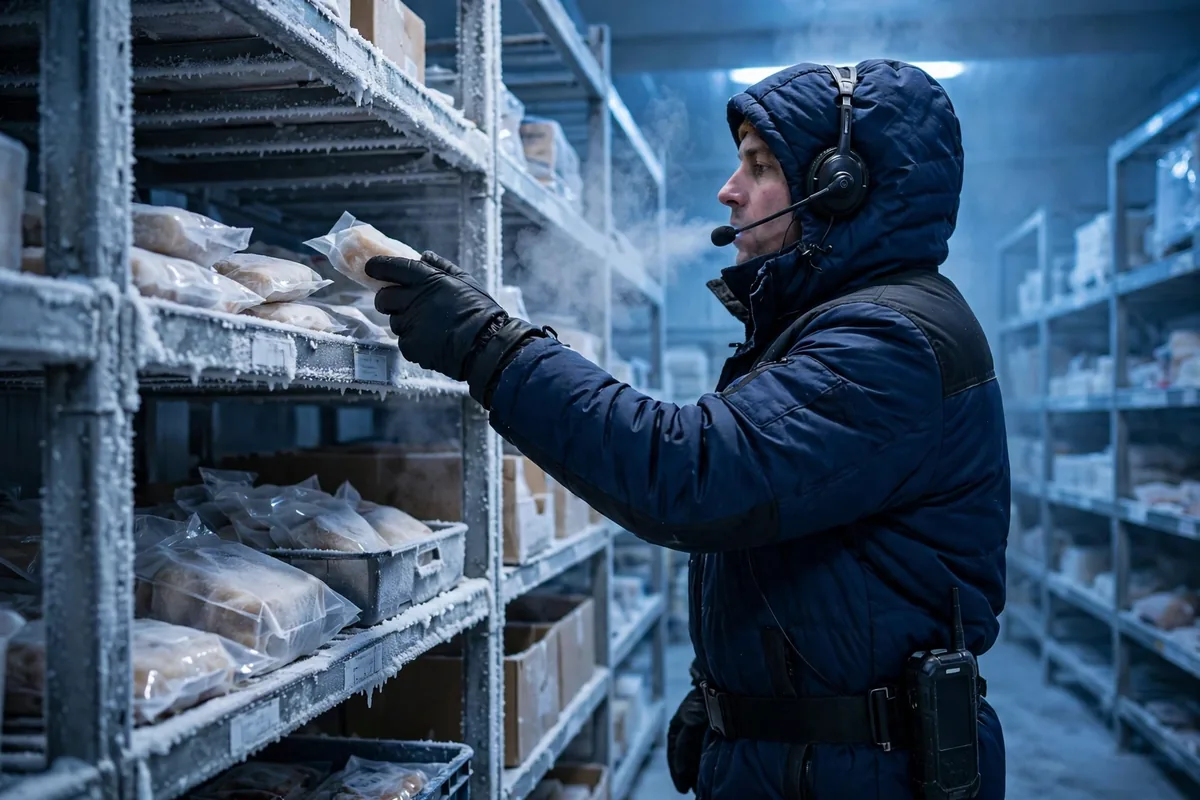
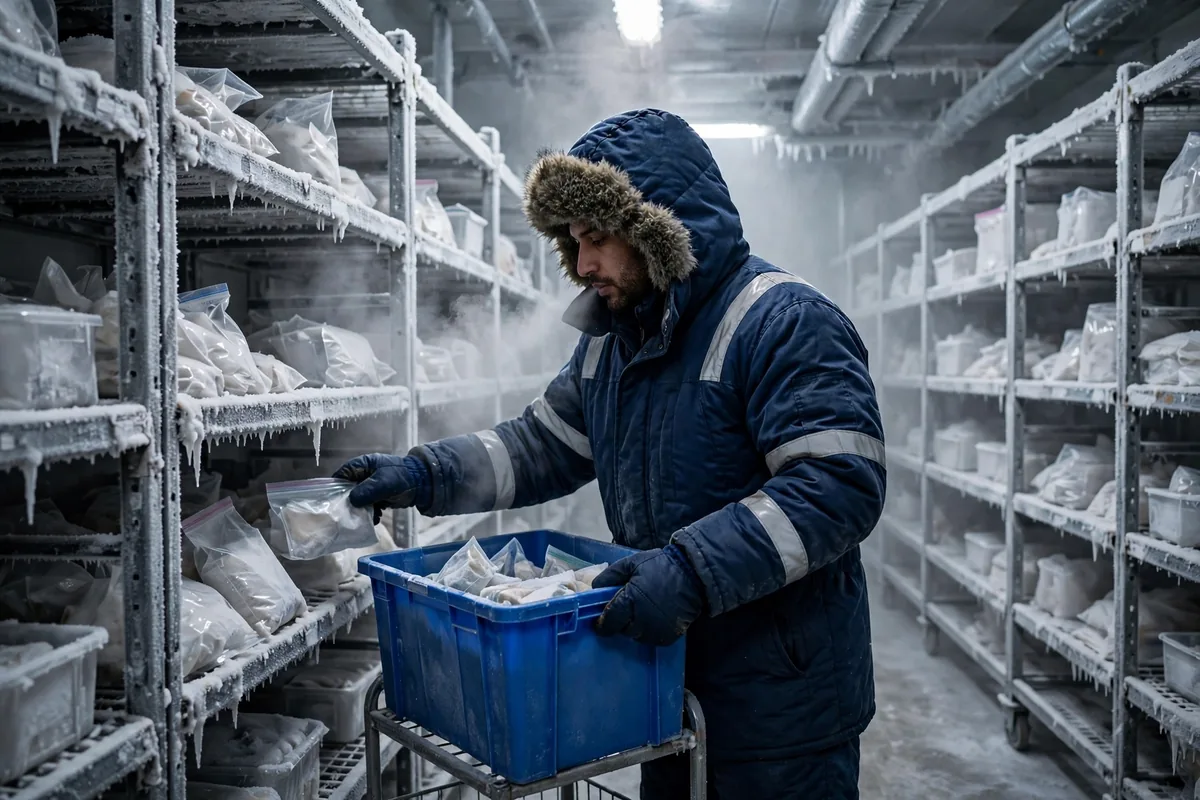
Frozen concentrated orange juice, under the industry's standard storage guidance, is held at -18°C or colder, with a shelf life of around a year. Concentrated to roughly 66° Brix, it's tough and forgiving. NFC is a different animal: pasteurized single-strength juice, kept chilled at roughly 0–4°C, with a shelf life of just two to three months. Let the temperature drift and the quality is gone.
So before you pick a product, ask yourself one question: which one am I actually selling? Concentrate goes in a frozen reefer and the game is cost and scale. NFC goes in a chilled reefer and the game is speed and an unbroken chain. Run an NFC business on a concentrate budget and you'll be dead before you know what hit you.
Here's the comparison I keep on my desk when scoping a shipment. The numbers come from published industry storage guidance, not from my gut:
| Frozen concentrated OJ | Not-from-concentrate juice | |
|---|---|---|
| Storage temperature | -18°C or colder | 0–4°C chilled |
| Shelf life | Around 1 year | Around 2–3 months |
| Transport | Frozen reefer | Chilled reefer, unbroken chain |
| Temperature sensitivity | Relatively tolerant | Extremely sensitive |
| Suits whom | Volume players competing on cost | Premium players competing on speed |
See the difference? Concentrate is the tough guy. NFC is the VIP guest.
The Port Is Where It Actually Gets Ugly
If the grove-to-factory leg is the hidden trap, the Port of Santos is the obvious one. Santos is Latin America's largest container port and the main gateway for Brazilian orange juice exports. But when peak season hits, you get queues, congestion, rolled bookings, the works.
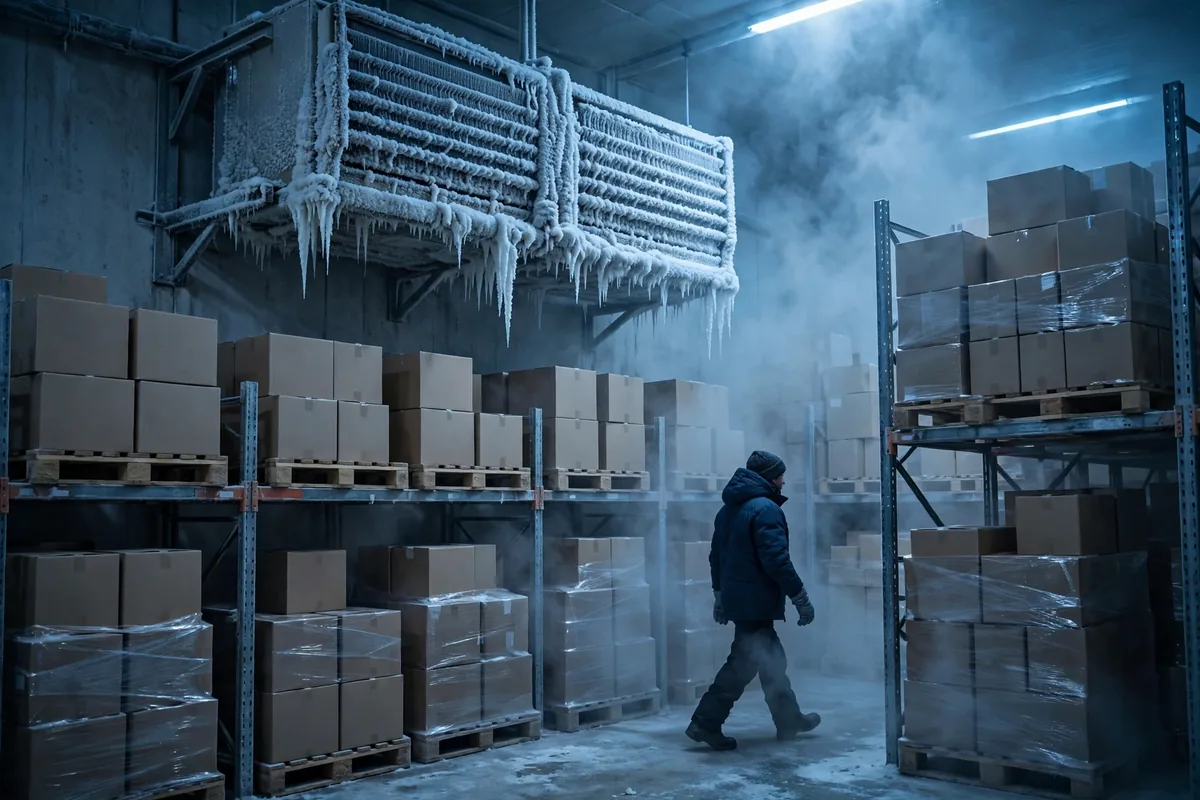
My friend's second shipment died at the port. It was peak season in 2025, and a container of NFC juice sat at Santos for days waiting for its vessel. The reefer was plugged in — that wasn't the problem. The problem was before loading: the cargo came out of cold storage to the terminal yard, spent hours exposed, and the container hadn't been properly pre-cooled. The temperature curve went off the moment the doors closed. By the time the box reached the US East Coast, the customer rejected it on flavor. That one container wiped out more than he'd made in the previous three months.
After that I made myself three non-negotiable rules for the port leg. First, pre-cool the reefer before a single carton goes in — loading into a warm box and expecting the unit to pull it down is like using the cargo as a refrigerator. Second, load fast and load continuously. Third, temperature loggers travel with the cargo — two of them. One rides with the container, and I stick an independent one inside myself. At the destination port, you compare the two data sets and the liability question answers itself.
One more honest number: the "about two weeks" on the sailing schedule is just the ocean leg. Add port waiting, customs, and inland trucking, and the full chain is easily a week longer. Plan NFC inventory on the ideal timeline and you'll be staring at empty shelves.
Let's Do the Math: Is the Cold Chain Worth It?
Talk is cheap. Here's a hypothetical worked example at a typical single-container scale — treat the figures as an illustration and get real quotes for your own lane. Say one container of NFC juice is worth roughly US$30,000. A chilled reefer plus port cold-handling surcharges costs noticeably more than a dry box. Add independent temperature loggers, priority port handling, and insurance, and the full cold chain premium runs about 3–5% of the cargo value.
Now flip it around. One break in the chain and the container gets downgraded — a loss of 20–30% of the cargo value, easily, before you count claims, returns, and lost customers. A 3–5% investment to push down the odds of a 20–30% loss. Even I can do that math. Cold chain spending isn't a cost, it's insurance — and colder isn't automatically better. Setting the reefer below standard just burns power without protecting the cargo. Accurate beats cold, and stable beats aggressive.
My suggestion: build your own breakage cost sheet for the Brazil orange juice export cold chain. For every shipment, write the cold chain premium next to the loss if the chain breaks. Do it for ten shipments and you'll know exactly where your money should go. This trick actually works — I tested it myself.
The Pre-Shipment Checklist I Actually Use
Raw material: picked today, in the plant today; reefer trucks only; acceptance standards written into the contract. Processing: confirm whether it's concentrate or NFC, and set temperatures to the product, not to habit. Storage: check cold store temperatures twice a day, keep the logs, re-verify before dispatch. Port: pre-cool the reefer, load fast and continuously, two temperature loggers with the cargo. Paperwork: duties and inspection rules change — check the official source for the latest policy.
One more honest word: this business doesn't reward the bold. It rewards the careful. Juice can't talk. It won't warn you before it goes bad. By the time you find out, the bill is already on its way. So stop asking whether the cold chain can be cut. Ask yourself: if this container goes bad, can I afford it? If not, do the cold chain properly. This trick actually works — I tested it myself.
By Ah K, E-commerce Seller (5 yrs)