Let me tell you something I've learned after all these years on the road: whether your cargo gets into Bolivia has little to do with how early you booked the vessel. It comes down to how well you know the Bolivia import transit lane.
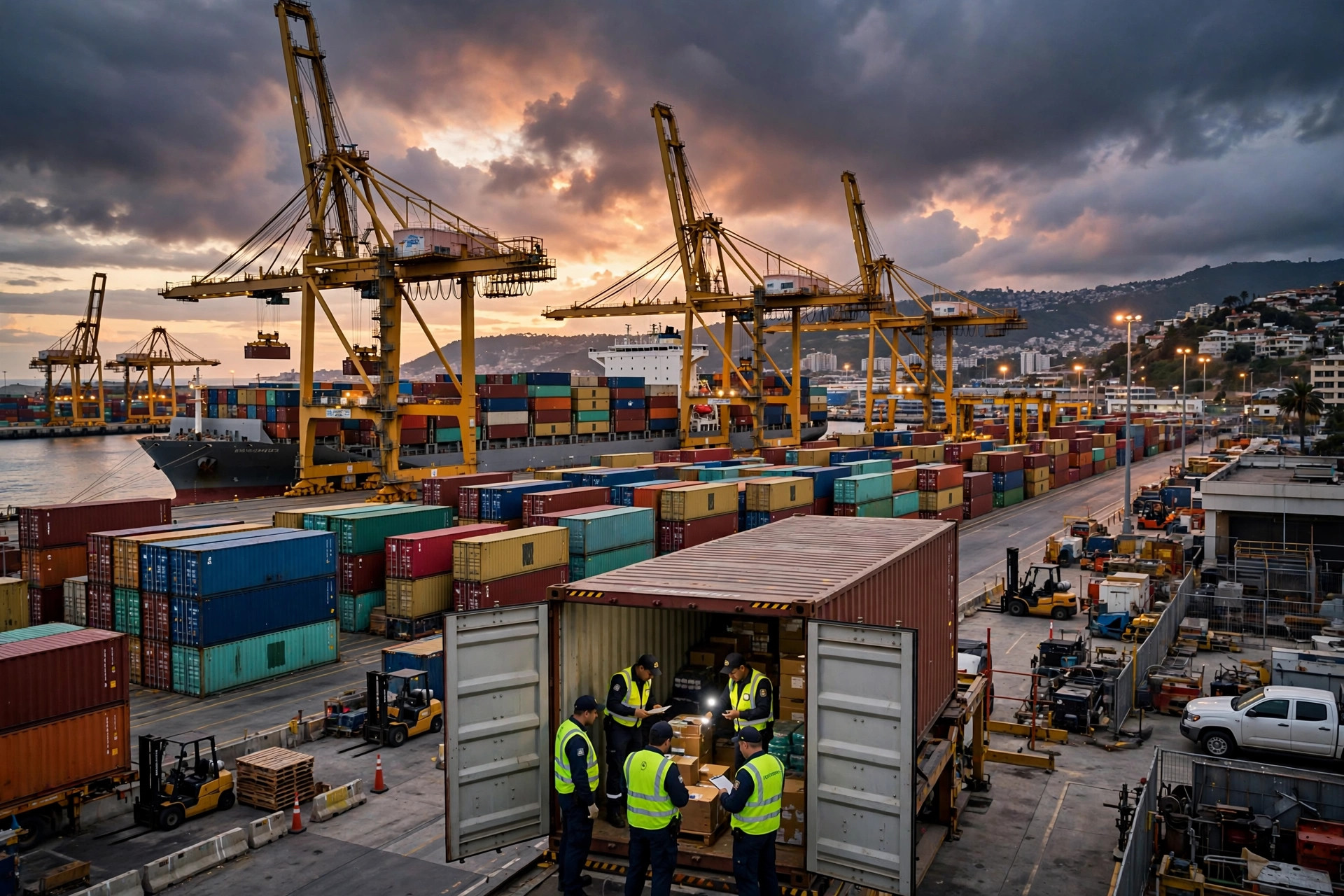
Last year outside the port of Arica, I met a shipper from Ningbo with a 40-foot box of auto parts. The vessel had arrived 20 days earlier. The container was still sitting in the yard. He asked me, "Shifu Zhao, what's holding my box?" I glanced at his paperwork: "Brother, the consignee on your DTA doesn't match the bill of lading. Bolivia's customs office here in Arica won't release it. No point standing here getting angry."
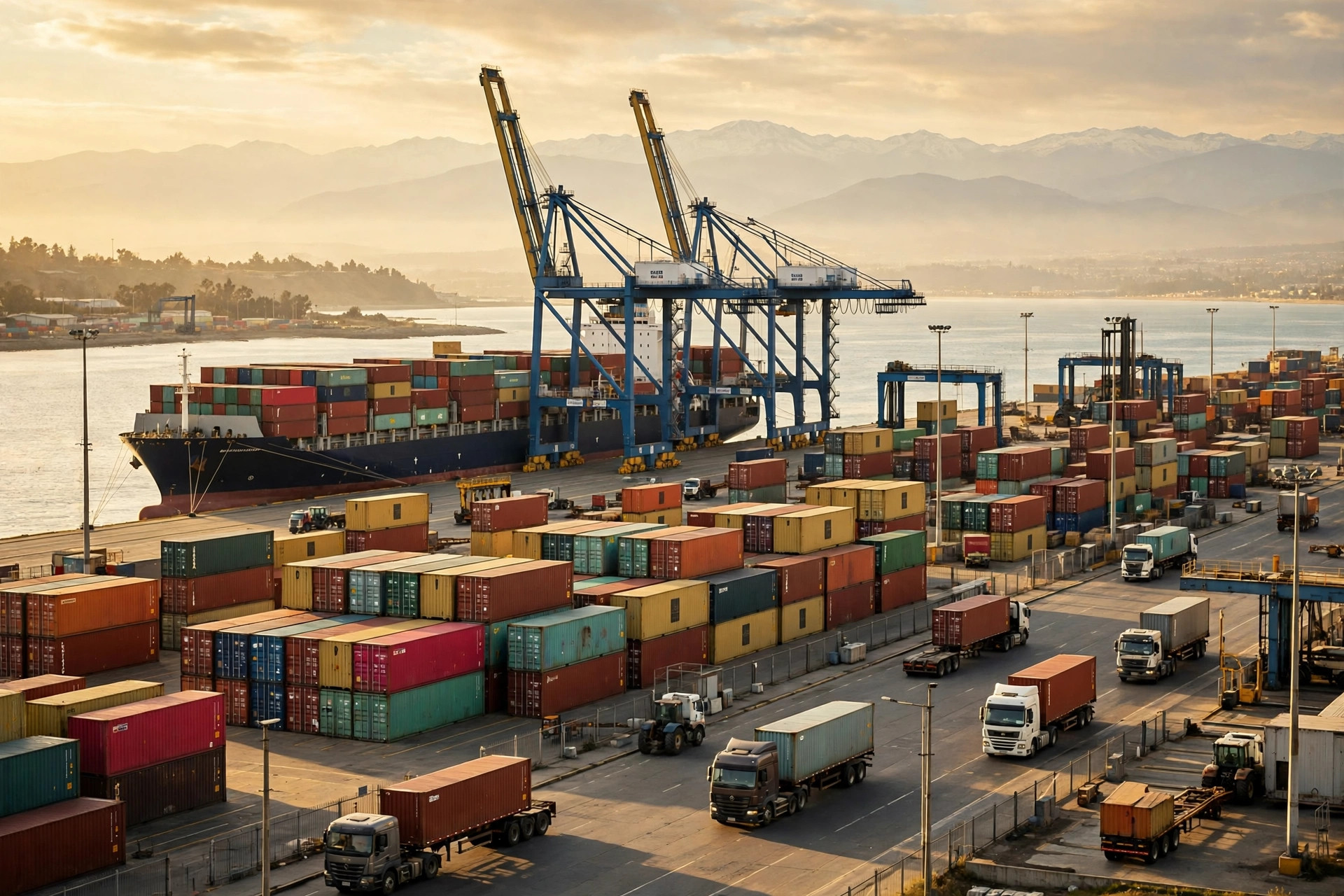
Bolivia is one of South America's few landlocked countries. Not an inch of coastline. Every import comes in through Chile's ports in transit. I've run South America lanes for years, and Bolivia import transit plays by its own rules: Bolivia keeps its own customs office inside Chile's ports, and under treaty its imports get free port storage. One wrong character on a document, and the box doesn't move.
The Bolivia Import Transit Map: How the Three Ports Split the Work
Bolivia's imports flow through three Chilean ports: Arica, Iquique, and Antofagasta.
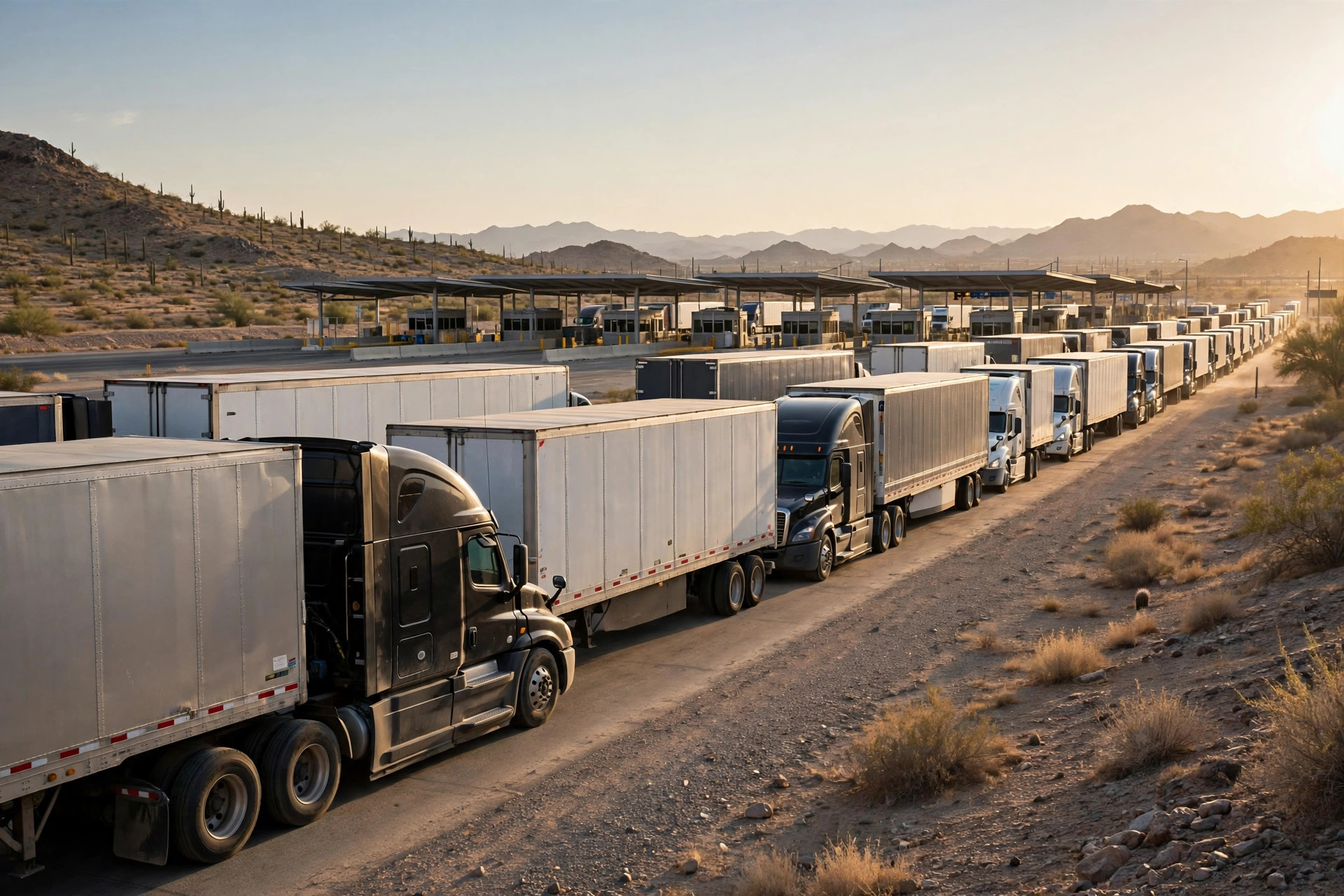
Arica is the big one. Published industry data puts roughly 60 percent of Bolivia's imports through Arica. Why? It's close. Arica to La Paz, Bolivia's capital, is about 488 kilometers, the shortest of the three. The truck loads the box and heads east over the Andes. In normal conditions that's a one-to-two-day run, far shorter than the alternatives.
Then there's the one-of-a-kind treaty deal: under the 1904 Treaty of Peace and Friendship between Chile and Bolivia, Bolivian imports get free storage at Chilean ports, up to one year. Read that carefully: free storage, not free everything. Terminal handling, lift-on/lift-off, and documentation fees still apply. It's the only arrangement of its kind in the world. Bolivia also runs its own customs office inside the port of Arica, so your box can clear Bolivian import formalities right at the Chilean port instead of waiting until La Paz.
Iquique is the free-zone play. Iquique hosts the Zofri free trade zone, and shippers doing re-export or distribution love it: cargo enters the zone without duties being paid, and clears into Bolivia only once the buyer there is confirmed. The tradeoff is distance: a longer haul to La Paz, so trucking time and cost both run higher.
Antofagasta is the mining corridor. Bolivia's minerals go out through here, and mining equipment and consumables come in. Regular consumer goods rarely use this port.
Here's what I tell shippers: eight out of ten start by asking "which port is cheapest." That's the wrong first question. Pick the port by where the cargo is going: Arica for La Paz and the western highlands, Iquique for re-export and distribution, Antofagasta for the mining regions and the south. Get the lane right and the math works itself out. Get it wrong and every dollar saved on port charges gets eaten by trucking.
The Transit Paperwork Chain: Which Document Traps Your Box
The Bolivia import transit paperwork chain turns on two documents: the MIC and the DTA.
The MIC (Manifiesto Internacional de Carga) is the international cargo manifest issued by the carrier. It certifies the shipment as "transiting Chile, destined for Bolivia." The DTA (Declaracion de Transito Aduanero) is the transit declaration your forwarder or customs broker files with Chilean customs. With those two, the box can leave the Chilean port in transit status and roll toward Bolivia.
The sequence runs like this: vessel arrives at Arica → transit release with Chilean customs on the MIC and DTA → box mounts a truck → Bolivian import declaration at Bolivia's customs office inside the Arica port (yes, Bolivian customs operating on Chilean soil, that's the treaty arrangement) → truck crosses the border → customs clearance and pickup in La Paz or the final destination.
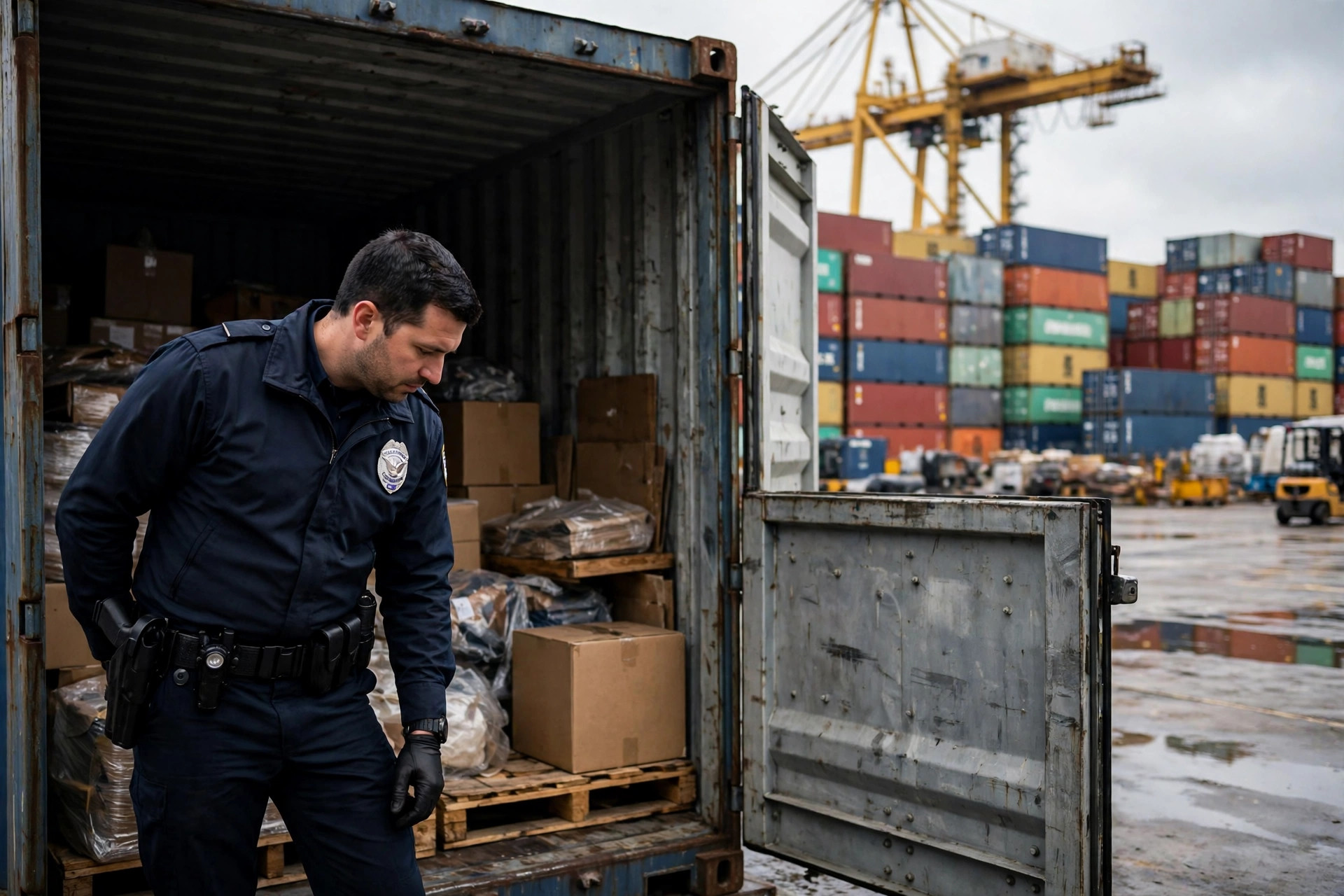
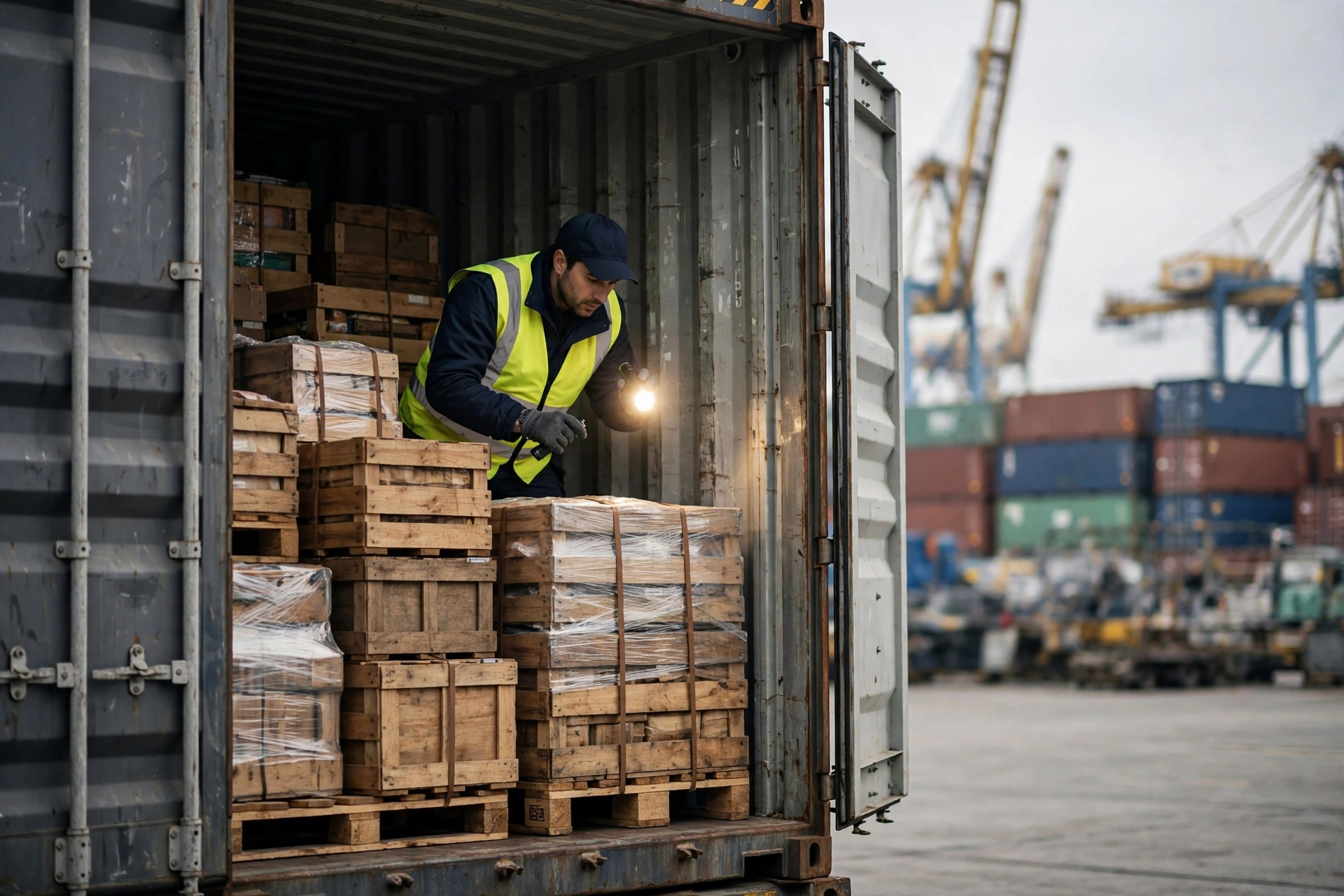
That Ningbo shipper's box from my opening story got stuck on the DTA. His forwarder had written the Ningbo company's English name as consignee on the DTA, while the bill of lading showed the Bolivian buyer's Spanish name. The two names didn't match. The Bolivian officer's verdict: "This is not the same shipment." The box slept in the yard for 12 more days. What does 12 days mean? The free-storage treaty meant no warehousing bill, but the shipping line still charges demurrage. A few dozen dollars a day, 12 days, and close to a thousand dollars is gone, not counting the buyer's stockout losses.
So my first rule for shippers never changes: before loading, line up the MIC, DTA, bill of lading, invoice, and packing list. Same consignee name, character for character. Matching product descriptions in both languages. On this lane, a paperwork typo bills you by the day.
The Real Math of One Container: Money and Time
Shippers always ask me: "Shifu Zhao, a 40-footer from Arica to La Paz, how much, how long?" Here's how I break it down.
Four cost buckets:
First, the Chilean port leg: discharge, yard storage, lifts. Remember, the treaty waives storage for up to a year, but handling, lift, and documentation fees still apply. Get an itemized quote, not a single "all-in" number.
Second, transit declaration fees: the DTA filing and the Bolivian import declaration in Arica, billed as broker service fees.
Third, trucking: Arica to La Paz is about 488 kilometers, priced per truck for a 40-footer. The road climbs the Andes from sea level to over 3,600 meters, and timing gets unreliable in the rainy season. Lock your trucking price ahead of peak season.
Fourth, Bolivian-side clearance and duties: duty rates follow the Bolivian customs tariff in force and vary widely by product. Never apply last year's rate to this year's shipment; have your agent confirm in writing by HS code.
On timing, from my years on this lane: with clean paperwork, transit release and loading takes two to three days after arrival, trucking one to two days, clearance and pickup in La Paz another day or two. About a week when everything goes right. One paperwork mismatch, and you're living the 12-day story above.
Here's the counterintuitive part: on the Bolivia transit lane, the most expensive thing is usually not the freight. It's the time lost to bad paperwork. Free storage for a year has bred a generation of "no-rush" shippers: storage is free, so the documents can wait. Then demurrage, buyer claims, and tied-up working capital add up to far more than the freight ever cost. The smart shippers flip it around: they stage cargo at Arica ahead of demand, use the free yard as a forward stock point, and clear into Bolivia the moment the buyer orders. Their lead times beat everyone else's.
I know a building-materials shipper from Yiwu who plays it this way: two or three containers of standard models staged in the Arica yard year-round. When his Bolivian distributors order, goods clear and reach La Paz within 48 hours. What he saved wasn't freight money. It was orders: reliable lead times earn bigger purchase orders.
Four Pieces of Practical Advice for Bolivia Shippers
After all these years, four rules:
First, use a forwarder who has actually run the Bolivia transit lane. The MIC and DTA system trips up every first-timer. Ask one question: "What system does Bolivia's customs office in Arica file declarations in?" If they can't answer, walk away.
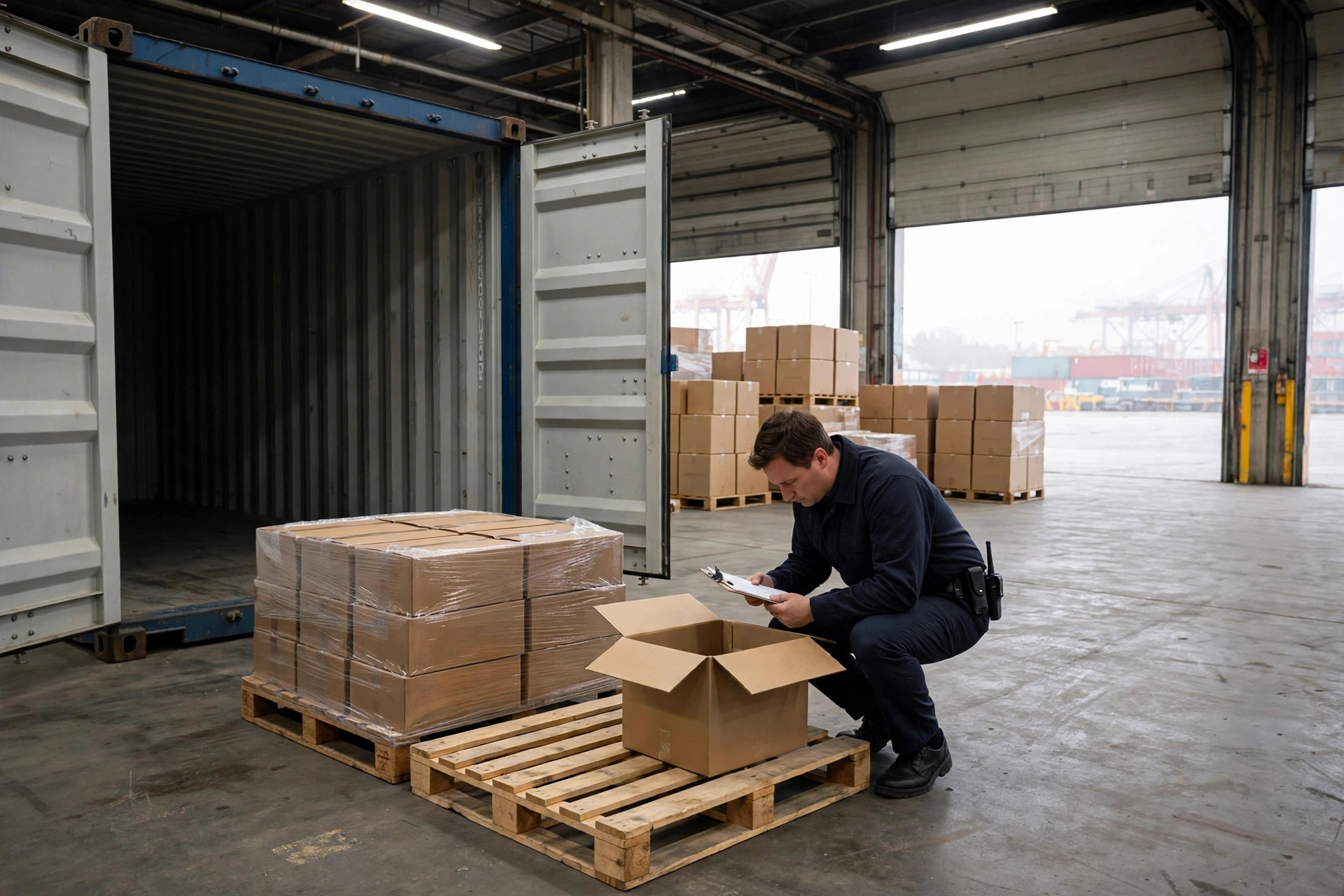
Second, reconcile five documents before loading. Bill of lading, invoice, packing list, MIC, DTA: same names, same descriptions, same quantities. Photograph everything. A typo bills you by the day.
Third, check duties early. Duty rates follow the latest Bolivian customs tariff. Have your clearance agent confirm in writing by HS code. Don't trust verbal quotes. Get the duty wrong and discover it in La Paz, and the back taxes plus penalties will make you cry.
Fourth, use the free storage as a buffer warehouse, not as a procrastination excuse. Stage inventory at Arica ahead of demand and your lead times beat the competition. That's the real way to eat the treaty dividend.
An old saying to close: for a landlocked country, cargo doesn't travel on roads. It travels on documents. However far the road, a truck can always get there. But with wrong paperwork, nothing on earth moves that box. The Bolivia transit lane has fixed rules and flexible people: get the documents right, and Arica to La Paz is just one press of the accelerator.
By Shifu Zhao, Trucking Veteran (15 yrs)