Your AS/RS isn't getting slower. Your putaway discipline is getting sloppier.
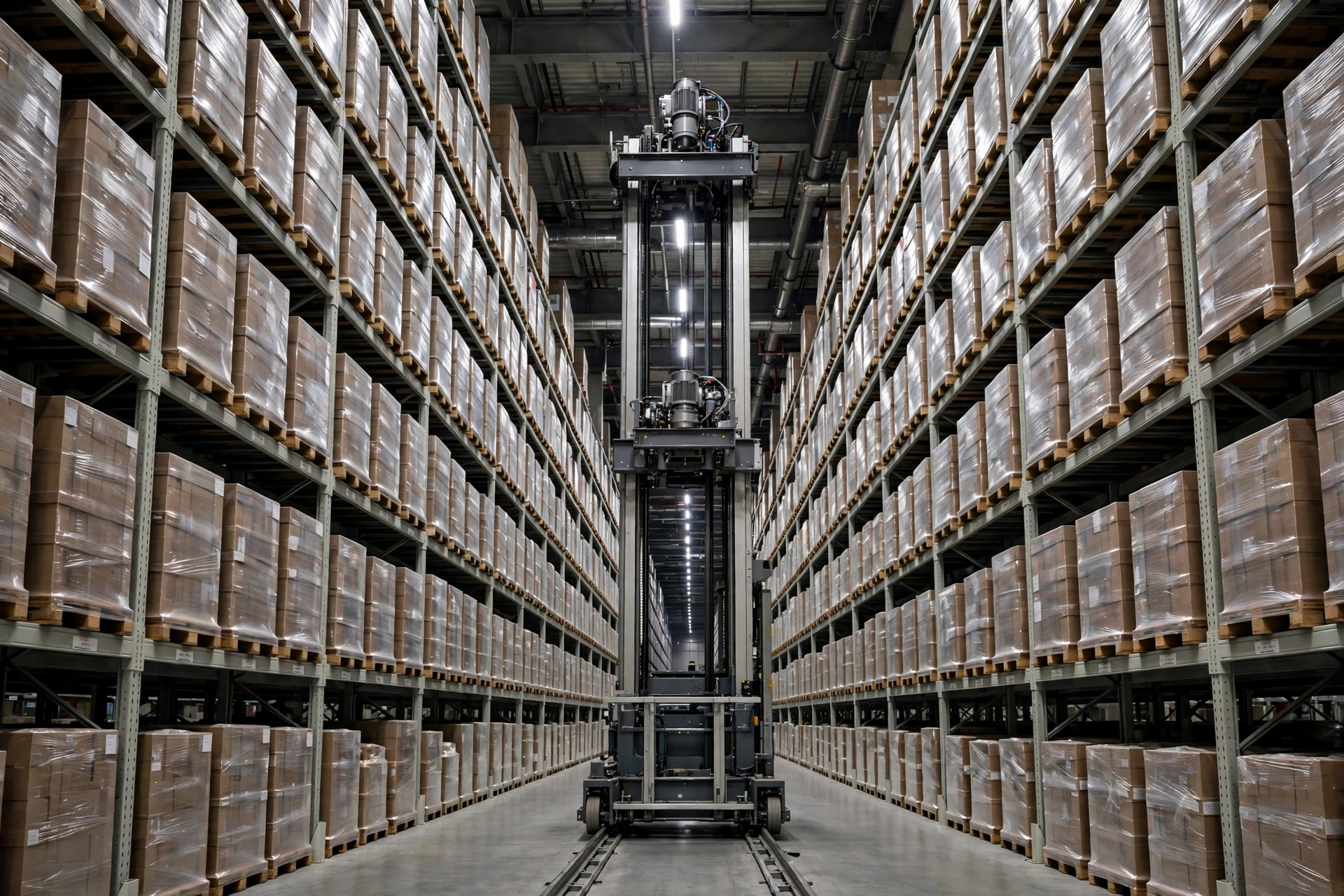
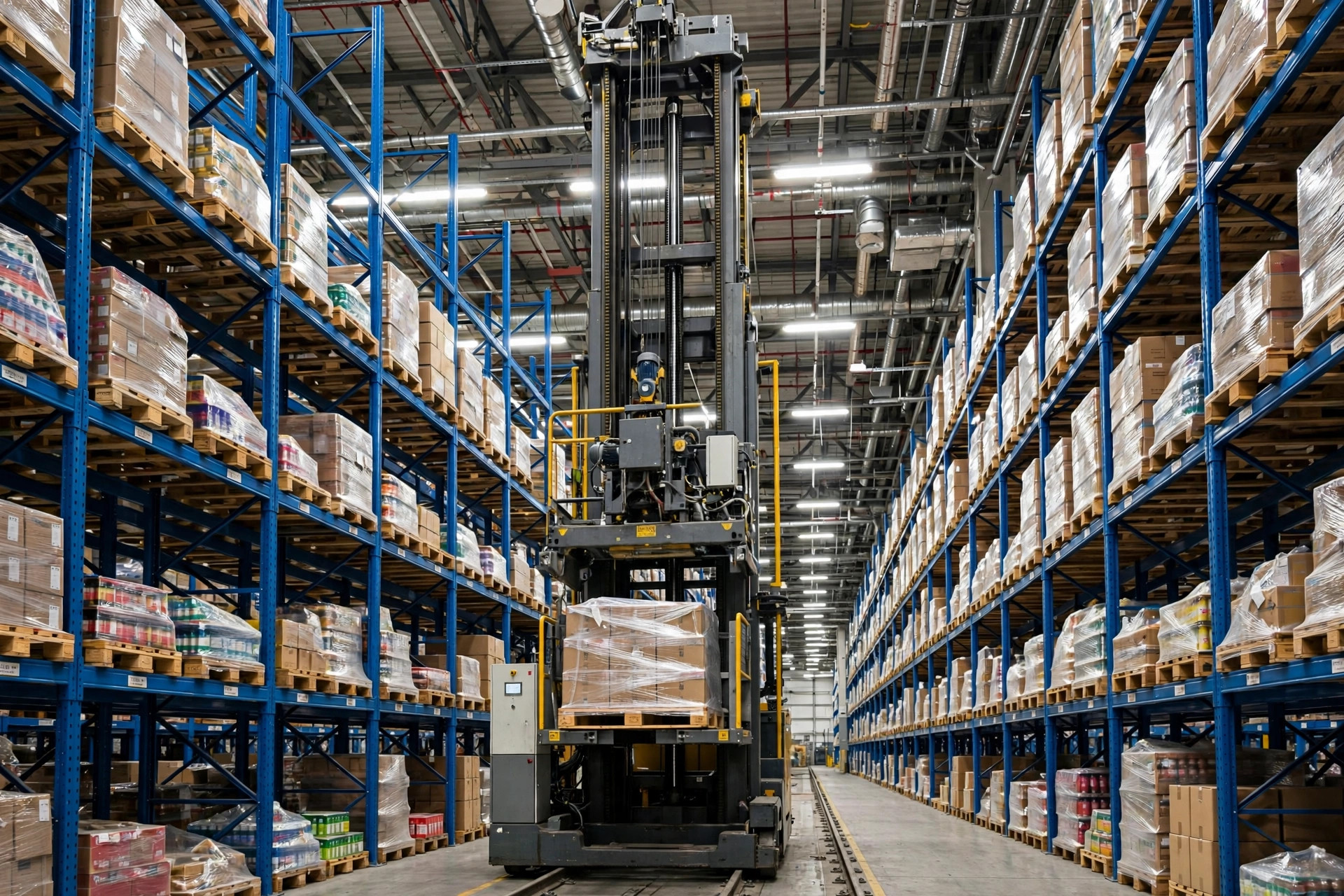
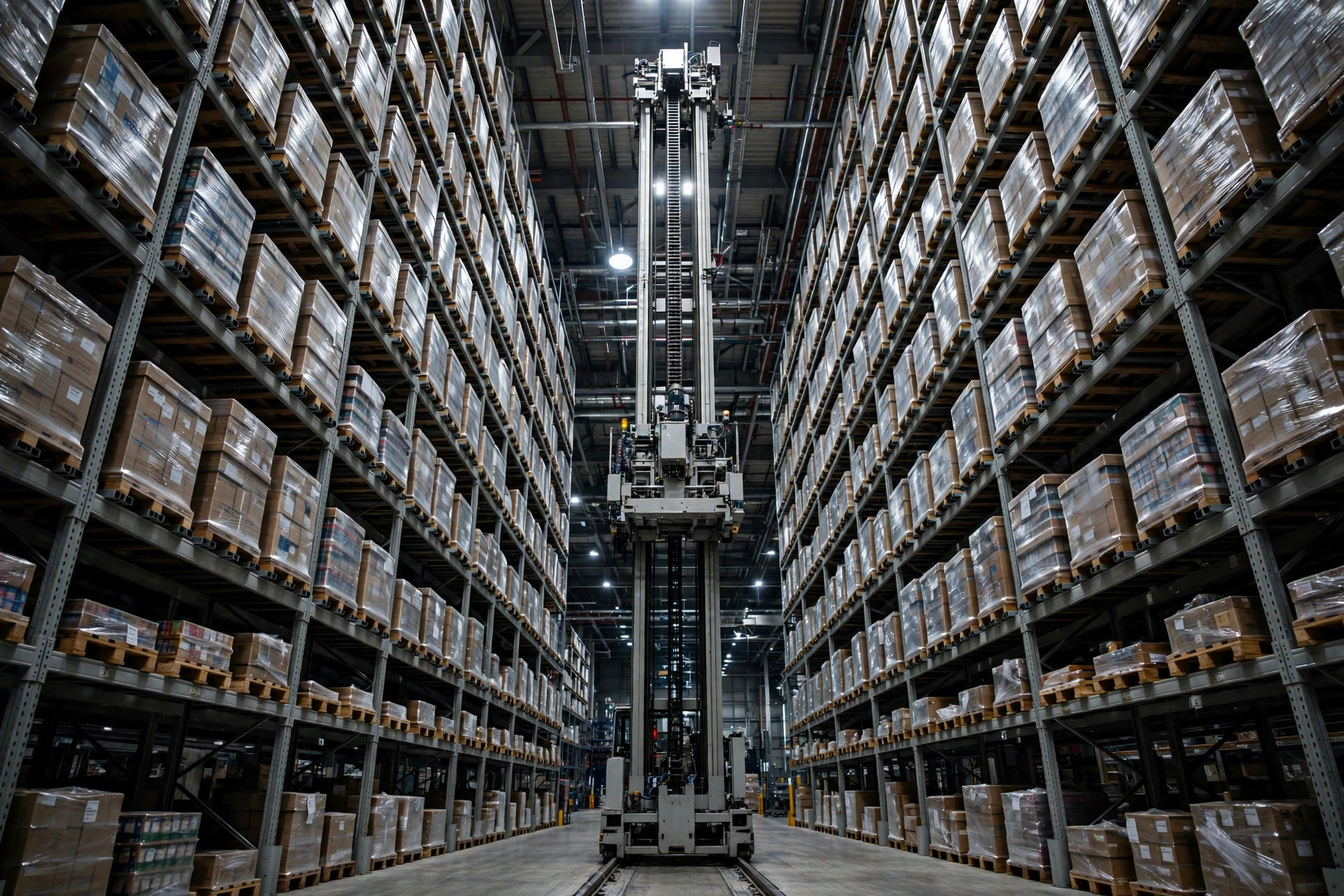
I've walked into automated warehouses where the stacker cranes were running empty half the time — long horizontal runs down the full aisle, then a lift to the top levels, then the whole trip back. Nothing was broken. The WCS showed no alarms, the cranes were healthy, and throughput per the dashboard still looked fine. The problem was where the freight lived. Fast movers had drifted to the far end of the aisles and the top tiers, and every pick had turned into a sightseeing tour.
When I see this, I check three things, and one of them is always the culprit. First, whether the aisles were ever stratified — most sites treat the whole rack as one big pool and put pallets wherever there's an open slot. Second, whether ABC velocity classes exist anywhere outside the original design drawings — in most item masters, there's not even a field for it. Third, whether anyone has re-slotted since go-live. Seasonal goods get cleared out and nobody moves them off the prime locations; new hot SKUs land wherever they fit. Put those three together and give it two years, and the location map will look like it was drawn by a toddler.
Back in 2021 I worked with an e-commerce fulfillment operation in Ontario, California — roughly twenty thousand pallet positions in the AS/RS. The design drawings had a perfectly good ABC slotting plan. A little over a year after go-live, I pulled a velocity-by-aisle report and found A-class product scattered across four or five aisles. Average crane travel distance had nearly doubled compared to commissioning. The operations manager was convinced the equipment was "wearing out." The equipment was fine. The freight had moved.
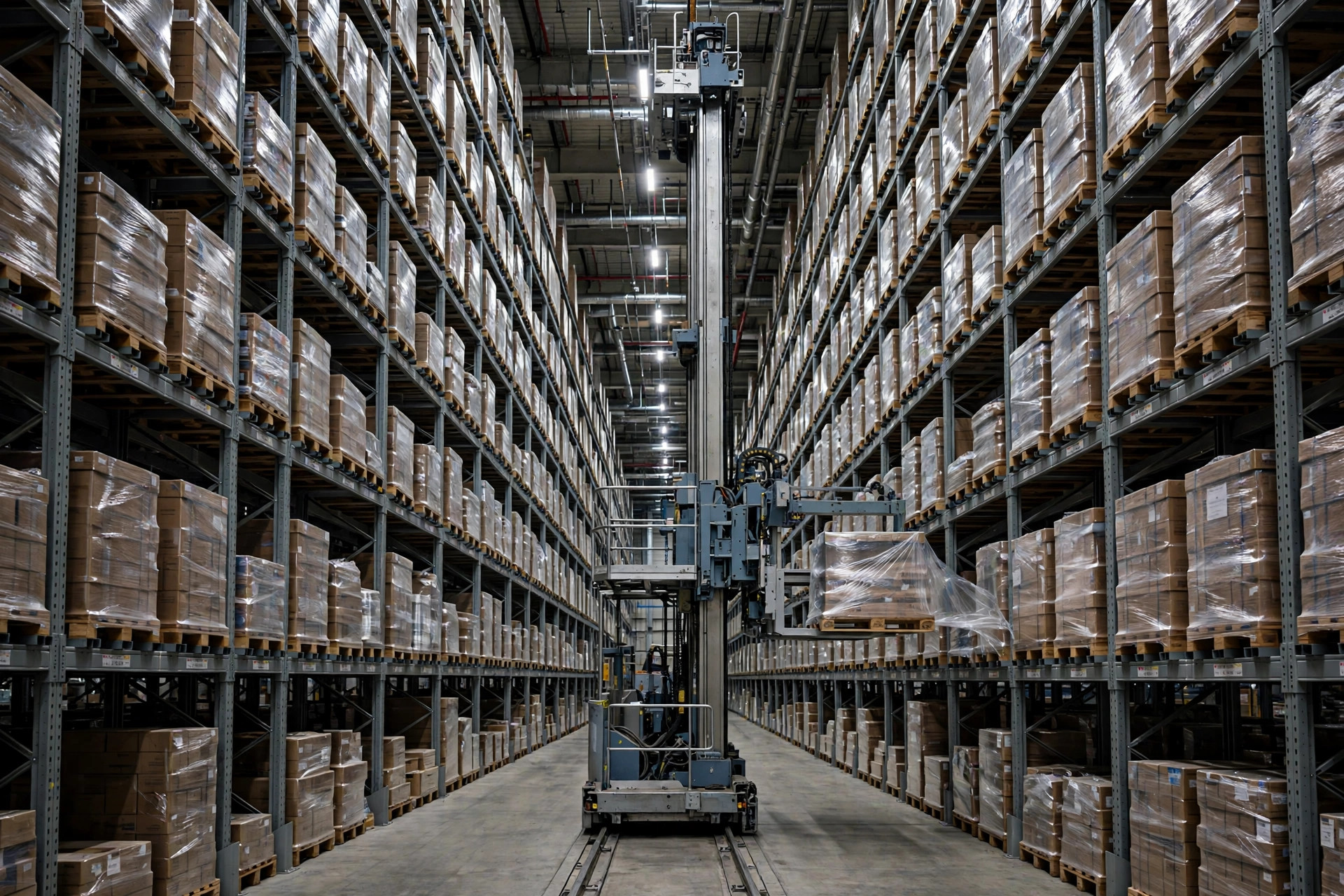
The classic symptom is a wave on-time rate that keeps slipping while every equipment metric looks healthy — crane utilization is even running high, which makes management's first instinct "we need more cranes." I usually stop that conversation and ask for the location distribution first. Eight or nine times out of ten, the answer is in the data, not the iron. On one review, the low-level slots near the outbound end of an aisle were two-thirds slow movers, while genuine A-class freight was queued at the far end waiting on crane cycles. Adding equipment to that situation is like adding another floor to a parking garage where nobody parks in the lines.
Aisle Stratification Is Really This Simple: Fast Movers Go Low and Close, Slow Movers Go High and Far
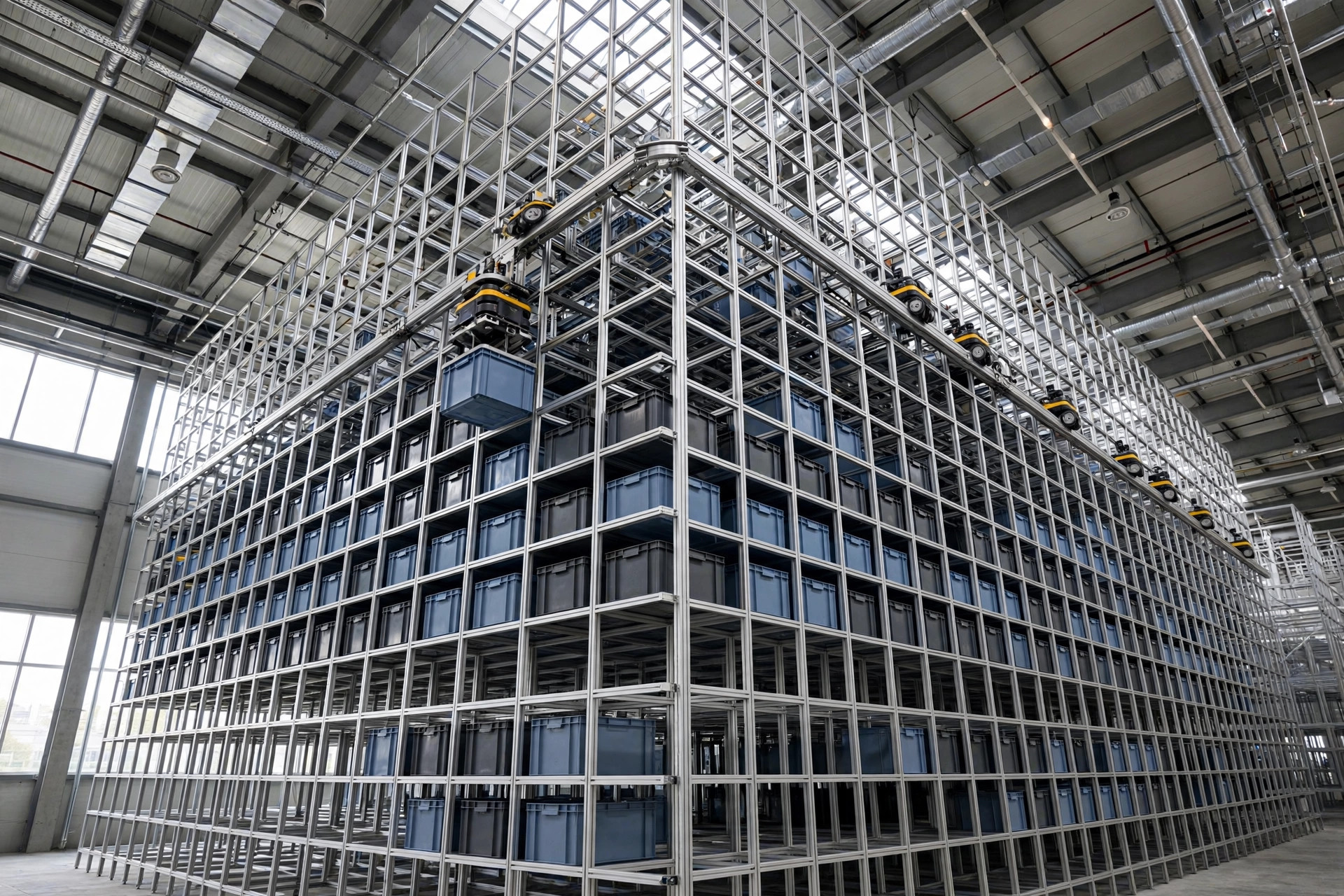
Every aisle has real estate value. Slots near the outbound end at low levels cost the crane the shortest cycle time — that's the prime real estate. Slots at the far end and the top tiers can cost several times more per cycle. Stratification is just cutting the building into rent districts and assigning freight by velocity.
In practice, I cut it like this. The A class — the small slice of SKUs that drives the bulk of outbound volume — gets locked to the low levels near the outbound end of each aisle. Putaway assigns there first and only overflows to second-choice zones when the prime area is full. B class takes the middle of the aisles and the mid tiers. C class, the slow movers, goes straight to the far end and the top. The logic isn't complicated. The hard part is execution: if the WCS has no putaway rules, or the crew puts pallets wherever it's convenient, A-class freight ends up at the far end and the top within months. One or two pallets don't show. Six months of it fills the prime slots with slow movers.
There's a trade-off here worth thinking through. High-bay utilization looks great on paper, and taller racking feels like more warehouse for the money — but top-tier slots are inherently slow slots, because crane lift is far slower than horizontal travel. If the design chased pallet count by stacking ever higher, it built a large block of naturally inefficient locations. My view: rack height should serve the velocity profile, not the other way around. C-class freight doesn't need speed, so the top is fine for it. But A-class slots must be protected at the low levels, and that's a principle to lock in during design — retrofitting it after go-live costs far more.
One more trap: don't hand every prime slot to the A class. Replenishment work needs near-end locations for staging too. Locking the entire golden zone creates a different kind of congestion, with replenishment forklifts circling for space. I always reserve a small near-end area for replenishment and exception handling. That ground is equally expensive, but it's insurance, not waste.
Put the Putaway Rules in the WCS as Hard Parameters, and Re-Slot at Least Quarterly
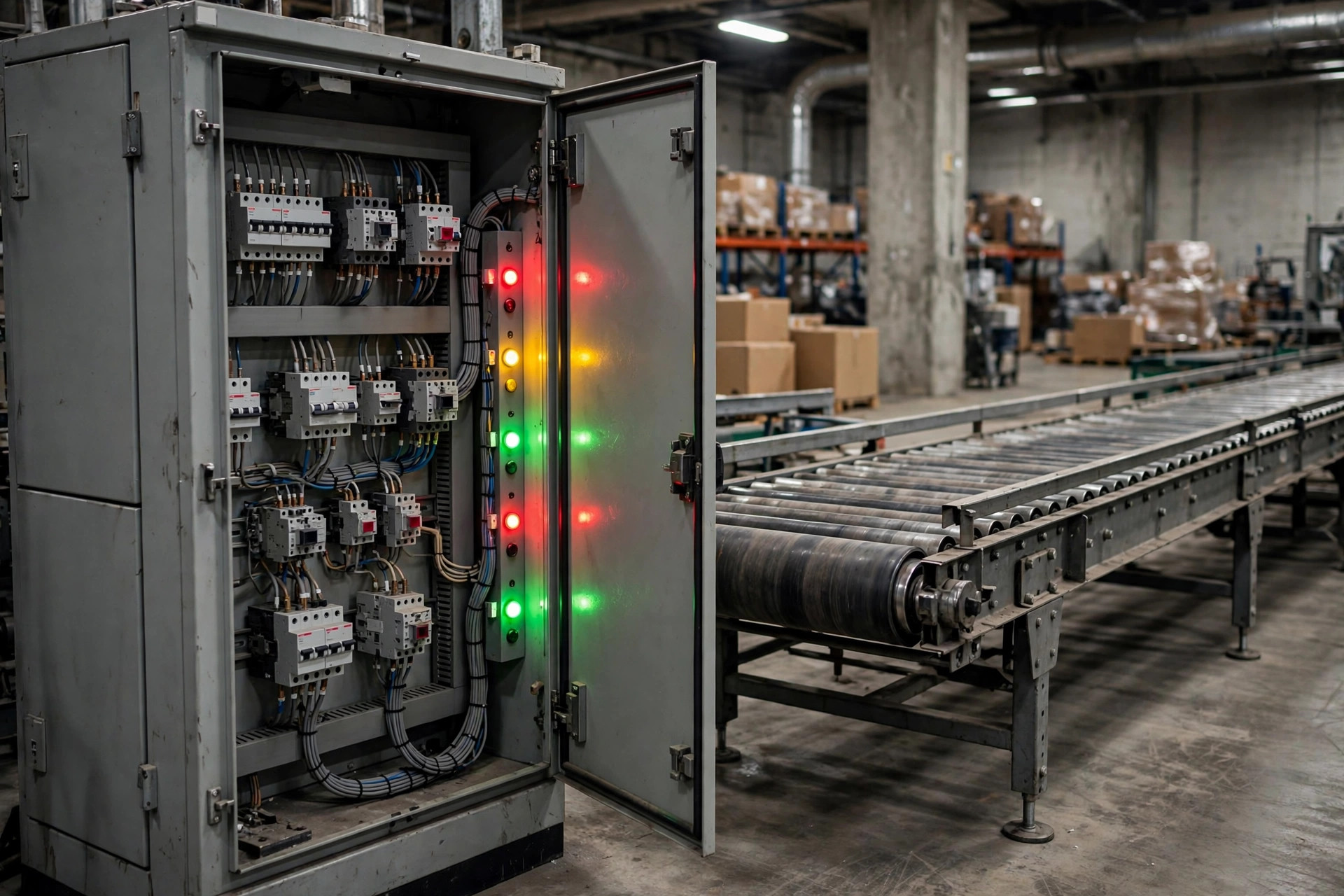
The strategy is only step one. It has to run automatically in the WCS instead of depending on human discipline. The mechanics: add a velocity class field to the item master, tag every SKU A, B, or C by outbound frequency, and configure putaway rules in the WCS that assign preferred zones by class — A class to the near-end low zones, B to the middle, C to the far end and top, each with an overflow sequence. When a putaway task drops, the WCS finds an open slot matching the class. The operator just executes. Nobody picks, nobody guesses. Once the rules are live, daily putaway stops drifting.
But ABC is not set-and-forget. Product lifecycles change, seasons change, promo calendars change. I learned this one the hard way: before a winter peak one year, a review showed summer pool supplies and patio furniture still sitting across the prime low-level slots, three months after the season ended, while winter winners were squeezed to the far end. Nobody had moved a pallet. Three months without a re-slot review and the strategy had quietly reverted to chaos.
My floor for review cadence is quarterly, with a mandatory extra pass before every major peak. A review does three things: re-run outbound frequency per SKU and refresh the ABC classes; pull the mismatch list — A-class pallets in far-end top slots, C-class pallets in prime slots; and build a re-slot plan. Once the list is out, don't try to move everything. Hit the two or three worst aisles first and win back the prime slots; let the scattered leftovers get digested during idle night shifts. The grand plan to re-slot the entire building in one push usually dies the moment it collides with outbound volume.
One execution detail that decides whether this survives: assign an owner to the ABC class updates. I've seen item masters where the velocity field was created and then never touched for a year — the planner found it tedious, so every class was still the go-live vintage. The prettiest rules in the world produce garbage when the input is stale. Write the refresh into the SOP, assign it to the planning role on a monthly outbound-frequency run, and automate the calculation in the WCS wherever possible. Remove human willpower from the equation as much as you can.
Here's one concrete suggestion: tonight, pull a report from your WCS showing the A/B/C mix in every aisle. If A-class freight makes up more than a third of the far-end aisles, your AS/RS is already on the road to "messier every year" — and the sooner you start re-slotting, the fewer empty crane miles you burn.
And one reminder: the ceiling on AS/RS performance was never the crane's speed spec. It's how far the freight sits from the outbound end. Every dollar overspent on faster equipment can be eaten alive by a missing putaway strategy. Get the freight in the right place first, then argue about how fast the crane should be.