Subscription orders are a sweet trap.
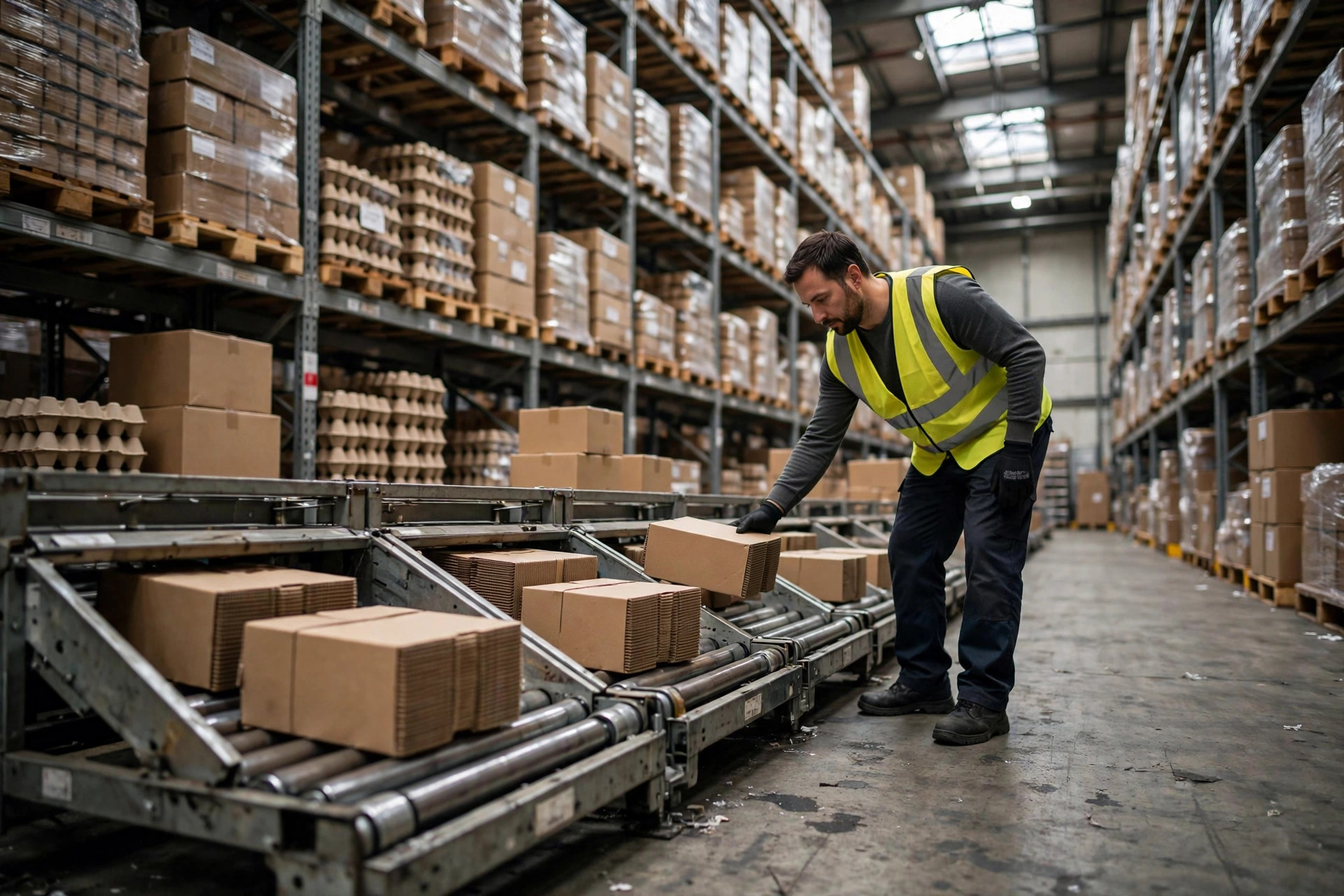
On one hand, they hand you predictable revenue. On the other, they chain you to one brutal rule: you are never, ever allowed to run out of stock. A friend of mine selling pet food in the US learned this in June 2024. His subscriptions had just hit 35% of total orders when his FBA inventory went dark for four days. Amazon kicked his ASIN out of Subscribe & Save, and it took two weeks to get reinstated. His monthly sales dropped by nearly half. He called me, and his voice was shaking.
I sell personal-care consumables. When I enrolled my hero ASIN in November 2023, I assumed subscription orders meant money on autopilot and kept my usual 45-day rolling replenishment. Then the first subscription day hit — the 15th of each month — and order volume tripled. Sellable inventory at FBA hit zero in six days. My ocean freight couldn't catch up, and I stocked out for five more days. Amazon froze my subscription eligibility without a second thought.
So everything below was paid for in blood. Mine.
Subscription Orders Ship in Pulses, Not Averages
Regular orders follow a bell curve. Subscription orders come in pulses. On your subscription days, volume can be 2–3x normal. The rest of the month looks ordinary. If your FBA inbound plan is built on averages, subscription day will break it.
My planning formula is dead simple now. I isolate subscription orders, chart them over 90 days, find the peak on subscription day, and hold safety stock at 1.2x that peak. A normal SKU carries 45 days of safety stock. A subscription hero SKU gets 60. Yes, that's 15 extra days of inventory. But do the math: one stockout costs you your subscription eligibility, and the recovery window is at least two weeks. The lost organic sales in those two weeks dwarf the extra storage fees many times over.
I also learned a quieter lesson: on subscription days, Amazon doesn't always ship from the same fulfillment centers as regular orders. During peak periods, units get routed to farther FCs, delivery slows down, and "arrived too late" reviews spike. Now I land inventory 10 days before every subscription day. I'll pay a few extra days of storage rather than gamble on Amazon's internal transfers.
My Two-Track Replenishment Calendar
I run two calendars now: one for regular orders, one dedicated to subscriptions.
| Item | Regular orders | Subscription orders |
|---|---|---|
| Replenishment basis | 30-day average daily sales | Subscription-day peak × 1.2 |
| Safety stock | 45 days | 60 days |
| Inbound lead time | Normal freight schedule | Must land 10 days before subscription day |
| Stockout tolerance | A few days is survivable | One stockout can cost eligibility |
The process: on the 1st of each month, I note the upcoming subscription days (buyers pick their own cadence, but most cluster on fixed dates), then work backward — 35 days ocean freight, 7 days first-leg. That gives me the last ship date. For any SKU where subscriptions exceed 30% of volume, I split the shipment: 70% ocean, 30% air as insurance. The air portion looks expensive, but it buys continuity, continuity buys eligibility, and that's the only math that matters.
Is the Subscribe & Save 15% Discount Wool or a Trap?
Let me lay out the rules first, so nobody gets fleeced in the dark. Eligible FBA products get auto-enrolled in Subscribe & Save at a 0% base discount — free for the seller. You can choose to fund a 5% or 10% tier yourself. When a customer bundles five or more items in one delivery, Amazon adds another 5%, up to 15% total. Exact thresholds and categories follow the latest official policy.
I ran the numbers on my own $19.99 conditioner:
| Tier | Discount per unit | Monthly cost at 800 subs | What you get |
|---|---|---|---|
| 0% (auto-enrolled) | $0 | $0 | Subscription placement and repeat orders |
| 5% | ~$1 | ~$800 | Noticeably higher subscription conversion |
| 10% | ~$2 | ~$1,600 | A bit more conversion, margin eaten alive |
My conclusion is counterintuitive: don't blindly take the 10%. In consumables, repeat purchase intent is already strong — the 5% tier's conversion lift is plenty, and the extra conversion from 10% never covers double the giveaway. I A/B tested for three months, and the 5% tier netted 12% more profit than the 10%. Categories differ, of course. In a cutthroat category, 10% might be table stakes. Run your own two-week test. Don't take anyone's word for it.
One more trap: auto-enrollment costs nothing at 0%, so plenty of sellers never open the subscription products page in Seller Central. Their ASINs quietly run with the subscription badge while their replenishment plan has no idea. Go check every ASIN's status and tier. Turn off what shouldn't be on.
4 Prerequisites — Skip Subscriptions If You Can't Hit These
- Brand Registry is a hard gate. Since December 2019, only brand-registered sellers can enroll new products. No registry, no discussion.
- In-stock health is your life. Amazon expects a strong in-stock rate (some say 85%+) — frequent stockouts get you demoted or removed. Check the latest official policy for the exact number, but the logic never changes: subscriptions sell the promise of never running dry.
- Don't rush new products in. An ASIN typically needs 3+ months in FBA with stable sales history before the system wants it. Expecting subscription money on a fresh listing is wishful thinking.
- Forget it if you're FBM. Subscriptions only recognize FBA inventory. Applying with merchant-fulfilled SKUs is a waste of a click.
One thing most sellers miss: subscription days have their own cancellation rhythm too. Buyers are most likely to hit "skip this delivery" in the 3 days before subscription day. My move is to send a brand email 5 days before (through Amazon's buyer engagement tools, staying within policy) — a simple "your monthly delivery ships soon" reminder, plus a nudge to bundle 5 items for the full 15%. That pushed my skip rate from about 11% down to around 7%. Four points on 800 subscriptions is 30+ orders saved every month.
Here's the bottom line: the real value of subscription orders isn't the discount. It's the lock-in. One subscriber's annual repeat value equals 5–6 one-time buyers. Rebuilding your replenishment rhythm around subscriptions looks like overstocking in the short term. In the long term, it's converting one-time traffic into your own base.
Tested it myself. It works.
By Ah K, E-commerce Seller (5 yrs)