Conclusion first: ai returns disposition grading warehouse projects can work, but the sequence decides everything. Define the A, B, and C grading standards and the human review line first. Choose the vision model second. Connect the WMS last. Reverse that order — buy the model, wire up the system, and invent the standards while running — and you get the failure I have now seen three times: a returns area buried in backlog while customer service fields complaints, and only then does someone write the rules. I implement WMS for a living, so AI vision grading is a cross-over topic for me. That is exactly why I fixate on one thing: a grade is worthless until it becomes an executable, traceable disposition task inside the WMS.
How ai returns disposition grading in the warehouse defines A, B, and C
Start with the three grades in plain language, because this is the foundation of the whole project.
Grade A means resalable as-is. Packaging is intact or replaceable, the product shows no signs of use, and function sampling passes. The disposition path is relabel, repackage if needed, and putaway back into sellable stock. Grade B means disposition after handling: minor cosmetic flaws routed to a discount channel, cleaning or repacking required, accessories missing but replaceable, or a refurbishment and parts-harvest path. B is not one bucket — it needs sub-types, or the warehouse team will still have to ask a human about every single item. Grade C means not sellable: damage, contamination, safety or hygiene risk, or a missing core component. Its path is scrap, return-to-vendor, or compliant destruction, with images and approval records retained.
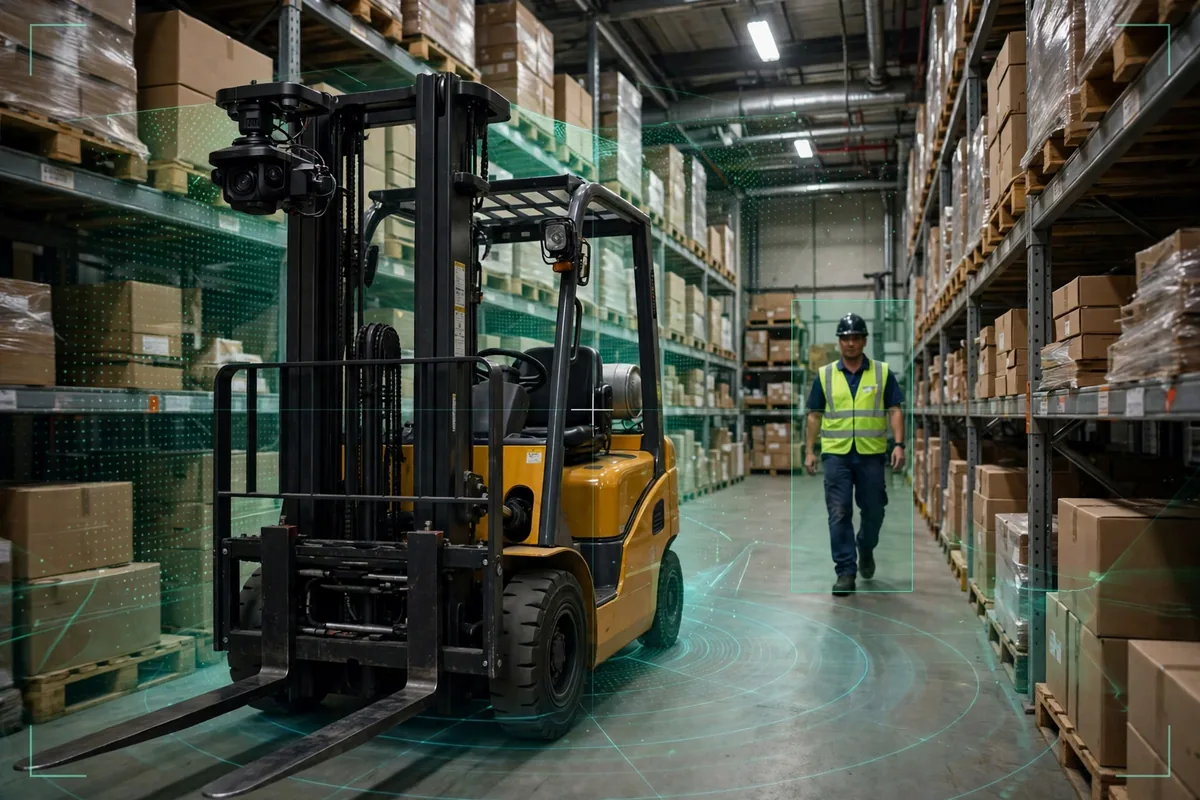
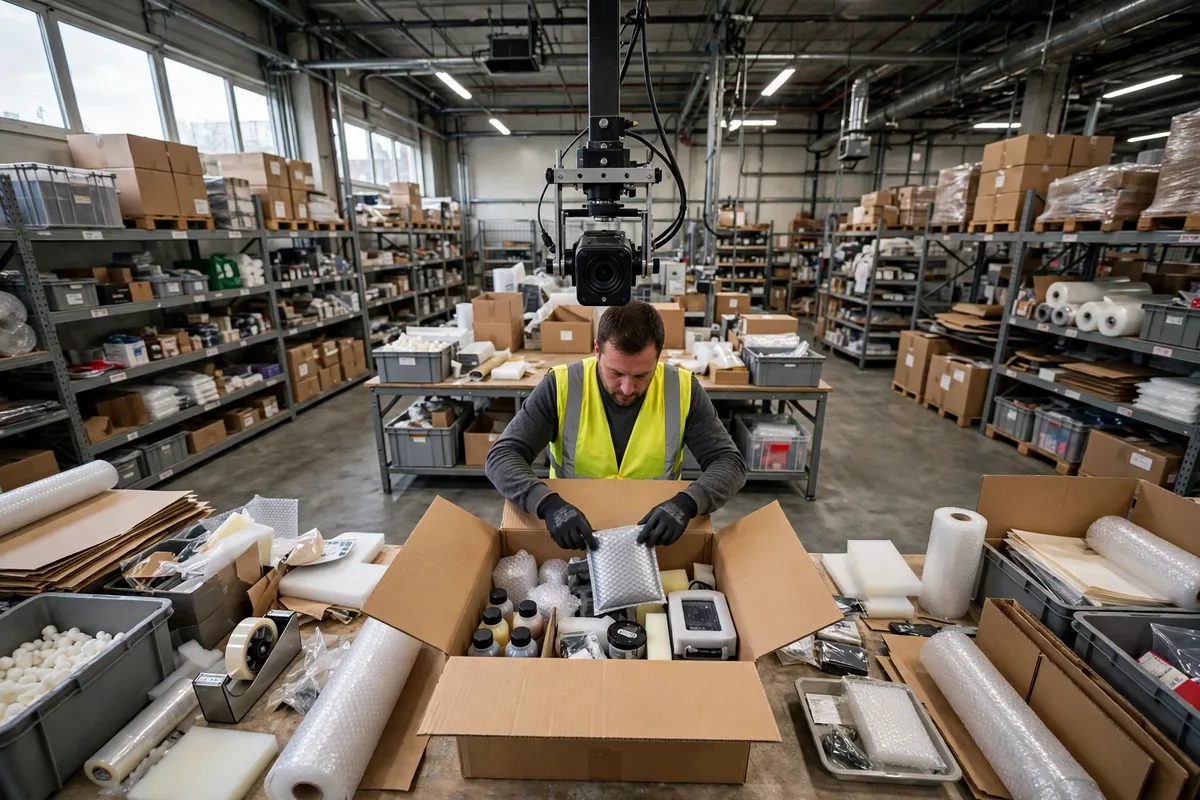
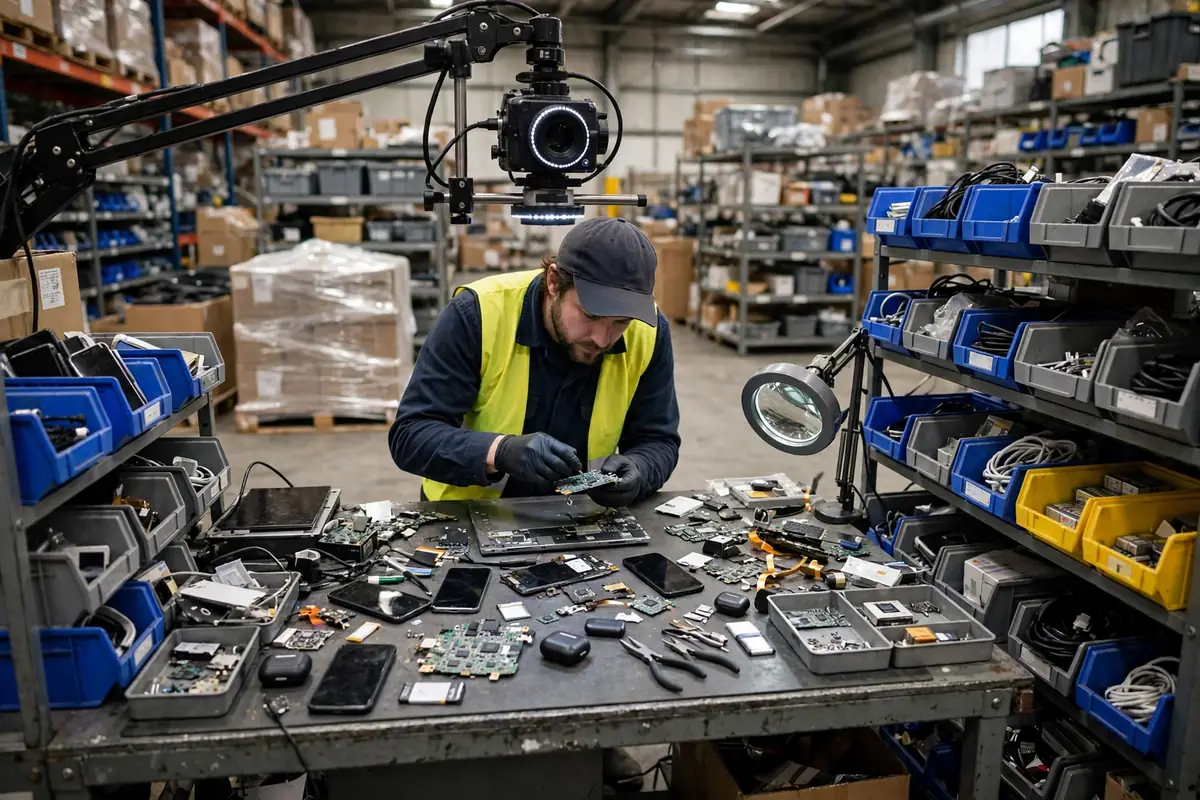
The vision model does the seeing: it photographs each return at the receiving station and reports suspected damage location, whether seals look disturbed, scratches and stains on surfaces, and whether accessories visible in frame add up. The rules engine does the judging: it translates visual findings into a business decision using category return rates, whether this customer returns abnormally often, whether the item's value justifies a full manual inspection, and what disposition authority the brand has granted for that SKU. You need both layers. Vision without rules produces grades that are just picture commentary. Rules without vision put you back on the old road of humans flipping every item by hand.
A concrete example. In 2025 I helped map returns for a home goods warehouse in southern China — rules and photo records, not full vision grading — and it exposed the core problem. On the same small appliance, a shallow scratch got a B from a veteran inspector and a C from a new hire who feared blame and scrapped it. If two humans cannot agree, you have no business demanding consistency from a model. So item one on my go-live checklist is always this: have your two best inspectors grade the same batch of returns back-to-back, pull every disagreement, argue each one to a conclusion, and write the standard as a photo-illustrated grading book. No grading book, no model selection. This pitfall has a body count.
Connecting returns disposition grading to the WMS disposition flow
This is the part I want to underline, because it is where ai returns disposition grading warehouse projects quietly succeed or fail. If grading results sit in an AI vendor's console while the warehouse works exactly as before, the money is wasted. The connection has four steps, in implementation order.
Step one: bind everything at receiving. The WMS creates the return receiving task, each item gets a unique return code, and the station photos, the vision grade, and the confidence score all attach to that code. Anyone who touches the item later can see what it looked like and why it got its grade.
Step two: let the grade generate the disposition task automatically. Grade A generates repack and putaway tasks. Grade B generates discount transfer, accessory completion, or refurbishment tasks by sub-type. Grade C generates a scrap approval task. Use the task types your WMS already has. Do not invent a parallel task system for the AI project — a new task system drags training, reporting, and productivity statistics along with it, and the project doubles in weight overnight.
Step three: write back status and quarantine the stock. Ungraded and review-pending returns must sit in system-locked pending locations that picking cannot touch. I have personally seen pending returns picked as sellable stock and shipped to a new customer because the location was never locked — complaints expensive enough to erase half a year of project benefit.
Step four: log overrides with reason codes — vision error, standard dispute, item differs from photo — and flow them back to the model team. Without that loop, the model stays frozen at go-live accuracy forever. It does not improve itself; your override data improves it, or nothing does.
One counterintuitive judgment I repeat on every project: grading speed is not the metric to optimize; queue structure is. If every return enters one photo station and only then splits by grade, peak-season volume jams the station, and grade A items that could be back on the shelf in five minutes wait two hours behind everything else. Split earlier instead. At receiving, pre-sort by category and value: high-value and hard-to-judge categories enter the AI grading line, while low-value items with dead-simple standards take a fast manual lane. The AI line then handles only the volume where it actually creates value. That is both a cost decision and a floor-rhythm decision.
The review line: where the project survives its mistakes
If anyone tells you vision grading needs no human review, end the conversation. Errors come in two kinds with completely asymmetric costs. Grading a C as an A sends used goods back into sellable stock: customer complaints, marketplace penalties, brand escalation — that is an incident. Grading an A as a C scraps good product: that is waste. The first error costs far more than the second, so the review line must be asymmetric too.
The default review setup I give clients, to be tuned by category before go-live, looks like this. High-confidence A grades get sampled review, with the sampling rate lowered gradually as live data accumulates — but never to zero. Every C grade requires human confirmation before scrap is executed, because scrapping is irreversible and the labor saved is not worth it. B grades are reviewed where money moves: discount rates and return-to-vendor decisions get a human pass. And one hard rule on top: abnormal patterns — a customer returning at unusual frequency, one SKU spiking in a short window — bypass automatic grading entirely and go to manual handling with a risk flag. Returns grading can incidentally surface fraud and swap schemes, but only if you build the exception lane for it.
Now the money, which is where ai returns disposition grading warehouse business cases are most often overstated. As a labelled hypothetical example — replace every number with your own before deciding. Assume a warehouse handling 600 returns a day, with manual grading averaging three minutes per item: roughly 30 labor hours, or about four dedicated staff. With AI grading plus asymmetric review, suppose 70 percent of items take a fast path at half a minute of human time each, and 30 percent get a full three-minute review. Total human time lands near 15 hours, roughly half. But do not book all of that as headcount savings. You still need people for review, for maintaining the grading book, and for exceptions. The real benefit usually stacks three parts: some labor, less good product scrapped, and faster resale of A-grade stock. Together they carry the cameras, the photo station build, and the model service fee. If a vendor shows you payback on labor alone, ask him to put the other two parts in the contract before you continue the conversation.
My compressed go-live checklist: write the grading book first, about two weeks. Pilot one category at one photo station in shadow mode for at least two weeks — grades recorded, no automatic disposition — and compare model grades against human grades item by item. When disagreements converge to your threshold, connect the WMS disposition tasks, opening automatic flow for grade A only while B and C keep human confirmation. Evaluate expansion only after one full returns peak cycle. Everyone who skips the shadow phase ends up repeating it later under worse conditions. I have seen it three times, without exception.
One question to take back to your building: is your returns grading standard written down anywhere, or does it live only in the heads of a few veteran inspectors? If it is the latter, do not start with AI. That grading book is your real phase one.
By Lin Xiao, WMS Implementation Consultant