In 2023, a 3PL warehouse in California's Inland Empire signed off on an $80,000 budget for a vision-based cycle-counting pilot. Eighteen months later the real number was $230,000 — and here's the part that stings: not a single dollar of the overrun went to software. Every extra cent went to hardware retrofits, data labeling, and rework.
That's not an outlier. Of the AI projects I've been around, fewer than half came in on budget the first time. The technology is rarely the problem. The problem is that the budget only counted the money you can see. Here are the four buckets, laid out the way I wish someone had laid them out for me.
Software is the honest line item
The license or subscription fee is the most transparent bucket of the four. Annual SaaS, per-camera-lane pricing, per-inference billing — it's all on the quote, you multiply by quantity, and you're done. This is the bucket least likely to surprise you.
The traps are in two places. First, pilot pricing versus full-rollout pricing. Plenty of vendors quote the pilot at ten camera lanes, which looks cheap — then you learn the full building needs eighty lanes and the unit price doesn't budge. Second, renewal terms: year one at a discount, year two back to list, buried in the fine print. Lock in year two and year three pricing before you sign, or at least get a written cap.
My take: spend a little more on mature software rather than saving on the license for a half-baked product. Nobody on a warehouse floor has time to be your beta tester. A model that's five points worse on accuracy will cost you ten times the license savings in field rework.
Hardware: budget the last hundred meters, not the camera
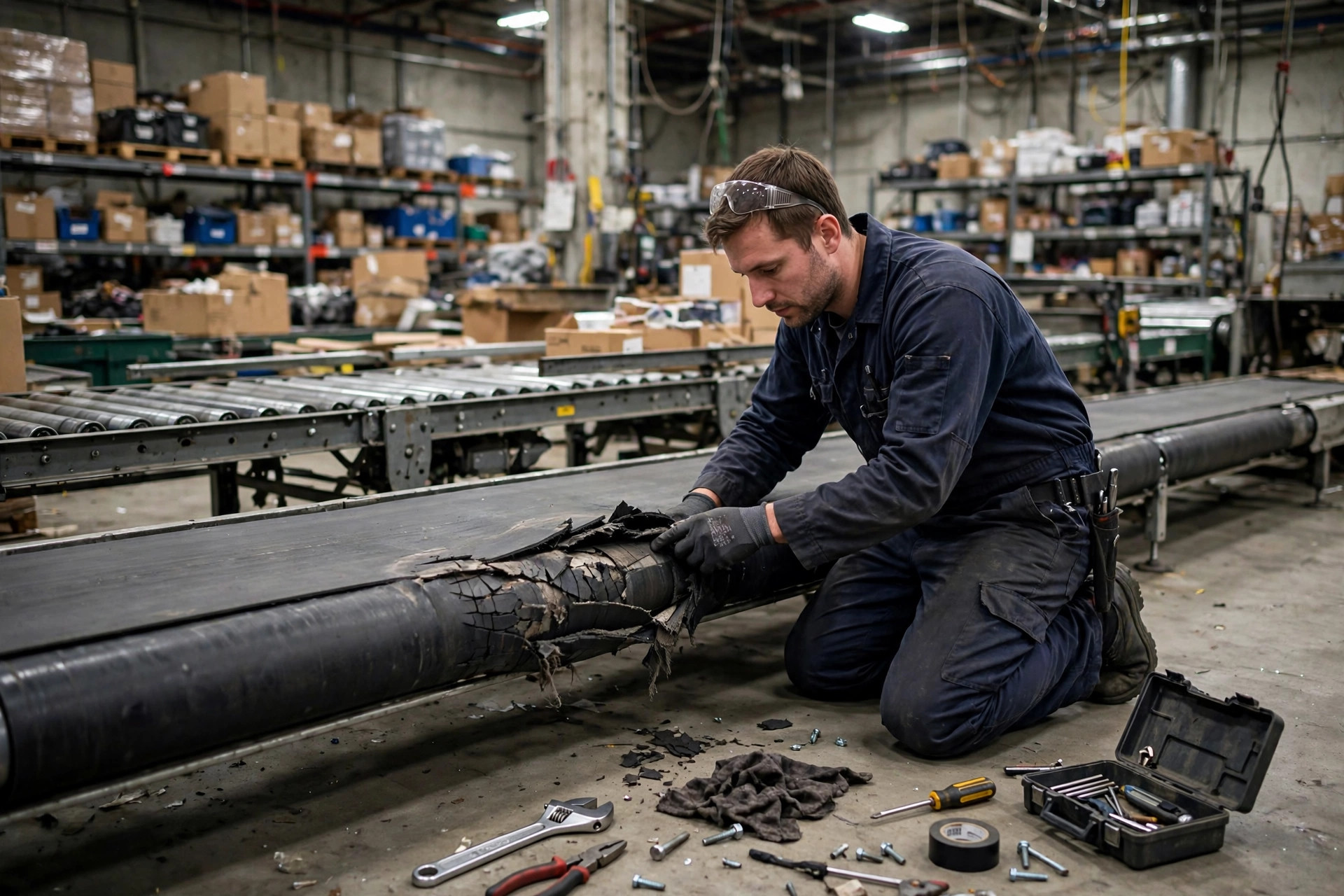
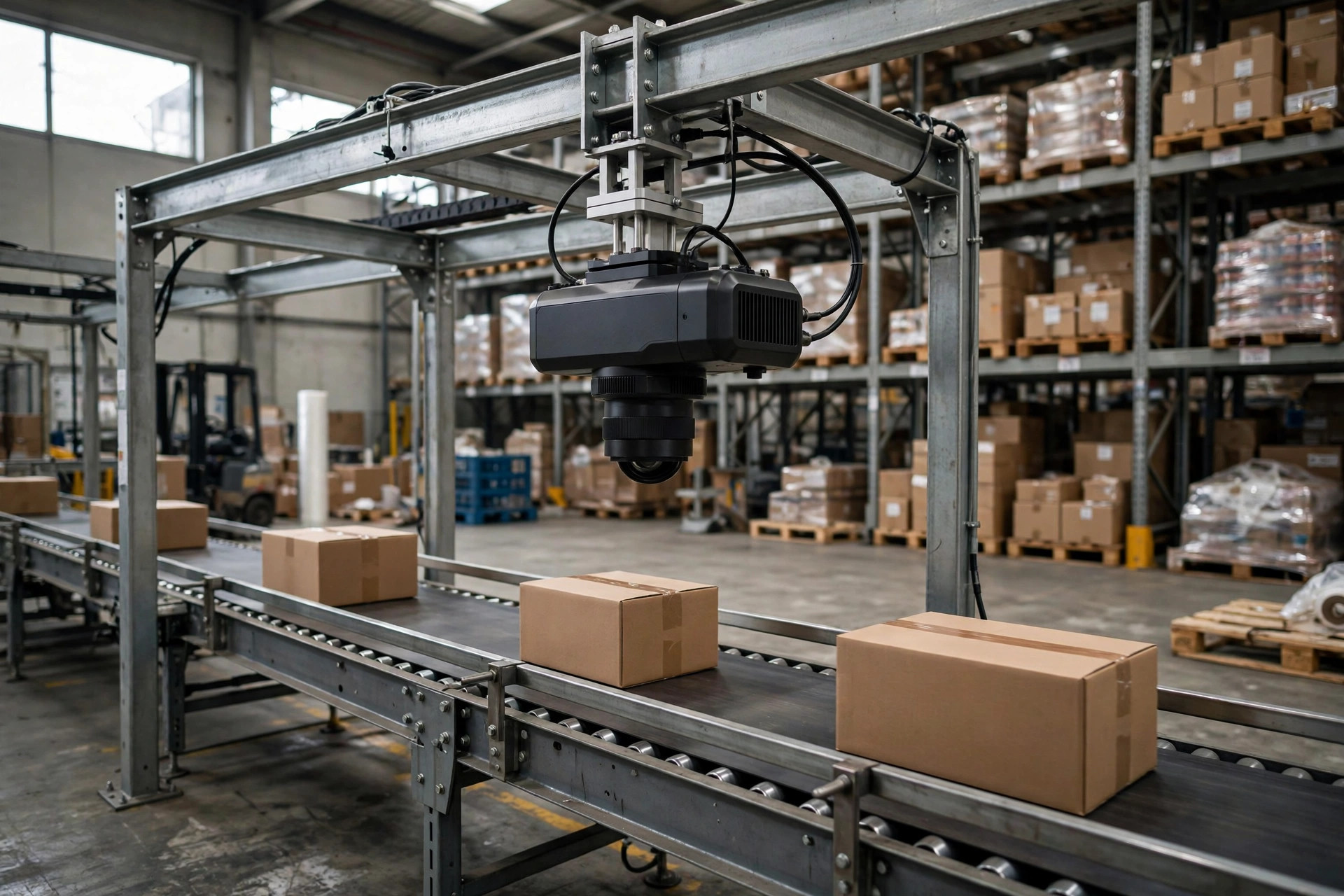
Cameras, edge servers, networking, power, mounting — this bucket gets underestimated at planning time more than any other. I watched an inbound dimensioning project where the software closed at $30,000, and then the site survey hit: no network drops above the conveyor, 200-plus meters of cable pulls, two new switches, dedicated power for every camera. Hardware came to over $40,000 — more than the software.
Budget hardware per installed position, not per device. One position's true cost is camera plus lens plus mount, plus cabling, network port, power, and install labor. Price only the camera and you'll miss the budget by half.
Then there's the hidden one: compute. Edge inference on a local box, or cloud? Cloud billing per API call looks cheap in a pilot and can quietly cost more than buying servers once volume ramps. In the projects I've seen, once daily inference volume crosses the tens of thousands, local compute almost always wins. Run that math at planning time, not when the invoice arrives.
Data: the most expensive labor never appears on a quote
This is the most under-budgeted bucket of the four. Models eat data, and I know what warehouse data looks like: paper forms, spreadsheets, WMS records with missing fields, backlit photos from cheap cameras. Turning that into training data takes human labeling and cleaning.
A mid-size vision project starts at a few thousand labeled images. Outsourced labeling sounds cheap at a dollar or two an image — until you add QA, re-labeling, and reshoots for scenarios the first pass missed, and the data bill lands in the tens of thousands. The pricier part is your own people's time: writing the labeling spec, accepting or rejecting labeled batches, adjudicating edge cases. Only your team can do that; the labeling vendor doesn't know your business.
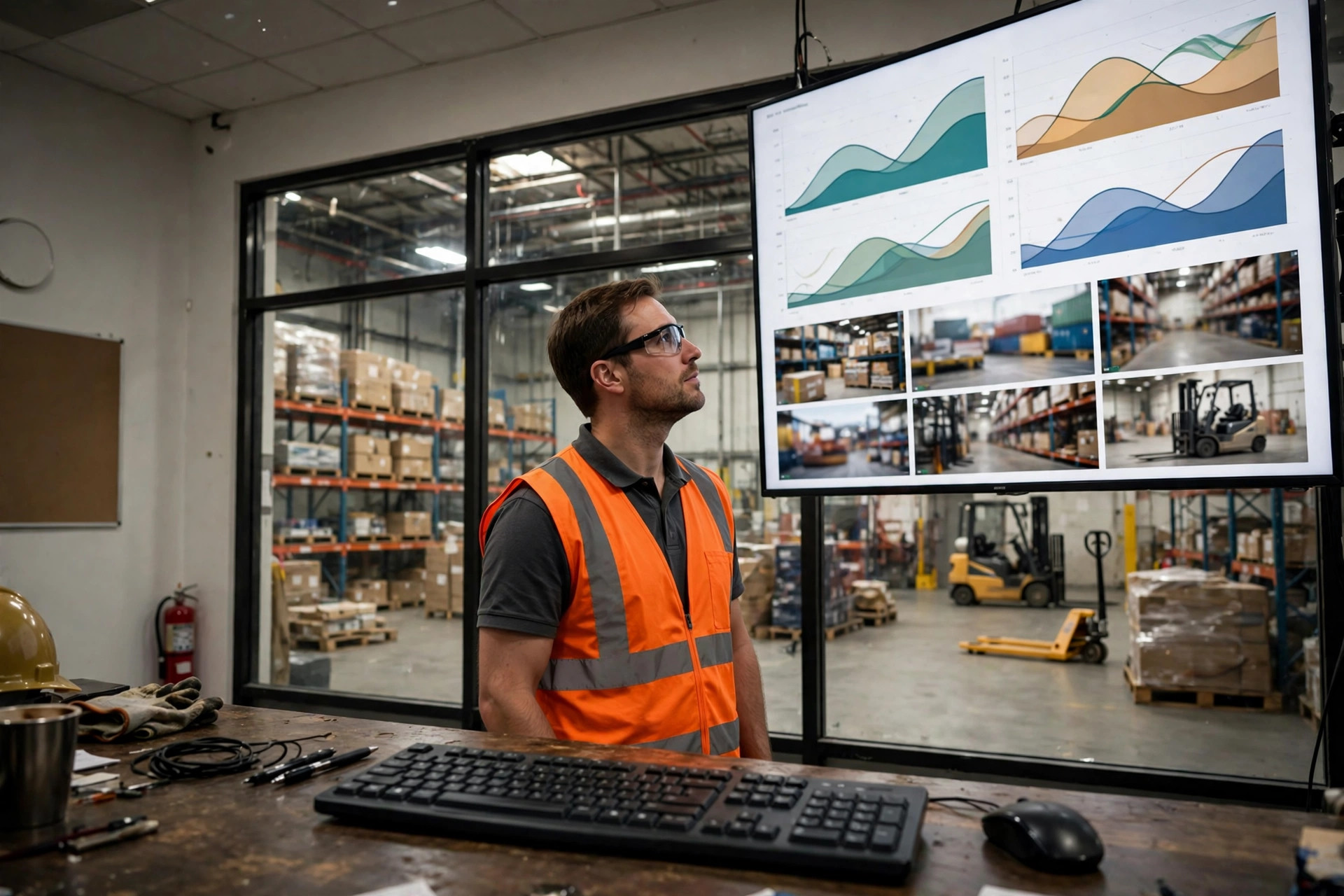
Put a dedicated "data preparation" line in the budget: labeled volume times unit price times a 1.5 rework factor, plus internal labor. Any vendor who tells you "your data is ready to go, we can start tomorrow" has probably never done a warehouse project.
People, inside and out
External implementation is straightforward: vendor deployment, tuning, training, billed per day. What's easy to miss is internal labor. An AI project needs at least one internal owner putting in two to three days a week for three to six months. Does that person's cost go in the budget? My answer is yes. Once it's in the budget, leadership sees what the project really consumes; leave it out and the project becomes "something done on the side" that nobody truly owns.
And training. Operators need to learn to read AI alerts, handle false positives, do basic triage. Training isn't one-and-done either — in a high-turnover warehouse, it's a recurring cost. Give "first-year training" its own line so the number is visible.
Beyond the four buckets, there are three line items I ask about in every budget review. First, integration: the AI system has to talk to your WMS, and interface development, joint testing, and exception handling routinely fall between two vendors — the software company calls it implementation scope, the integrator calls it custom development. Put the integration scope in the contract at signing, fixed-price or time-and-materials, in writing.
Second, the scale-up premium. The pilot works at ten positions; what happens at a hundred? Does unit pricing hold? Does compute need to grow? Get the marginal cost of scaling in writing before you approve the pilot.
Third, the failure budget. I'll say it plainly: three to four out of ten AI projects don't make it on the first attempt. A 20–30% contingency isn't conservative, it's common sense. That $230,000 project from 2023 would have had far fewer arguments in the middle if it had been budgeted at 1.5x from day one — and it probably would have finished faster.
One thing you can do this week: before approving anything, fund a four-week minimum viable pilot on real production data, with its own separate budget. Only talk full-building numbers after the pilot proves out. That pilot spend is buying you a ticket that says "should we continue" — and it's the best-value money you'll spend in the whole AI journey.