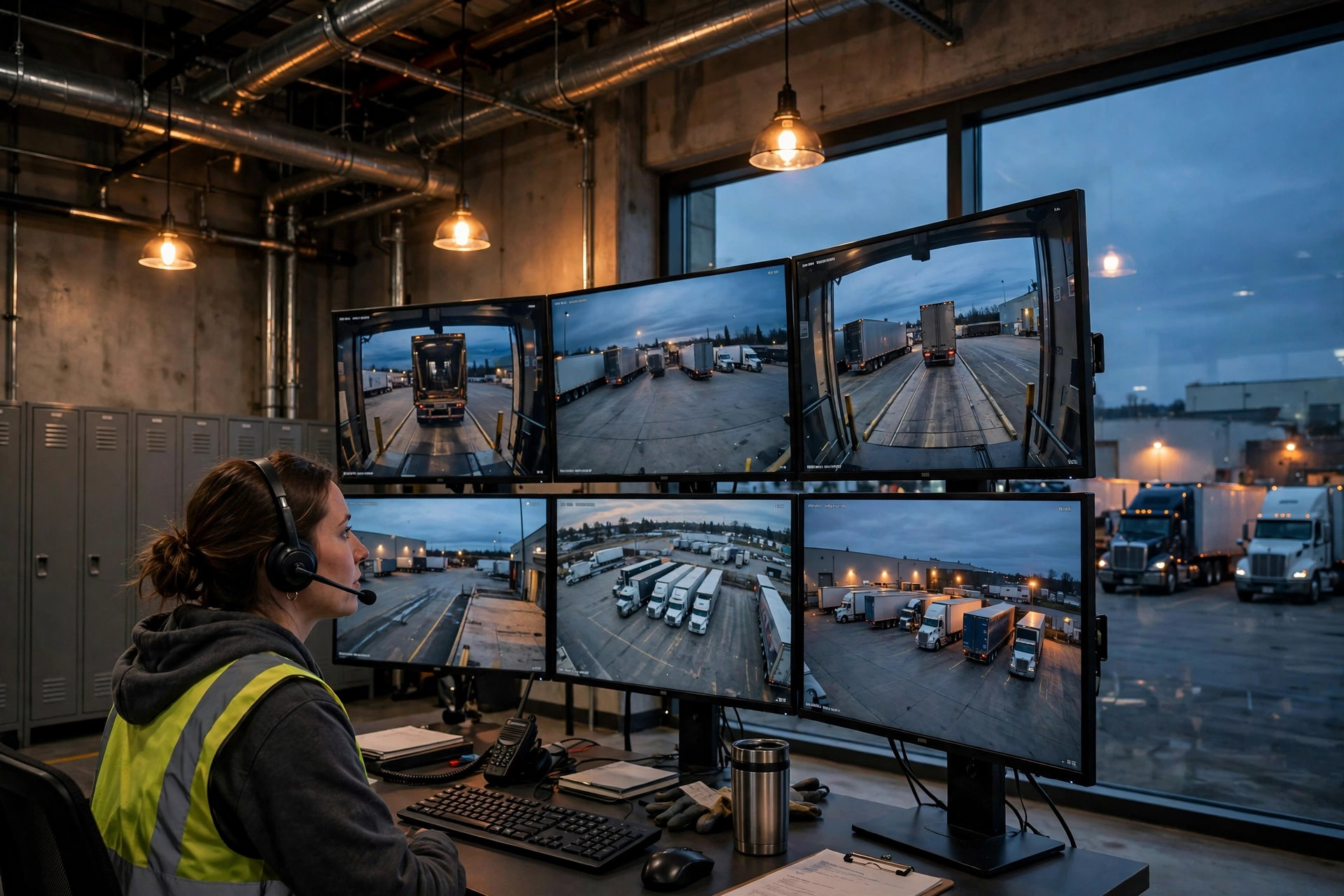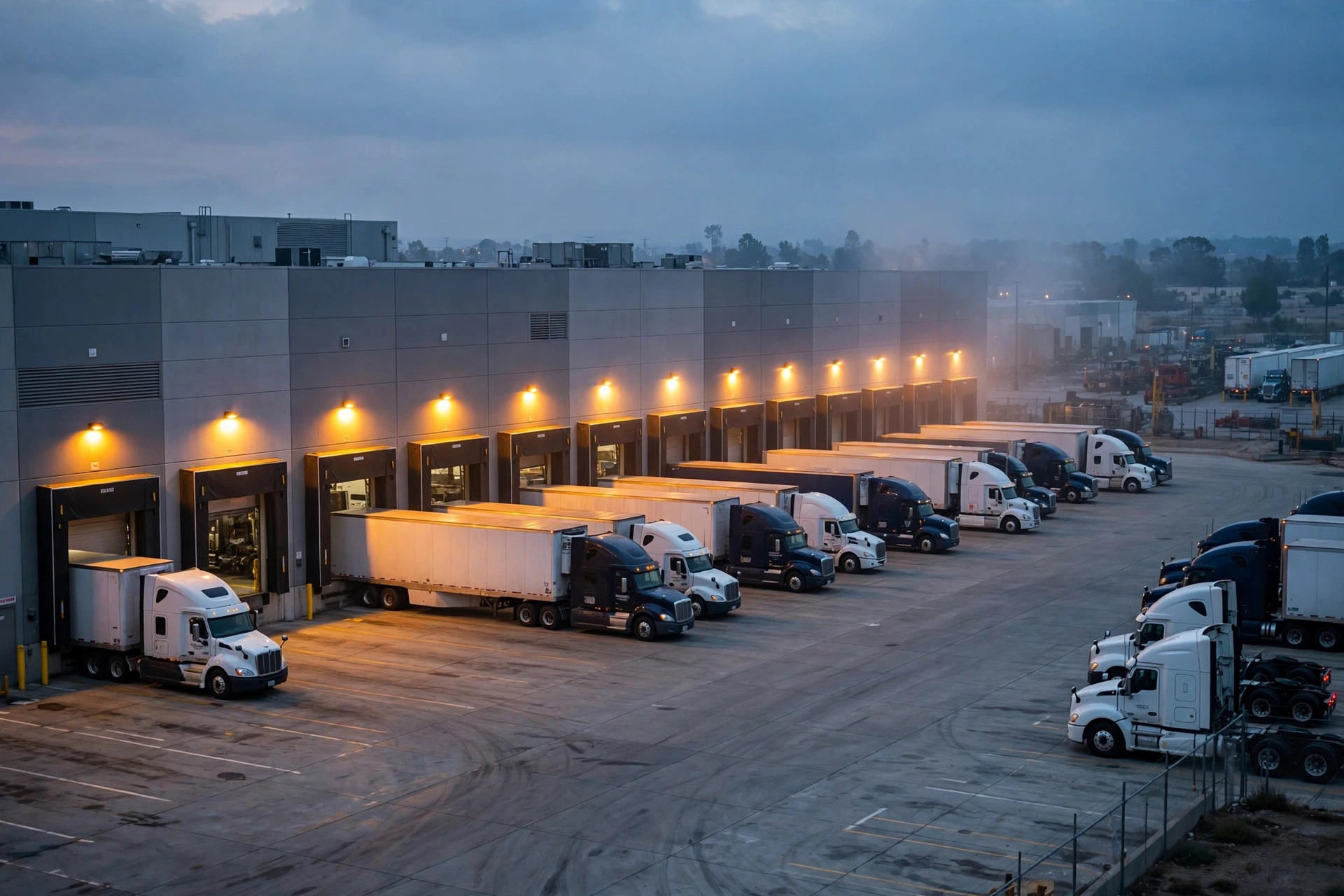
I'll tell you something. Late last month I pulled into a 3PL warehouse out in Ontario, California, for a 7 a.m. unloading appointment. Four trucks were already ahead of me. The customer service office window by the dock door was open, and from my cab I listened to three straight hours of phone calls.
From 7:10 to 10 a.m., that phone never stopped. The young woman answering it was going hoarse, and nearly every call was the same: “Where's my freight?” “What time can we unload?” “What's my appointment number?” One shipper called three times in ten minutes, just asking whether his truck had reached the gate. After all these years on the road, I've seen this scene more times than I can count — and it's not this warehouse. Eight out of ten warehouses I visit look exactly like this.
Here's what that tells you: the CSRs aren't drowning in hard problems. They're drowning in repeat questions. A hundred calls a day, and seventy to eighty percent are status checks, appointment confirmations, gate hours — all information sitting right there in the system, with nobody to say it out loud. The complicated cases that actually need a human brain get pushed to “I'll get back to you tomorrow.”
And here's the part most people don't think about: time zones. Your shipper might be on the East Coast. It's 1 a.m. your time, 4 a.m. his time, he's opening his store and all he wants to know is where his freight is. Nobody picks up. What can he do? Stew until morning, call again, and your CSR starts the whole explanation from scratch.
A while back, a 3PL out in the east LA area that does e-commerce fulfillment put in an AI customer service system. I know their dispatcher well — he told me the whole story. The boss was nervous at first, afraid the machine would mess up and cost him customers, so they started with just two question types: “where's my freight” and “what time do we unload.” Three months in, the results were plain: overnight inquiries, which used to go completely unanswered from 8 p.m. to 7 a.m., now all get picked up. The simple ones get answered on the spot; the tricky ones get routed to a human, and the CSRs review the handoff log first thing in the morning. The team went from six people to four — no layoffs, the freed-up folks moved to exception handling. Before, there was never time for that. The phones never stopped.
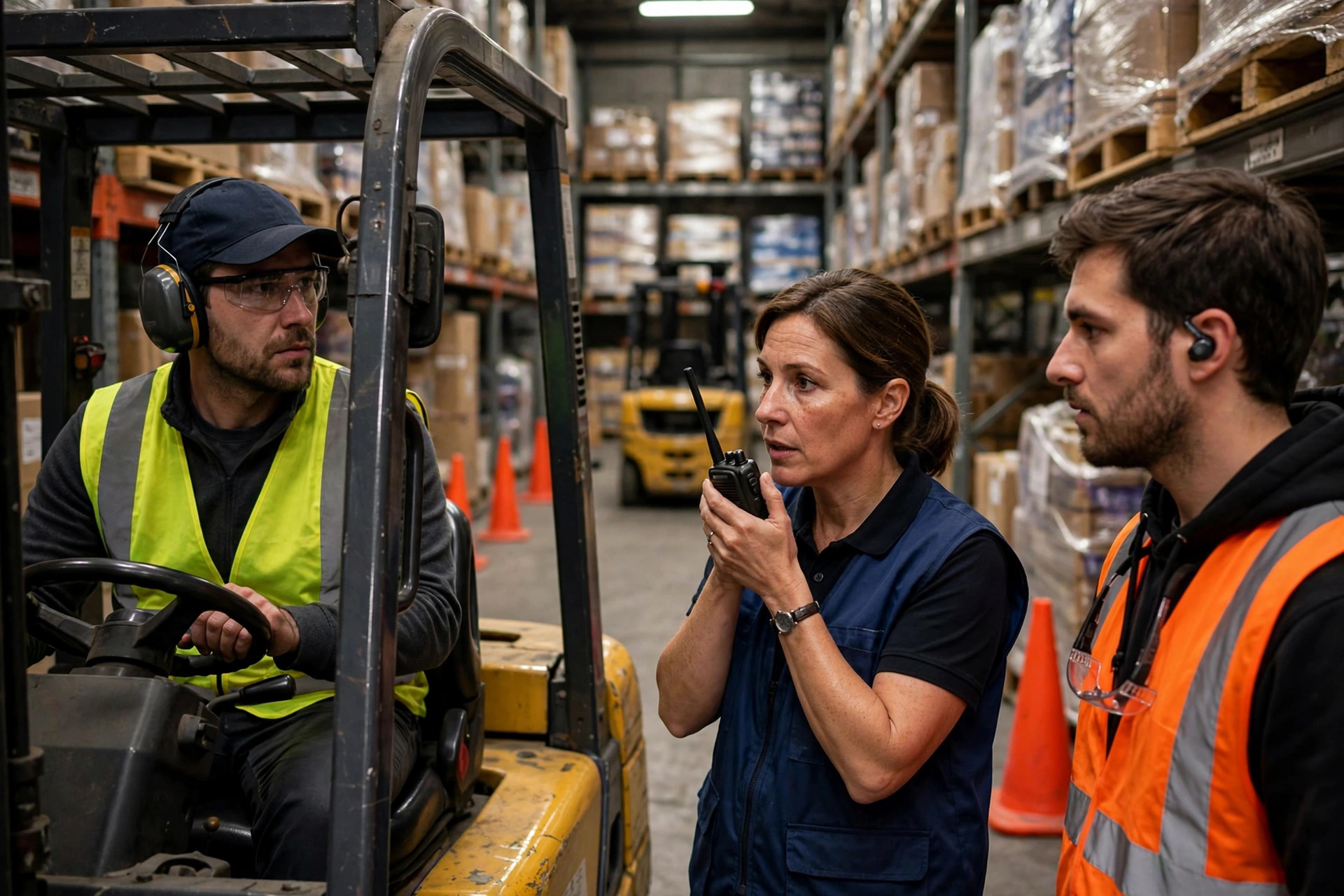
But I've seen the other side too. Another warehouse, the boss figured the AI meant the problem was solved and routed every call through the machine first. One day a shipper asked, “What time will my freight reach the Amazon warehouse tomorrow?” The AI pulled an estimated time from the system and answered. Problem was, that load was still waiting on a consolidation — the time it quoted was fiction. The shipper staffed his receiving dock for that window, and the freight never showed. One furious phone call later, the humans apologized, scrambled an expedited move, and saved the shipment. But that shipper never placed another order. I'll tell you something: when AI gets an answer wrong, you don't lose that one shipment. You lose the trust. A person gets it wrong and “sorry, let me check again” fixes it. A machine gets it wrong and what the shipper remembers is “their system is garbage.”
So let me walk you through the math. Say a warehouse gets a hundred inquiries a day and seventy are repeats. One CSR can handle maybe a few dozen calls properly in a day; the rest become “I'll get back to you tomorrow.” The AI takes those seventy repeats off the pile, and four CSRs handle the thirty complicated ones with room to breathe. On cost — from what I've heard around the industry, a month of AI customer service runs about what half a CSR costs. Exact numbers vary by vendor, so check their current pricing. The math works out either way, but only if you put the AI in the right seat.
What should the AI handle, and what must stay with a human? Here's the routing table I give people. Follow it and you won't get burned:
| Inquiry type | Who handles it | Why |
|---|---|---|
| Where's my freight, appointment / unload times | AI | The data's already in the system; fast and accurate |
| Gate hours, address, rate sheet questions | AI | Read straight off the price list, nothing to get wrong |
| Sending PODs, receipts, arrival notices | AI | Pure legwork — machines do it best |
| Damage, shortage, claims | Human, always | Money's on the line; a machine can't own that call |
| Price negotiation, expedite fees | Human, always | Depends on the relationship and the volume — the machine knows neither |
| Mis-sorted or mis-shipped cartons | Human, always | Needs tracing and fixing now; every minute costs money |
| Customs and inspection issues | Human, always | Rules change constantly; the machine can't keep up |
| Complaints, escalations, “can you look into this” | Human, always | Feelings need a person on the other end |
And here's the contrarian take, the one people get wrong: AI customer service isn't valuable because it's fast. It's valuable because somebody — something — answers at 2 a.m. Your shipper messages at 1 a.m. asking where his freight is, and the AI replies in three seconds: “As of 11 p.m., your freight is in Los Angeles; your unload appointment is 8 a.m. tomorrow.” He sleeps fine that night. No amount of enthusiasm the next morning makes up for that.
One more, and this one surprises people: phones ringing off the hook means business is good. But the warehouses that can't keep customers are usually the same ones with phones ringing off the hook. A customer won't sympathize with your busy CSRs — he'll quietly switch warehouses. So the way I see it, AI customer service isn't a cost-cutting tool. It's a customer-keeping tool.
One piece of advice for the warehouse, one for the shipper. Warehouse: start with the two safest categories — status checks and appointments. Don't hand over everything on day one. Have the AI cite its source and timestamp, like “per the system as of 7 a.m.” Keep a “talk to a person” option in every AI reply. And when the AI gets one wrong, do a post-mortem — don't fall in the same hole twice. Shipper: when you're picking a warehouse, run a little test — message them at midnight asking where your freight is, and see if anybody answers. Works every time. Tells you more than the rate sheet.
There's an old saying back home: good manners make money. The AI saves you time, but the “good manners” that make the money still come from a person saying “I'll keep an eye on it for you.” After all these years on the road, I've watched too many warehouses die on four words: “nobody answered me.” Don't let your warehouse be next.
By Shifu Zhao, Trucking Veteran (15 yrs)