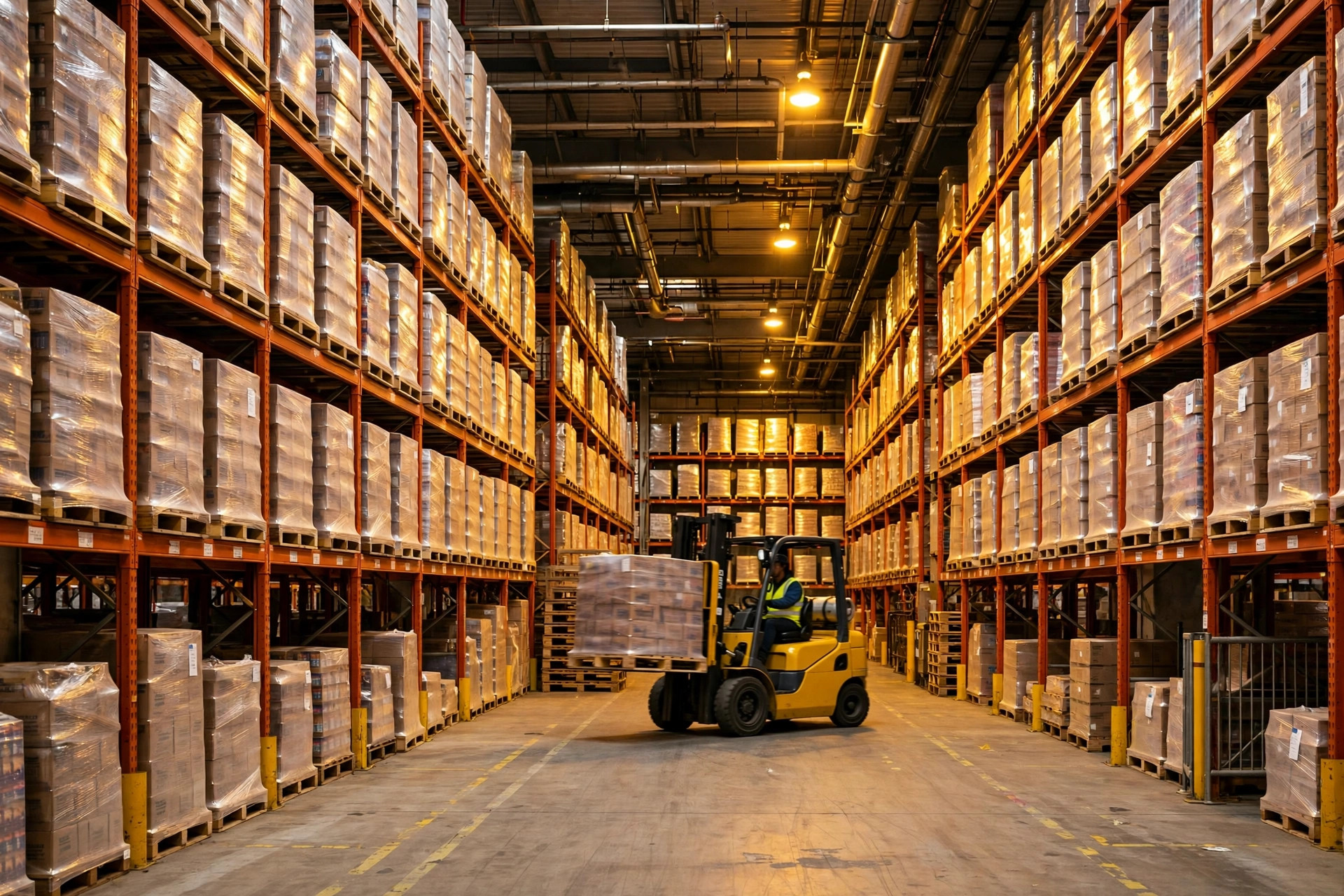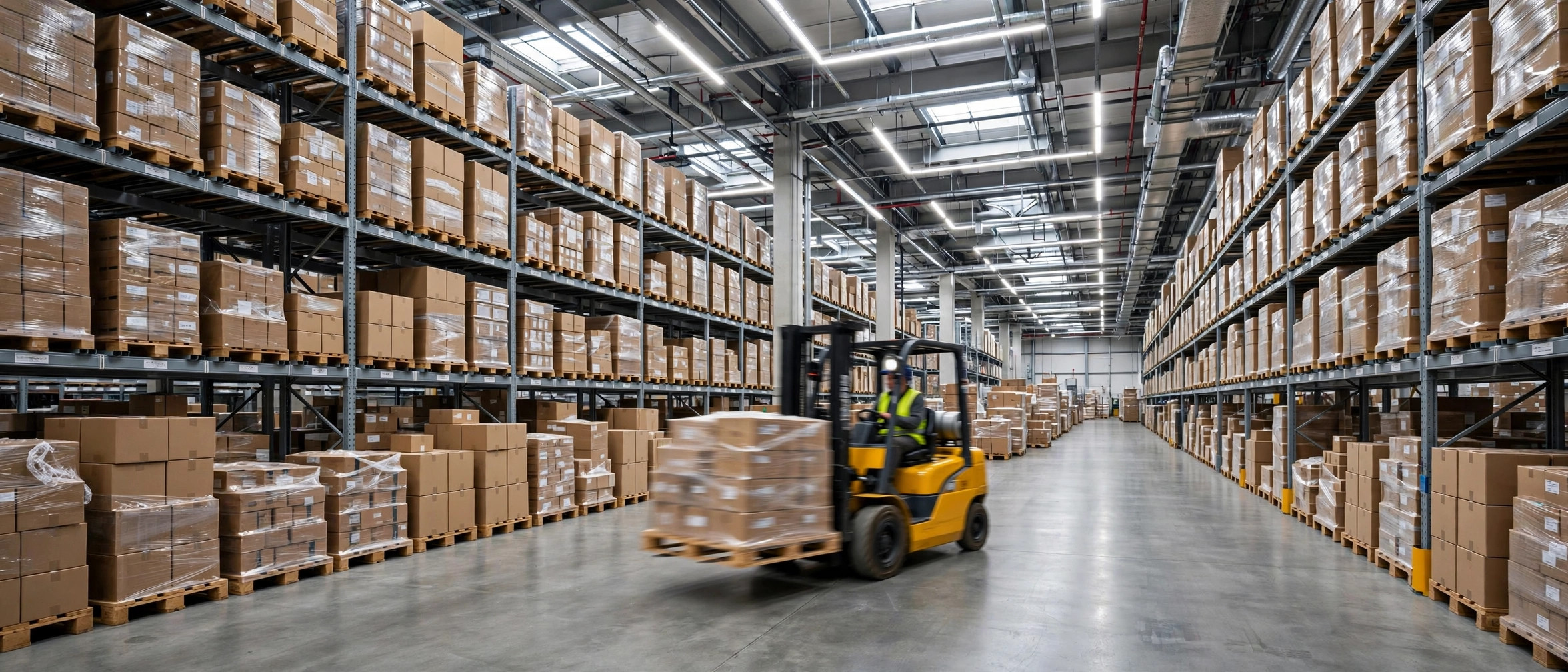
We had a client — a women's fashion brand out of California — that picked the wrong 3PL pricing model in 2023, and it cost them. Over 2,000 SKUs, roughly 800 orders a day, doubling in peak season. They'd signed with a per-pallet 3PL because the contract looked beautifully simple: a flat monthly fee per pallet, easy to budget. Three months in, their finance team ran the numbers and found total warehousing spend running more than 30% above what they'd modeled on per-order quotes.
Here's the thing about 3PL pricing: pick the wrong model and you're quietly donating money to your 3PL every single month. After years on the selling side of these contracts — I've signed well over a hundred of them — I can tell you each of the three mainstream 3PL pricing models (per order, per pallet, per square foot) was designed for a specific type of shipper. If your freight and your order profile don't match the model, the lowest headline rate in the world is still expensive.
Let me pull back the curtain on how each 3PL pricing model really works, who it favors, and — most importantly — how to choose and how to negotiate.
Per-Order 3PL Pricing: Looks Transparent, Hides the Most Fees
Per-order pricing is the model most ecommerce sellers know best: you pay per order shipped, usually broken into receiving, pick, pack, and label line items. "Pay for what you use" — sounds fair, right?
It is fair. It's also the model with the most small-print fees of the three. We had a home-goods client in Texas who signed a per-order 3PL in early 2024. The pick rate on the contract looked great — roughly ten percent below the competition. What they discovered after signing: inbound handling fees, return processing fees, a monthly account management fee, and a separate systems integration charge. At the year-end review, everything outside the headline rate made up nearly 40% of their total bill.
Here's the insider truth about per-order 3PL pricing: most 3PLs barely make money — sometimes lose money — on the headline rate. The real margin hides in the accessorials. So who does per-order favor? Sellers with high daily volume, concentrated SKUs, and low return rates. The bigger your volume, the more leverage you have to kill those accessorials or roll them into the unit rate. Flip it around: two or three thousand SKUs, a couple hundred orders a day, and constant returns? Per-order pricing will eat you alive, because you'll never spread the per-order fixed costs thin enough.
One rule for negotiating: don't ask "how much per order." Ask "how much per order, all-in, from receiving to the parcel leaving the dock."
Per-Pallet 3PL Pricing: The Lazier Your Freight, the Better
Per-pallet pricing is beautifully blunt: you occupy a certain number of pallet positions, you pay per position per month. Freight that sits still generates a predictable fee; freight that moves constantly makes you question the deal — because inbound and outbound handling are usually billed separately.
This model loves "lazy" freight: big, heavy, slow-turning, few SKUs. In 2024 we onboarded an outdoor furniture client in Arizona — fewer than 50 SKUs, twenty or thirty units per pallet, inventory sitting for two to three months at a stretch. For them, per-pallet beat per-order by a wide margin. Their order volume was small, so per-order pick-and-pack fees would have been brutal on a per-unit basis; per-pallet tied their cost directly to physical footprint. Clean and predictable.
But here's what the sales rep won't volunteer: how is pallet "utilization" calculated? Some 3PLs bill on the pallets you actually occupy; others bill on the pallets you reserve. Stock up for peak season and those empty reserved positions still cost you. Some add surcharges for double-stacked or oversized pallets. Before you sign, get it in writing: billed on actuals or on reserved capacity? And what's the standard pallet dimension?
The one-line summary: the lazier your freight — slow turns, big cubes, few SKUs — the better per-pallet works. The harder your freight works, the worse it gets.
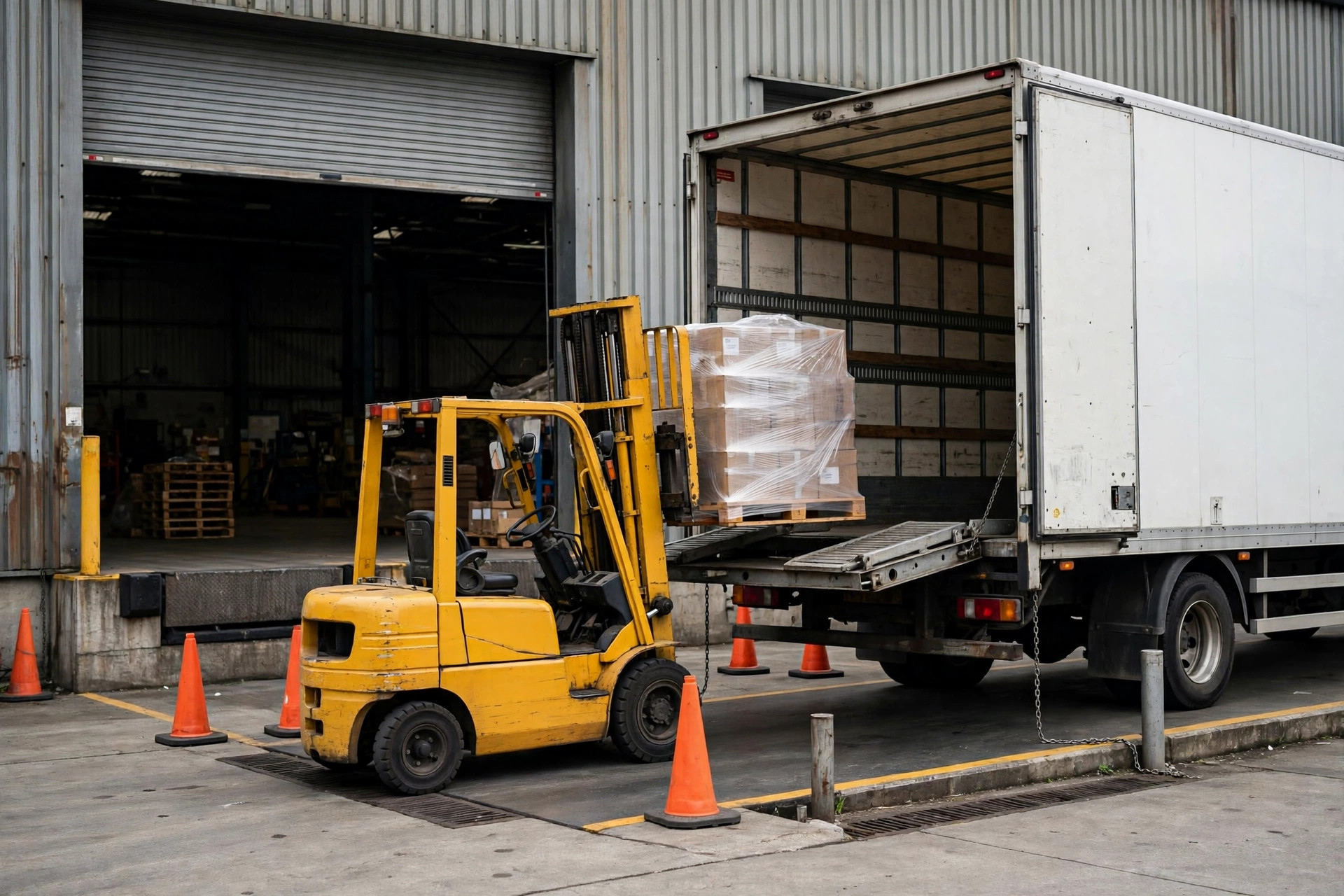
Per-Square-Foot 3PL Pricing: A Big-Shipper Game
Per-square-foot pricing runs on annual-lease logic: you commit to a footprint and pay per square foot per year. It's the highest-barrier model of the three — 3PLs don't offer it to small shippers, because dedicated space shifts the "fill it" risk onto you.
Here's the counterintuitive part: big shippers who negotiate per-square-foot deals often end up with a lower cost per pallet — even per order — than the other two models. Why? Because what 3PLs love most is stability. A client committing to tens of thousands of square feet for three years wipes out my vacancy risk and my sales team's prospecting pressure. Of course I'll cut the rate. Per-square-foot pricing is really "commitment in exchange for wholesale pricing": you commit volume and term, the 3PL gives you the bulk discount.
Who's it for? Established brands, factory-direct sellers moving online, or any brand that needs a regional "cloud warehouse" for distribution. Your inventory either sits on that footprint year-round, or you're confident you can fill it. But if your inventory swings wildly with the seasons — say, holiday-only SKUs that spike in the fourth quarter — dedicated space is a gift to your 3PL. Those empty square feet still bill in February.
Choosing a 3PL Pricing Model: A Simple Decision Framework
Strip away the noise and the choice comes down to three numbers: your SKU count, your average daily orders, and your inventory turn rate.
| Per Order | Per Pallet | Per Square Foot | |
|---|---|---|---|
| Cost tied to | Order volume | Pallet positions occupied | Committed footprint |
| Best for | High volume, concentrated SKUs, low returns | Big/heavy freight, slow turns, few SKUs | Stable inventory, large volume, long term |
| Biggest trap | Accessorial fees; the headline rate lies | Reserved (not used) pallets still bill; utilization math | Empty space bills in the off-season |
| Negotiation lever | Volume commitments for bundled rates; kill accessorials | Utilization definitions; stacking rules | Term + footprint commitments for wholesale rates |
| Typical profile | Ecommerce sellers shipping 1,000+ orders/day | Furniture, auto parts, building materials | Brands, factory-direct sellers |
The decision framework is three steps. First, calculate your trailing-twelve-month "warehousing cost per order" — total warehousing spend divided by total orders. Second, take that number to three 3PLs and ask for all three pricing models quoted, all-in. Third, don't just compare totals — compare how each cost structure matches your business volatility. Stable or spiky order and inventory patterns decide which model hurts you least in the slow months.
One more insider note: most 3PLs can quote all three models. Sales reps just lead with whichever is most profitable for them. The moment you ask for "all three models, all-in, side by side," they know they're dealing with someone who's done this before — and the padding in the quotes quietly shrinks.
After all these years selling 3PL contracts, I've noticed something: nine out of ten shippers spend the whole negotiation grinding down the headline rate, and nobody asks about the three things that actually determine the bill. So next time you're at the negotiating table, remember to ask these three questions:
One: beyond what's on the quote, what else is mandatory? Can I see the complete fee schedule? — Force every small fee into the open and get it into the contract as an exhibit.
Two: how do rates float between peak and off-peak? Is there a minimum monthly charge? — Plenty of 3PLs make their money on minimums in the slow season. Skip this question and the February invoice will scare you.
Three: if we don't renew, how much notice is required — and who pays to move the remaining inventory out? — Leave the exit terms vague and a single warehouse transfer can wipe out everything you saved.
No 3PL pricing model is universally good or bad; there's only fit. Get the fit right and the savings drop straight to your bottom line. Get it wrong and you're paying a monthly "didn't do your homework" tax. Next time you negotiate, ask the three questions first — then talk price.
By Susan, 3PL Sales Director