We had a client — a desk organizer brand — that blew up on Kickstarter last fall. Thirty days, eleven times their funding goal, more than 8,600 backers, 24,000 units including accessories. On day three after the campaign closed, the founder called me, voice shaking: "Susan, can our warehouse actually handle this crowdfunding fulfillment?" My honest answer: yes, it can — but you'd better understand what you're paying for before you sign anything.
Crowdfunding fulfillment is the trickiest job in a 3PL's eyes. Not because of volume — Black Friday is bigger — but because of the pulse. You go from a few dozen orders a day to 24,000 units shipping in two weeks. And those 24,000 units aren't one SKU: six reward tiers, base edition, deluxe edition, early-bird add-ons, double packs, each with different kit contents. Pulse plus multi-tier complexity means crowdfunding fulfillment speaks a completely different pricing language than ordinary e-commerce warehousing.
Look at a typical quote. 3PLs that handle crowdfunding usually charge $2.75 to $6.00 per unit for pick and pack, some quote order fulfillment starting at $7 per order, and receiving runs $25 to $75 per pallet. Creators look at that and think: "Hey, that's not bad — a few bucks a unit." Everyone on our side of the table smiles. That's just the cover charge.
In crowdfunding fulfillment quotes, separate the cover charge from the main course
The cover charge is cheap. The main course is expensive. The real cost of crowdfunding fulfillment hides in four places, and each one can double your budget.
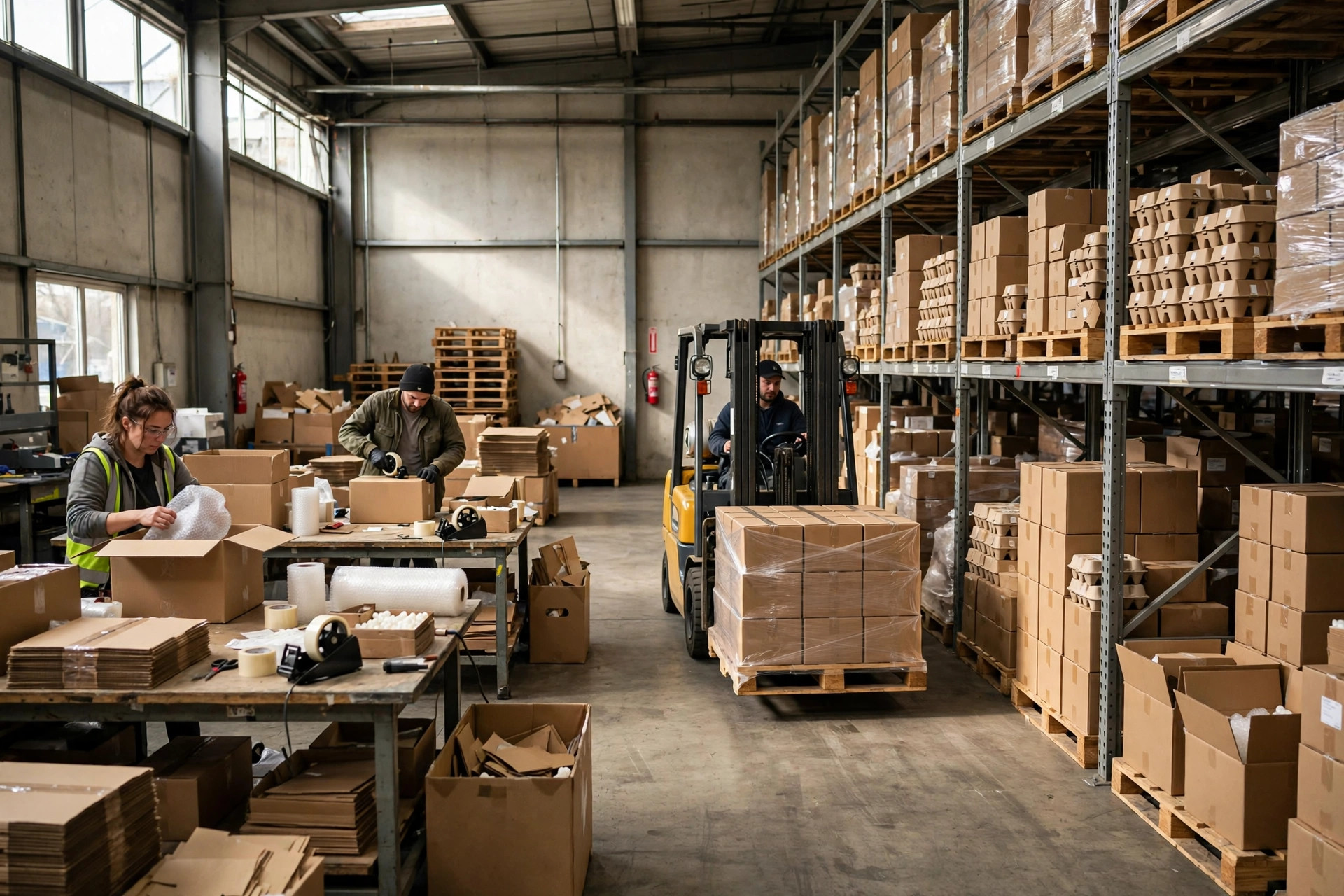
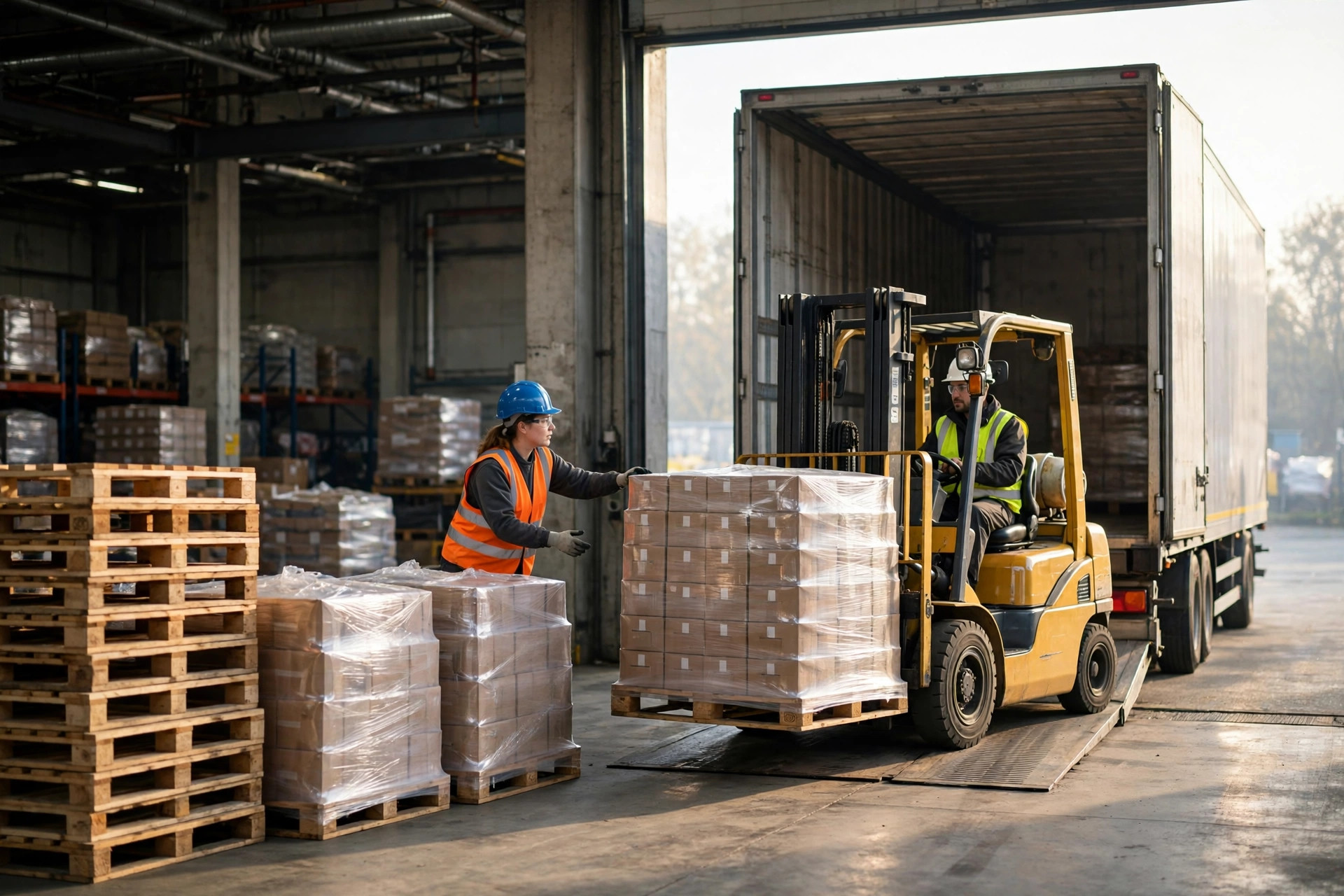
First, inbound QC. Crowdfunding products are almost always first mass-production runs — the factory's first big batch, with defect rates in a different universe from routine replenishment. We had a smart-bottle client whose Shenzhen factory shipped four containers at once; incoming inspection found more than 3,000 units with the lid gaskets installed backwards. You can't just "send it back" — the vessel sailed, 8,000 backers are counting days in the comments, and there's no time. We did the rework in the warehouse: disassemble, replace the gasket, reassemble, 300 units a day per experienced worker, a full week. Rework bills by the hour, and it's not inside that $2.75 pick-and-pack. Before signing, ask: how deep does inbound QC go? How is rework priced? Who sets the rework standard? Plenty of creators think "quality check" means "count the cartons." That's the first trap, and the most expensive one.
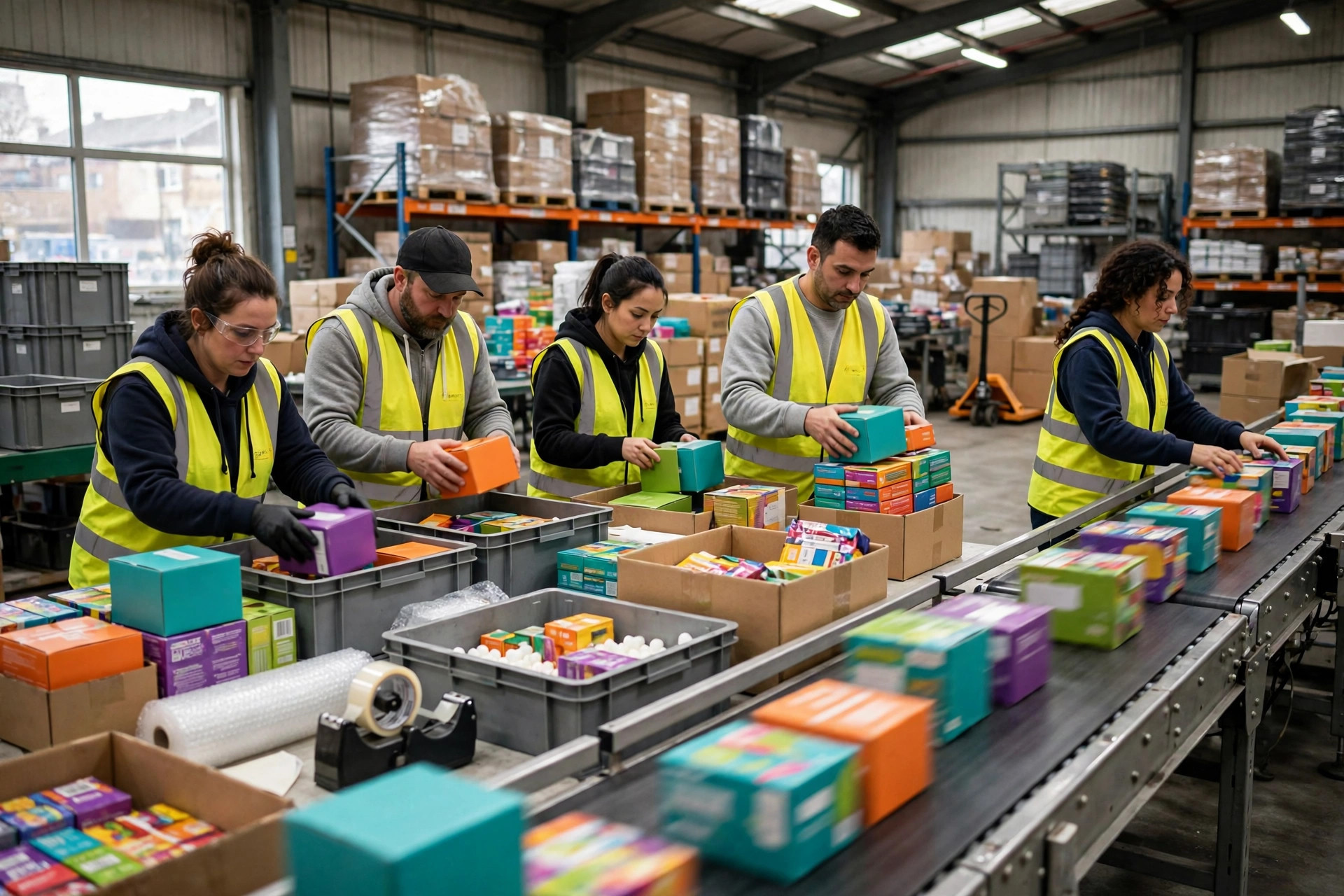
Second, reward-tier kitting. Six reward tiers means six kitting lines, workers building each order to tier spec, and one wrong tier gets you dragged on Reddit for three days. Kitting is usually quoted separately, per tier per order, and it costs more than plain unit picking — that's fair. But check whether the quote breaks out tier changes and add-on items separately. I've seen a 3PL quote $2.75 a unit for pick and pack — beautiful number — then charge kitting and add-ons on top, ending up more expensive overall than the competitor who quoted $4.50 all-in. Remember: anything not written on our quote will show up on your invoice. Every single line.
The three hidden cost centers of a crowdfunding surge
Third, address changes. From campaign end to shipping, you're looking at two months at best, half a year at worst. Backers move, backers typo their addresses — an address exception rate around 3% is completely normal. On 20,000 orders, that's 600 parcels to touch: address corrections, intercepts, reships, each one billable. Worse than the money is the reputation damage — a backer waits six months and gets "undeliverable, returned to sender," and the comment section explodes. You can't avoid this cost, but negotiate the unit price in the contract now. Argue about it when the invoice arrives and you have zero leverage.
Fourth, wave shipping. Every creator wants "early birds ship first," and backers watch the ship order like hawks. Wave shipping means the warehouse stages, picks, and ships in batches — the same inventory moves in and out several times, and that $25-to-$75-per-pallet receiving fee, small as it looks, multiplies with every wave. My advice: cap it at three waves. Each additional wave moves your operating cost up a notch. Some creators want five or six waves of "precision operations" — on our side of the table, we're already rewriting the quote for the third time.
Let me share two insider truths from the 3PL side. One: a crowdfunding project is a pulse order. The warehouse reserves capacity and labor for you, and if you don't show up, the warehouse eats the loss. That's why many 3PLs put a minimum commitment or a project management fee in the contract. It's not a scam — it's industry practice. The point is to know about it before you negotiate, not discover it after you sign. Two: specialists like Fulfillrite have handled more than 3,500 crowdfunding campaigns, with their largest single campaign shipping 25,000 units in two weeks. They can take pulse orders because their entire process was built for pulses. When choosing a 3PL, first check whether they've done crowdfunding before. If they haven't, walk away no matter how cheap the quote is — your project becomes their tuition, and you're the one paying it.
Here's the counterintuitive call: for crowdfunding fulfillment, don't pick the cheapest 3PL. On pulse orders, the margin isn't in the unit price — it's in "nothing goes wrong." One large-scale mispick wave, and returns plus reshipping cost far more than clean fulfillment ever would, before you even count the brand damage in the comments. Saving twenty cents a unit saves you $4,000 on 20,000 units; a 5% mispick rate means 1,000 rework-and-reship orders that eat double that. Run the numbers yourself and you'll see what you're really paying for.
Run it with real quote-sheet numbers. 24,000 units, pick and pack quoted at $2.75 to $6.00 a unit — that line alone ranges from $66,000 at the floor to $144,000 at the ceiling, a spread of nearly $80,000. That range is itself your negotiating room; every dime you negotiate down is real money. Receiving, say roughly 20 pallets at $25 to $75 each, is only $500 to $1,500 — small, until wave shipping multiplies it. So don't compare unit prices. Compare fully-loaded cost: where you landed inside the pick range, what kitting bills separately, how many receiving cycles your waves create. Get every line item clear before you sign.
A pre-signing checklist for creators choosing a 3PL
Inbound QC: inspection sampling rate, rework rate, who defines the rework standard — in a contract exhibit, not a verbal promise. Kitting: kit contents per reward tier, unit price, mispick compensation terms, tier by tier. Address changes: unit pricing and process for corrections, intercepts, and reships, plus a hard cutoff date for backer self-service address edits. Wave shipping: how many waves, how staging and outbound are billed per wave, what the surcharge is beyond three waves. Minimums and project fees: do they exist, how much, what triggers them — in black and white. Crowdfunding track record: how many campaigns handled, what's the largest single-campaign volume, and can you ask around about their blowup history.
Next time you're negotiating a contract, ask these three questions. First: list every chargeable item that's not on this quote, all at once. Second: put rework and mispick compensation standards in the body of the contract — never accept "to be negotiated separately." Third: how many crowdfunding campaigns at my scale have you handled, and what did your biggest single campaign ship in two weeks? Ask those three and they'll know they're dealing with an insider. The quote gets honest real fast.
By Susan, 3PL Sales Director