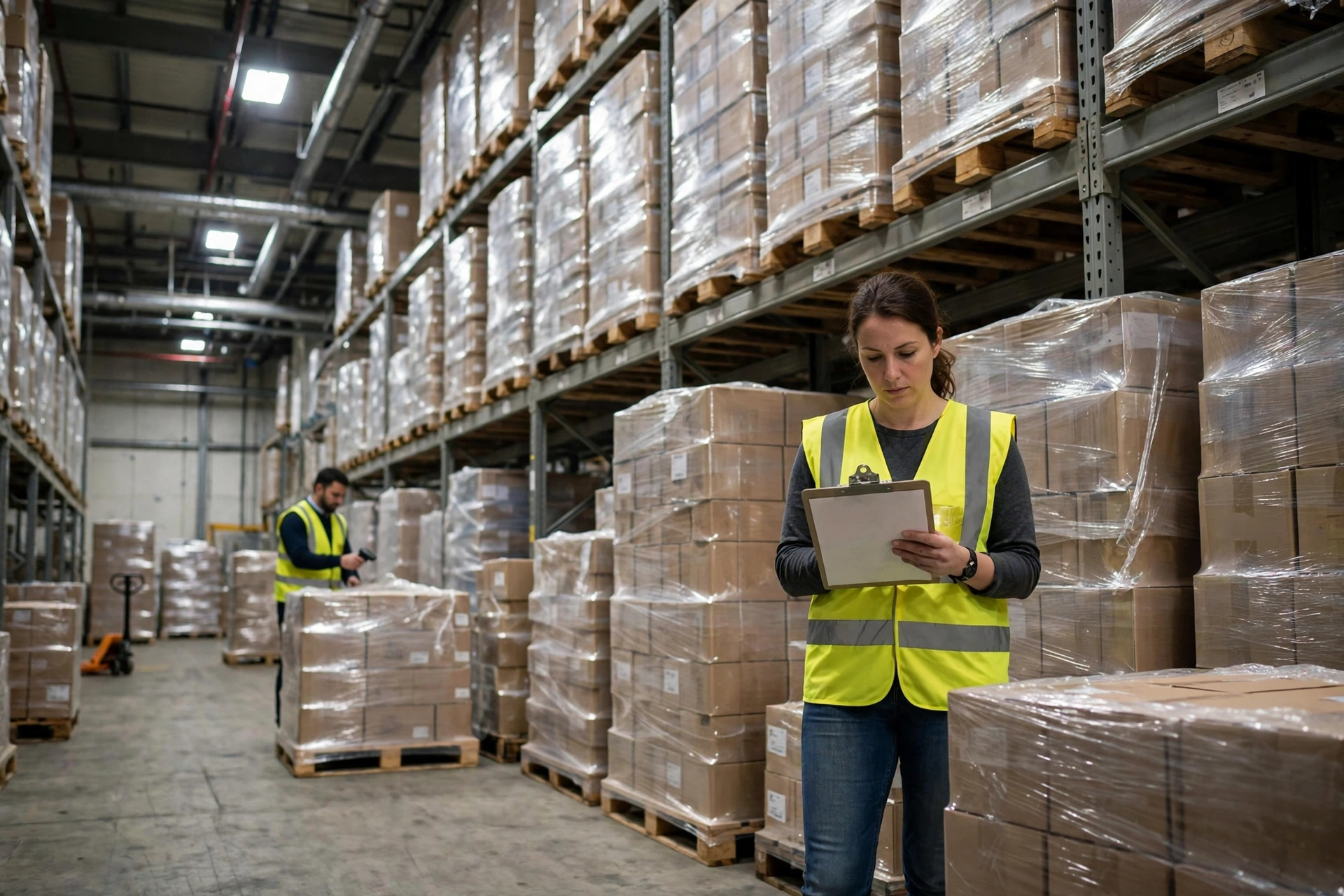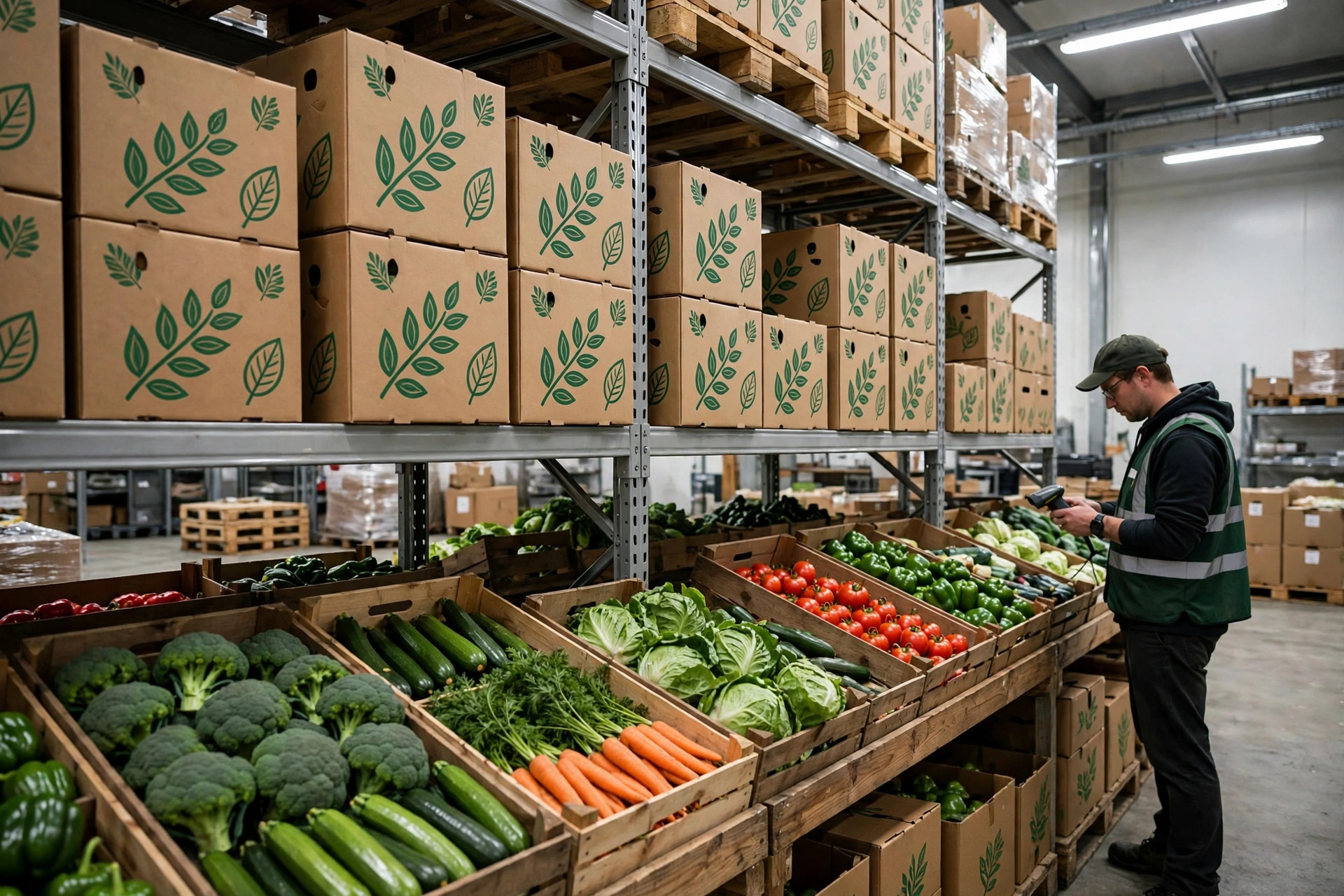
The certifier walked the warehouse with a clipboard for three hours. When she left, my friend's organic nut business was one noncompliance away from losing the word "organic" on every listing. Forty thousand dollars a month in sales, an 18% repeat purchase rate — all of it sitting on top of a warehouse that stored organic and conventional product one aisle apart and sprayed whatever pest chemical happened to be on the truck that month. That is the day I learned a warehouse can kill an organic brand faster than any bad review. I have watched it happen twice since — once to a friend, and once it almost happened to me.
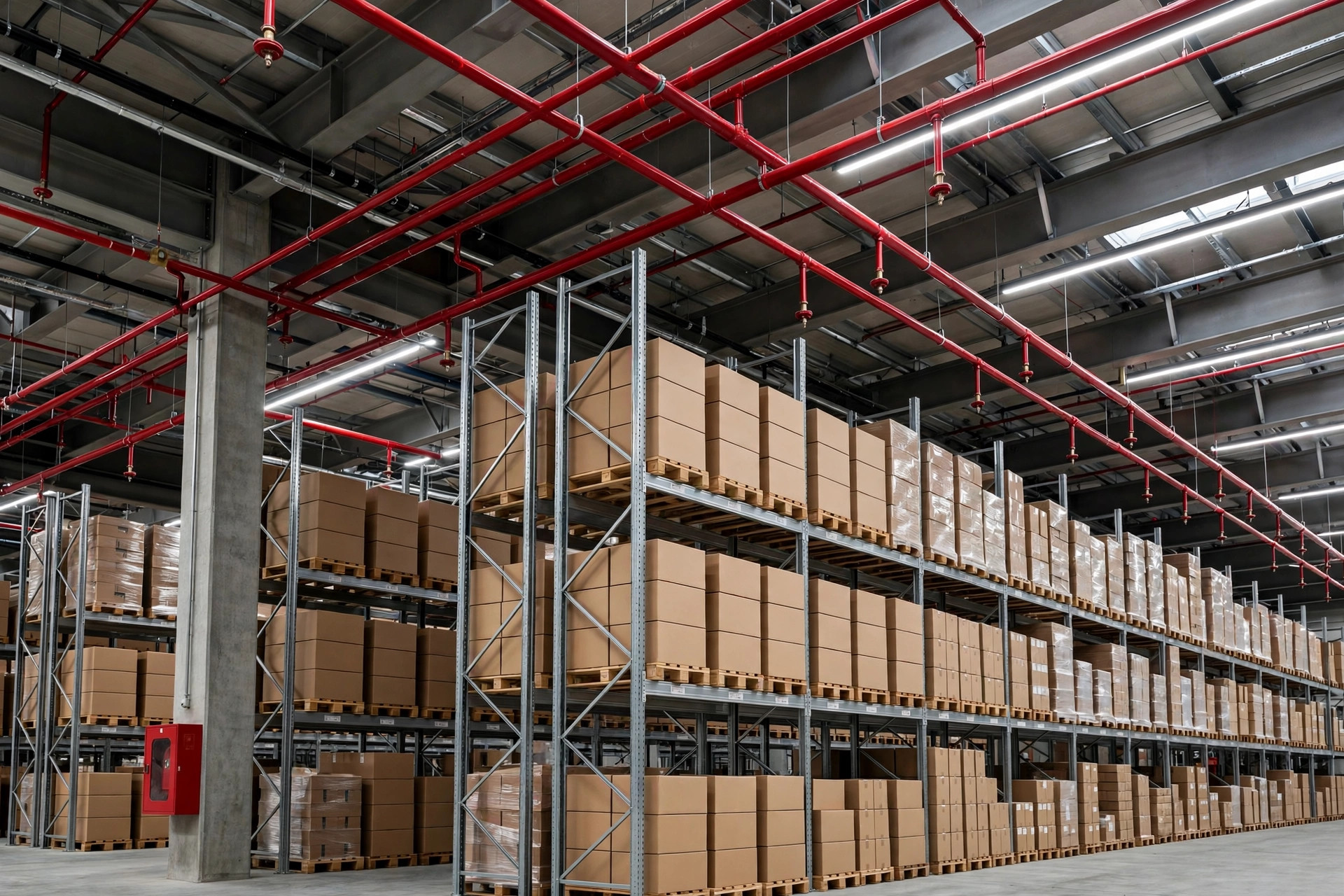
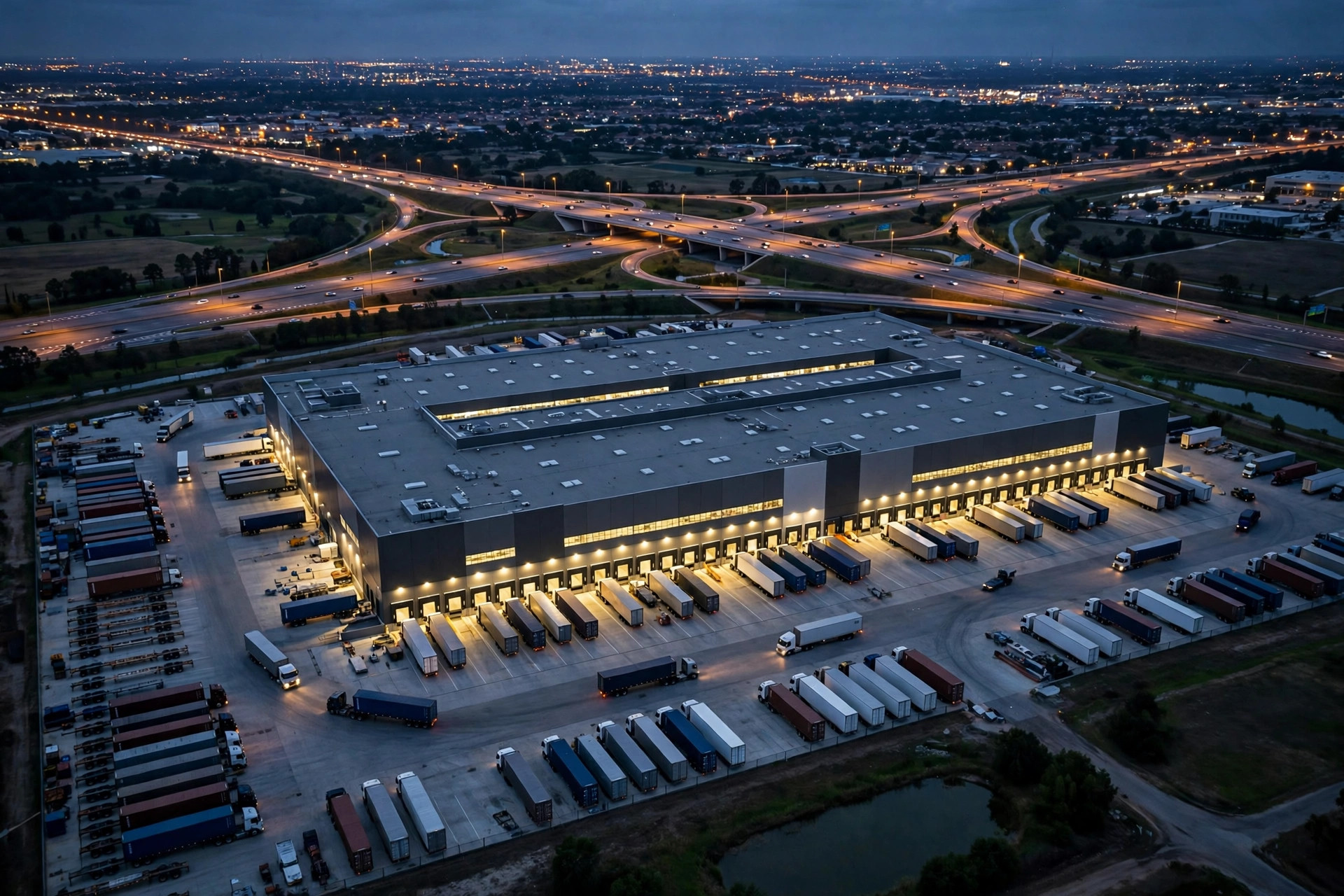
Here is the story. End of 2023, a friend selling organic nuts hit $40K a month and signed with a local 3PL. The warehouse talked a big game: "we have done food warehousing for ten years." The reality? First, organic and conventional products in the same zone, separated by one aisle. Commingling. Second, the warehouse ran its standard pest control program — chemicals not on the NOP allowed list, and no application records kept. Third, the certifier showed up for the annual inspection, wrote up noncompliances, and my friend nearly lost the organic claim. Organic-keyword traffic to his store fell off a cliff, and rebuilding that ranking took the better part of a year. If your warehouse does not understand NOP, your beautiful product story is worthless — and the platform will not warn you before the damage is done.
Why Warehouses Cannot Dodge This: After SOE, the Whole Chain Certifies
Quick regulatory background. The USDA's National Organic Program (NOP) lives in 7 CFR Part 205. The Strengthening Organic Enforcement (SOE) rule, published in January 2023, was fully implemented on March 19, 2024. After that date, nearly every link in the supply chain that handles organic product needs certification — or it needs to stop handling organic product. Warehouses are not exempt territory.
But here is the distinction most people get backwards:
- Must certify: opening boxes, repacking, labeling, mixed-pallet builds. If you open the package and touch the product, you are a handler. You need certification, an Organic System Plan (OSP), and at least one on-site inspection per year by an accredited certifying agent.
- Can stay excluded (§205.101): "in-and-out intact" only. Sealed packages with retail labeling, arriving sealed and leaving sealed, never opened or altered. That is an excluded operation — no certification required.
- Small-operator exemption: under $5,000 in annual organic sales. No certification, but you still have to follow organic handling rules.
Key point: excluded does not mean no requirements. Excluded warehouses still have to prevent commingling and contact with prohibited substances (§205.272), and keep records for at least 3 years. If an inspector shows up and you cannot produce receiving and shipping records, that is still a violation.
What I Actually Did: The Certification Process and the Cost Math
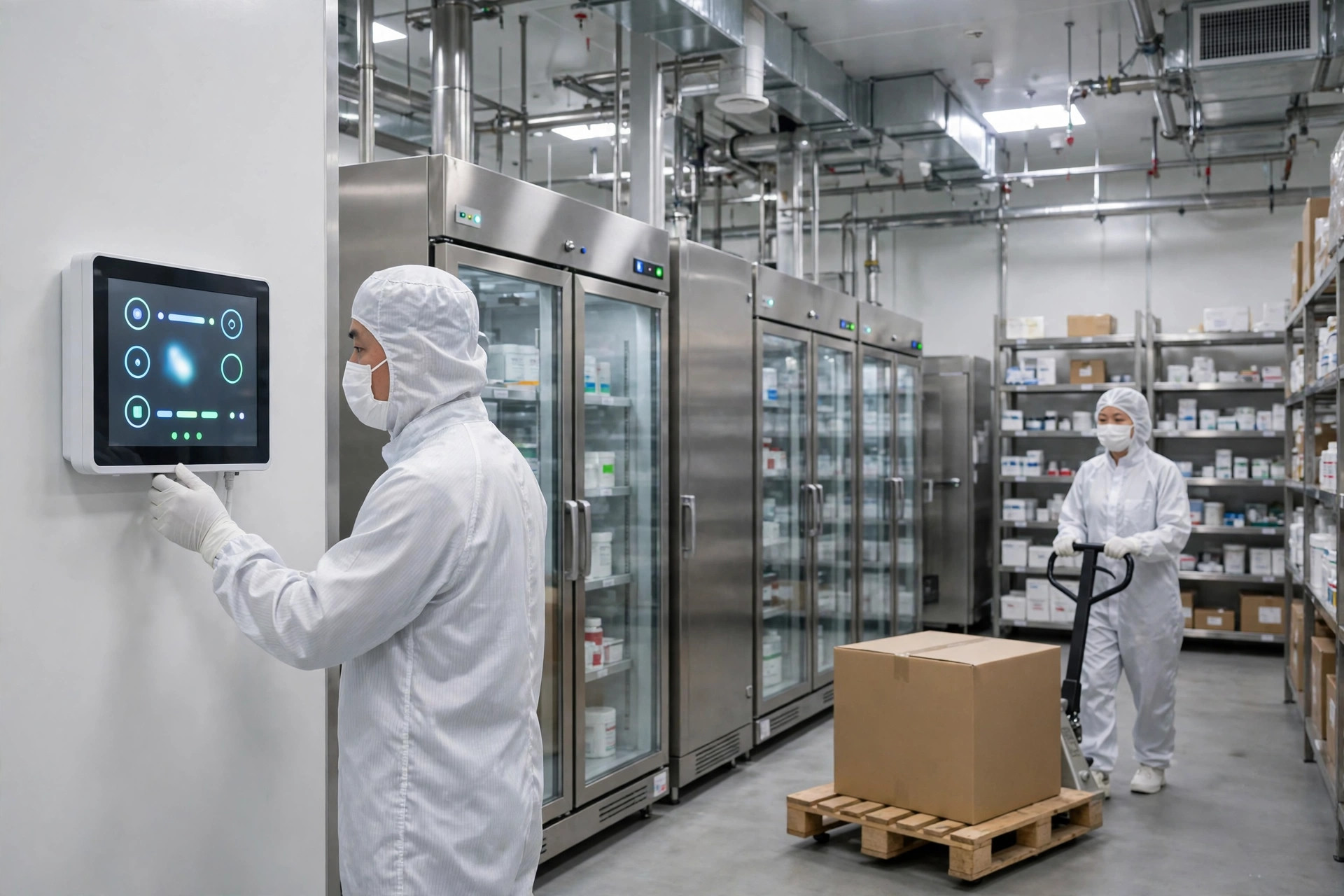
The warehouse I work with now is a certified organic handler. The certification process itself is not mysterious: pick a USDA-accredited certifying agent → submit your Organic System Plan (documenting receiving, storage, pest management, cleaning, and recordkeeping) → document review → on-site inspection → certificate → annual inspection every year. Our warehouse took nearly 4 months from application to certificate. If you are thinking of switching warehouses before peak season, plan ahead.
The cost math has two parts. Certification itself depends on the certifier's quote — a few thousand dollars a year, which is genuinely cheap spread across a seller doing tens of thousands a month. The expensive part is the "segregation cost": a standalone pest management program (only NOP-allowed materials and methods), compliant cleaning procedures, and dedicated recordkeeping time. We measured it: a compliant warehouse quotes 10–15% more than a conventional food warehouse. But run the other side of the math: lose the organic claim once, watch organic-keyword traffic drop 30%+, and your ad ACoS goes through the roof. That warehousing premium is nothing next to it.
One nuance for small sellers: the $5,000 exemption sounds tempting, but do the math on your own revenue. The moment your organic sales cross that line — and if your listing is working, it will — you need certification in place, not "in progress." We crossed it in month four. Retroactive compliance does not exist, and rebuilding listings after a takedown costs far more than the certifier's fee.
Numbers talk: after the switch, our organic line's complaint rate fell from 1.8% to 0.9%, and the "product arrived in bad condition" category nearly disappeared. That matters — Amazon account health runs on these metrics, and too many bad reviews will cost you the Buy Box. Fewer complaints also meant fewer refunds eating the margin, which quietly paid for the warehousing premium within two quarters.
The Checklist: Five Questions Before You Sign a 3PL Contract
- Are you an organically certified warehouse? What is the certificate number? Look it up in NOP's Organic Integrity Database. If it is not there, treat it as uncertified.
- Get the pest management plan as a separate document: chemical list, application records, treatment-area map. A conventional warehouse's "monthly extermination" can be a time bomb in an organic facility — one non-allowed chemical and you are in trouble.
- Commingling red line: physical separation between organic and conventional zones, and separation or cleaning for shared contact surfaces — pallets, forklifts, gloves. Inspectors really do check this. Do not gamble.
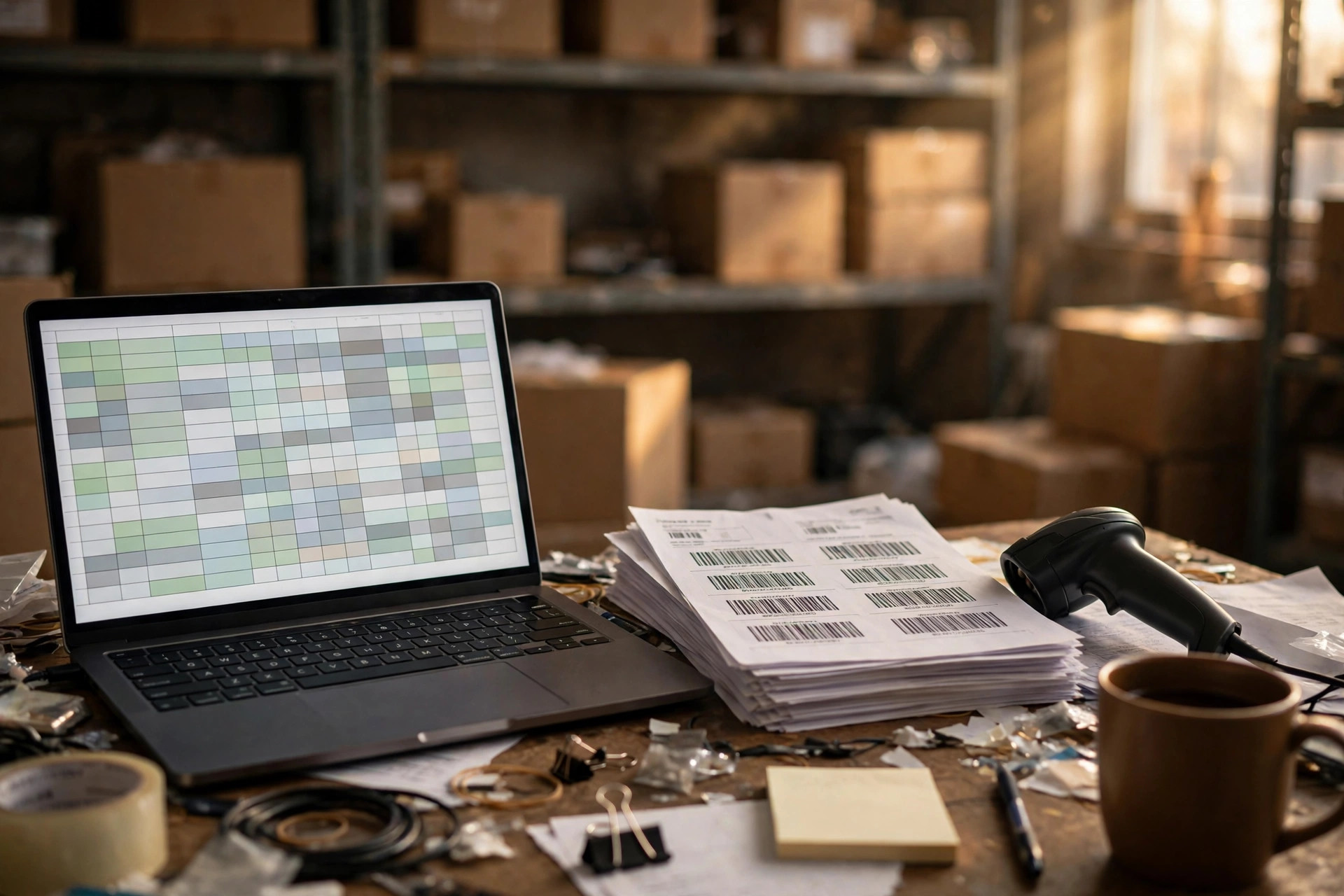
- Lot records: inbound lot numbers, outbound lot numbers, upstream and downstream certificate numbers, all matched one-to-one. FDA's FSMA 204 traceability rule (lot-level traceability for foods on the Food Traceability List, records producible within 24 hours; the original January 2026 compliance date has been pushed back — check FDA's latest) and NOP's recordkeeping are the same basic skill set. Build it once.
- Imported organic ingredients: under SOE, you need an NOP Import Certificate, filed into CBP's system by the broker. Get your freight forwarder ready before the container hits the port, not after.
This one I have personally tested and it works: before the certifier's annual inspection, walk your own warehouse against the inspection checklist, focusing on pest records and lot matching. Inspectors always ask the same things. Prepare ahead and the inspection becomes boring — which is exactly what you want. In the organic business, the product is the face, but the warehouse is the foundation. A rotten foundation cannot hold up a pretty face.
By Ah K, E-commerce Seller (5 yrs)