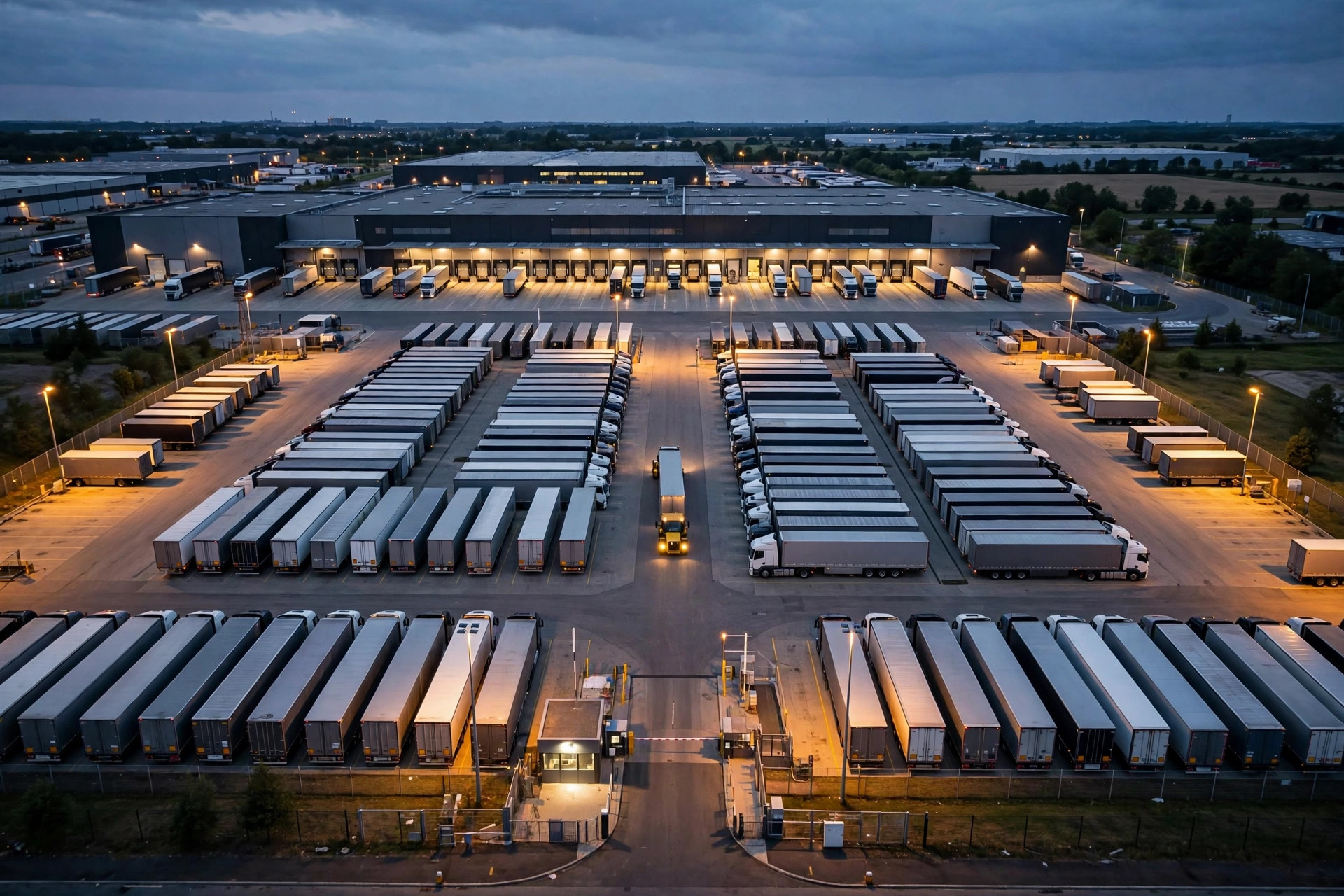
I'll give you the verdict up front: if you're asking how much a yard management system costs, you're asking the wrong question. The price tag was never the deciding factor. The real question is how much money the trucks idling at your gate are burning every single day. Once you know that number, the yard management system cost question answers itself.
Let's be blunt about it. Software prices are public knowledge: entry-level deployments run roughly $5K–$8K, and full-featured systems with customization and integration start around $20K–$40K (these are commonly advertised market ranges — always confirm with the vendor's latest quote). But here's the other side of it: the license is just the tip of the iceberg. The real yard management system cost sits below the waterline.
I've seen too many warehouses die staring at the software price alone.
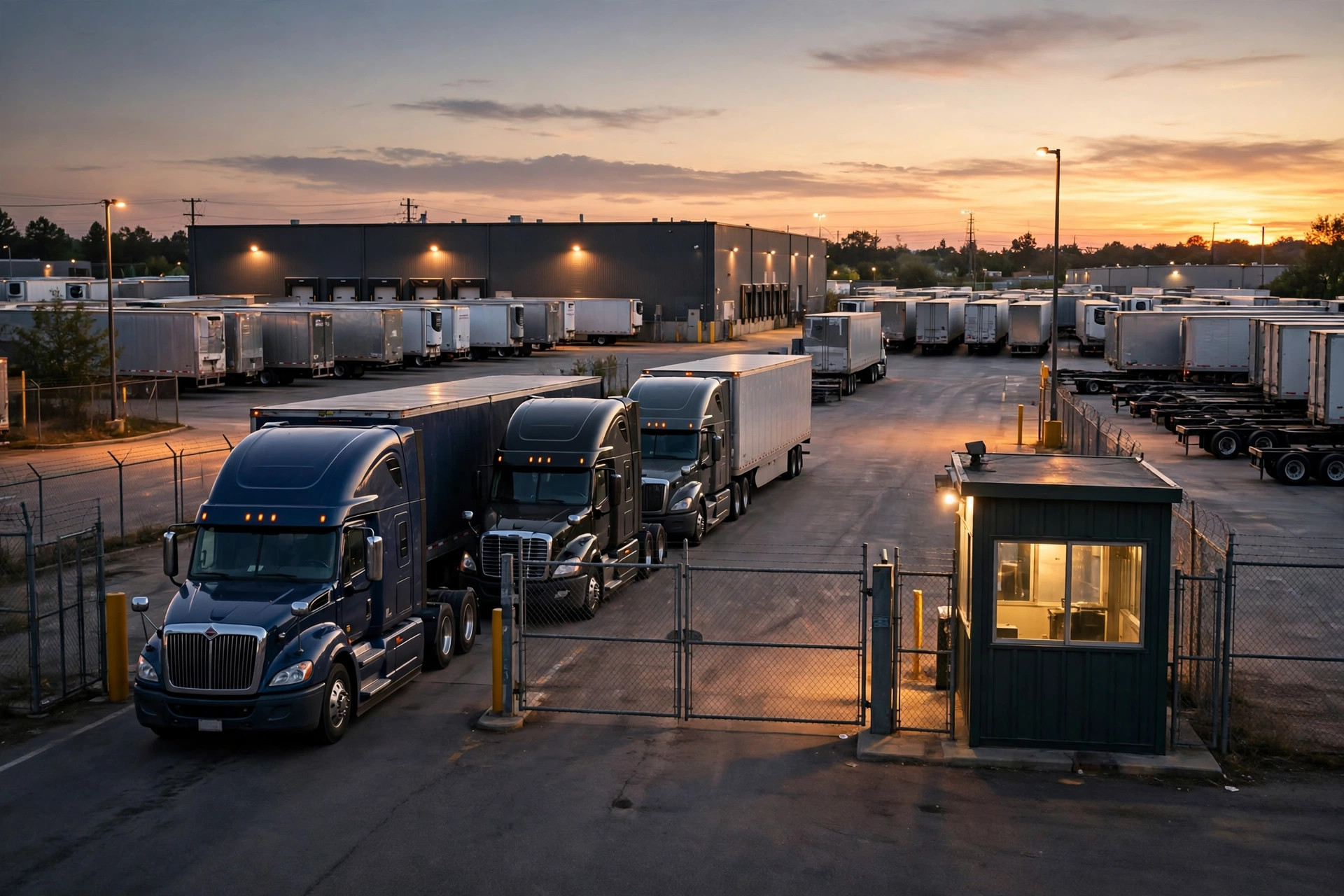
In 2023, a 3PL out in California's Inland Empire — about 110 trailer spots, 60 to 70 trucks moving through the gate every day — bought a YMS because the owner heard it would fix gate congestion. Software plus implementation ran well into the tens of thousands in year one. Six months later I walked their yard: detention hadn't dropped a dime, and the queue at the gate was exactly as long as before. Why? They'd turned on electronic check-in and geofence alerts and nothing else. The appointment module was never connected, the WMS integration never happened — the system had no idea when trucks were coming, which doors were free, or how long an unload would take. Let's be honest: the bottleneck was dock scheduling and people. Nobody scheduled by the system, so the system was just an expensive sign-in sheet.
Contrast that with a food distribution warehouse in Texas in 2024: 80 trailer spots, roughly $30K a month in detention bills. They picked a lightweight SaaS YMS, annual subscription, live in six weeks. They did exactly three things: tied appointments to the gate, auto-assigned doors on arrival, and set up overtime alerts. Three months later detention was down 40%, and their yard spotters went from two full shifts to one and a half. The owner told me the investment paid for itself in year one.
Two warehouses, similar money spent — one wasted, one repaid. The difference? The second one did the math first.
Where Your Yard Management System Cost Actually Goes
Break the money into pieces. Yard management system cost is never just the software license. There are five buckets:
First, the software itself. SaaS subscriptions are paid annually; perpetual licenses are paid once. Publicly advertised ranges run $5K–$8K for entry-level deployment and $20K–$40K and up for full-featured systems — and note, that's deployment and go-live only. Annual maintenance, upgrades, and support are usually billed separately. Whatever number a salesperson gives you, always ask: is that the total first-year cost, or just the starting price?
Second, implementation and integration. This is the biggest hidden cost. The YMS has to talk to your WMS and TMS, someone has to configure doors, spots, and appointment rules, and the gate guards and dispatchers need training. Timelines run from six weeks to six months — and the longer it takes, the more of your people's time gets swallowed. Plenty of quotes look beautiful on paper; the overruns always come from "requirements changed" and "the interface won't connect."
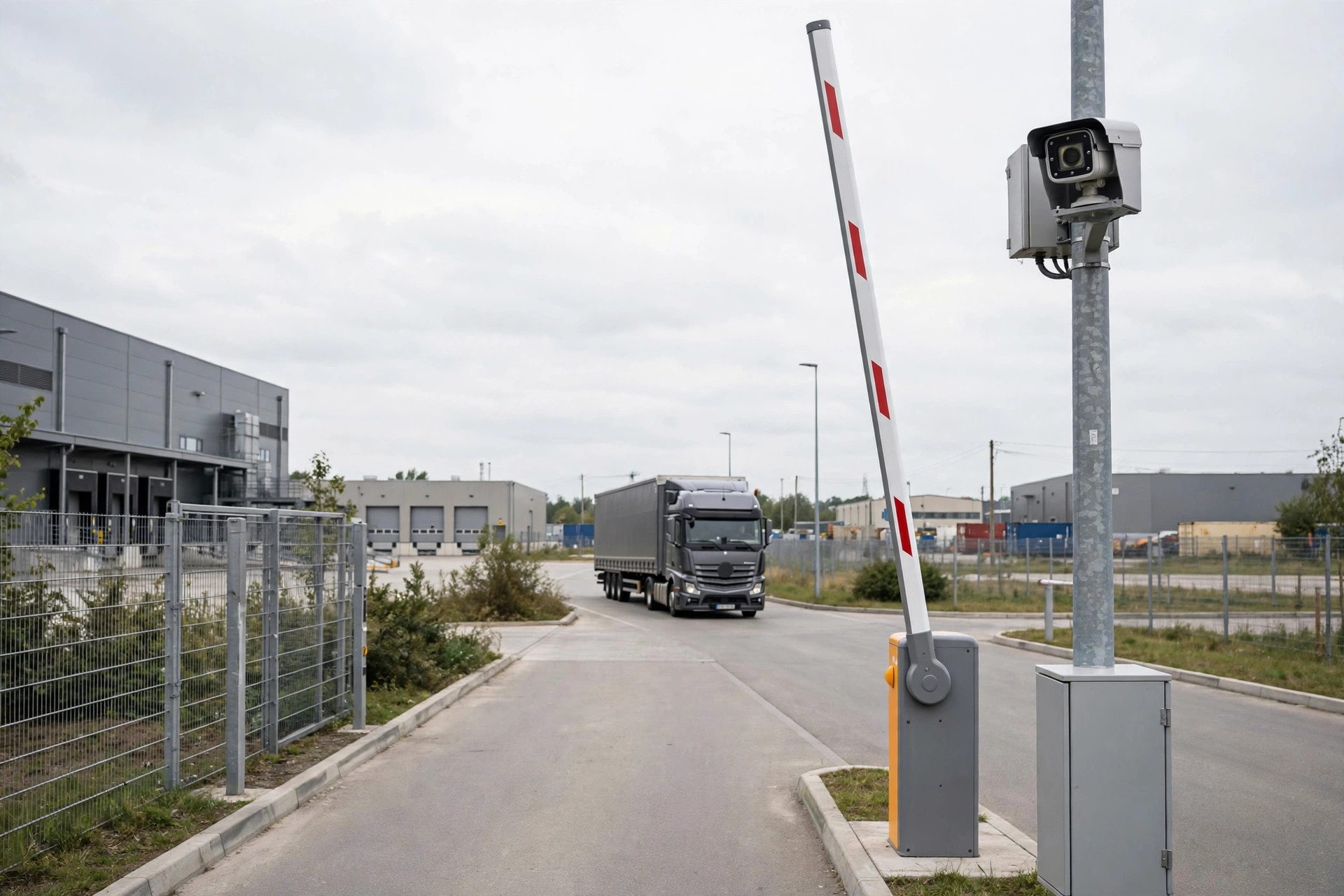
Third, hardware. Automating the gate means RFID readers, license-plate cameras, geofence beacons — another several thousand to tens of thousands of dollars. Don't cheap out on hardware, but don't overbuild on day one either. Get running first, then fill in.
Fourth, the recurring money. SaaS subscriptions, maintenance fees, upgrade fees — every year. Perpetual licenses typically carry 15%–20% annual maintenance (standard industry practice; check your contract). Never budget for year one only. Look at three years minimum.
Fifth, your own people. A part-time system admin, gate staff training, changing how dispatchers work — none of it shows up on an invoice, but it decides whether the first four buckets were money well spent.
The ROI Math on Yard Management System Cost: How to Calculate It Honestly
Every deal has two sides: costs are easy to list, but you have to measure the return yourself.
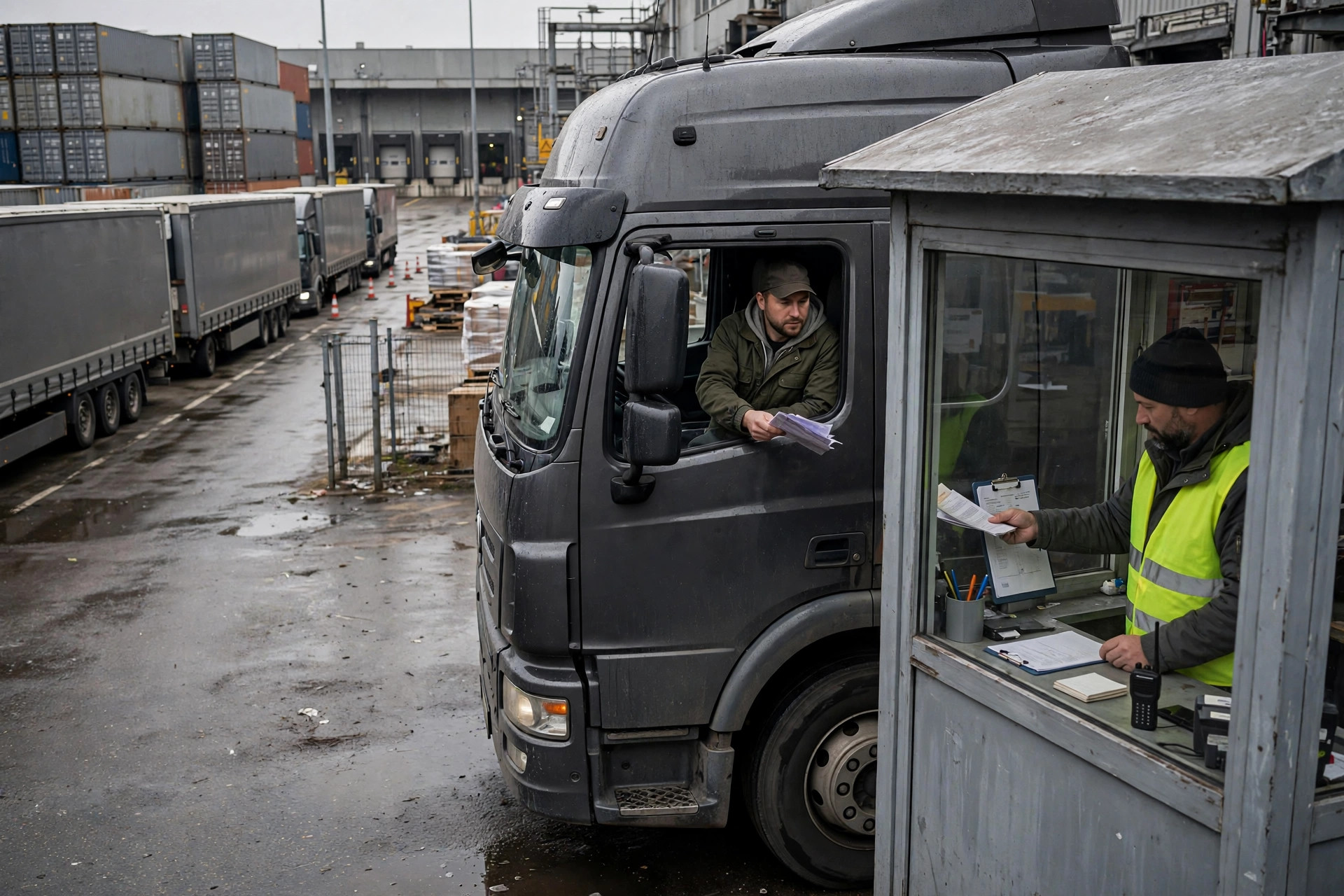
The American Transportation Research Institute's 2024 report put a number on the problem: in 2023, drivers were detained at 39.3% of all stops, costing for-hire trucking firms $3.6 billion in direct detention expenses — and $11.5 billion once you count lost productivity. Detention is billed by the hour. Every extra hour a truck sits at your gate is another hour of money on fire.
Your own math fits on a napkin: trucks per day × average extra wait per truck × your detention hourly rate × 365, plus spotter labor, peak-season overtime, and the hidden cost of drivers who refuse your loads because your yard is always a mess. Most warehouses are shocked when they run this number: what burns at the gate in a year could buy two YMS licenses.
Now the counterintuitive part: most of a YMS's ROI doesn't come from "great software." It comes from the fact that the system forces you to actually run appointments and dock scheduling. That Texas warehouse didn't cut 40% of its detention with fancy algorithms — it cut it because appointments finally became real. You could capture part of that with nothing but Excel and discipline — except no human can run 70 trucks a day on a spreadsheet.
Which Warehouses Should Buy a YMS — and Which Should Walk Away
Verdict first, reasoning after.
Buy it if: you're running 50+ trucks a day, 60+ trailer spots, your detention bills already hurt, the gate backs up every peak season, and dispatch still runs on radios and paper. Stop hesitating — every month you wait, you're donating money to carriers.
Don't buy it yet if: you see a dozen trucks a day, twenty trailer spots, and the guard at the gate knows every driver by name. Get your Excel appointment sheet working properly — that beats any software. A YMS in that yard just collects dust while you pay the vendor an annual fee.
Then there's the dangerous middle: decent truck volume, total process chaos. That's the riskiest case, because a YMS can't fix a broken process — it just turns the broken process into an electronic one. Fix the process first, then buy the system. Reverse the order and you're burning money.
| Option | First-year spend | Go-live | Best for | Biggest trap |
|---|---|---|---|---|
| Lightweight SaaS YMS | Subscription; deployment from about $5K–$8K | 4–8 weeks | Small/mid warehouses, pilot projects | Shallow features; struggles with complex sites |
| Full-featured YMS | about $20K–$40K to start, plus implementation and hardware | 3–6 months | Large DCs, 3PLs, multi-site networks | Implementation overruns, shelfware |
| Build your own | Depends how many developers you feed | 6+ months | Giants with real engineering teams | Maintenance is a bottomless pit; it dies when people leave |
It's all trade-offs, honestly. SaaS is cheap and fast but hits a ceiling. Full-featured is powerful but heavy and expensive. Building your own is freedom you have to afford. There's no best answer — only the answer that fits your gate traffic.
One Piece of Advice
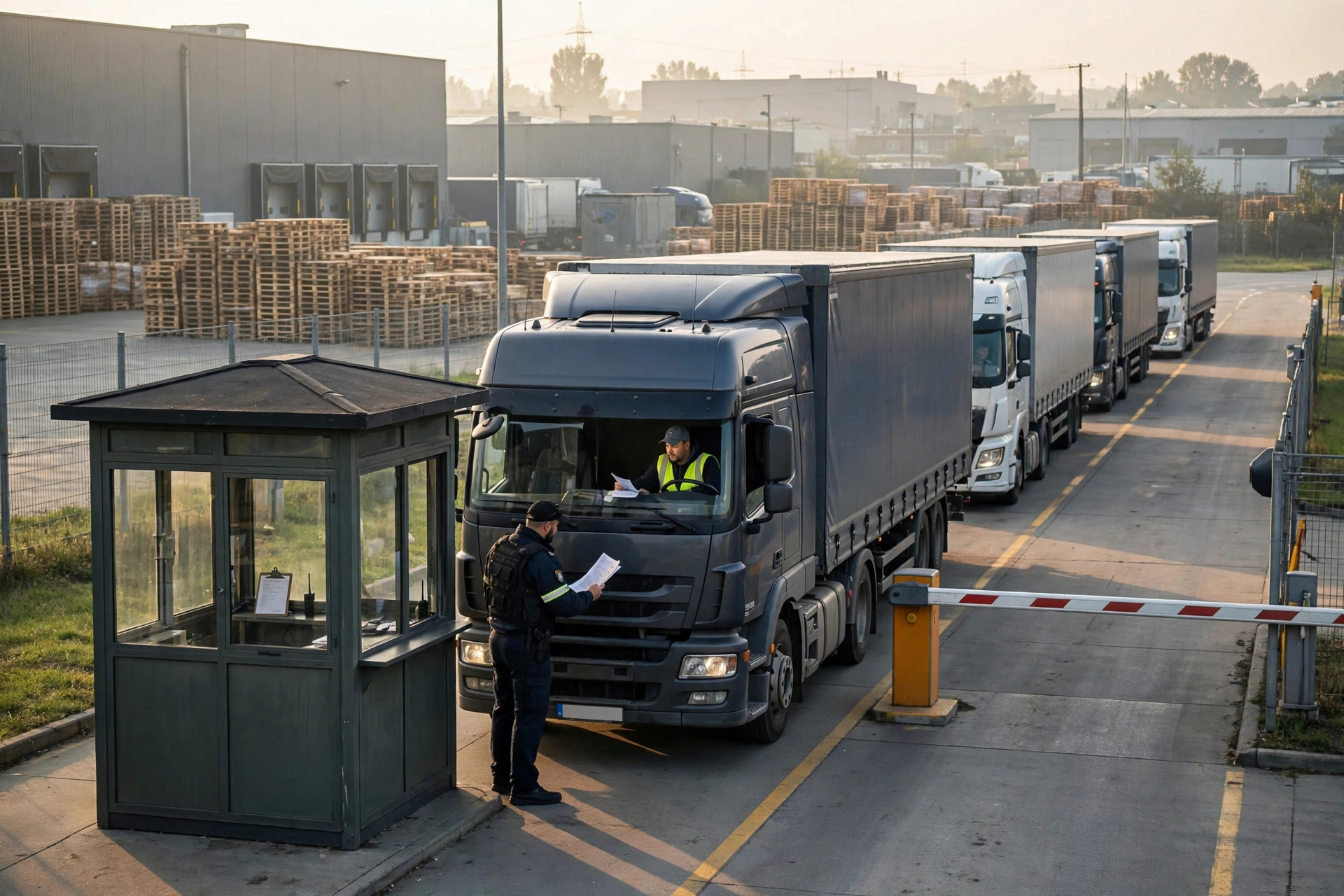
Stop asking me "how much does a YMS cost." Go stand at your gate for an afternoon. Count the trucks in the queue. Then calculate what that queue burns in a year. Once that math is done, the yard management system cost and the whole buy-or-skip decision take care of themselves. And if the answer turns out to be a few thousand dollars a year — congratulations, take the gate guard out for a good dinner. That'll do more for you than any software.
By Lao Mi, Supply Chain Veteran (20 yrs)