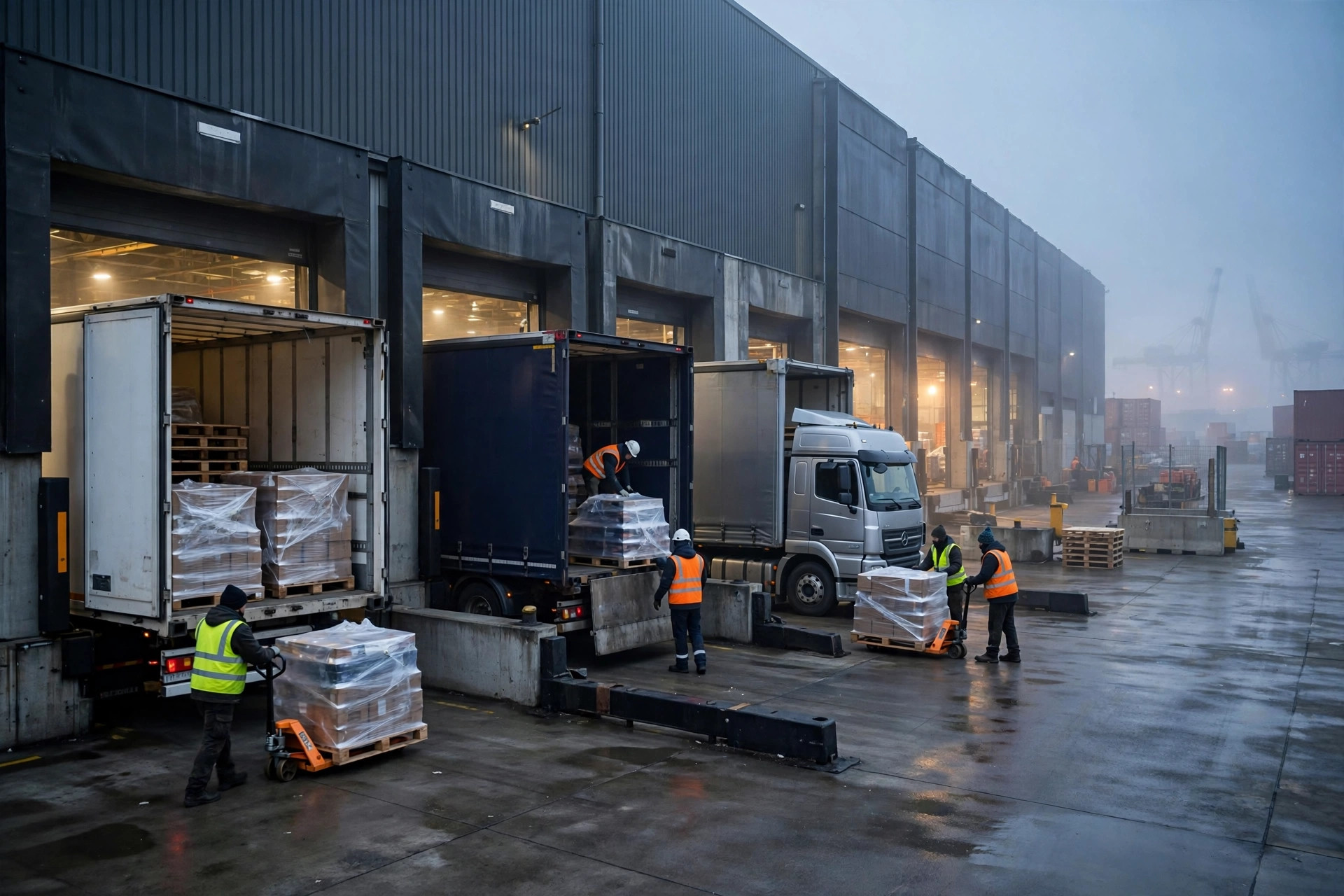
The Yaoundé warehouse market punishes one mistake above all: assuming that freight arriving in Cameroon means freight arriving at your customer. Yaoundé sits inland. Every carton lands first at the port of Douala, then rides the corridor up to the capital. The rent you save on a cheap shed is pocket change next to what that corridor can cost you. My first shipment taught me that lesson the hard way.
I sell everyday household goods, nothing fancy, in small batches. My first test shipment was 800 units. I figured a small batch meant small risk. What I had not priced in was the chain between the port and the shelf: a missing stamp on a clearance document, a truck schedule that did not line up, a few extra days of waiting at each handoff. The goods arrived several days later than I had planned, my restock rhythm fell apart, and I spent a week apologizing to buyers. Thank goodness it was only 800 units. If I had opened with a full container, my cash flow would have snapped.
Here is the part nobody tells you upfront: the warehouse decision in Yaoundé is really three decisions wearing one label. Where the freight enters, where the buyers live, and where the freight goes next. Get those three confused and every other choice goes wrong with them.
The Yaoundé Warehouse Market in One Picture: Port, Capital, Border
Think of it as a triangle. Douala is the door in. Yaoundé is the consumption and distribution center. Beyond the capital, to the north and east, lie the routes toward neighboring Central African markets. If you sell locally, your shed serves Yaoundé buyers and the towns around it. If you distribute onward, your shed also has to push freight toward the border. Those two jobs ask for different buildings.
Local orders reward closeness. The nearer the shed, the faster the last-mile delivery. Onward distribution rewards access: a shed on a main outbound road where big trucks can enter, turn, and park overnight. Before you sign anything, answer one question honestly: am I selling to Yaoundé, or shipping through Yaoundé? The answer changes the whole location logic.
A friend of mine who sells phone accessories learned this the expensive way. He rented a small shed near the city center because it looked close to his customers. Big trucks could not get in. Every replenishment had to be broken down into small vans, several trips each, fighting for curb space with neighboring shops. After a month, the extra handling labor and lost time dwarfed whatever he had saved on location. Close to the customer is real. A truck that cannot enter is also real. He had priced only the first one.
Three Sheds in the Yaoundé Warehouse Market: City, Suburban, Corridor
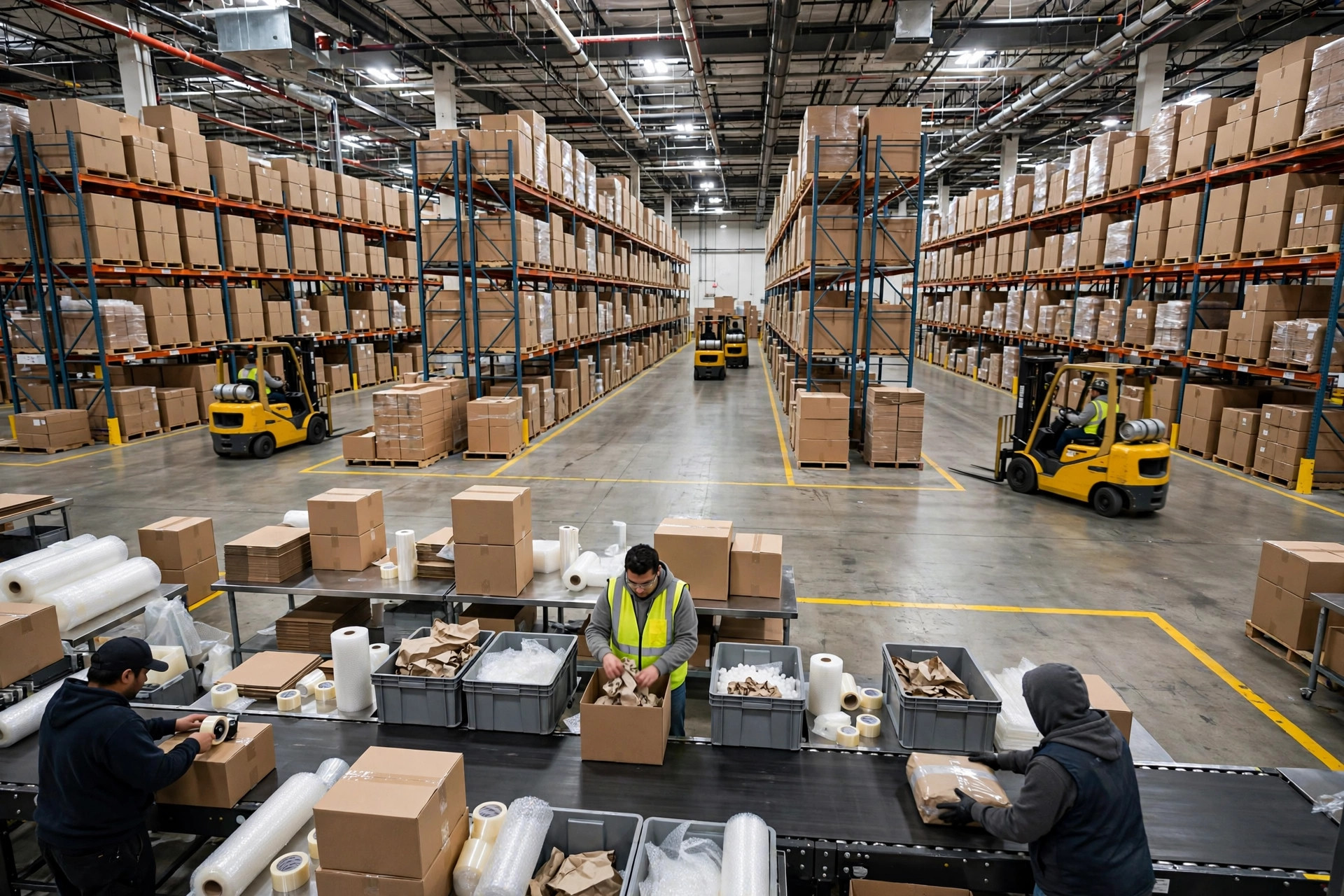
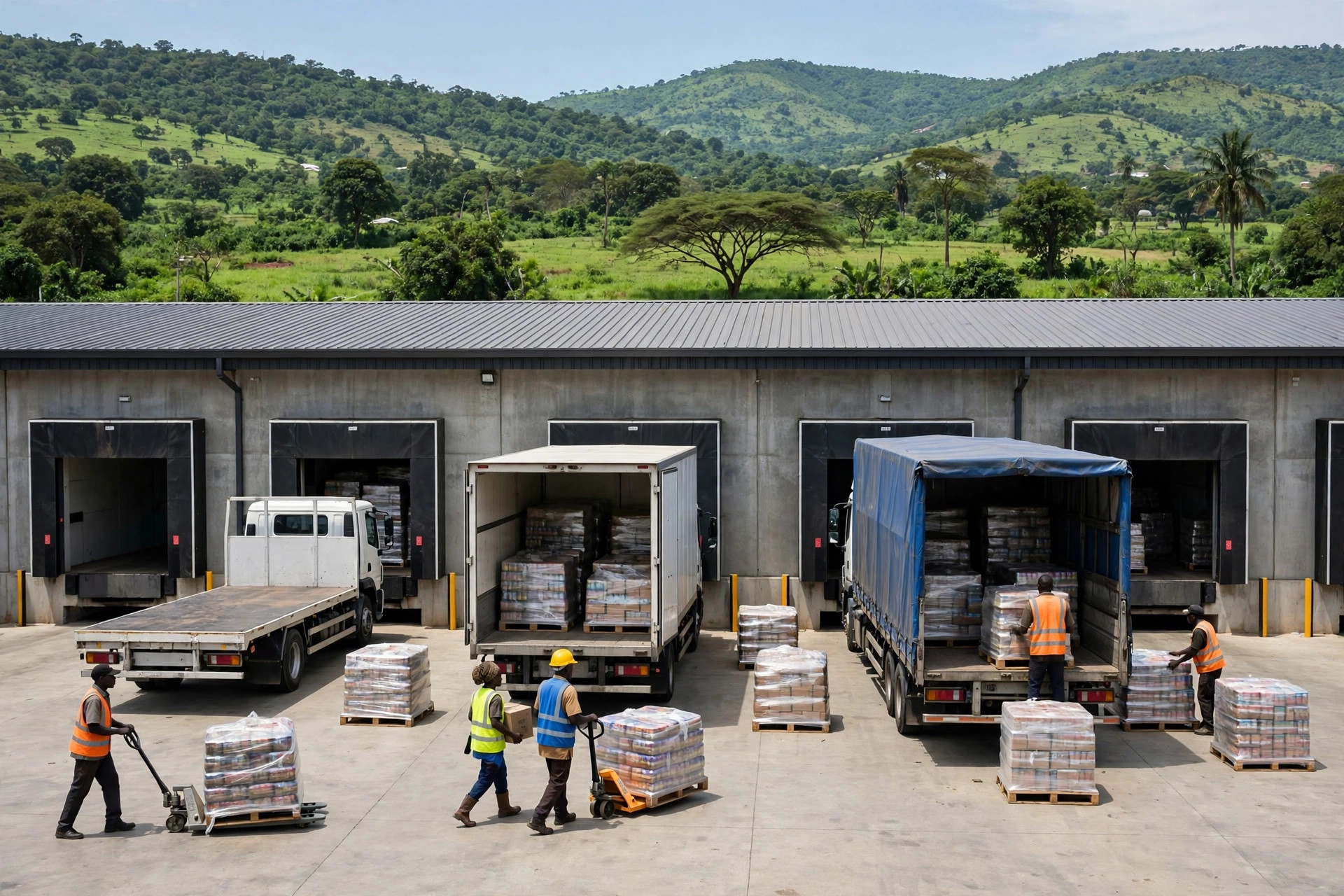
From a seller's point of view, the sheds here fall into three rough buckets. A city shed sits near buyers and suits small, frequent deliveries, but space is tight, big trucks struggle, and rents run relatively high. A suburban shed offers room and full truck access, which suits stockholding and distribution, but city deliveries take an extra leg and same-day promises get harder. A corridor shed sits along the inbound route from Douala, so freight unloads the moment it arrives, which suits sellers using Yaoundé as a transit point rather than a retail base — but it is the worst of the three for city orders.
Do not pick by rent per square meter. Pick by total cost. My back-of-envelope formula is simple: monthly total equals rent plus inland freight plus city delivery plus the cost of waiting, damage, and re-handling. The cheapest rent on the list usually pays itself back, with interest, in the freight and delivery lines. That is the counter-intuitive truth here: the cheapest shed in Yaoundé is often the most expensive shed you can rent.
Here is the comparison I wish someone had handed me before my first signature:
| Shed type | Best for | Biggest strength | Biggest risk |
|---|---|---|---|
| City shed | City retail, small frequent orders | Close to buyers | Trucks cannot enter, cannot expand |
| Suburban shed | Stockholding, distribution, nearby towns | Full truck access, real space | City delivery takes an extra leg |
| Corridor shed | Transit, no city retail | Unload on arrival, one less touch | Worst option for city orders |
My rule for small sellers is blunt: do not lock into a long lease before you have proven demand. Start with a short-term slot or shared space, run a small batch through it, and watch where the orders actually come from and what the return rate looks like. Until sales are proven, shorter is better. Negotiate the deposit and the exit terms line by line, and treat verbal promises as if they do not exist.
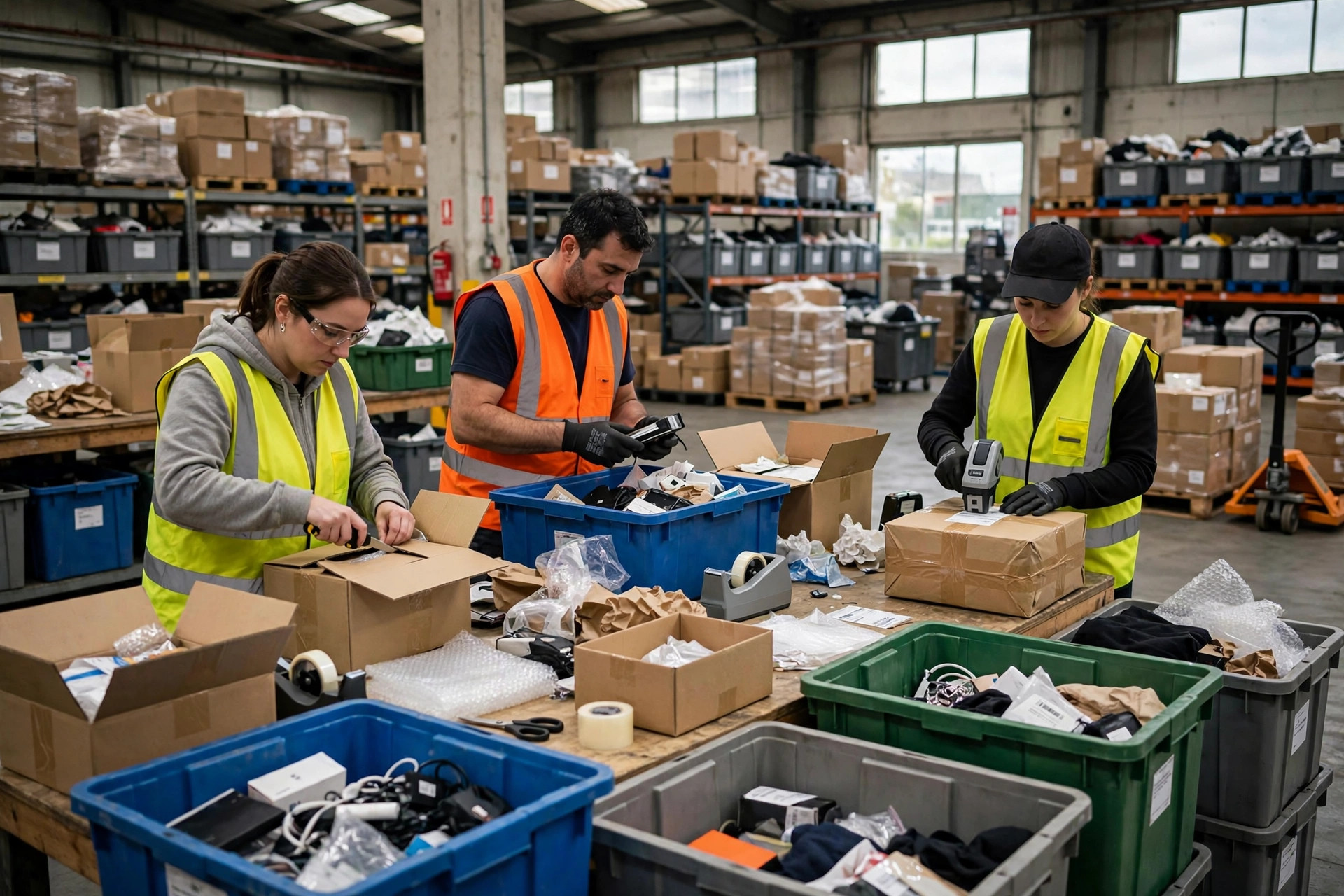
A quote deserves the same treatment. Break any landlord quote into at least four lines: rent, handling, delivery, and management fees. Ask what each line covers and what it does not. Is handling charged per carton or per pallet? Does delivery cover the city or only the shed door? Does the management fee include stock counts and system updates? Anything left vague on the quote will show up later on the invoice. Rate levels vary a lot locally, so confirm against the latest local quotes rather than any number you read online.
My second shipment showed the difference. I put 1,500 units straight into a suburban shed, unloaded in one full-truck move, no breakdown into small vans. City deliveries took a longer leg, true, but I eliminated the re-handling entirely, and the damage rate dropped with it. I planned cover for 45 days — transit buffer, clearance buffer, and safety stock — and that batch neither stocked out nor tied up too much cash. The right shed makes a seller's life visibly easier within a single cycle.
Five Checks Before You Sign Anything
These five checks are my fixed routine now, earned the hard way.
First, drive a truck in. Do not take the landlord's word that big trucks are fine. Book a truck of the same size you will actually use and drive the route yourself. It has to enter, turn, and park overnight. Anything less is a fail.
Second, ask about power cuts and the rainy season. Rain here arrives hard and fast. Does the roof leak? Does the yard flood? What happens when the power drops? Get the answers written into the agreement, not offered over coffee.
Third, pin down who handles clearance and paperwork. Freight stuck at Douala is usually a document problem, not a port problem. Ask upfront whether the warehouse covers clearance or you hire your own agent, and exactly where the included service stops. A vague answer is no answer.
Fourth, set your cover days deliberately. My number is 45 days: normal transit plus clearance buffer plus safety stock. When the corridor wobbles, the seller with too little buffer stocks out first, and the lost ranking and lost customers cost far more than a few extra units of stock.
Fifth, keep an exit. The lease must spell out early termination: how much notice, what it costs. When a market has not proven itself yet, a lease you cannot exit is a monthly bleed you cannot stop.
One more warning, specifically for sellers distributing onward into Central Africa: border paperwork and procedures differ by direction, and they change. Check with a local agent before you promise delivery dates across a border, and confirm against the latest local rules. Freight sitting at a border costs more than the few extra questions you skipped.
And keep one local person who can actually go somewhere. When freight stalls at the port or a truck schedule slips, a person on the ground making one phone call beats ten emails sent from another continent. That person can be your warehouse contact or a trusted agent. What matters is that someone can show up when things go wrong.
That is the Yaoundé warehouse market in a nutshell: not a contest for the cheapest rent, but a test of who adds up the total bill correctly. Port corridor, suburban shed, or Central African distribution — there is no universal right answer, only the answer that fits your volume and your buyers. Prove demand with a small batch first, then lock in the lease. That trick genuinely worked for me.
By Ah K, E-commerce Seller (5 yrs)