Walmart keeps nudging you to send everything into WFS. It is not free.
My first WFS shipment looked smart for two weeks. Then the cost breakdown landed. I had sent the wrong product in. That is why this walmart wfs vs seller fulfilled call needs real math. Five years selling cross-border, mostly Amazon, now Walmart too. The traps sit elsewhere than FBA's.
What walmart wfs really charges you for
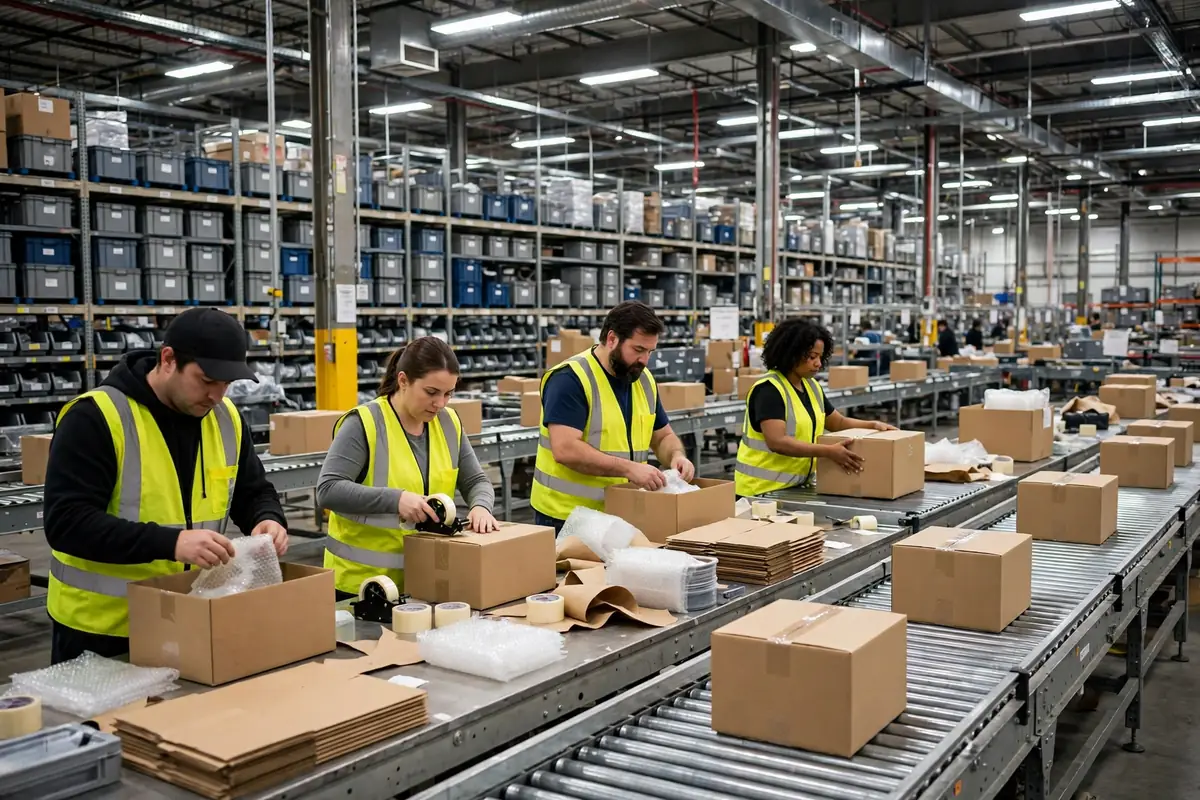
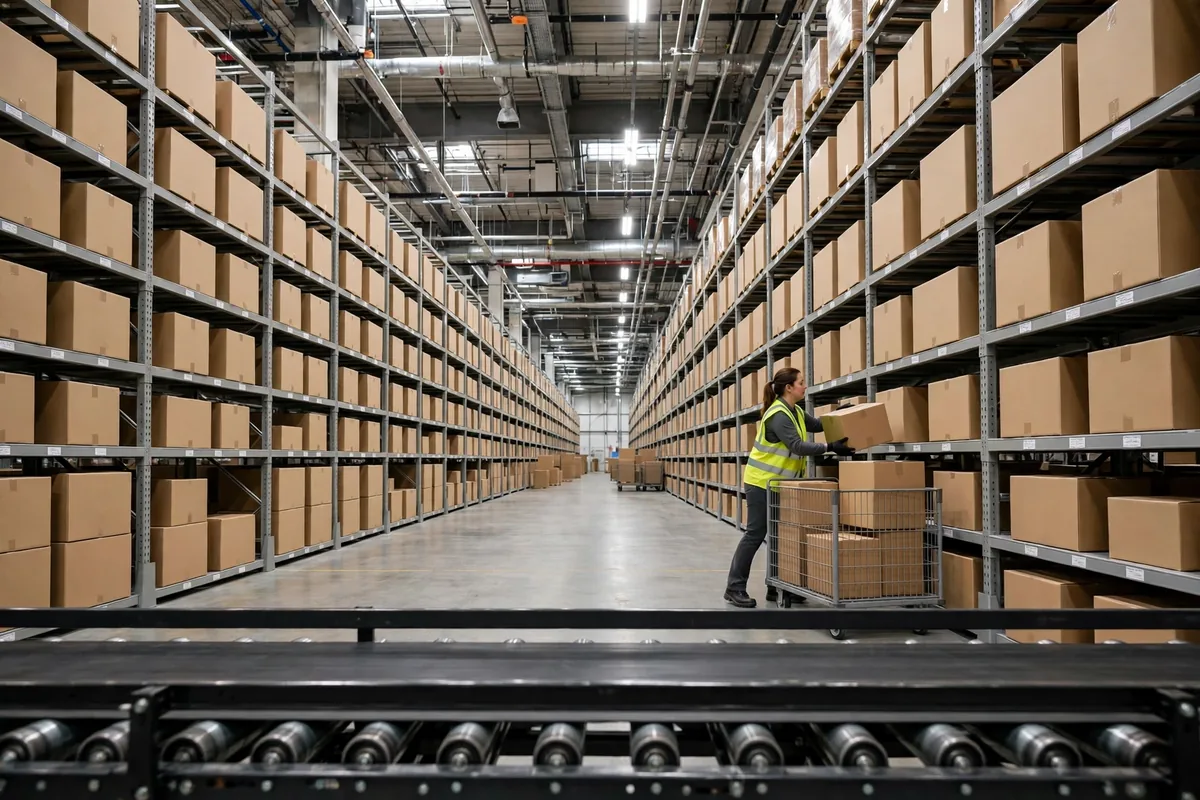
With WFS you ship bulk stock into Walmart warehouses. Walmart handles receiving, storage, picking, packing, delivery, and returns. You just replenish.
The bill has four parts, and most sellers only look at one. Inbound freight is yours, including the pain when cartons go to the wrong site or labels are wrong. Storage is charged on space over time, so slow movers bleed daily. Fulfillment is per unit and steps up fast with weight and box size. Returns handling is charged per return, resalable or not.
I am not printing a rate card. Walmart changes it, and old numbers mislead. Every fee here follows one rule: check Walmart's official site for the latest policy and pull your real tier from Seller Center.
My scar tissue: last March, a small kitchen gadget. Just over a pound, priced in the low twenties, a few hundred orders a month, stocked in Arizona. I sent the whole lot into WFS to dodge daily packing. Month one closed with a higher per-order cost than self-shipping. Returns killed it. Buyers tried it twice, hated it, sent it back. Half could not be resold. I paid handling on every one and lost the product value. Self-shipping, I inspected returns myself. Good units got cleaned and resold, bad units stripped for parts. In WFS, that control is gone.
That is the trade-off. Higher per-unit cost and less control, in exchange for zero daily fulfillment work. Fast, low-return standard products win that swap. Return-heavy products usually do not.
Seller fulfilled: cheaper per order, heavier on you
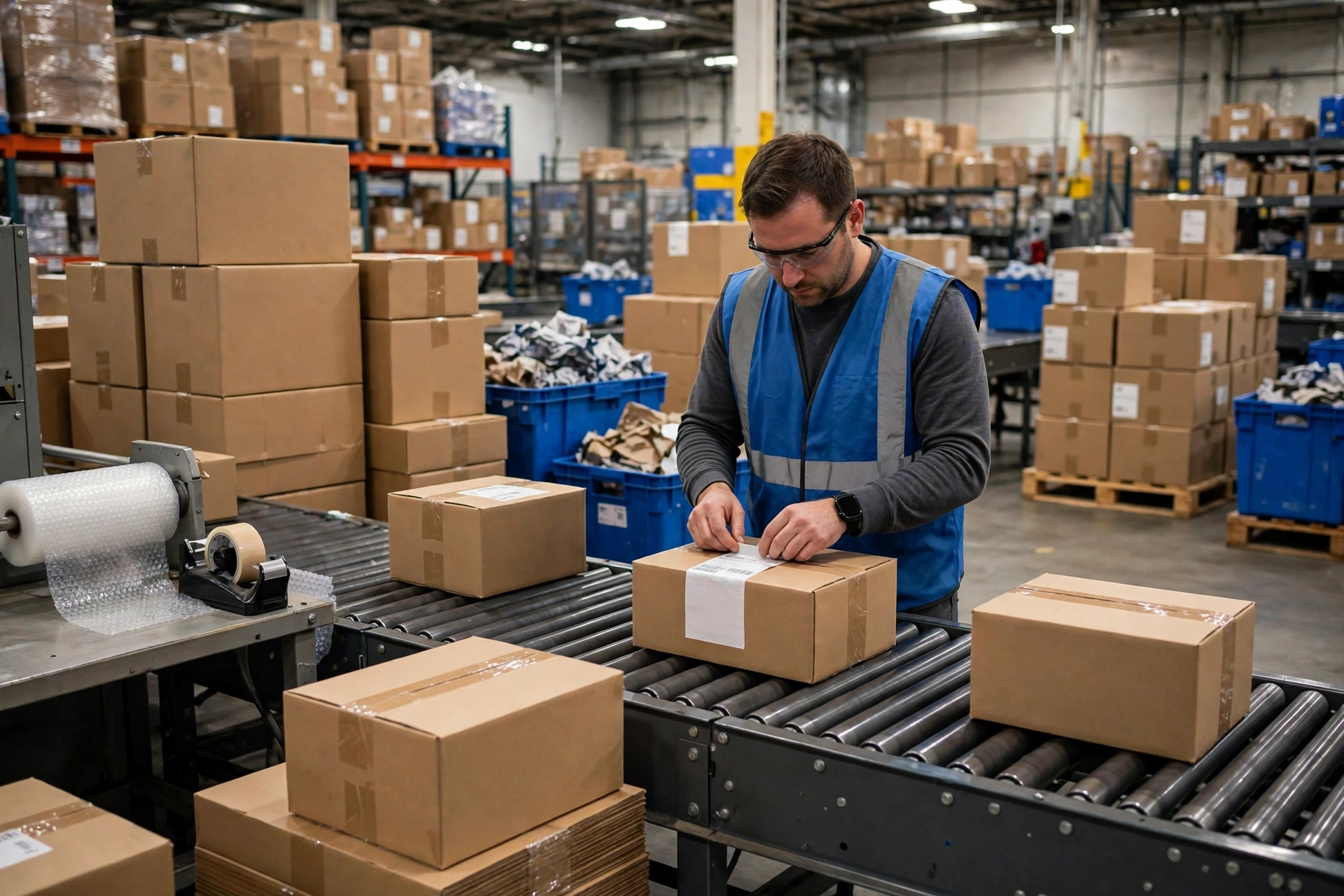
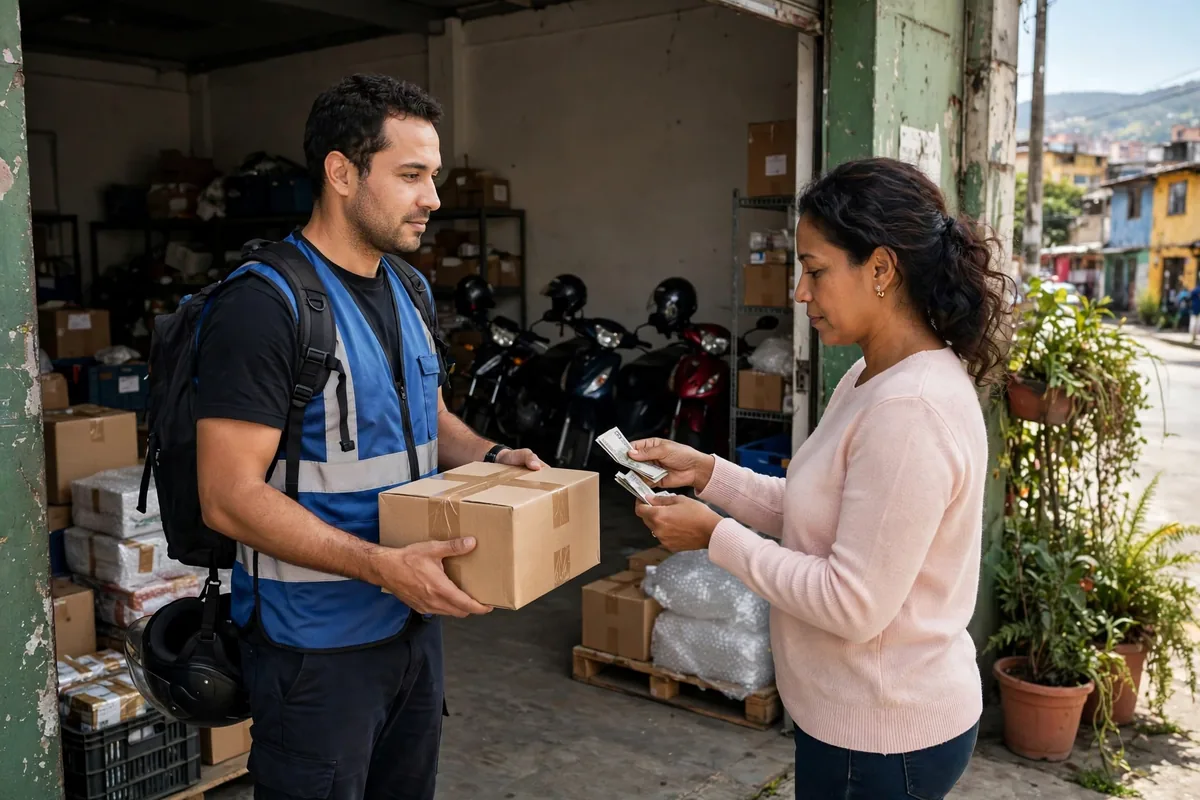
Seller fulfilled means stock stays with you. You pick, pack, and ship. Returns come back to you.
You skip platform storage and returns handling charges. Your cost is labor, packaging, and your negotiated last-mile rate. If you already have space and hands, that marginal cost is often lower per unit. You also choose carriers. One gets slow in peak, you switch.
The bill lands elsewhere. Speed is your problem. Late shipment, late tracking, a lost parcel — all of it hits your seller performance. Staffing is lumpy. Quiet weeks, packers idle. Peak weeks, orders double and hiring cannot keep up. And buyers trust platform-fulfilled listings faster. Your listing wins the click on price and reviews alone.
My pet supplies line proves the other side. Big box, very light, classic dimensional-weight pain. New Jersey partner warehouse, a steady hundred-plus orders a month. I modeled WFS once and killed it in ten minutes. Storage on volume punishes a bulky light box, and the fulfillment tier jumps on size. Self-shipping uses labor already on site, one big carton, my own last-mile rate. Slower delivery, slightly weaker conversion. Pet buyers wait. I keep the margin.
If you already pay for space and people, self-shipping spends fixed cost you already carry to avoid per-unit charges. Lower volume makes that swap look even better.
The break-even math, on one table
Feelings settle nothing. Numbers do. The table uses assumed numbers only, to show the method, not real Walmart fees. Check Walmart's official site for the latest policy, pull your tier, rerun it. Assume a small item at an assumed $25, fulfillment only.
| Cost item | Into WFS (assumed) | Seller fulfilled (assumed) |
|---|---|---|
| Storage per unit | Assumed $0.80 | Assumed $0.30, existing space |
| Pick and pack | Included in fulfillment | Labor and materials, assumed $1.20 |
| Fulfillment and last mile | Assumed $5.50 | Last mile, assumed $4.60 |
| Returns handling share | Assumed $0.60 | Self-inspected, assumed $0.20 |
| Total per order | Assumed $6.90 | Assumed $6.30 |
Self-shipping saves an assumed $0.60 a unit on paper. Do not stop there. The platform-fulfilled listing usually converts better on faster delivery. A few extra orders per hundred visits thin out ad cost and can erase that gap. One peak-season late-delivery ding costs more than a month of small savings.
The real line is three variables: units per SKU, return rate, size and weight. Stable volume, fast turns, low returns, small box — the warehouse route tends to win on total profit. Sporadic volume, bulky box, high returns — self-shipping protects margin. Use your own numbers.
Sellers also forget trapped stock. Dead stock in the platform network keeps accruing storage, and removal costs extra. Dead stock in your own rack waits for a discount or another channel. Tight cash cycle? That flexibility beats the per-order gap. That is where walmart wfs vs seller fulfilled really splits. Not on postage. On who controls stuck stock.
Walmart TwoDay and why the badge pulls sellers in
Mechanism only, no hype. Buyers can filter search for fast delivery. Listings that credibly promise it get clicked more, because fast reads as low risk. Platform-fulfilled listings qualify more easily, since stock and last mile sit inside Walmart's control. Self-shipped listings can earn accelerated delivery visibility too, if speed and on-time history stay strong. Your badge rides on your own operation, though. One bad peak week can knock it off.
A badge fixes nothing else. Weak price, weak reviews, still weak sales. I have watched sellers chase it with thin-margin stock and still lose money.
Which products go where in my store
Into the network: small, light, steady sellers with low returns. Standard-size daily goods, small appliance accessories, repeat-purchase consumables. Fast turns, short storage, few returns. Hands-off becomes real profit here.
Stay self-shipped: bulky light boxes, apparel and shoes with fit returns, anything needing inspection or refurbishment, slow long-tail SKUs, and ultra-cheap items where delivery eats the margin. Storage plus returns handling eats this group alive in a platform warehouse.
Seasonal stock gets a warning. Sending it in before peak is fine. Forgetting the exit is not. Leftovers accrue storage daily after the season, and removal costs you again. I send the bulk of my forecast in and keep the tail at my own warehouse, where leftovers drain out on other channels with no removal bill.
The hybrid setup most sellers end up with
Almost nobody serious runs pure one way. My store runs hybrid: walmart wfs vs seller fulfilled is a per-SKU assignment, not a loyalty test.
Proven hero SKUs go into the network. Speed and badge visibility lift conversion, and that halo helps the store. Long-tail, test, and new SKUs stay self-shipped until data proves them. An unproven product in the network is a gamble with a removal fee attached. Get the pick wrong, you pay storage on the mistake, then pay again to pull it out. Test it yourself and a bad pick costs samples and ads only.
Never split one SKU half and half. Both sides run dry and replenishment becomes guesswork. Split by product. Heroes in, tail out.
Hybrid needs one tool: a per-SKU profit sheet, both routes side by side, refreshed monthly. Without it, hybrid is just vibes.
Rejections and tuition I already paid
Inbound rejections come from three dumb causes. Packaging and labels: wrong barcodes, mismatched case labels, overweight cases, dimensions that lie. Refused at the door, round-trip freight is yours. Appointment mismatch: wrong warehouse, wrong time, paperwork that does not match the truck. Best case you wait, worst case the load comes back. Restricted goods sent without confirmed eligibility: you find out at the dock.
My fix is boring. First shipment of any SKU goes small. Photograph packaging, barcodes, and case labels before it leaves. Tick the inbound checklist. Recheck the appointment the day before.
Self-shipping traps are speed and tracking. Late shipment, high cancellations, bad tracking all chip at your standing until visibility gets throttled. Build buffer into handling time, promise conservatively in peak, keep two carriers live.
Warehouse sellers get dinged differently. Stockouts hurt most. A hero SKU empty inside the network loses ranking fast. Count transit time into replenishment and keep buffer stock at your own site.
Test before you commit the catalog. Pick two similar SKUs. Send one in, self-ship the other, run a full month, compare four numbers: per-order cost, conversion, return loss, bad-review rate. Your break-even line falls out of that table. This trick worked for me, tested it myself.
By Ah K, E-commerce Seller (5 yrs)