A forklift shipped to Vietnam carries a second price tag that never appears on the quotation: certification. Vietnam CR certification is the mandatory conformity mark for products on Vietnam's compulsory list, assessed under the system administered by the Directorate for Standards, Metrology and Quality (STAMEQ). For warehouse equipment exporters, the question is not whether the mark looks nice on a nameplate. It is how much the whole chain costs, from design and testing to factory inspection and customs clearance, and what happens when any link breaks. This article works through that chain in money terms, because that is how an exporter should judge it.
Start with the total bill, not the certificate fee
The first mistake is to budget for a certificate. The real bill has six parts. Testing comes first: samples go to a laboratory and are charged by test item, so larger equipment and longer test lists cost more. Factory inspection comes second: inspectors visit the plant to check the quality system and production consistency, and their working days and travel are billed. Certificate and annual fees come third, and they recur, because certificates expire and surveillance inspections continue. Documentation and translation come fourth, and they are routinely underestimated: technical files, drawings, and manuals must be prepared to Vietnamese requirements. Rework comes fifth: a failed sample means design changes, new parts, and retesting, each round charged again. Time comes sixth, and it is the most commonly omitted line: goods sitting at port, a customer project delayed, and penalties that follow.
A practical example shows how the parts interact. A conveyor equipment maker in Zhejiang prepared a Vietnam project in the first half of 2025. Its quotes from conformity assessment bodies put testing, inspection, and certification at the bulk of the direct cost, with translation and sample logistics adding a smaller sum. The direct cost for that single project landed in the tens of thousands of yuan range. That sounds manageable until the first submission failed an electromagnetic compatibility item on the drive unit. Shielding had to be redesigned, a new sample sent, and more than a month lost. The retest alone cost close to half the original testing fee. A competitor that built the Vietnamese electrical safety requirements into its drawings at design stage passed first time and spent less overall. The lesson is simple: rework costs more than passing first time, and most of the extra cost is time and retesting, not the first test fee.
Documentation fails more projects than engineering does
A certification body wants evidence for three questions: what the product is, why it can be called compliant, and whether production can stay compliant. Product descriptions, model groupings, critical component lists, drawings, electrical schematics, manuals, and nameplate information answer the first. Type test reports, critical component certificates, and material evidence answer the second. Quality manuals, incoming inspection records, process inspection records, and final inspection records answer the third. Most exporters do not fail because they cannot build the equipment. They fail because these documents sit in different departments and never arrive as one complete package.
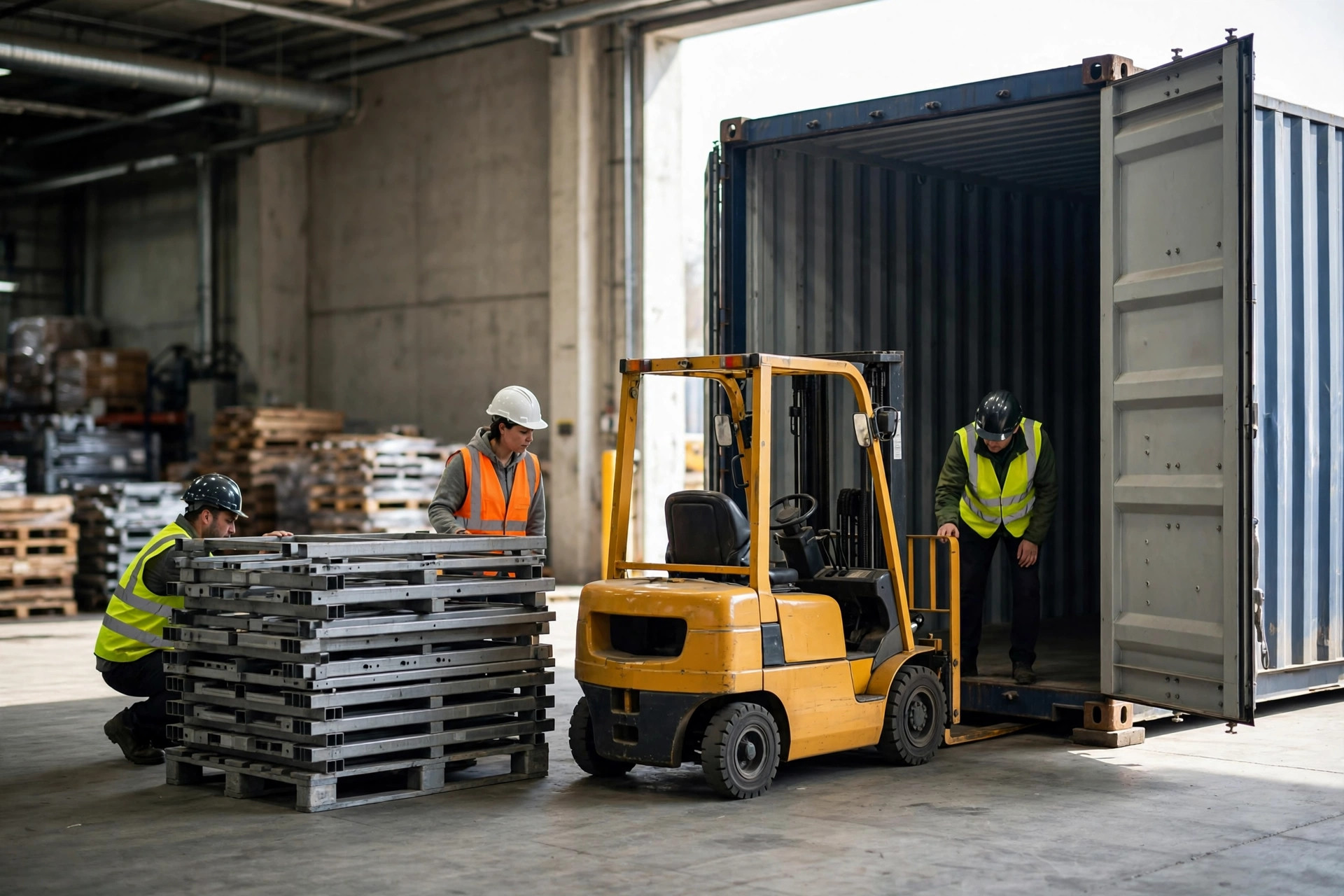
Model grouping deserves special attention. Racking in one series may differ in load rating and size. If the grouping is poorly defined, the body may demand additional models for testing or narrow the certificate scope, and a model that arrives at the port outside that scope will stall at clearance. The fix is to confirm the coverage rule with the body before submission and list the main models and boundary models clearly. Critical component changes are the other trap. Swap a motor, controller, or safety device supplier without updating the certificate's component list, and a surveillance inspection can judge production inconsistent with the certified type. The correct control is to treat the critical component list as a controlled document: any supplier change goes through internal review first, then a check on whether the body must be notified.
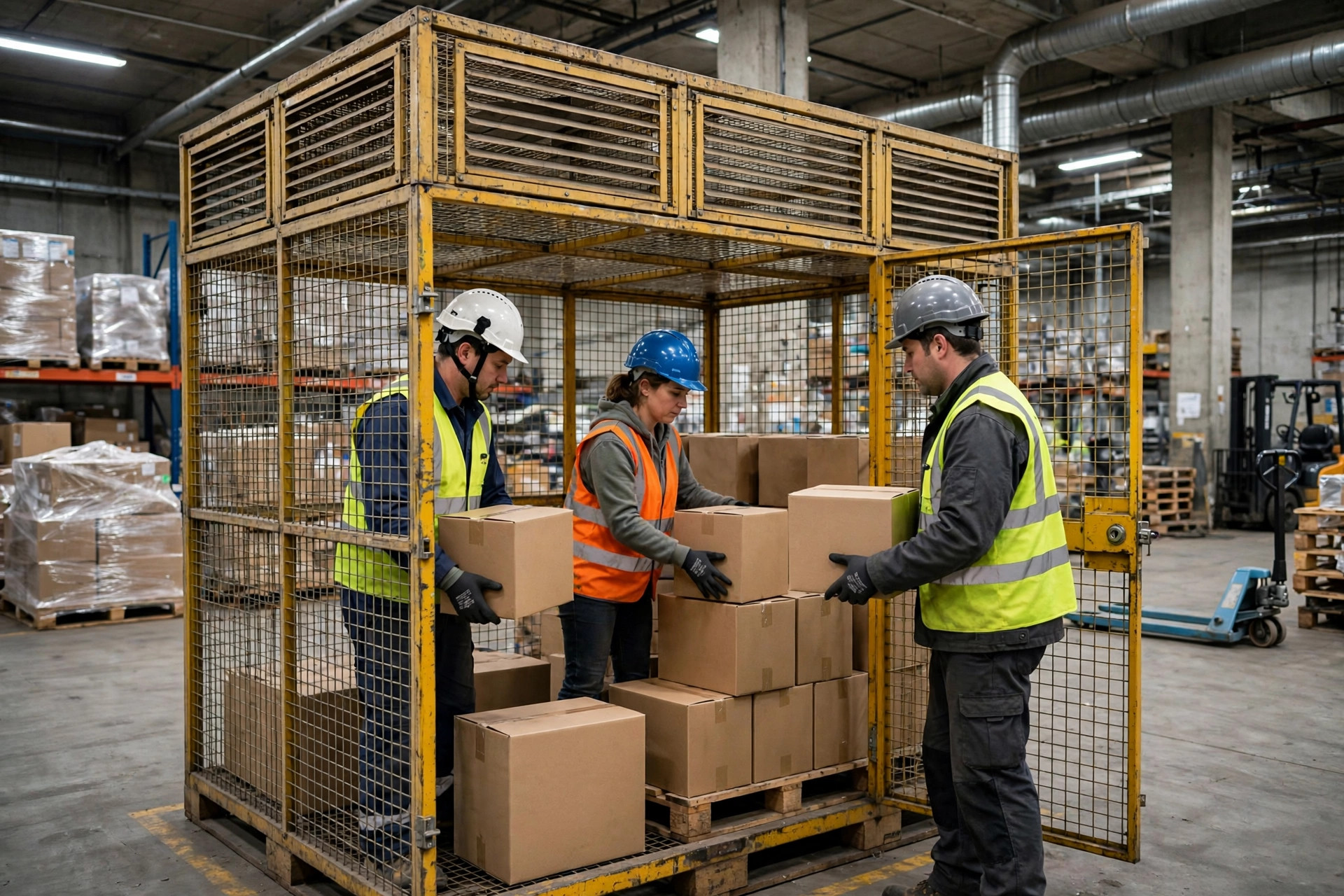
Factory inspection follows the same logic. Inspectors are not there to hunt for faults for their own sake. They are checking one thing: that the sample tested and the units rolling off the line are the same product. Before inspection, run an internal rehearsal. Pull one unit in production, run the full final inspection, and keep the records. Make sure critical component batches trace back to the certified list. Keep the nonconforming product area genuinely segregated. A racking maker in Ningbo learned this in autumn 2024 when a batch of beams could not be matched to its material evidence during inspection. The finding was not about beam strength. It was about records that did not line up. Rebuilding the evidence took two more weeks. A well-prepared plant can pass in a day. An unprepared one can lose a month. That gap is pure time cost.
The four most common reasons for rejection
In practice, rejections fall into four tiers. The most frequent is incomplete documentation or a model outside the certificate scope. It is also the easiest to prevent: one owner, one checklist, every item ticked before submission. The second tier is test failure, covering electrical safety, electromagnetic compatibility, mechanical strength, and protection ratings. These problems must be solved at design stage; they cannot be fixed at the submission desk. The third tier is nameplate and manual nonconformity, including how the mark is used, whether required information is complete, and language requirements. The exact wording should be confirmed against the latest official and body requirements. The fourth tier is production inconsistency found at factory inspection, including unreported component changes and missing records.
Each tier needs a different countermeasure. Documentation problems need checklist ownership. Test problems need pre-testing: run a preliminary round in a qualified domestic laboratory against the Vietnamese standards before formal submission. Pre-testing costs less than formal retesting and its schedule is easier to control. Nameplate and manual problems need frozen artwork before mass production, not a revision after units are already built. Factory inspection problems need everyday record discipline. Quality records are prepared for production, not for inspectors.
The risk account of shipping without compliance
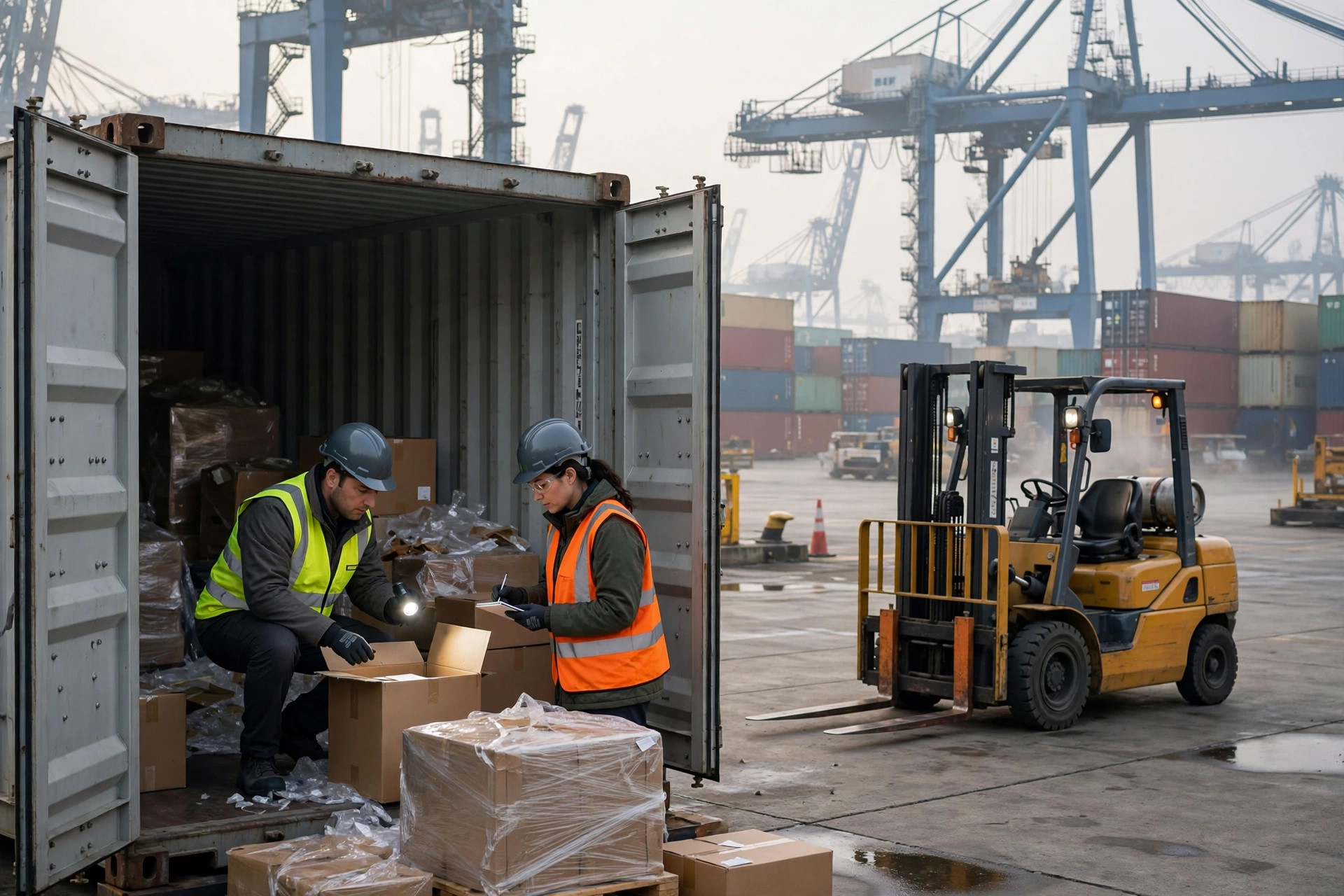
Now compare the two paths in full. The pass-first-time path concentrates cost up front: compliant design, pre-testing, and a complete submission package, with a controllable schedule. The ship-first-and-fix-later path looks cheaper at the start and then pays three extra bills: port detention, customer delay, and retest rework. Any one of those can exceed the money saved up front. Beyond them sits the non-compliance risk account, and it is measured in shipment value, not certification fees. Goods can be detained, returned, or rejected by the customer. A contract penalty for a delayed warehouse project can dwarf the certification budget. That ratio is the whole argument: certification fees are small money, shipment value and project penalties are big money, and cutting the small money at the expense of the big money is bad arithmetic.
A decision framework keeps the choice disciplined. First, the scope line: is the product on the compulsory list? Confirm against the latest official list and the assessment body's confirmation. If it is, certification is not optional. If it is not, weigh whether voluntary certification helps with customer tenders. Second, the volume line: for a single small shipment, certification cost spread over few units looks high, so negotiate cost sharing with the customer or schedule certification with the next larger shipment. For steady Vietnam volume, certification is a fixed investment that gets thinner per unit over time. Third, the timing line: allow months from submission to certificate in a smooth case, and longer if rework is needed. Put the certification schedule ahead of the shipment plan, not one week before loading.
The working sequence should therefore run in this order: confirm the list and applicable standards, obtain quotations and the document checklist from a body, and start pre-testing in parallel. Freeze the design before formal submission so the submission is not chasing design changes. After the certificate arrives, record its scope, the critical component list, and the surveillance and renewal timetable in an internal register, with a named owner and renewal reminders. A certificate is not a document to file and forget. It is an asset to manage until every surveillance visit and renewal is done.
The calculable conclusion is this. For a warehouse equipment shipment worth 1 million yuan, direct certification cost in the tens of thousands of yuan is a single-digit percentage. But three weeks of port detention plus a project delay can easily cost two to three times the certification fee itself. So the right way to price Vietnam CR is not to minimise the certificate fee. It is to minimise total cost: spend properly on compliant design, pre-testing, and documentation up front, and buy a first-time pass. Betting a few thousand yuan of pre-testing savings against a first-time pass is a poor wager, because losing it costs far more than the stake. That is the account, and it balances clearly.
By Lao Zhou, Logistics Cost Analyst