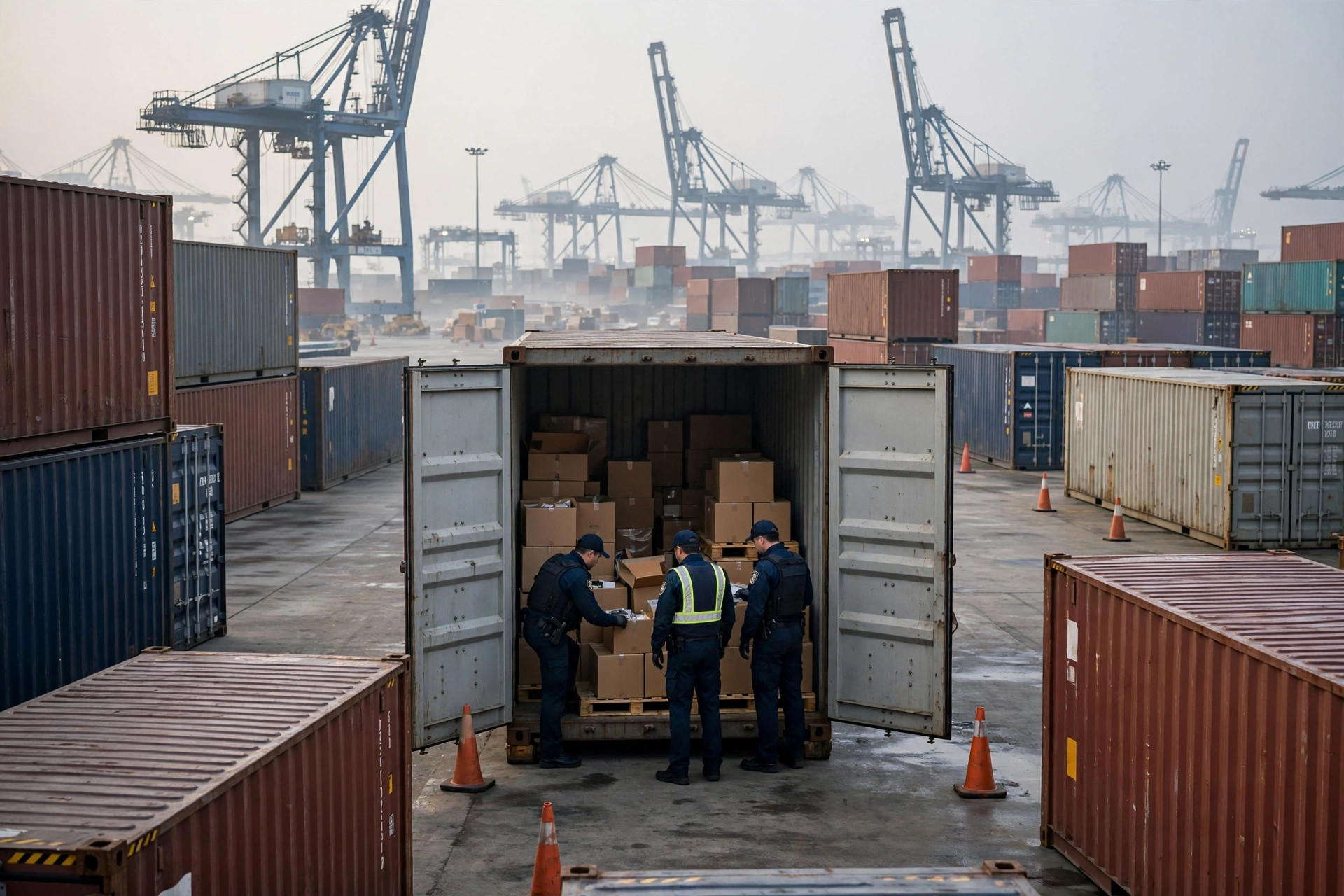
Here's my verdict up front: when you import into the United States, Customs (CBP) only collects the ticket. The agencies that actually decide whether your goods get in are the PGAs — Partner Government Agencies. FDA, EPA, FCC are the big three. If your cargo is stuck at the port, nine times out of ten it's not a customs paperwork problem. Some PGA said no.
Put plainly: CBP handles "did you pay the duties and are your documents in order." PGAs handle "is this thing allowed to be sold in America." Two gates, and you have to clear both. Pay every duty on time and your container still sits if FDA flags your food labels or FCC flags your Bluetooth speakers for missing certification.
I've watched too many importers learn this the expensive way. In 2019, a small smart-home company in California brought in two 40-foot containers of smart locks from Shenzhen — Wi-Fi and Bluetooth built in. The goods landed at Long Beach, the broker's paperwork was flawless, duties were prepaid. Then both containers got pulled for examination. An FCC matter. Any electronic product with a wireless transmitter has to comply with FCC Part 15 — tested, with a report on file. The company had no idea. The owner told me, "It's just a lock, what certification could it possibly need?" The two containers sat at the exam site for nearly three weeks while exam fees and demurrage burned day after day. The goods were eventually released, but that single shipment's margin was gone, plus tens of thousands of dollars out of pocket.
Let me be blunt about the cost, because the trade-off here is exactly one sentence: PGA compliance costs you either small money up front or big money after the fact. There is no third option.
Same story, different agency. In 2021, a friend importing Chinese food products had a batch of seasonings held by FDA at Los Angeles. Nothing wrong with the food itself — the labels were the problem. Translated straight from Chinese, the nutrition facts panel was in the wrong format, and someone had added a "lowers blood pressure" claim on the package. FDA takes food labeling and health claims dead seriously. A non-compliant label is a non-compliant label; there's no negotiating. That shipment sat in a bonded warehouse for over a month getting relabeled, and missed the entire Mid-Autumn stocking season. He told me later the relabeling cost dozens of times what a pre-shipment label review would have run.
So who regulates your goods? Here's the quick mapping that gets the direction right for the most common categories:
Who Regulates Your Goods: FDA, EPA, and FCC
Food, beverages, dietary supplements, cosmetics, medical devices → FDA. FDA covers "things that go in your mouth" and "things you put on your skin." The core requirements are a handful: pre-arrival filing, facility registration for food, labels that meet U.S. rules. Labels are where most people bleed — straight translations, wrong nutrition panel format, unapproved health claims. Check the agency's current published policy for the details.
Engines, chemicals, pesticides, equipment with refrigerants → EPA. EPA handles emissions and chemicals. Anything with an engine — generators, mowers, small construction equipment — needs emissions compliance documentation; chemicals go against the TSCA inventory. The classic trap: the factory swears "we have CE," and CE is European. EPA doesn't recognize it. The U.S. environmental track runs on its own paperwork.
Electronics with wireless functions → FCC. Bluetooth, Wi-Fi, Zigbee, 433MHz remotes — all of it. FCC Part 15 is the baseline: test it, get the report, mark the product. Same trap as EPA: the factory waves a CE-EMC report and calls it global. FCC doesn't accept CE; it accepts reports from FCC-recognized labs.
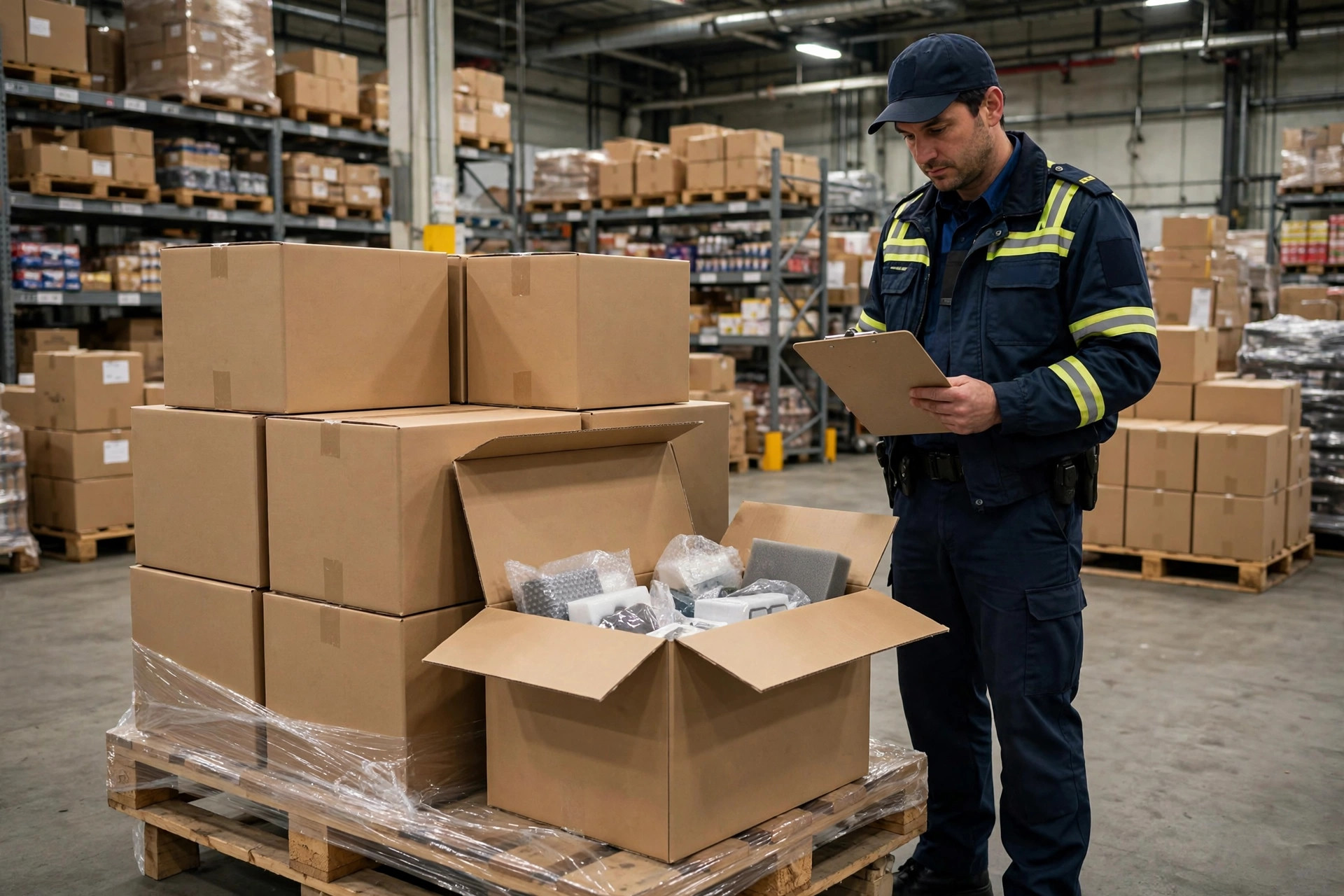
A few more that people miss: children's products fall to CPSC, textile fiber-content labeling to FTC, plants and animal products to USDA. I won't unpack each one here, but the principle is identical: map first, check requirements second — don't wait until the container is at the port to start asking.
One more thing: when the factory hands you a test report, don't just glance at the cover and file it. Check three things. First, is the issuing lab actually recognized by the relevant agency — a report from an unaccredited lab is worthless. Second, does the model number on the report match the goods in this shipment — factories love recycling an old model's report for a new one. Third, the report date — standards get updated, reports expire. Until those three check out, the report doesn't count.
Your PGA Pre-Shipment Checklist
The fix is really just one self-audit checklist, run before anything ships. It prevents ninety percent of these messes:
First, map every SKU. List every SKU in the shipment and ask, for each one: which PGA regulates this? Watch out — one SKU can fall under two agencies. A Bluetooth kids' toy, for example, answers to both FCC and CPSC. Don't miss the second one.
Second, confirm the core documents exist. FDA: registration and filing records. EPA: emissions or chemical compliance documents. FCC: test reports and authorization. These documents live with the factory, not with you — get copies before the goods ship, not after the container lands. By then it's too late.
Third, pre-screen labels and manuals against U.S. rules. FDA food labels, CPSC warning language for children's products, FCC marking requirements — have someone who knows what they're doing look at them early. Fixing a label before printing costs cents per unit. Fixing it after printing means reworking the whole batch.
Fourth, bring your broker in early. A good broker sees your product category and asks for the PGA documents on their own. Send the full package for pre-review two weeks before sailing, not "oh by the way, this shipment is a bit special" when the vessel is about to dock.
Fifth, budget PGA time into your schedule. If you get pulled for exam, the exam plus document back-and-forth routinely eats one to two weeks. If the goods are for peak season or a hard launch date, move the sailing earlier. Never sail against a deadline.
Pay Now or Pay Later: The Real Trade-Off
Let me restate the trade-off so it's crystal clear: doing compliance up front costs testing fees, consulting fees, and time — visible, calculable. Skipping it means betting "we won't get examined this time." Win the bet and you save a little; lose it and exam fees, storage, and amendment charges wipe out the entire shipment margin in one go. Twenty years in this business, and I've never met an importer who won that bet consistently.
So stop asking "why is customs holding my goods." Start by asking yourself: who actually regulates my goods?
By Lao Mi, Supply Chain Veteran (20 yrs)