Let me be honest: TikTok Shop hands out traffic like candy, and enforces its rules like a loan shark.
Last November, I ran an 8 PM livestream for a car phone mount. $9.99 in the livestream room (normally $19.99). The host shouted for two hours. We sold 2,300 units.
My normal day is 200 orders.
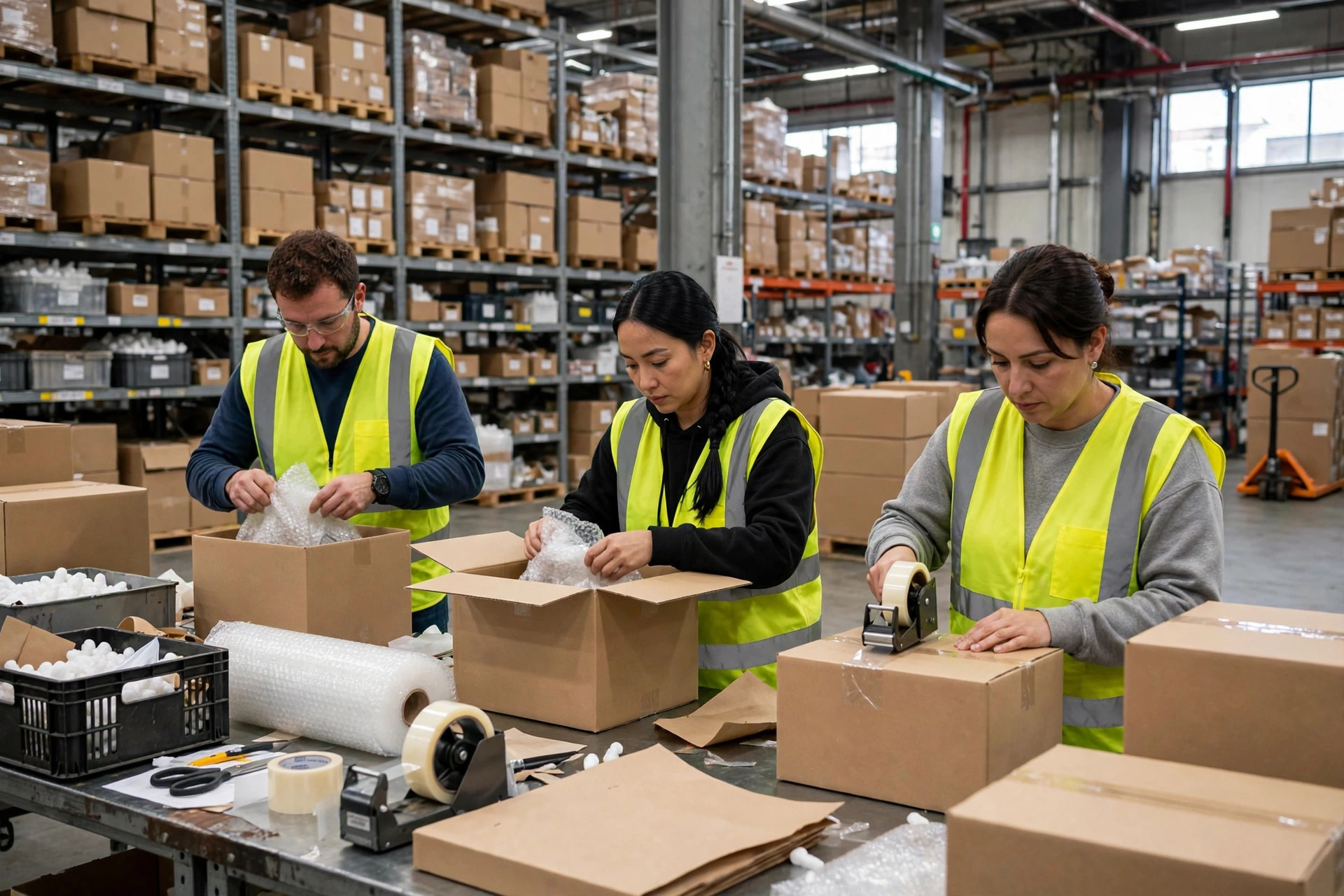
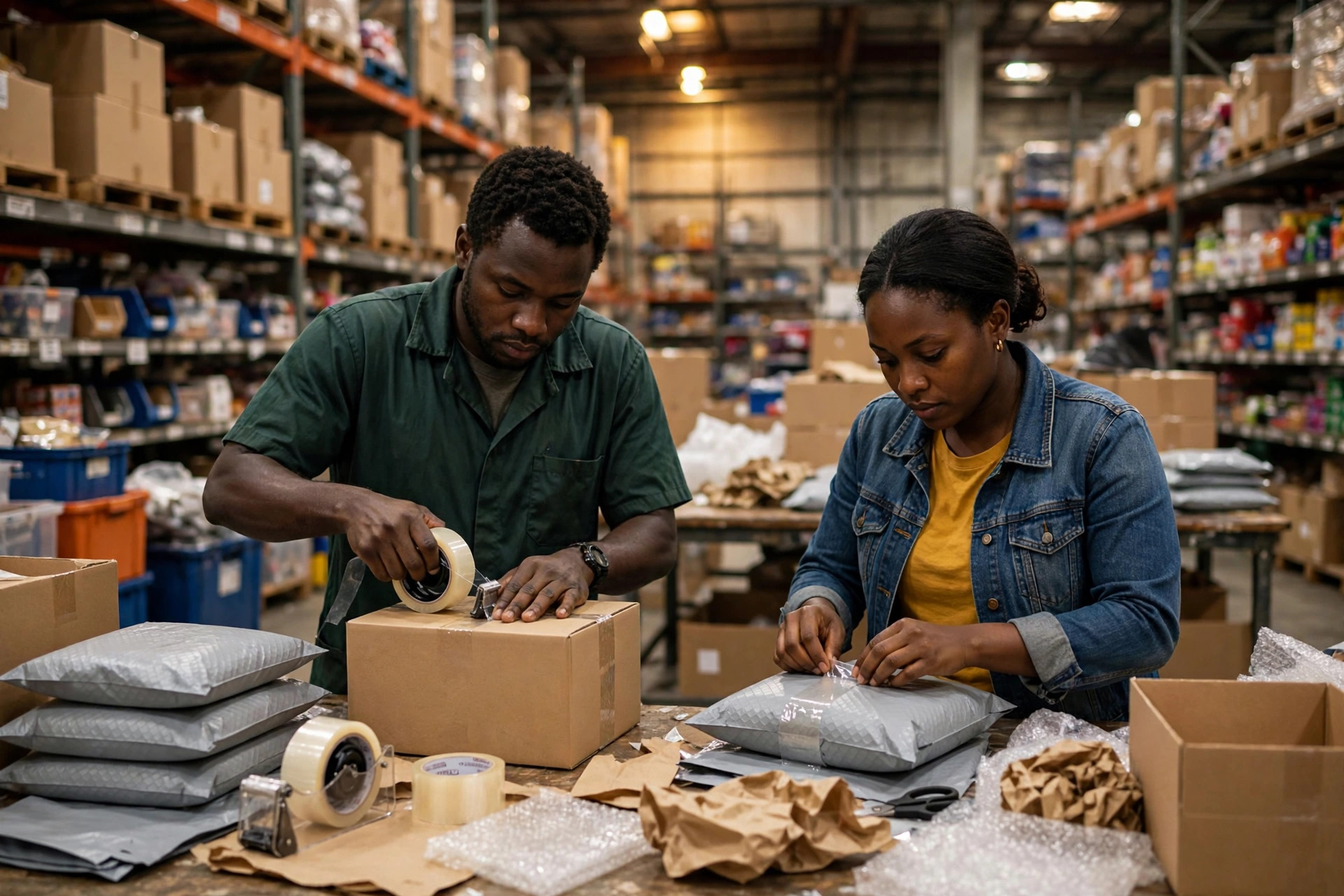
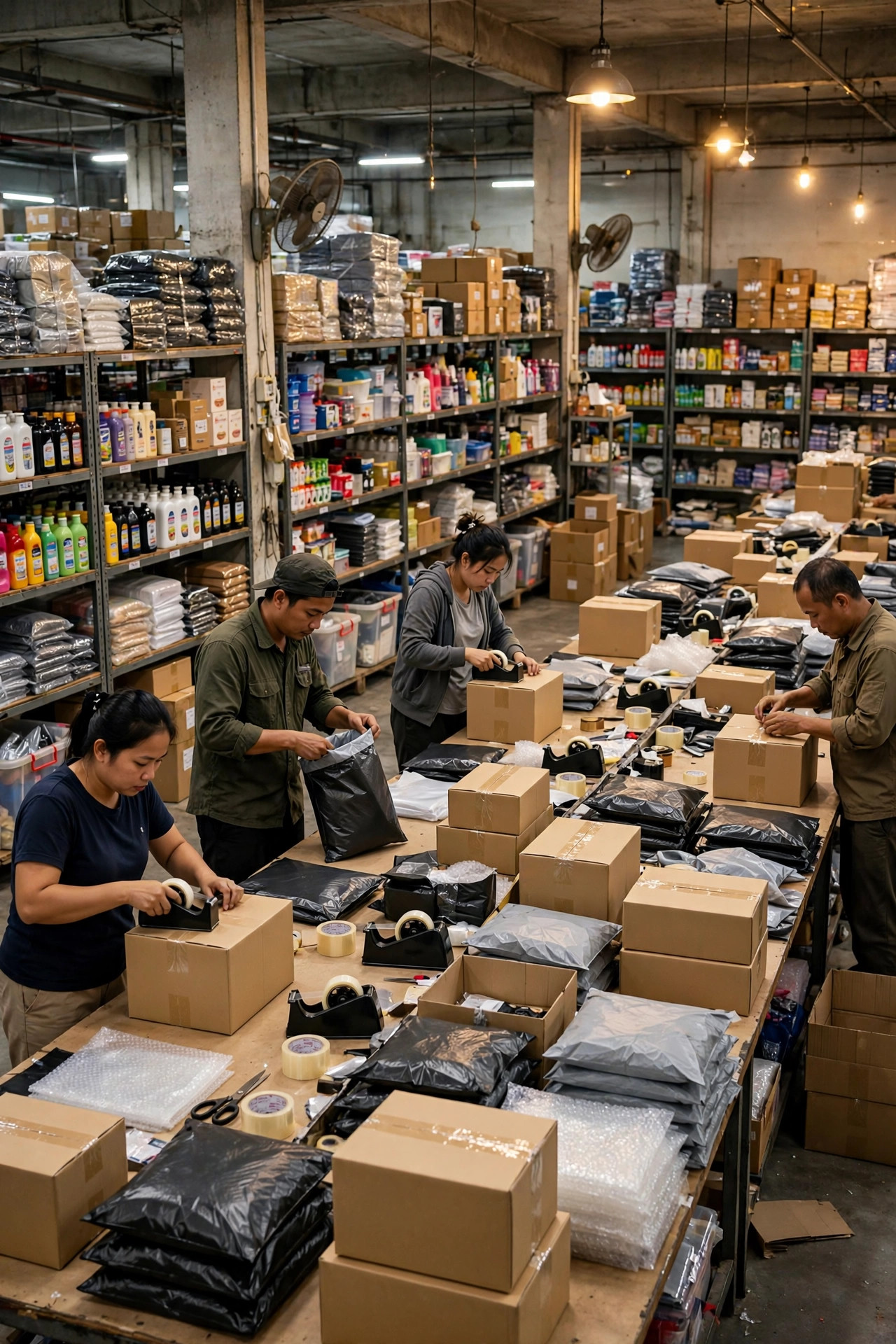
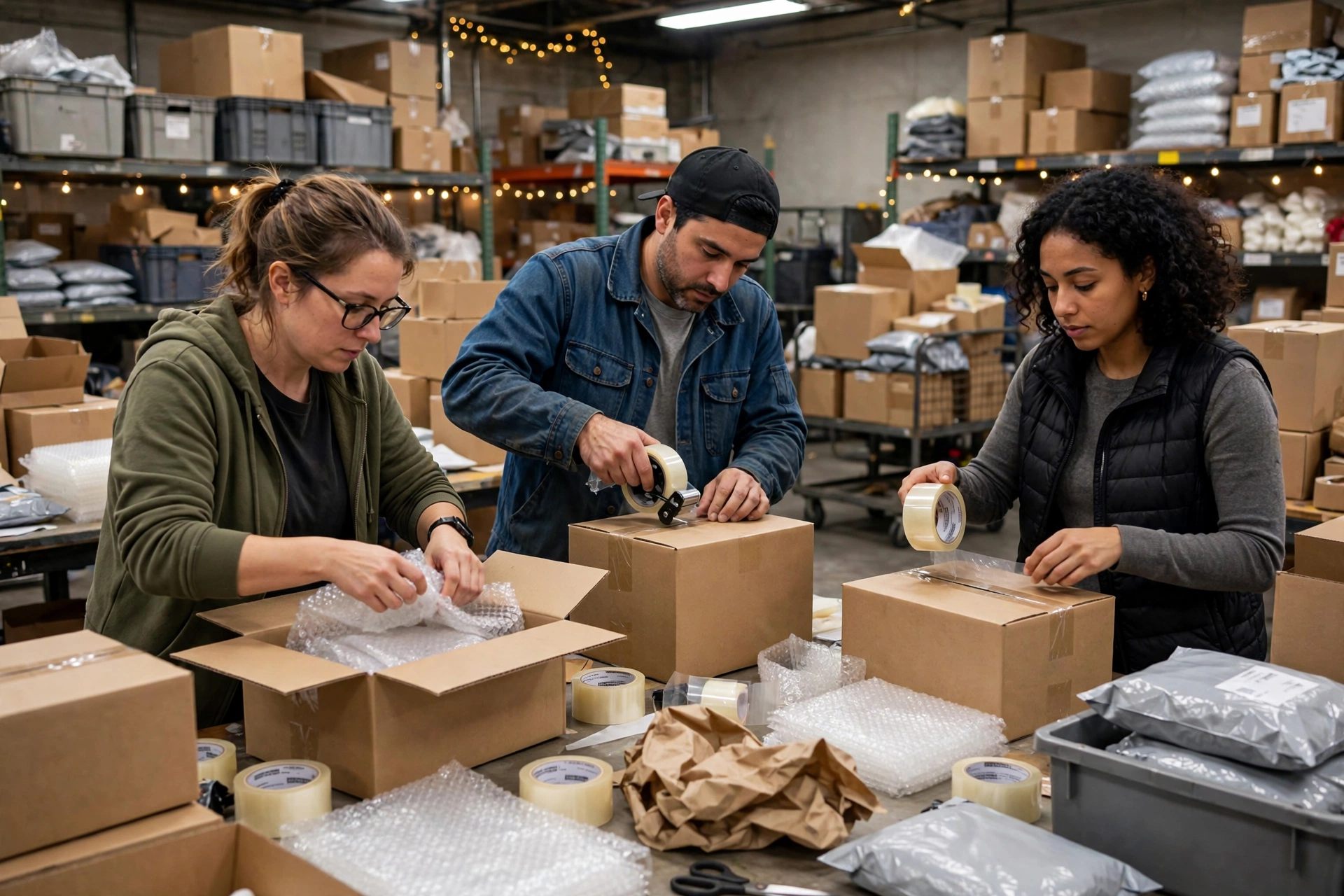
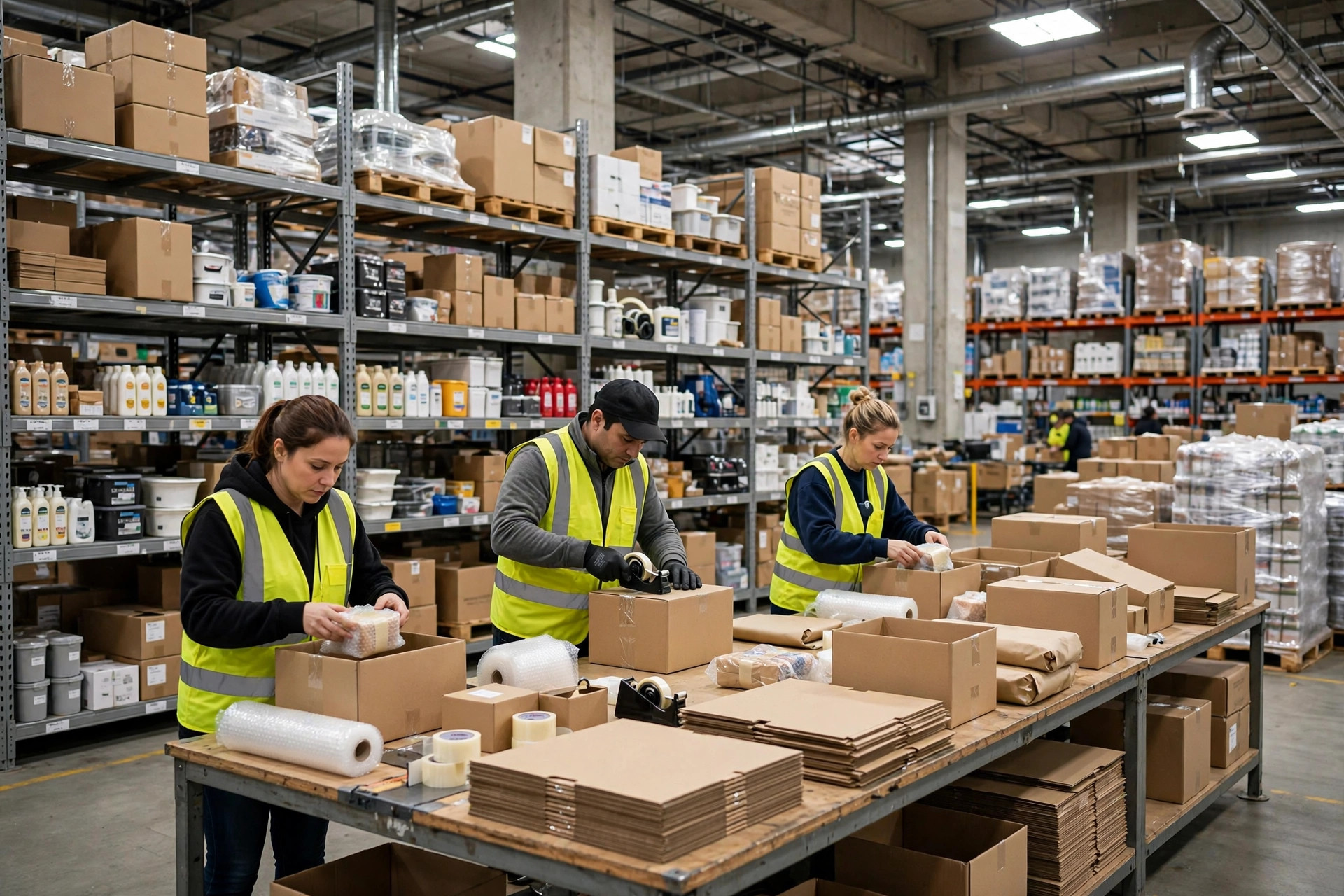
The warehouse blew up that night. Three pickers at my little warehouse in Ontario, California worked until 3 AM and got 600 orders out. The other 1,700 took two and a half days. On day three, the fulfillment warning email from TikTok Shop was sitting in my inbox, and my shop experience score had dropped 0.4 points. Traffic arrives like a tornado and leaves a mess behind.
The scariest part of going viral isn't running out of stock
Here's the counterintuitive truth, up front: most sellers stock up big and think a viral stream means getting rich. Wrong. What actually kills you is your fulfillment rhythm falling behind. Out of stock? You just delist. Late shipments? The platform fines you, buyers flame you, your rating tanks. Triple hit.
I did the math after that night: out of 2,300 orders, 400 got cancelled for late shipment. That's a 17% cancellation rate. Four bucks of profit per order — $1,600 gone, not counting two weeks of depressed organic traffic after the rating drop. That money could have paid two packers for a month.
How much stock for a livestream? This sheet has worked for me for two years
This sheet is my secret weapon. One disclaimer first: every number below comes from my own store's experience. Adjust for your category.
| Livestream type | Stock formula | Lead time |
|---|---|---|
| Daily short-video listings | Daily avg sales x 3 days x 1.3 | 3 days |
| Influencer livestream | Est. viewers x conversion rate x units per order x 1.5 | 7 days |
| Big promo livestream | Daily avg sales x 7 days x 2.0 | 10 days |
| New product test stream | 200-500 units x 1.2 | 5 days |
Let me unpack the conversion rate. For influencer streams, mine lands between 1% and 3%. Beauty and personal care run high, consumer electronics run low. And never trust the influencer's "guaranteed 100K viewers." Take their average viewership across the last five streams and cut it to 60%. Learned that one the hard way.
Why a 1.5 safety factor instead of 1.2? Because the inventory number in the livestream room never matches the actual warehouse count. When the host yells "only 500 left," the warehouse might have 300. Oversold orders mean apologizing to buyers one by one, which hurts way more than the lost margin.
In-warehouse livestreaming vs. stream-then-fulfill: I've tried both
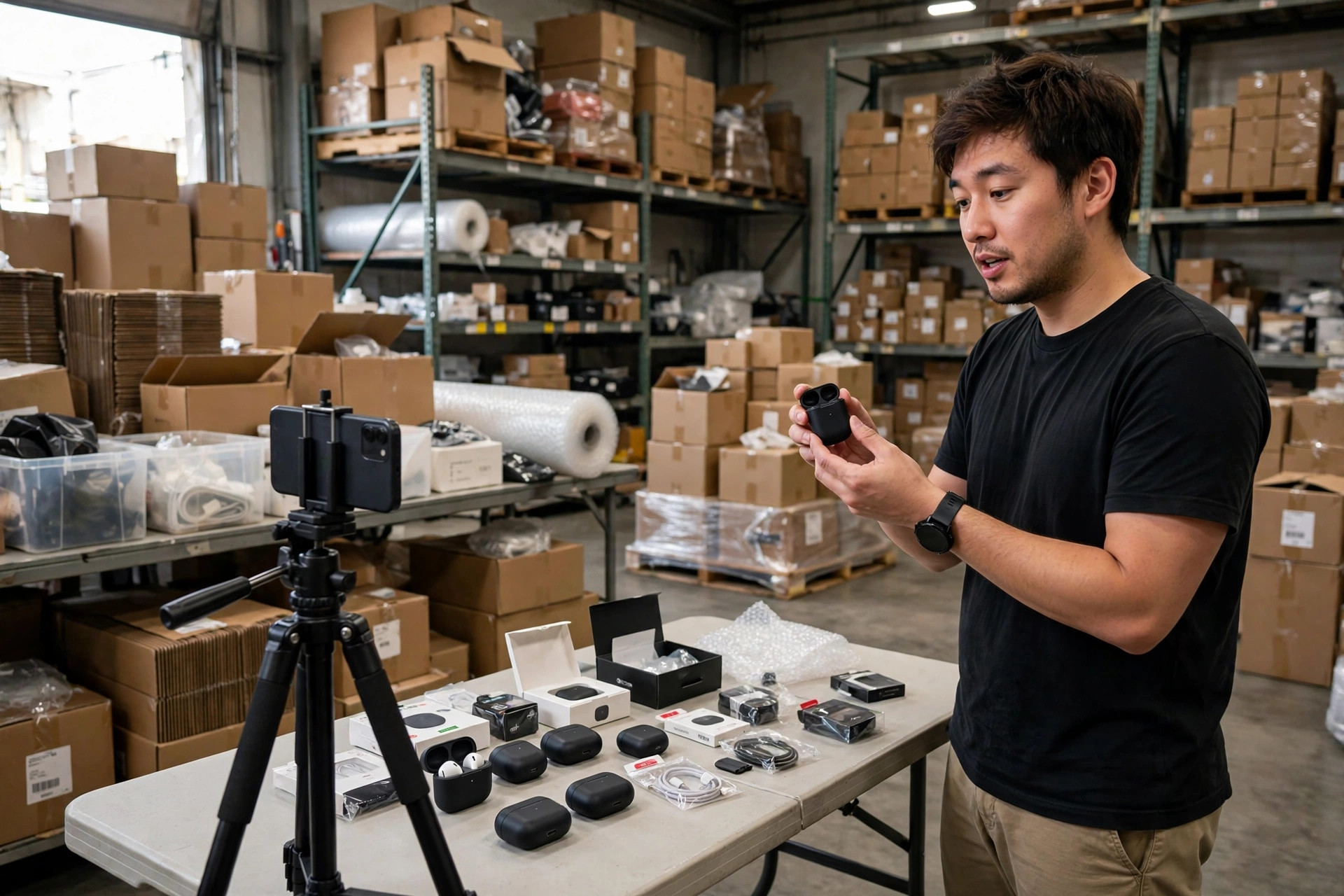
This March, I moved the livestream setup into the warehouse. The host went live from a corner of my Ontario warehouse. Viewers ordered, and the warehouse picked and packed on the spot. We stocked 5,000 units, sold 3,800 in three hours, and 80% of orders shipped within two hours of the stream ending.
The surprise was the return rate. My livestream orders normally return at 15%-18% (my numbers). That stream came in at 11%. Buyers could see the actual warehouse on camera. "In stock, shipping now" beats any sales script.
| Stream-then-fulfill | In-warehouse livestream | |
|---|---|---|
| Order cutoff | Bulk export the next day | Cutoff waves every 30 min during the stream |
| First shipments | About 60% within 24h after the stream | About 80% within 2h of the stream ending |
| Return rate | Higher (impulse buys) | 3-5 points lower (my experience) |
| Picking efficiency during the stream | Unaffected | Drops about 20% (my experience - aisles yield to the studio) |
The trade-off, spelled out: in-warehouse livestreaming kills the "sync after the show" lag, but the warehouse layout has to make room for the studio, and picking efficiency takes a hit during those hours. My call: for high-ticket, high-return categories (small appliances, beauty sets), go in-warehouse. The return-rate savings dwarf the efficiency loss. For cheap standardized SKUs under $9.99? Stick with stream-then-fulfill plus pre-packing. Don't overthink it.
My rhythm: cut off orders mid-stream, ship everything within 24 hours
On layout: the studio and the pick zone are physically separated, but only by one wall. The host says "the warehouse is packing your order right now," the camera pans to the pack bench, and you know what that does to conversion.
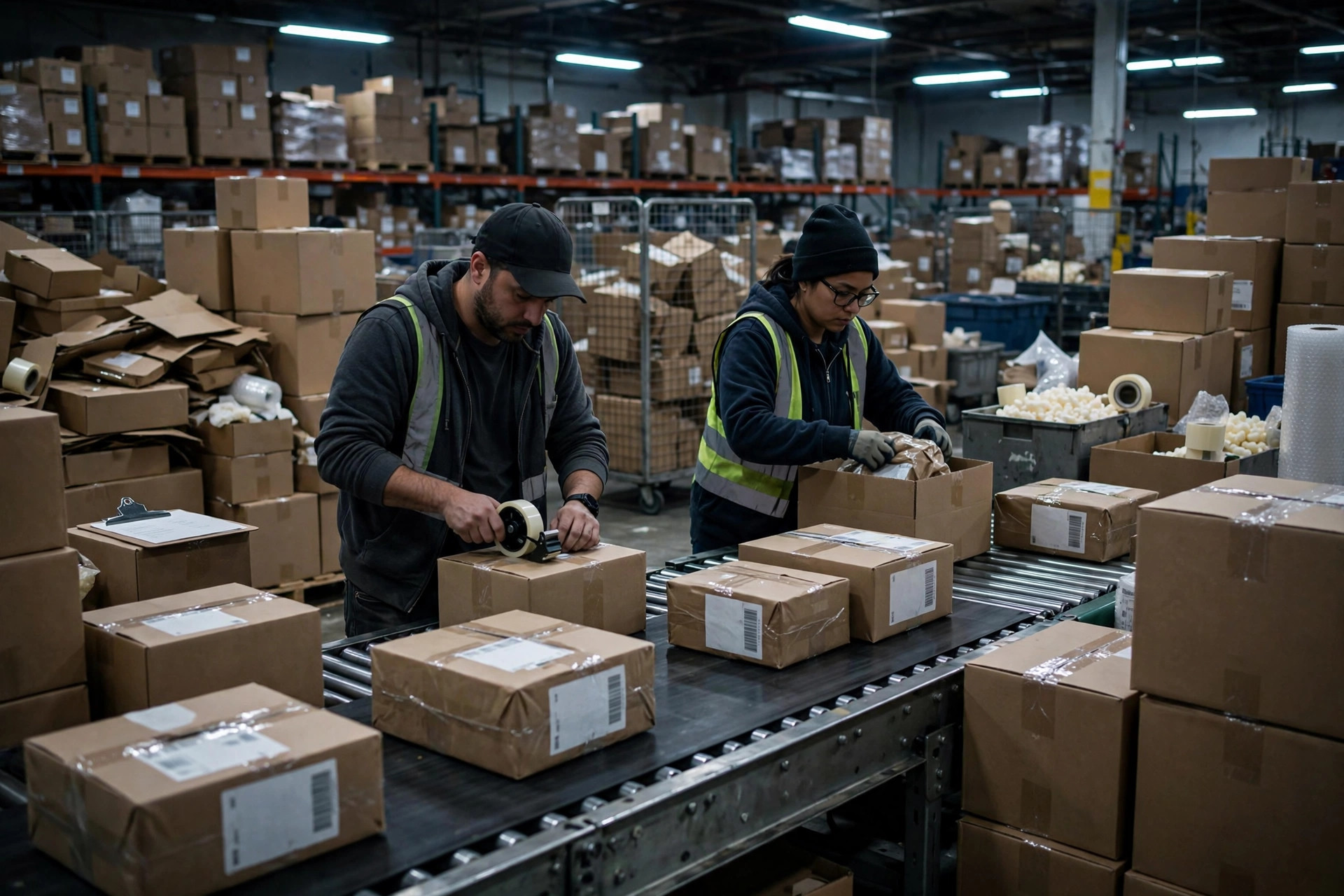
On staffing: four people on shift during the stream (one dedicated to order cutoff and label printing, two picking, one on packing QC), two on the night shift to finish up. That's my setup (my experience). Double the volume, add another crew.
On cutoff rhythm: pull an order wave every 30 minutes during the stream. Labels print, picking never stops. 60% out within 6 hours after the stream, 100% within 24 hours. TikTok Shop's fulfillment SLA changes, so always go by their latest published policy. My rule: beat the platform deadline by half a day, every time.
Three traps - hit one and you'll feel it
First, overselling. Lock inventory before the stream. Carve out a virtual pool for the livestream, and the host's counter draws from that pool only, never the master stock. I learned this the hard way. An influencer oversold by 200 units once, and I spent days apologizing over DM, handing out $50 coupons to hold off the one-star reviews.
Second, returns flowing back. Livestream orders return at a higher rate than normal. 8% is my baseline, 15%-18% for livestreams (my numbers). Plan for it. For that 3,800-order stream, I lined up re-inspection capacity for 570 units at a 15% assumption. Returned goods get re-inspected within 48 hours and relisted, or they become dead stock.
Third, platform rules. Fulfillment windows and late-shipment penalties on TikTok Shop have changed more than once. Whatever I write here ages fast, so go by their latest official policy. Don't run this year's operation on last year's playbook.
I've run this rhythm - lock stock before the stream, cut off orders mid-stream, everything out within 24 hours - for almost a year now. Three livestreams through peak season, zero late shipments. Tested it myself - it works.
By Ah K, E-commerce Seller (5 yrs)