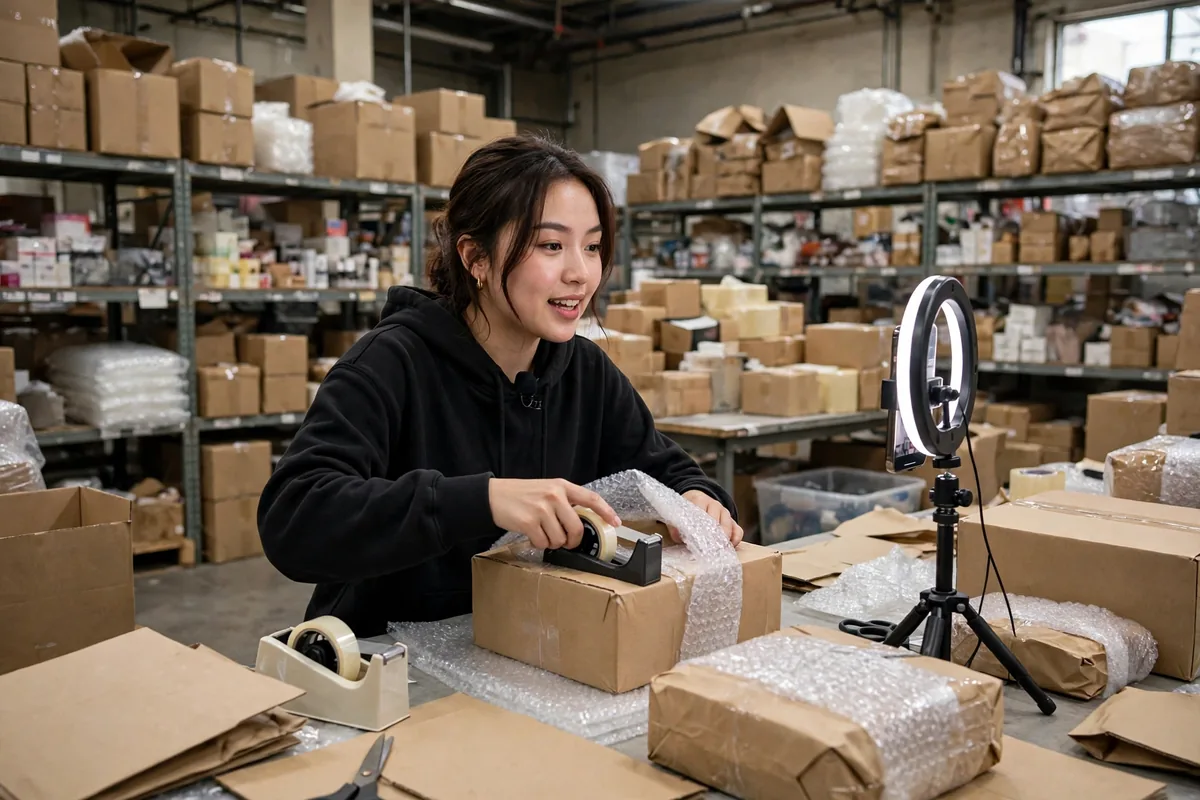
It was 11:40 on a Tuesday night last November. My night crew had just cleared the last orders when my phone rang. A livestream seller we work with — the host had just shouted "last five hundred units" on air. Seven hundred orders landed in three minutes. The crew had barely sat down for water when the printers started up again.
Let me be straight with you: TikTok Shop live selling warehouse fulfillment runs on a completely different rhythm than regular e-commerce. Normal orders trickle in like a tap that won't quite shut. Livestream orders are a floodgate. One sentence from the host, and half an hour of volume equals a normal day. If the warehouse still schedules the old way, something will break.
That night, something did. Of those seven hundred orders, more than a hundred were for the same hero product, and we only had eighty units on the shelf. The host kept shouting, orders kept coming, and nobody dared hit pause. In the end six of us on the night shift pushed out everything we could ship, and the next morning we called the seller to switch the shorted orders to the same style in another color. The seller didn't complain. But I knew in my gut this couldn't happen twice.
Where did it go wrong? Not headcount. The rhythm was off. The host sets the pace in the studio; we set the pace in the warehouse. Nobody was talking between the two. The host didn't know what was left on the shelf, and we didn't know when she'd shout "last five hundred." By the time the orders flooded in, it was too late to react.
Our first fix was to ask the seller for the livestream script a day ahead: which product is the hero, what's getting cleared out, roughly when each link goes live. We'd move stock to the shelves nearest the packing benches and give the hero product its own zone. It worked for a while — until a host went off-script. One night she added a "fans-only" item on the spot. It wasn't in the script. The stock was buried at the back of the warehouse, and it took the crew half an hour of moving and picking to sort it out.
How TikTok Shop Live Selling Orders Flood In When the Stream Starts
Over time we learned the pattern. Livestream orders don't arrive evenly. They come in three waves: a small one in the first ten minutes from loyal fans, the biggest one in the middle when the host demos the hero product, and a final one at the "last countdown" before sign-off. That middle wave is the largest — and the most dangerous. Honestly, that middle wave is where TikTok Shop live selling warehouse fulfillment is won or lost.
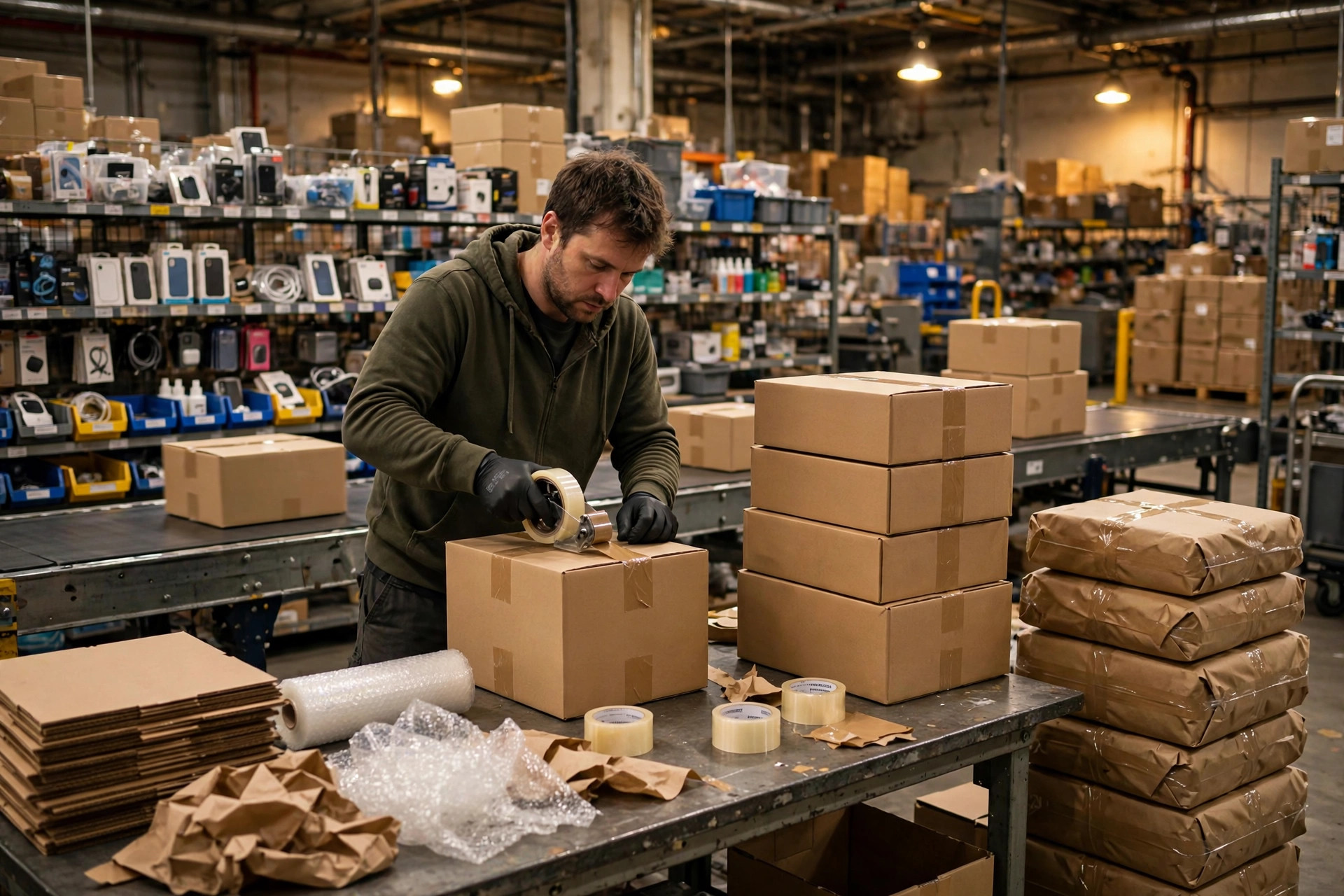
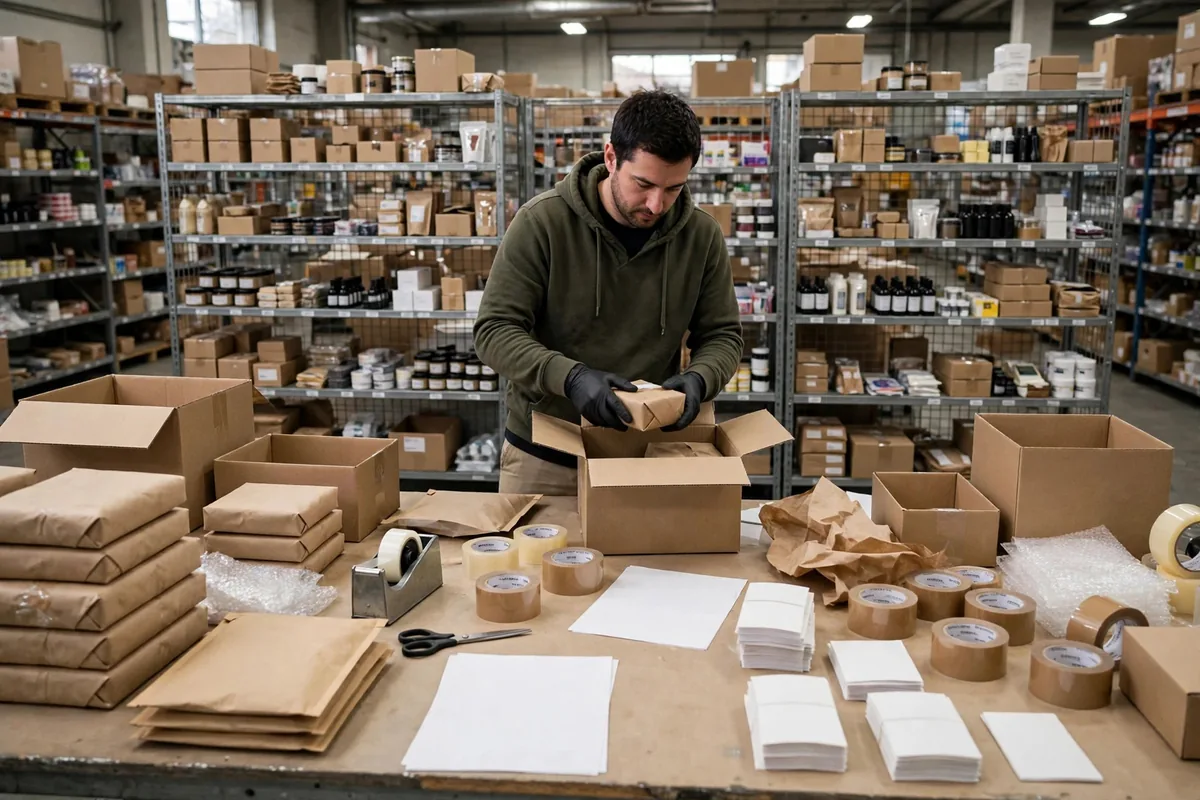
Now we staff to those three waves. Before the stream starts, two people watch the system. The moment orders come in, they check hero-product stock, and if it's short they shout in the group chat so the seller can tell the host to change her lines. During the big middle wave, everyone is on the packing benches, pickers keep picking, and the check-and-pack crew doubles. After sign-off, one small team clears all the after-sales and shorted orders the same night. Nothing rolls to the next day.
One more thing matters: livestream orders must never be picked in the same queue as daily orders. We used to mix them to save effort, and the hero orders pushed every regular order past its cutoff. Now livestream orders get their own wave, their own picking carts, their own packing benches. Two lines running side by side, neither one blocking the other.
Our Schedule Took Three Tries to Get Right
Scheduling took us three tries.
Try one: add people. Four extra hands on livestream nights. The wage bill went up, but the result was mediocre. The floor is only so big. Too many people around the packing benches turned into a traffic jam, and we actually got slower.
Try two: stagger the shifts. Day shift stays two hours late, night shift comes in an hour early, so we're at full strength during the two peak hours. It saved money, but the veterans hated it. Day shift getting home at nine at night means nobody's there to pick up the kids.
Try three finally hit the mark. We split livestream days and normal days completely. On a livestream day, day shift leaves on time and night shift starts at five in the afternoon, dedicated to livestream orders. On a normal day, everything goes back to the regular schedule. Veterans don't have to pull late nights every day, and the night-shift allowance is spelled out clearly. Morale lives or dies on whether the math is transparent. When the numbers are clear, people settle down.
Pairing veterans with new hires matters most on livestream nights. Hero-product picking cannot go wrong — one wrong item is a bad review plus a return. Now veterans always guard the hero zone, and new hires pick the regular items. New people ramp up fast, and veterans stop running around putting out fires.
Let's talk money honestly. A livestream night costs us roughly twenty percent more in labor for the month. What does that buy? The confidence to take livestream work at all. Sellers used to ask if we could handle a live event, and I wouldn't promise. Now I can say yes — as long as we get the script a day ahead and the stock count checks out. That extra twenty percent buys bigger events from sellers and steady volume in the slow season, when an empty warehouse is the real fear.
| Scheduling approach | Extra monthly labor | Peak outbound speed | Veteran feedback |
|---|---|---|---|
| Just add people | Around 30% more | Fast, but the floor gets crowded | Fine, just expensive |
| Stagger the shifts | Under 10% more | Average | Strong pushback, kids' pickup |
| Separate night crew on stream days | Around 20% more | Fastest, floor stays clear | No complaints, allowance is clear |
The Live Selling Warehouse Fulfillment Routine We Run Now
Here's the honest truth about TikTok Shop live selling warehouse fulfillment: it's not about having more hands, it's about getting the information early. One sentence from a host can sell five hundred units — or waste a whole night of warehouse work. Somebody has to carry messages between the studio and the warehouse floor, and in our building that person is our coordinator.
Our fixed routine has four rules. First, the seller sends the script and the hero-product list a day ahead, and both sides count the stock together on the spot — no count, no broadcast. Second, on stream day we run a three-way group chat: the host, the seller's operator, and our coordinator. If stock runs low, the call goes out in the chat and the host changes her lines on the spot. Third, livestream orders get their own wave, their own picking, their own packing — never mixed with daily orders. Fourth, within an hour of sign-off we produce a shortage list, and shorted orders get a plan with the seller the same night, never the next day.
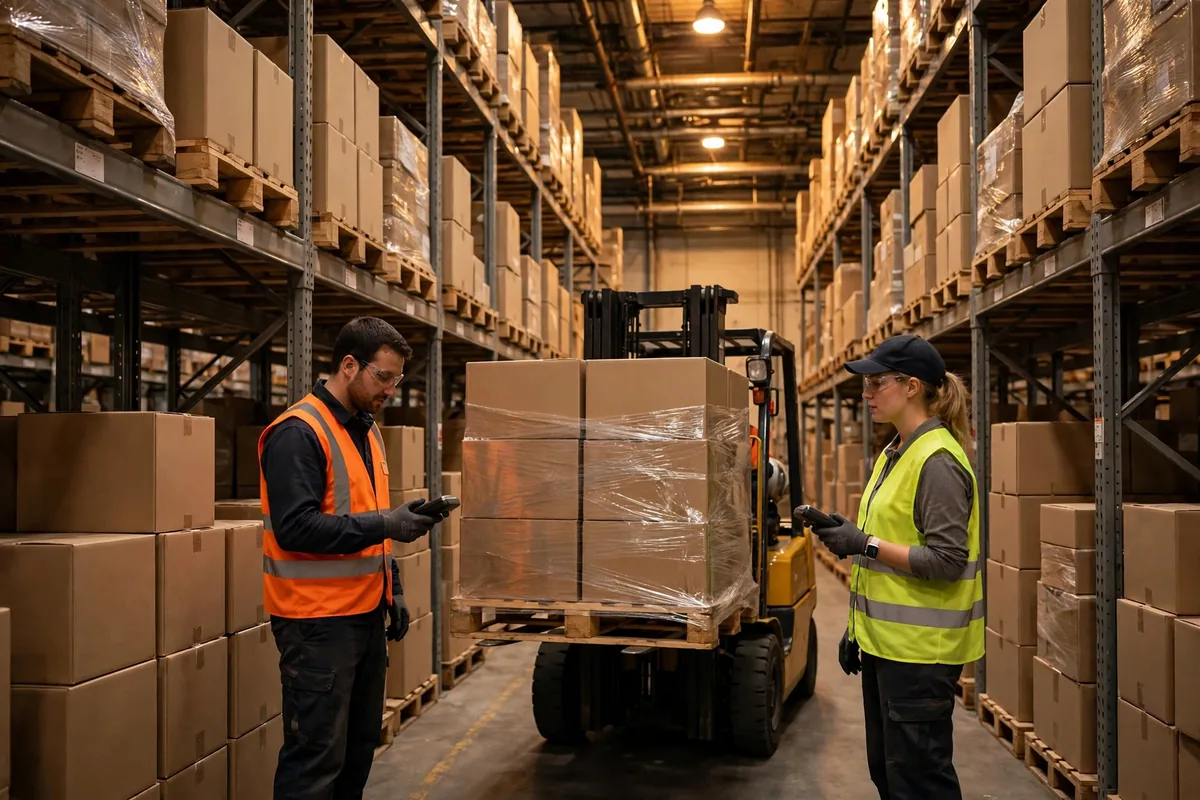
Those four rules look simple, but every one of them lives in the details. Take the stock count. Sounds easy. In practice, the system number and the shelf number disagree eight times out of ten. Our fix: the afternoon before a stream, one person physically counts the hero product and posts a photo in the group chat. The seller signs off on that number before the broadcast. Skipping this step means betting our reputation on a guess.
And one warning, for my fellow warehouse folks and for myself. Livestream orders look exciting, but the return rate runs higher than daily orders. Apparel and footwear can hit return rates of twenty to thirty percent — that's just how this channel works. When shipping, never skip the quality check. No matter how busy the livestream night gets, the QC person stays. One defective item shipped out comes back as a small thing, but a bad review shouted out in a livestream costs you the next big event.
Brothers, warehouse work comes down to reputation in the end. The stream can run as fast as it wants. The rules on the floor don't bend. Information one step early, hands one step early, and the orders can't get out of hand.
By Chen Feng, Warehouse Operations Manager