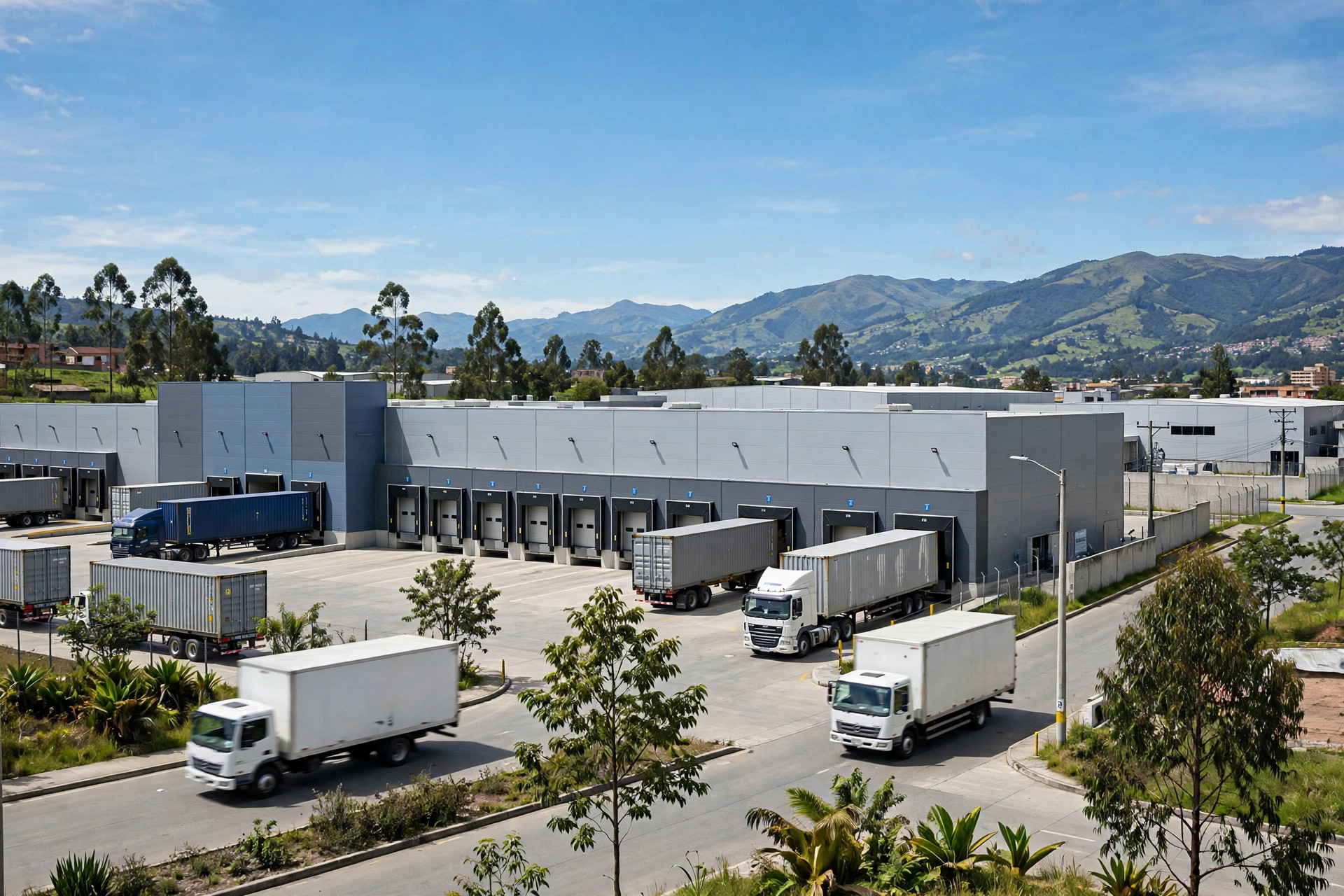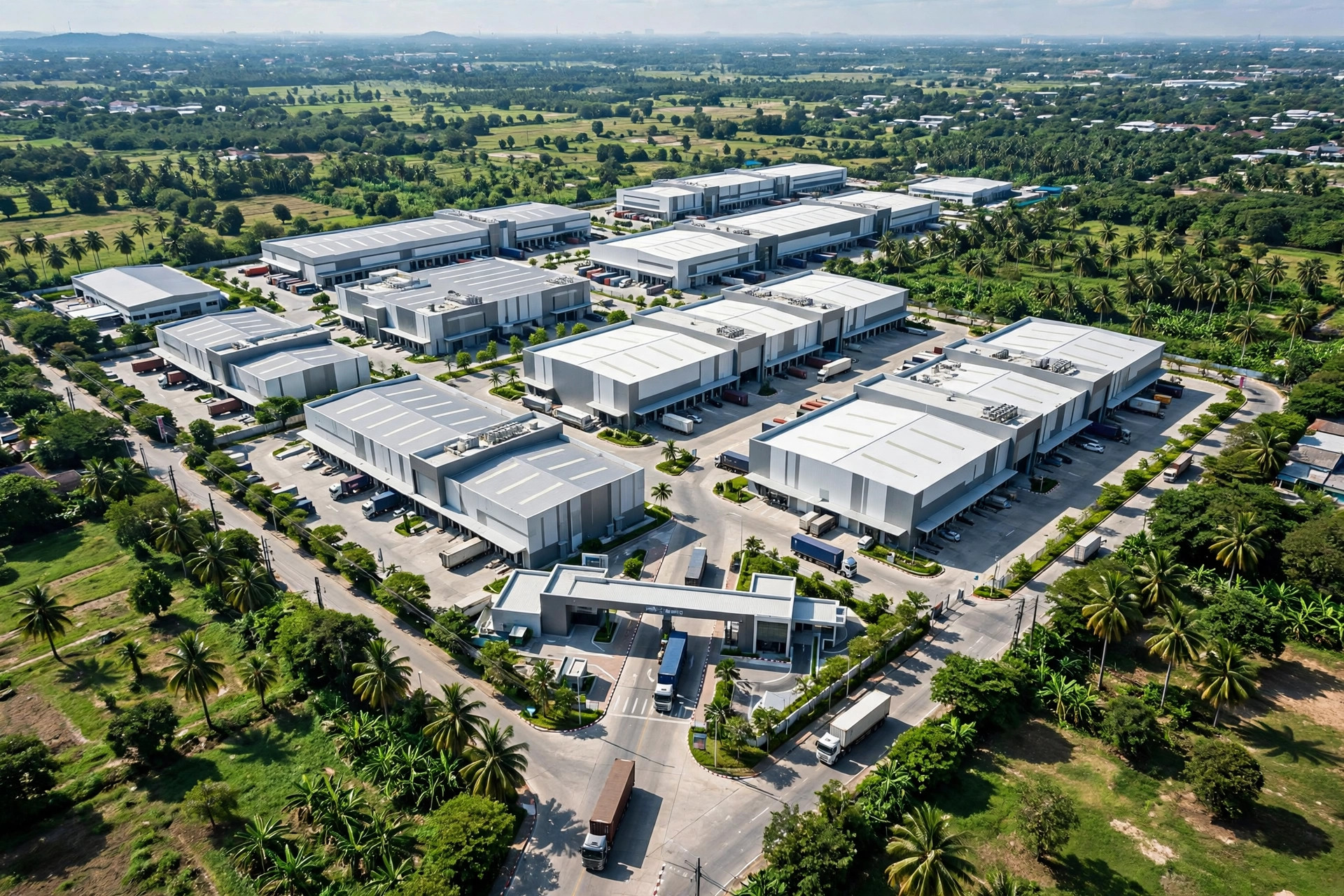
Over the past two years, the phrase "Thailand overseas warehouse" has been appearing with growing frequency in Chinese cross-border seller communities. According to data published by Thailand's Board of Investment (BOI), investment promotion applications in 2024 rose roughly 35% year-on-year to about USD 33 billion — a ten-year high — with a significant share coming from manufacturers and supply chain operators executing "China+1" strategies. When factories move to Thailand, warehouses follow. Cargo dictates warehouse location — that is the most elementary logic in supply chain management.
What is interesting, however, is that many sellers still hold a vague impression of Thai warehousing as simply "cheap rent, cheap labor." The actual warehouse market around Bangkok is considerably more nuanced. This article attempts to work through the site-selection logic and the BOI incentive arithmetic using publicly available market data.
The Bangkok-Area Warehouse Market in Numbers
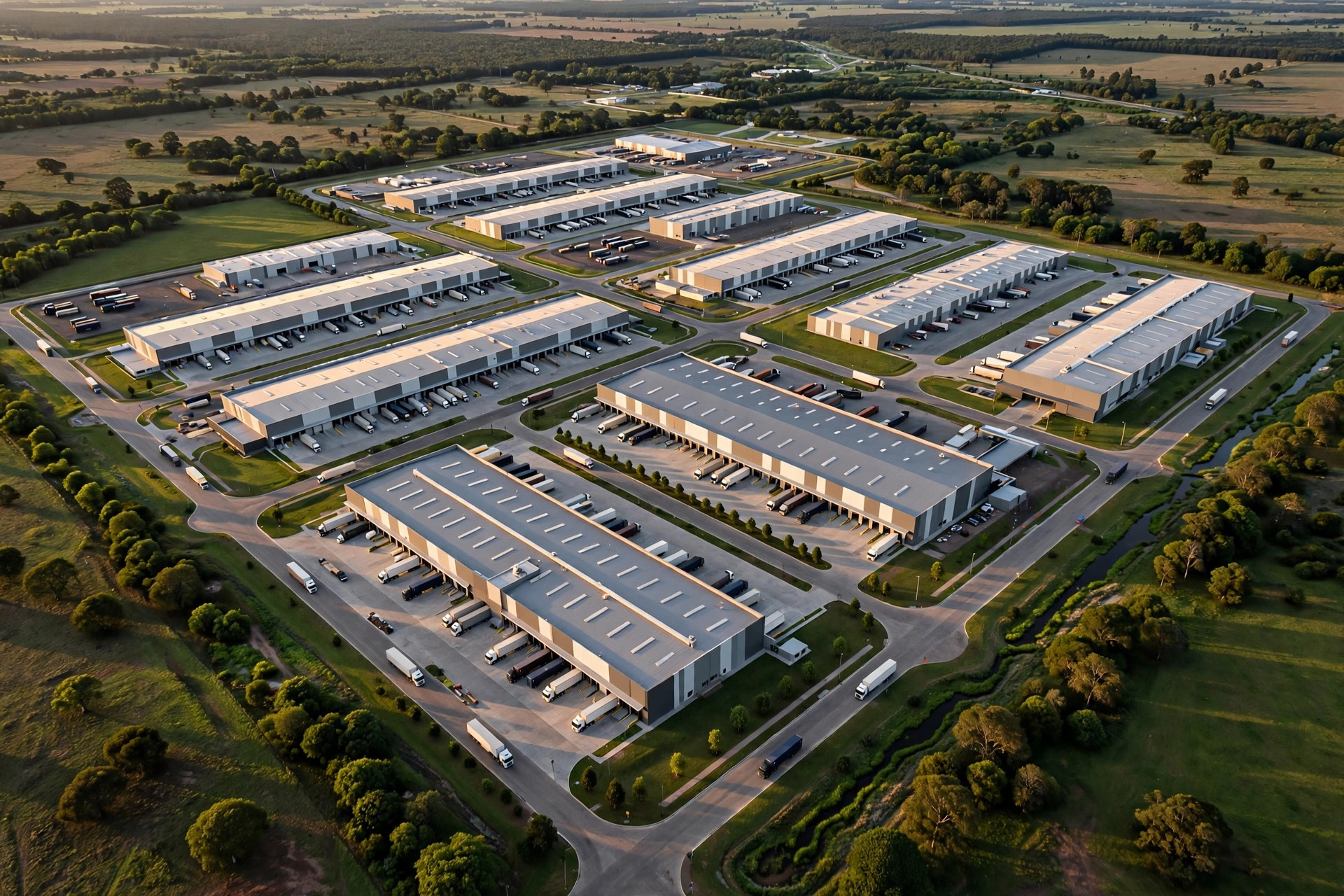
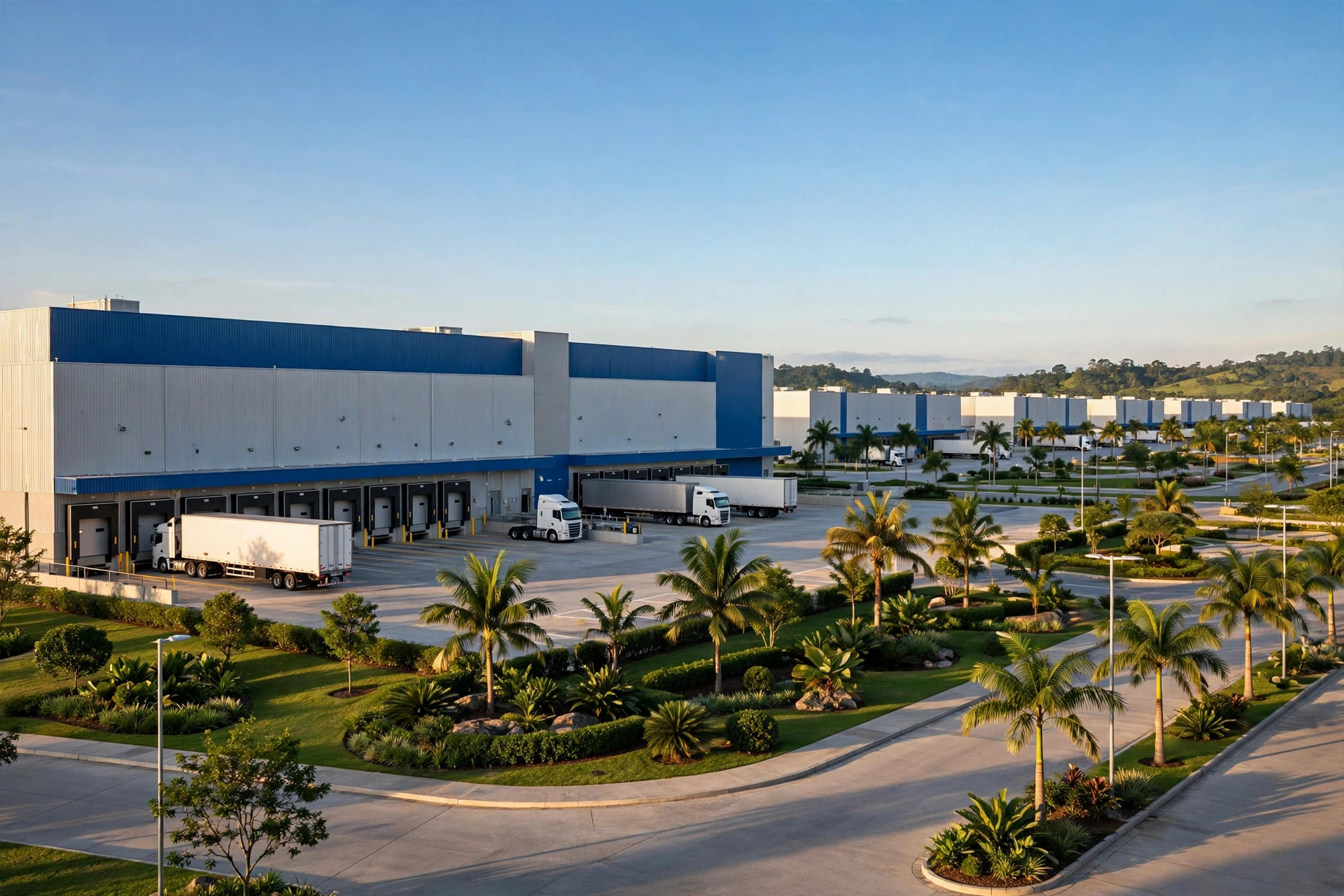
Start with rents. According to Knight Frank's Thailand logistics property report for the second half of 2025, average asking rents for standard ready-built warehouses stood at roughly THB 164 per square meter per month in the Bangkok Metropolitan Region (BMR), about THB 163 in the Eastern Economic Corridor (EEC), and THB 154 in the Central region. For a 3,000 sqm standard warehouse near Bangkok, that translates to annual rent on the order of THB 5.8 million.
Occupancy tells the second half of the story. The same report puts occupancy at approximately 92.6% in the BMR, 92.0% in the Central region, and 83.5% in the EEC. Occupancy above 90% generally signals a landlord's market — well-located space leases quickly and tenants have limited bargaining power. The EEC's 83.5%, by contrast, suggests that in the government's flagship development corridor, construction has temporarily outpaced demand.
JLL's data adds a useful cross-check: Thailand added more than 193,000 sqm of new prime logistics supply in 2025, pushing market-wide vacancy up 0.8 percentage points to 11.8%, while prime rents held broadly stable at around THB 158.7 per sqm per month. Supply is expanding, yet rents are not rising — a relatively friendly window for anyone planning market entry.
Site Selection for a Thailand Warehouse: Three Rings, Three Logics
Warehouse site selection around Bangkok can be roughly mapped into three rings, each governed by a different logic.
The first ring is Bangkok proper and its near suburbs, such as the Bangna–Samut Prakan area. Its advantage is proximity to the Bangkok consumer market and the best local delivery times — well suited to sellers focused on Thai domestic e-commerce (Lazada, Shopee Thailand). The price is the highest rents and the worst traffic congestion; heavy trucks moving in and out of logistics parks during rush hours lose meaningful efficiency.
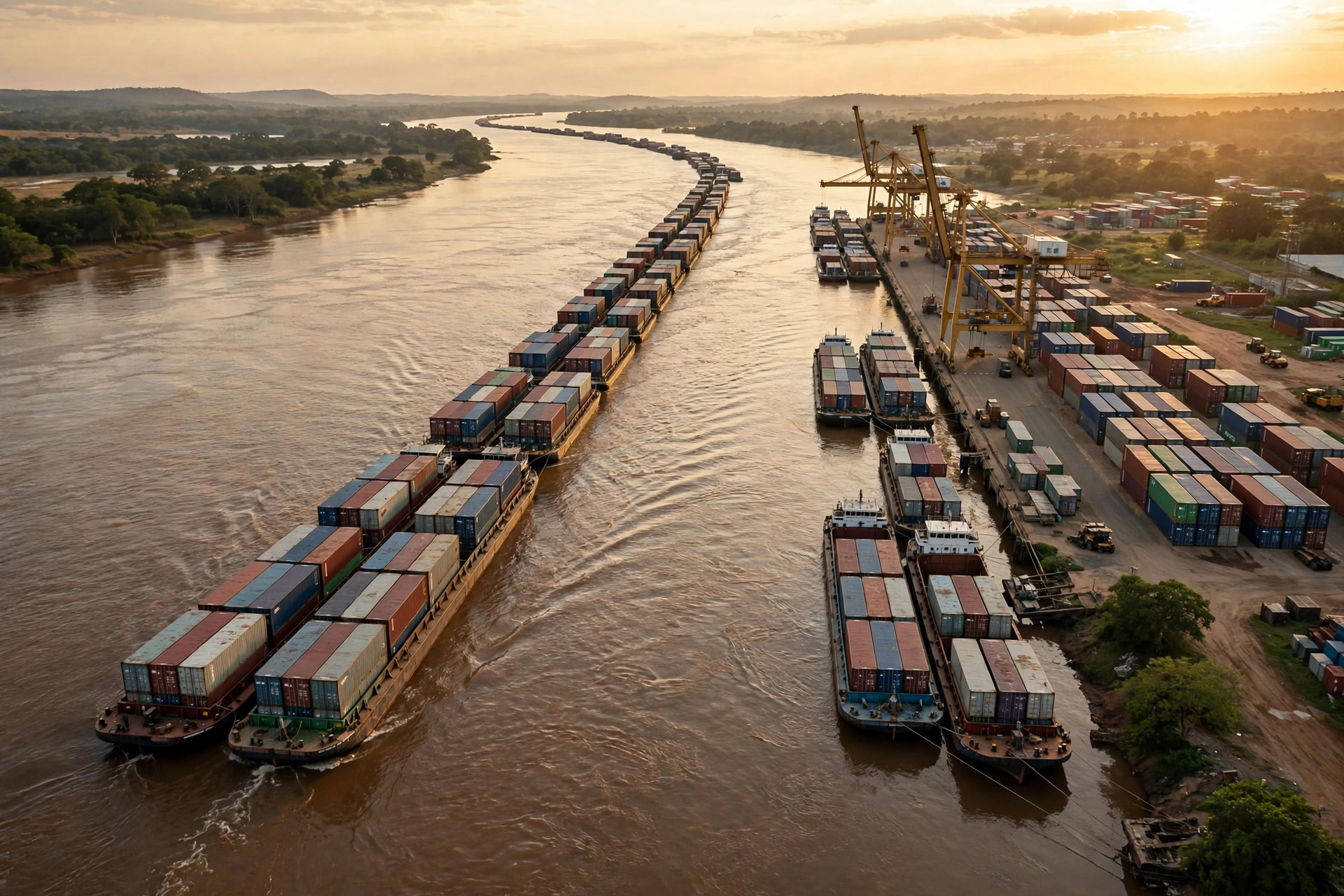
The second ring is the EEC — the three provinces of Chonburi, Rayong, and Chachoengsao. This is the corridor the Thai government is developing most aggressively, anchored by the Laem Chabang deep-sea port. Knight Frank's data shows EEC warehouse rents essentially on par with the BMR (THB 163 versus 164), but with higher vacancy and more options. For sellers shipping by sea from China, the EEC logic is straightforward: cargo lands at Laem Chabang, clears customs, and moves directly into a nearby warehouse, eliminating a leg of inland transport toward Bangkok.
The third ring covers outlying industrial zones — listings in deeper Rayong, for example, appear on property portals at THB 105–120 per sqm per month, nearly 30% cheaper than Bangkok. But the discount has reasons: distance from both the port and the consumer market, thinner labor pools, and a sparser third-party service ecosystem.
Here is a counterintuitive finding worth stating plainly: many sellers instinctively assume "closer to Bangkok is better," but for goods arriving by sea and then distributing across Thailand — or onward to Cambodia and Vietnam — the EEC's structural advantage is greater. Conversely, if a business depends heavily on same-day Bangkok delivery, the near-suburb premium is simply a cost that must be paid. There is no universal answer to site selection; there is only one standard question — how does your cargo move?
The BOI Incentive: Converting "Tax-Free Years" into Real Money
Now the BOI arithmetic. Thailand's standard corporate income tax rate is 20% — that is the baseline. The BOI's core incentive for promoted warehousing and logistics projects is a corporate income tax exemption, typically 3 to 8 years depending on the activity tier, reaching up to 13 years for top-priority projects with merit-based additions. The package also includes import duty exemptions on machinery, permission for 100% foreign ownership, land ownership rights, and a facilitated channel for visas and work permits.
A researcher's habit, however, is to ask about the price of any incentive. The BOI's price has three components. First, time: from application to final approval typically takes 3 to 6 months. Second, compliance cost: industry estimates put full application plus ongoing compliance reporting support at roughly USD 10,000–50,000. Third, operating constraints: the incentive covers only profits from the approved promoted activity — other income is taxed normally — and the company must sustain BOI compliance reporting throughout.
This leads to a second counterintuitive point: BOI tax holidays pay off best for capital-intensive, high-margin projects, yet many overseas-warehouse operators have the opposite profit profile — fulfillment warehouses often earn thin margins on asset-light storage service fees. If a Thai entity earns only THB 1–2 million in annual profit, the 20% rate represents a few hundred thousand baht in tax — and spending six months on an application plus ongoing compliance overhead to save that amount may not pencil out. The BOI profile that genuinely fits is a project planning to build or long-hold warehouse assets, invest in equipment, and generate meaningful profit scale.
Build, Lease, or Use a 3PL: A Decision Framework
Pulling the analysis together, Chinese sellers face three basic warehousing models in Thailand, and their fit can be summarized in one table:
| Dimension | Build / buy land and build | Long-term lease | Local 3PL |
|---|---|---|---|
| Upfront investment | High (land + construction) | Medium (deposit + fit-out) | Low (near zero) |
| BOI incentive capture | Fullest (assets + profits) | Partial (profit side) | Not directly available |
| Flexibility | Lowest (sunk assets) | Medium (3–5 year leases) | Highest (scale on demand) |
| Suitable daily volume | 3,000+ orders/day, stable | 500–3,000 orders/day | Under 500/day or testing phase |
| Payback sensitivity | Low (5–8 year view) | Medium | Extremely high |
A trend worth noting: according to JLL, net absorption in Thailand's warehouse market reached 124,000 sqm in Q4 2025, with more than 77,000 sqm coming from built-to-suit projects — evidence that many entrants are choosing the middle path of customized, long-locked space rather than an either-or bet.
A concrete illustration: a Shenzhen-based home-goods seller shipping 800 orders a day from a Bangkok-area warehouse, leasing 1,500 sqm. At the EEC's average asking rent of THB 163 per sqm per month, annual rent runs about THB 2.93 million. If the company nets THB 4 million in annual profit, a 5-year BOI holiday saves roughly THB 4 million in corporate tax — more than a year's rent. The precondition: 3 to 6 months for the BOI application, plus unfailing annual compliance filings. At 800 orders a day, the BOI math works. At 200 orders a day with under THB 1 million in annual profit, the tax saved may not even cover compliance costs. That is the BOI's scale threshold in action. That also matches the EEC's development logic: a policy corridor's value lies not in cheap rent but in ample supply and predictable infrastructure.
Reading the Trend: How Long Does the Thailand Window Stay Open?
Putting the threads together: the US reciprocal tariff rate on Thailand was cut from 36% to 19% effective August 1, 2025, easing the cost of routing through Thailand; BOI application data shows capital voting with its feet; and warehouse supply is expanding while rents hold steady. For Chinese sellers, the "policy + market" window for a Thailand warehouse is currently open.
But an open window is not a reason to walk in blindfolded. The EEC's 83.5% occupancy is a reminder that a policy corridor's prosperity needs real cargo volume to fill it; a 3-to-8-year tax holiday sounds attractive, but its value depends entirely on profit scale and compliance patience. The prudent sequence: validate the volume model first with a 3PL or short-term lease, and only then discuss BOI applications, long leases, or construction. Every heavy-asset decision in supply chain should rest on a proven volume curve — not on imagined policy dividends.
As for Thailand versus Vietnam — that deserves its own data-driven teardown. The two countries' policy systems, labor structures, and port conditions differ enough that a simple ranking is meaningless. What matters, as always, is where your cargo comes from and where it is going.
By Dr. Chen, Supply Chain Researcher