In the fall of 2023, a friend who sells women's apparel asked me: SHEIN has opened up to third-party sellers, we've got inventory sitting in Los Angeles — should we get on? I spent two months with him, from submitting onboarding documents to the first outbound shipments, stepping in every pothole along the way. This is the debrief from those two months.
The headline judgment first: SHEIN's third-party marketplace is a real opportunity for sellers holding US inventory, but it's not "list it and watch orders roll in" traffic magic. Its fulfillment and returns rules are engineered for fast-fashion tempo. Sellers who can't keep that tempo are just donating margin.
Getting in: US fulfillment capability is the hard gate
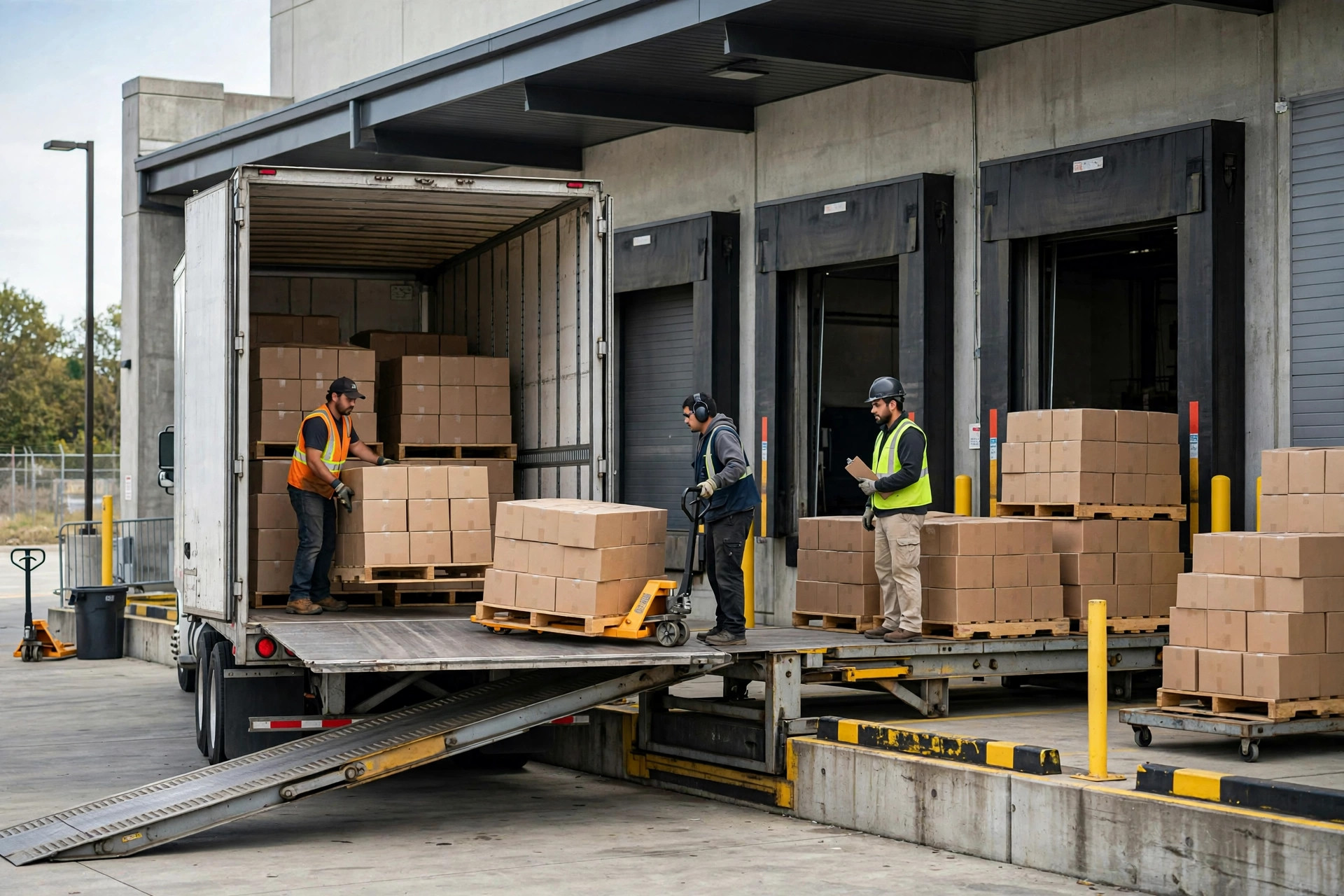
SHEIN's third-party review really comes down to two things: are you a legitimate business, and can you ship from inside the US? Business license and tax paperwork are table stakes; the key is proof of a US warehouse — a lease or a 3PL agreement, and they actually look at it. The platform wants delivery in days, not weeks. The overseas-direct-shipping playbook doesn't work here. Exact document requirements change — check the latest official policy, because what they asked when we went through it may already be outdated.
Apparel gets the strictest category review. SHEIN started as women's fashion and has strong opinions about sizing systems and QC standards. Size charts must be rebuilt to US standards — don't just translate domestic M/L/XL and upload it. US body distributions differ, and wrong sizing detonates your return rate. My friend's first batch of 200 SKUs came back with 40-plus rejections, all size-description problems.
Fulfillment: speed is life
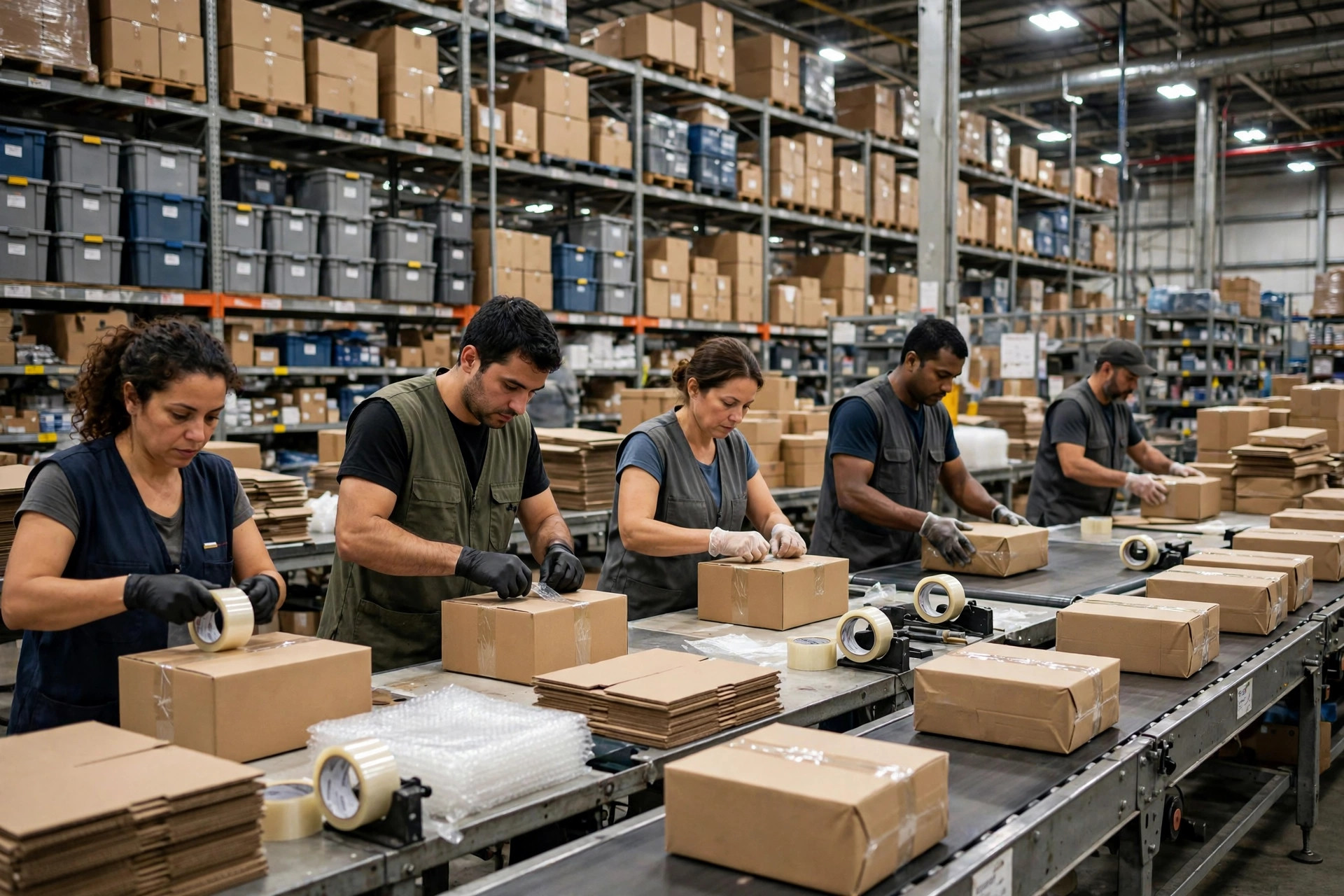
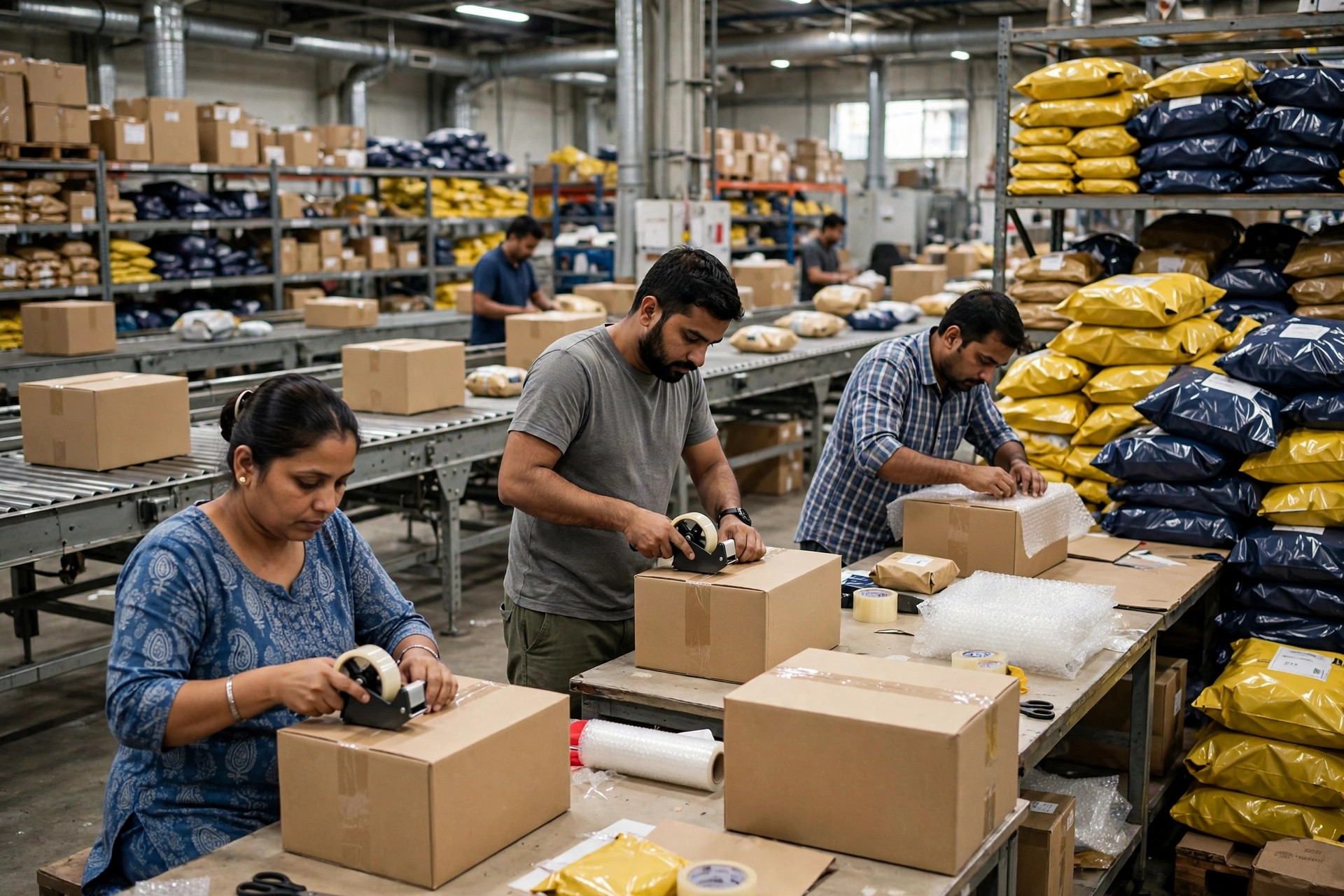
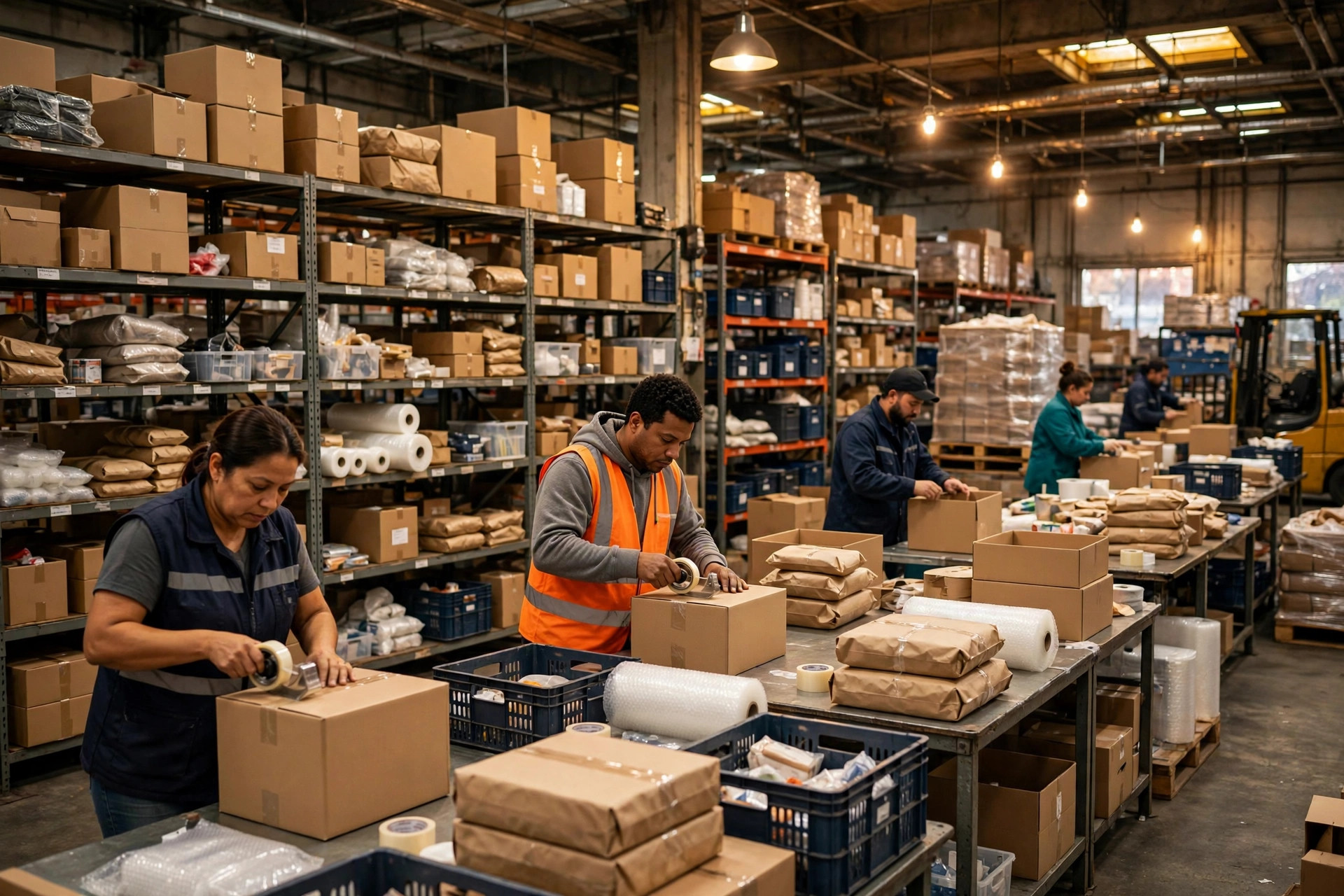
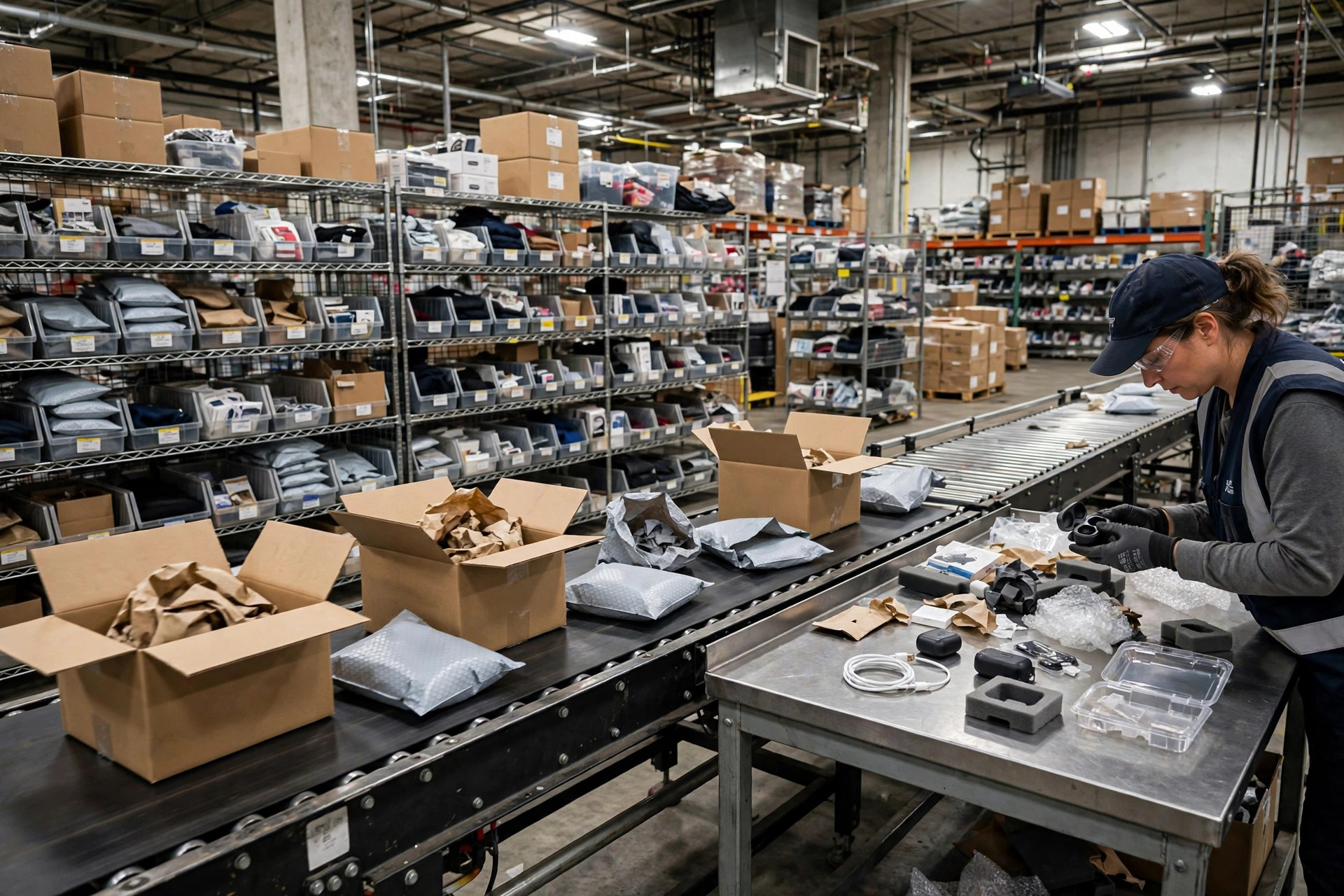
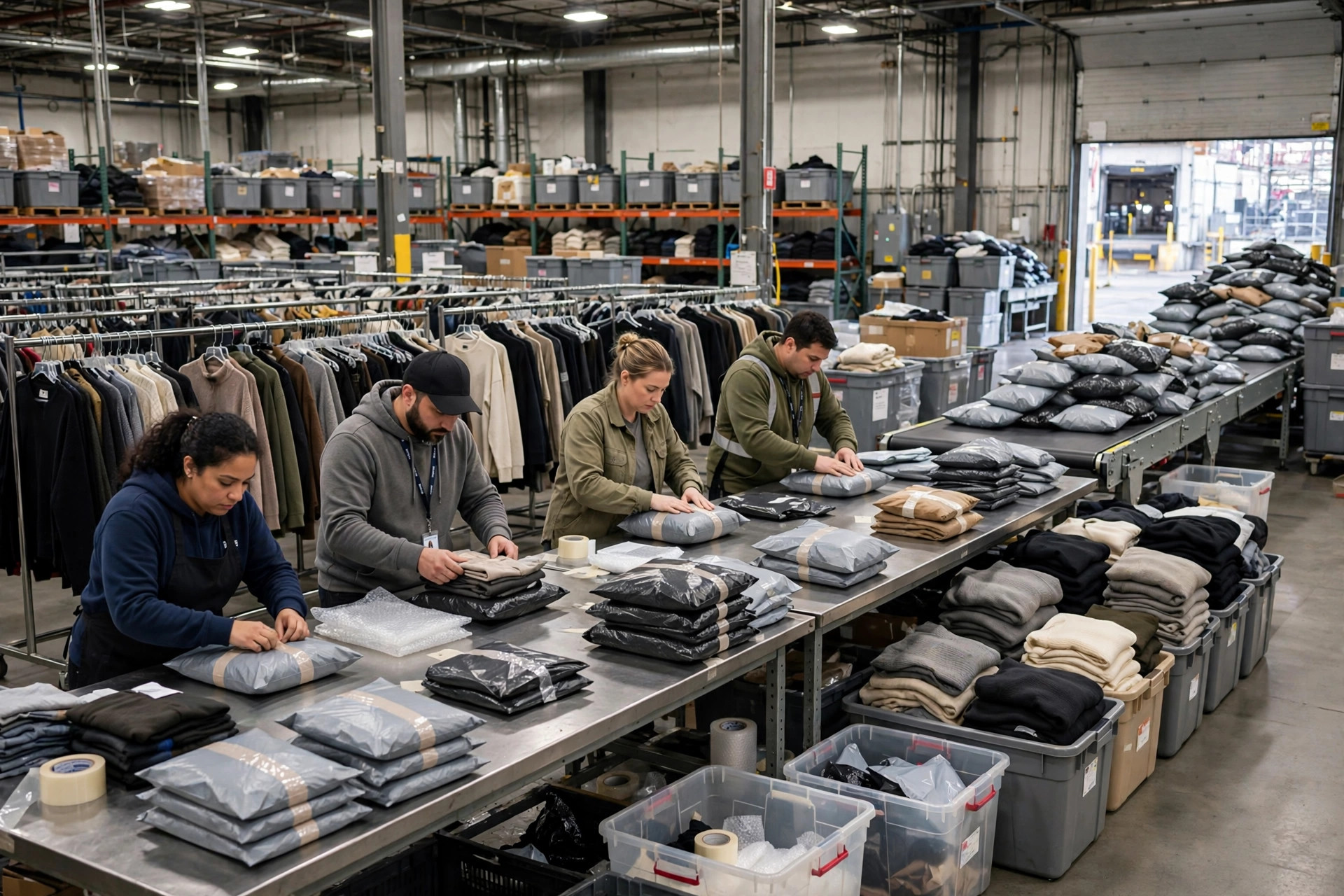
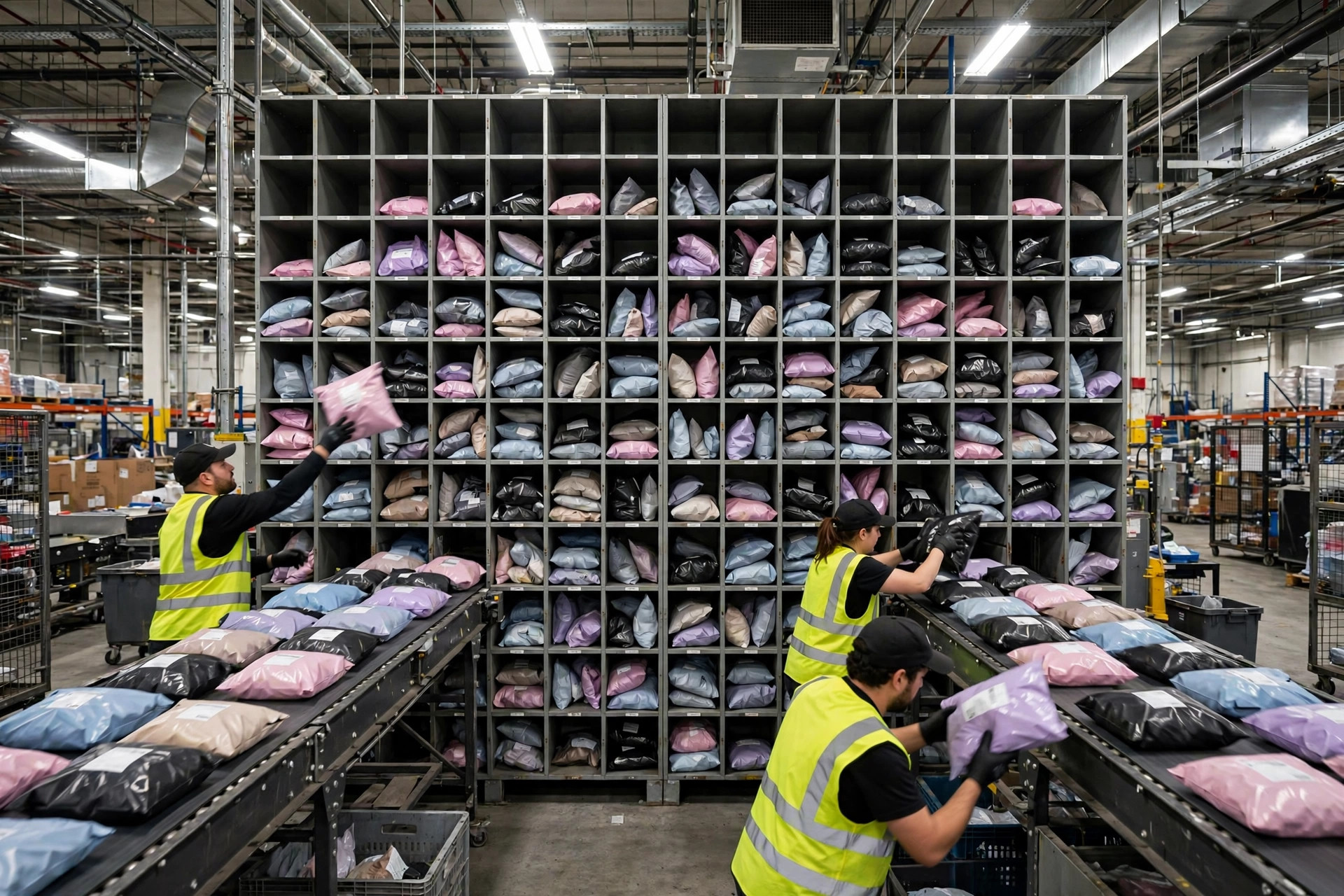
Under self-fulfillment, transit time is everything. SHEIN shoppers are conditioned to "ordered, arrived in days." Miss the SLA and you get downranked at best, fined at worst. Our answer: a dedicated SHEIN-only operation out of a City of Industry warehouse — pick, pack, and label on one line, with a 4pm daily cutoff. Everything before cutoff ships same day.
Label and carrier choices need thought too. Platform-integrated carriers have the rate advantage, but keep a backup — we ran the recommended carrier as primary and kept a local courier on standby at higher cost so peak season never stopped us. Budget at least a week to shake down the label printing and pickup handoff the first time. Don't expect day one to run smooth.
Returns are the line item apparel sellers must model before they start. Women's return rates run structurally high, and SHEIN's return policy leans consumer-friendly, so a US returns address is non-negotiable. Our flow: returns land at the City of Industry warehouse and get triaged into three grades — like-new goes back to the shelf, lightly flawed goes to markdown, visibly worn gets written off. Hit 60%-plus back-to-shelf and the returns model works. Who pays return shipping and when the platform covers it — read the latest rules line by line before you sign.
The real math: put return losses in before you decide
Most sellers model commission plus freight and stop there. That's wrong. The full cost stack for SHEIN third-party = platform commission + payment fees + US warehousing and fulfillment + reverse-logistics cost + return write-offs. I won't quote commission numbers — check the official site, they've changed multiple times.
The killer is return write-offs. At a 30% return rate with 40% of returns unsellable, 12 of every 100 orders are straight inventory losses. Put that in: if margin still clears 15%, the business works; if you're left with a few points, walk away now — fast-fashion tempo will grind your operations team into dust.
There's a hidden cost too: inventory bets. SHEIN's hit logic is "small batch, fast reorder," but third-party sellers start with zero data and have to guess. 200 units per SKU or 2,000? It tests how well you read this platform's audience. My friend's approach: 50 SKUs to test the water, 300 units each, two weeks of conversion data, instant reorders on winners, clearance on duds. That discipline saved him from the first big overstock.
Picking a 3PL
Lease your own space or use a 3PL — that's most sellers' first fork. My take: under 5,000 orders a month, use a 3PL, don't lease. Your own warehouse burns fixed costs monthly — rent, labor, systems — and SHEIN volume swings hard enough to bleed you dry in the slow months. A 3PL charges per order: pricier per unit, but flexible.
Judge a 3PL on three things. One: have they done SHEIN or comparable fast-fashion platforms? Label rules, cutoff times, and return flows differ by platform — an experienced 3PL runs clean on day one, an inexperienced one practices on your orders. Two: returns QC capability. Secondary saleability of apparel returns is where the profit hides — ask directly whether they have a dedicated QC area and grading standards. Three: systems integration. Do orders push automatically, is inventory real-time, can you track return status online? It's 2026 — a 3PL still reconciling in Excel gets an instant pass.
Get the fee structure itemized: inbound receiving, storage (per pallet or per unit), pick and pack, returns processing — line by line. Some 3PLs quote an "all-in" rate that sounds simple until peak-season surcharges arrive. Itemized quotes keep both seasons honest.
Don't let compliance kill the account
Last and most lethal: account safety. SHEIN's third-party compliance bar has been rising for two years. Don't touch these red lines.
One: product mismatch. Photos versus reality with a visible gap brings bad reviews and returns together; three serious violations and the account is in danger. QC before shipping — I said it earlier, saying it again: one extra check before dispatch is ten times cheaper than cleaning up after.
Two: fake orders and fake reviews. Don't. Don't even think about it. The platform's risk models are sharper than you think — one store tied to a review farm can take down the whole entity.
Three: intellectual property. Apparel is the easiest category to step in it — prints, graphics, almost-collabs, anything borderline stays off. The US runs on case law; one copyright complaint means a frozen account and held funds, with appeals measured in months.
Four: taxes. US state sales-tax rules differ, and hitting economic nexus thresholds triggers filing obligations. Shipping from a 3PL generally creates nexus in the inventory state — get an accountant to map it before the tax authority maps it for you.
The account is your biggest asset on the platform — everything before this, onboarding, inventory, operations, is built on top of it. Compliance feels like a cost on normal days. The day something goes wrong, you learn it's insurance.
Three lines for sellers thinking about getting on: put QC before shipment — bad reviews in the first three months are fatal for a new store, and one extra check is the cheapest money you'll spend. Don't put all eggs in one basket — SHEIN traffic ramps fast and the rules change fast; treat it as an incremental channel, not your only one. And find someone who knows US warehousing — platform rules can be learned on the fly, but cutoff times, returns triage, and inventory rhythm are paid for in cash. Two months of potholes, written up here, so you step in none of them.