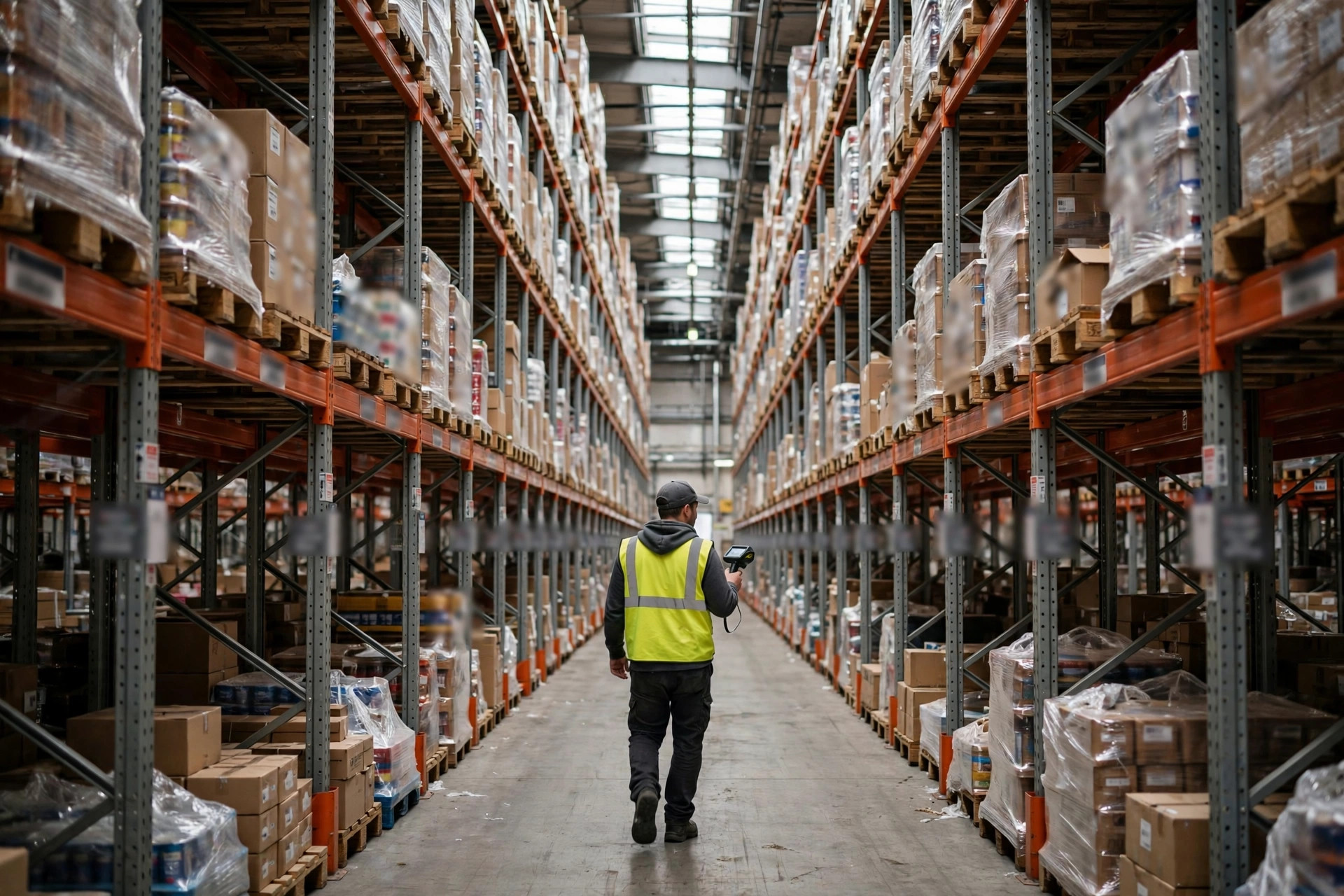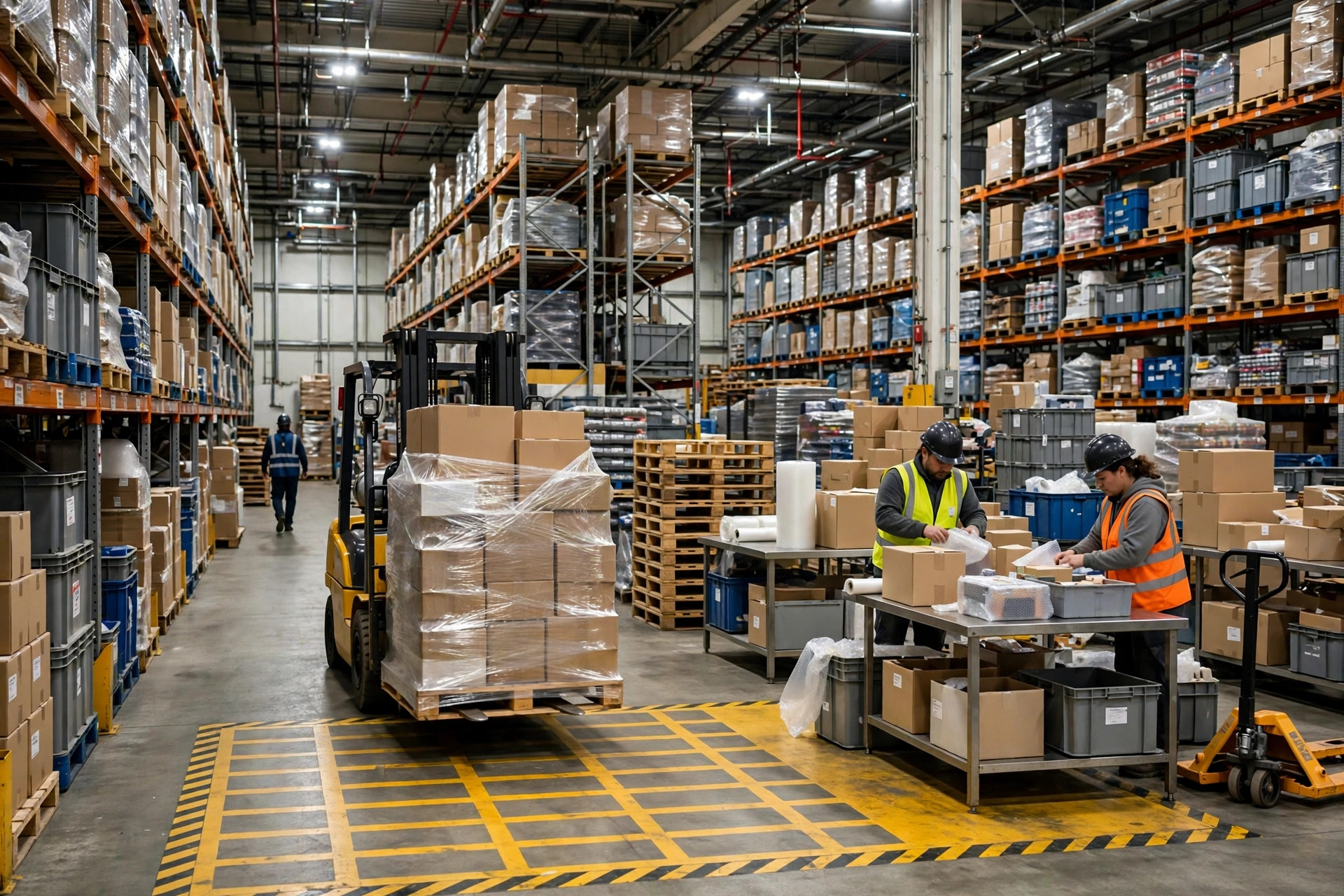
Six-thirty on the morning of September 14th last year, I was standing at the mouth of aisle C, watching Xiao Zhang push his pick cart all the way to the back of the building, trip after trip. Same SKU every time — a string of Christmas lights. Black Friday was still two months out, and the thing was already moving two or three hundred units a day.
I said, Zhang, doesn't that walk wear you out? He said, boss, of course it does. But that's where the slot is. We slotted it back in summer, when it sold ten units a day.
Honestly, that gave me a chill. Because it wasn't one SKU. I had our planner pull the numbers — of the forty-odd SKUs that went crazy last October through December, half were still sitting in the deepest corners of the building. And the golden pick zone, right next to packing, was full of pool toys and grill sets nobody had touched since July.
Listen — half the battle of peak season is fought over slot locations.
How the problem creeps up on you
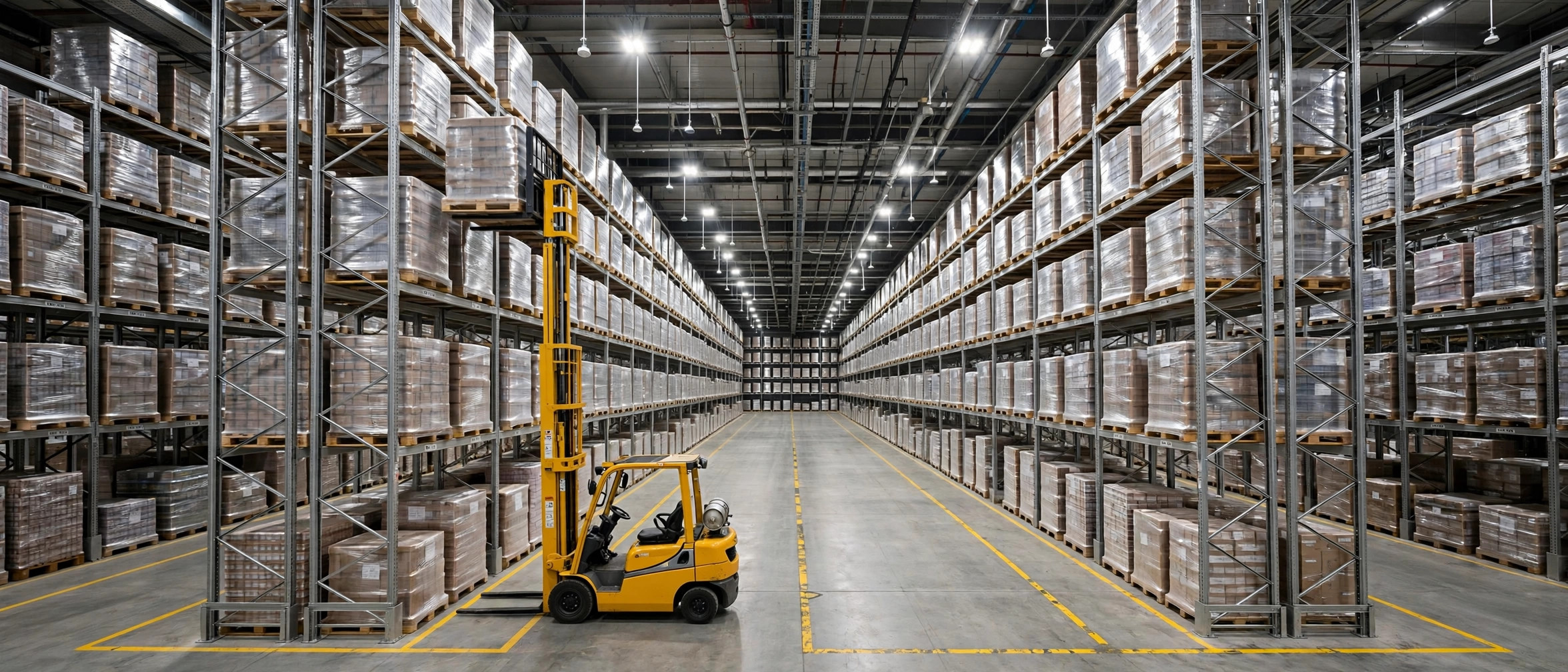
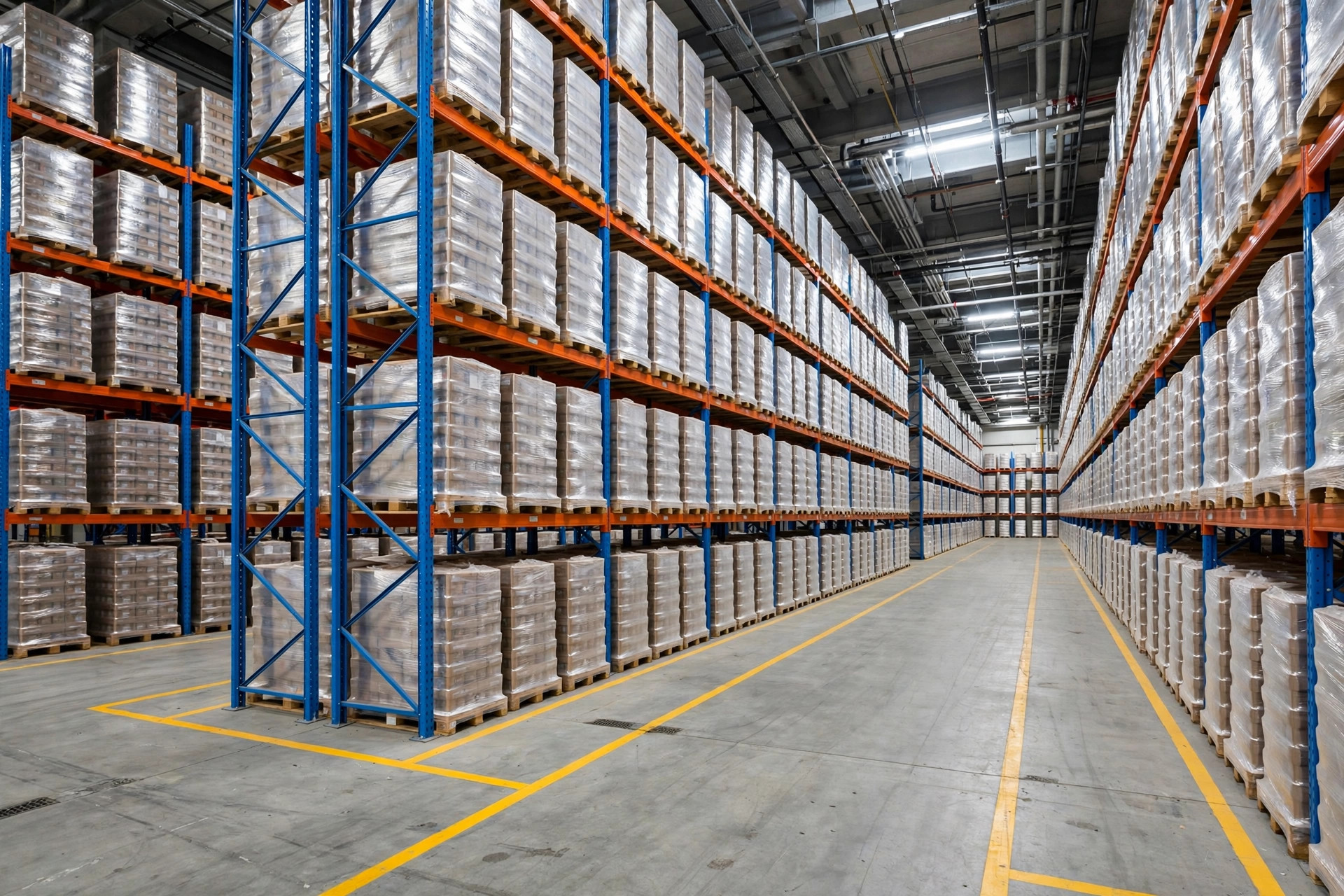
Our building isn't small — well over a hundred thousand square feet, several thousand SKUs. And slot locations are like concrete: once they're set, nobody wants to touch them. Every move means cycle counts, system updates, new labels. So the default state is: wherever a SKU landed when it first came in, that's where it stays.
That's fine in normal times. But seasonal categories swing hard. What flies in summer is dead stock in winter; what blows up in winter barely moves in summer. Slots don't move, so people walk. During peak we're doing twenty, thirty thousand orders a day. One picker walking an extra two or three kilometers a day, times dozens of pickers — overtime stacks up fast, and so do mispicks. Tired people grab the wrong box.
We paid for this lesson two peak seasons ago. One week we worked till midnight every single night, and when we dug into it afterward, the "extra walking" alone was burning well over a hundred labor-hours a day across the building. That money was just set on fire. Worse — when we looked at the data after the season, two of the three best-selling SKUs that December had spent the entire month in the zone farthest from packing. We'd spent a whole peak season's labor paying for slots somebody set when they were in a hurry.
And there's something worse than the money: morale. Mid-December that year, a few of my veterans pulled me aside and said the walking was killing them, the pay wasn't keeping up, and they were fed up. One forklift driver who's been with me four years, Old Zhou, told me straight: "Boss, if we do it like this again next year, I'm seriously thinking about hanging it up." That hurt more than the money.
How we figured it out (by getting it wrong first)
The first year we decided to relocate, we did it like amateurs — grabbed last year's peak-season ranking and moved everything at once. Way too early. By early September all the Christmas stuff was hogging the golden zone, and then fall apparel popped in late September with nowhere good to go. More running around.
Year two, we wised up and split it into three waves. Wave one, thirty days before peak: only the evergreen hitters — SKUs that sell every single year, the ones you'd bet your bonus on. Get them positioned first. Wave two, fifteen days out: layer in this year's breakouts based on presales and replenishment data. Wave three, the week before the big promo: final tweaks only, and only for SKUs the data has already confirmed.
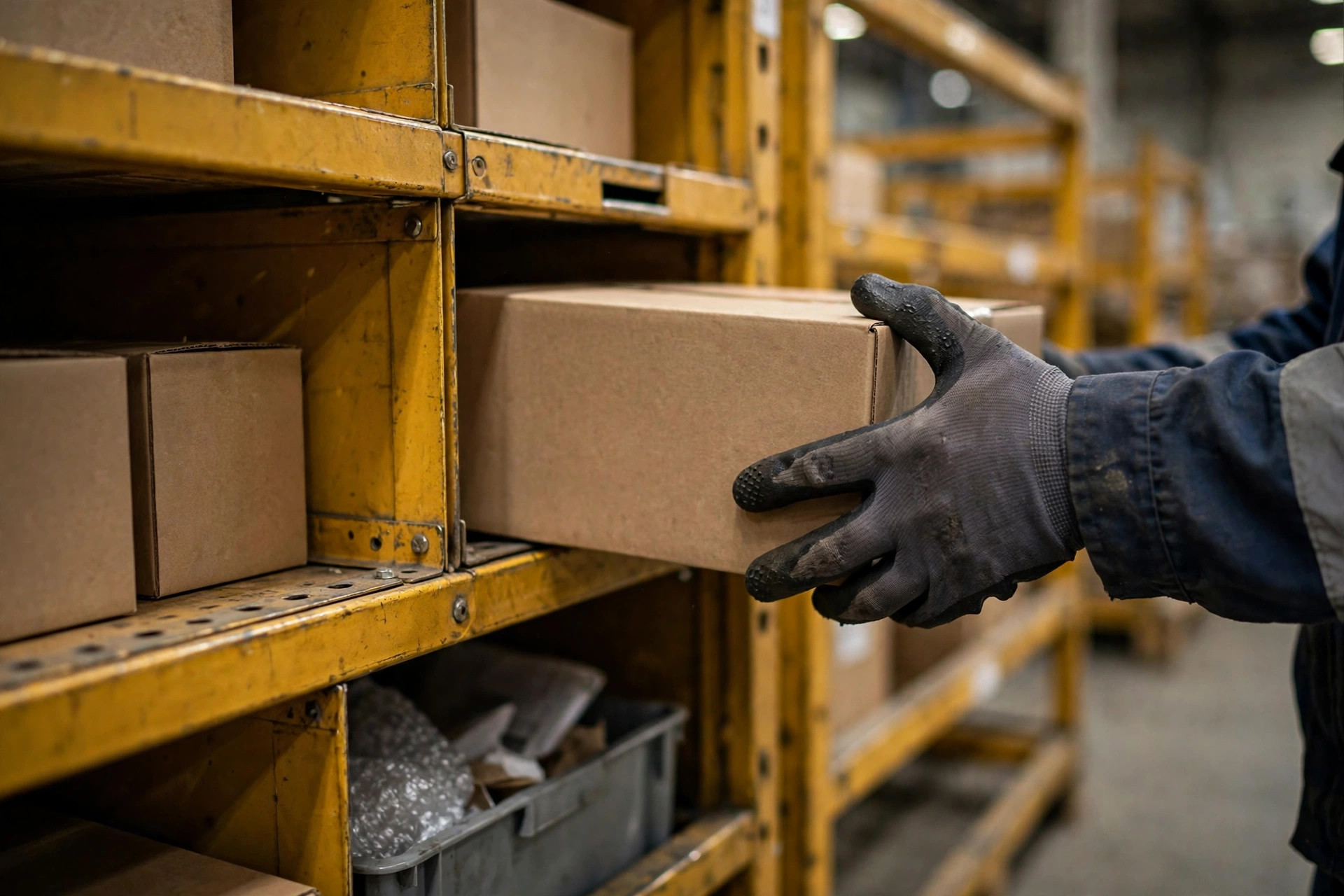
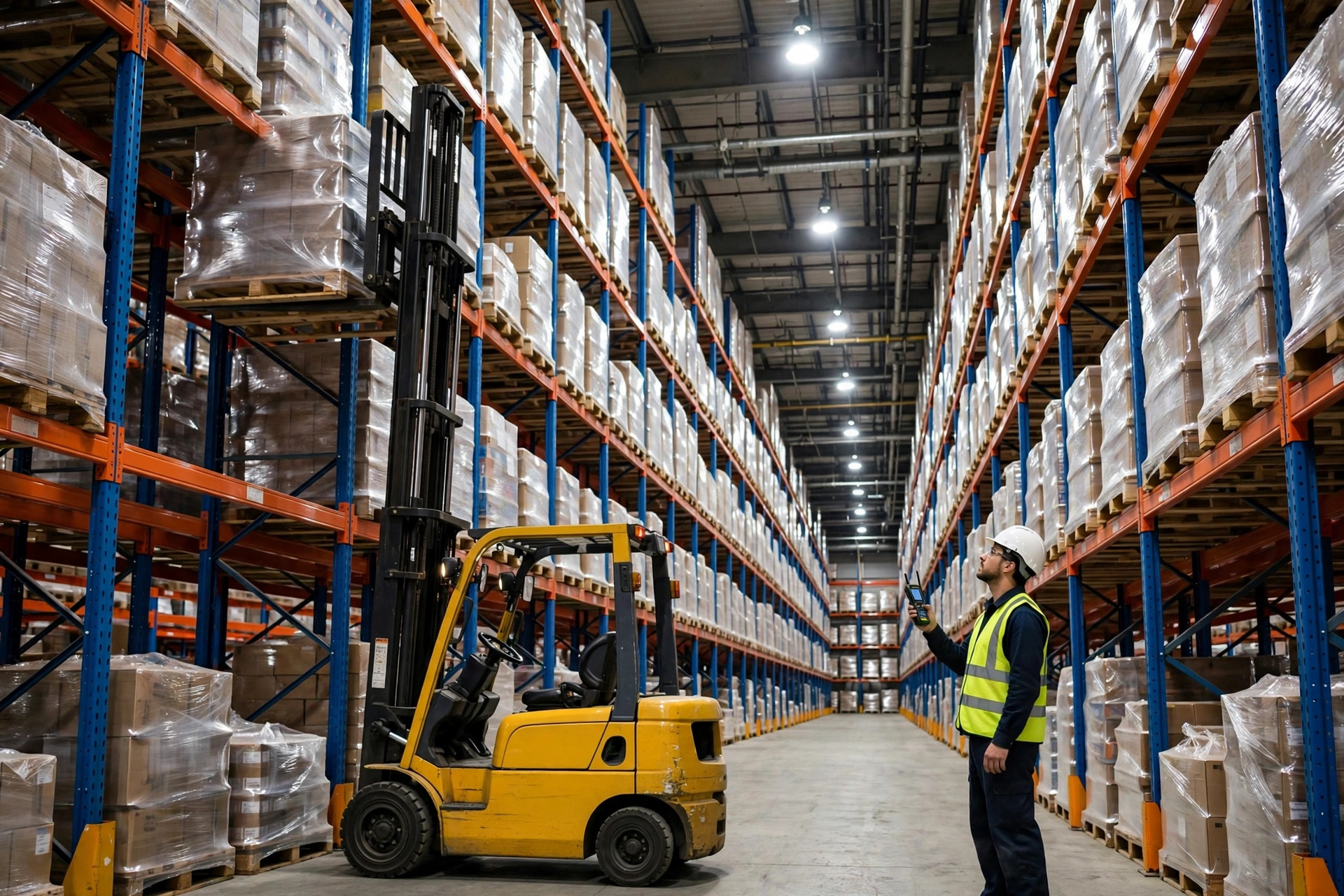
One more lesson: when you do the moving. Night shift only — don't even think about days. Days are for picking. Move pallets during the day and forklifts and pickers fight over the same aisles — everybody loses, and sooner or later somebody gets hurt. Our rule now: all moves at night, white-collar shift runs normally, and by morning handoff the new slots are live and the system is updated. The veterans walk the new hires through the new slots, and one morning shift is all it takes. My night-shift forklift crew are guys who've been with me for years — they know which aisle is empty at what hour with their eyes closed.
The relocation nights double as training, by the way. Every year we bring in a batch of temps before peak, and the hardest part is getting them to learn the slots. During those move nights, I pair each veteran with one or two newbies — move and learn at the same time. Why does this SKU live here, how many units a day does it move in peak — one night of that beats three days of reading a training manual.
Let's do the math
People ask me — doesn't relocating cost money too? Sure it does. And here's the counterintuitive part:
More relocating isn't better. Relocating is a cost.
Here's our building's math (order of magnitude — your numbers will differ, but the formula works anywhere):
| Item | Moving about 200 pallet positions |
|---|---|
| Forklift hours | about 40–50 hours (roughly 12–15 min per pallet, find and place) |
| Night-shift premium | Priced at night rates |
| Recount verification | One full shift to recount everything moved |
| Total | About 6–8 people for one night shift |
Sounds like a lot? Now the other side — the cost of not moving. Sixty days of peak. One hot SKU gets a hundred extra picks a day, each pick forty seconds longer — that's 4,000 seconds, over an hour a day. Forty SKUs like that, and you're burning forty-plus labor hours a day, twenty-four hundred plus over the season. And that's before mispick returns and customer complaints.
So the verdict's clear: one night shift of moving before peak buys back dozens of labor-hours every single day of the season. Worth it.
But flip it around — don't go moving things around in normal times either. Every move shakes up inventory accuracy, and a bad move is worse than no move. Our rule: outside peak season, a SKU's slot doesn't change unless its volume has doubled for two straight months. I know folks who relocate four or five times a year chasing the "perfect" slot layout, and their cycle-count variances just keep growing. Then peak hits, the system says one thing, the shelf says another, and pickers are standing there with an order in hand and no product in front of them. That's the real nightmare.
How we do it in our building now
The locked-in routine, four steps, kicks off every year in early September:
First, pull the data. Last year's October–December top 100 SKUs by units shipped, plus the thirty fastest growers from this August–September. That gives you the peak candidate list.
Second, walk the floor. I take two veterans and we physically check every candidate — where is it now, how far from packing, who's next to it. The system and the floor never fully agree. This step is non-negotiable. Veterans have an eye for it — they can look at a spot and tell you it'll jam up in peak. Last year during the walk-through, Old Zhou pointed at a corner in zone D and said: "Looks close on paper, but come promo week, three pickers squeeze in there and nobody's getting through." We moved that SKU's target slot to the next aisle on the spot — and sure enough, that corner jammed up every day during the promo. Good thing our hot SKU wasn't in there.
Third, three waves. Like I said — thirty days out, fifteen days out, the week before the promo. After every wave, recount before the night shift ends, update every slot in the system. No exceptions. Miss one, and you've got a SKU that "disappears" from the system for the whole peak.
Fourth, keep an escape hatch. The golden zone always keeps about ten percent flex space for whatever blows up mid-promo. Never fill it to the brim — fill it and you can't move. We learned that one from a blocked aisle. Second day of the promo one year, a SKU nobody saw coming exploded, there was no flex space, and we ended up staging product in the aisle. The fire lane nearly got blocked. Our safety guy's face went green.
One piece of advice for fellow ops folks: don't wait till late October to think about this. Pull last year's shipping data now, spend half a day building the list, and this year's peak gets a whole lot easier. Slots are invisible money — you don't see them until peak season turns them into real dollars.
By Chen Feng, Warehouse Operations Manager