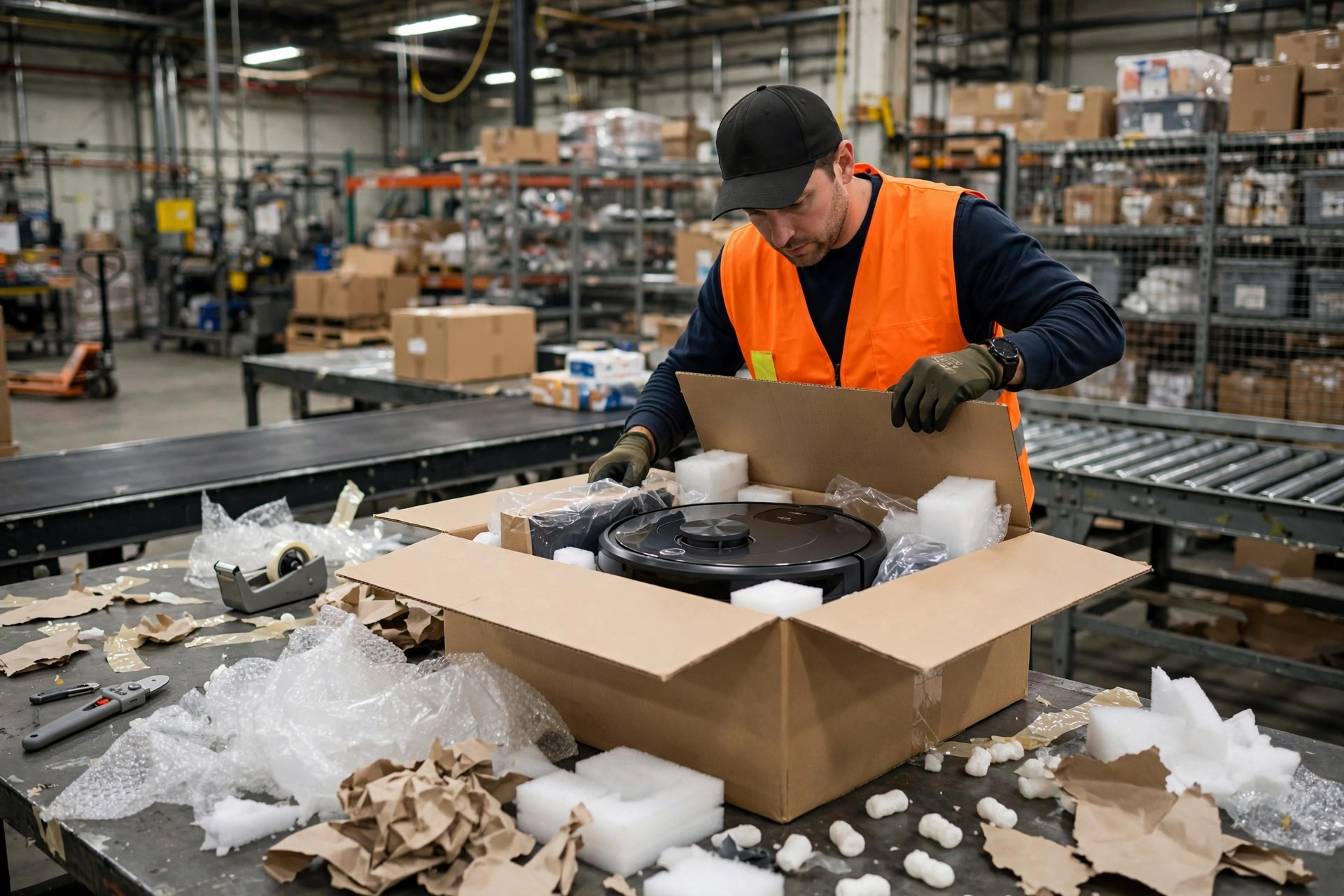
If you sell high-ticket electronics from a Shenzhen warehouse to buyers in Ohio, return fraud is not a cost of doing business. It is a second business running inside yours, and someone else is collecting the revenue. I have spent twenty years inside American warehouses, and I have watched the same three plays run against sellers who never saw them coming.
The three plays I see on repeat
The first is wardrobing: buy it, use it, send it back. Outdoor gear comes back smelling like a campfire. Premium headphones come back one day before the return window closes, ear pads worn smooth. The product is technically "unused" on paper and unsellable as new in reality.
The second is the empty box. Bricks, old clothes, newspaper where a robot vacuum should be. This one thrives wherever nobody weighs the return on the way in. If your receiving process skips the scale, an empty box walks through it like it owns the place.
The third is the quietest and the most expensive: the swap. The buyer owns an older unit of the same model, orders a new one, and ships the old one back in the new packaging. Your inspector sees original packaging and a familiar-looking device. Only the serial number tells the truth, and most sellers never logged the outbound serial number in the first place.
All three target the same profile: high unit price, shippable size, strong brand recognition. Robot vacuums, drones, projectors, premium camping gear. If that describes your catalog, you are already on someone's list.
Watch for the pattern, not the single return
One suspicious return proves nothing. Five signals, taken together, are a different story. I tell sellers to flag orders that show two or more of these: a brand-new account buying high-ticket on day one; a return reason that gets edited more than once; an inbound parcel noticeably lighter than the outbound shipment; one delivery address tied to several different return accounts; returns clustering in the two weeks after a promotion ends.
Run these checks in your order system, not in someone's head. A simple report that surfaces accounts hitting two or more signals will catch the professionals before they finish their second order. Amateurs steal one unit. Professionals run a route.
And when the pattern confirms, resist the urge to confront the buyer in messages. Accusing a customer in writing is the fastest way to lose the dispute: platforms penalize aggressive seller behavior, and a professional fraudster will screenshot your message and play victim. Say nothing to the buyer. Build the file, file the appeal, let the evidence do the talking. Your anger is not evidence. Your scale log is.
What most sellers get wrong
Three mistakes show up everywhere. First, treating returns as a cost center staffed by whoever is free. The returns dock is where your fraud losses are decided; it deserves your most detail-oriented person, not whoever finished picking early.
Second, skipping the video "to save time" on busy days. The one return you skip filming will be the one that goes to dispute. Fraudsters can sense process gaps the way sharks sense blood; inconsistency is an invitation.
Third, appealing without exhibits. A ticket that says "the buyer stole the product" with no attachments gets the same treatment as no ticket at all. The agent cannot forward feelings to a risk team. Weigh, photograph, film, log the serial, then write the one-page timeline. That order never changes.
The receiving SOP that ends arguments
Fraud prevention comes down to one principle: every return must leave behind evidence that a neutral third party cannot poke holes in. Without that, your appeal is a story. With it, your appeal is a file.
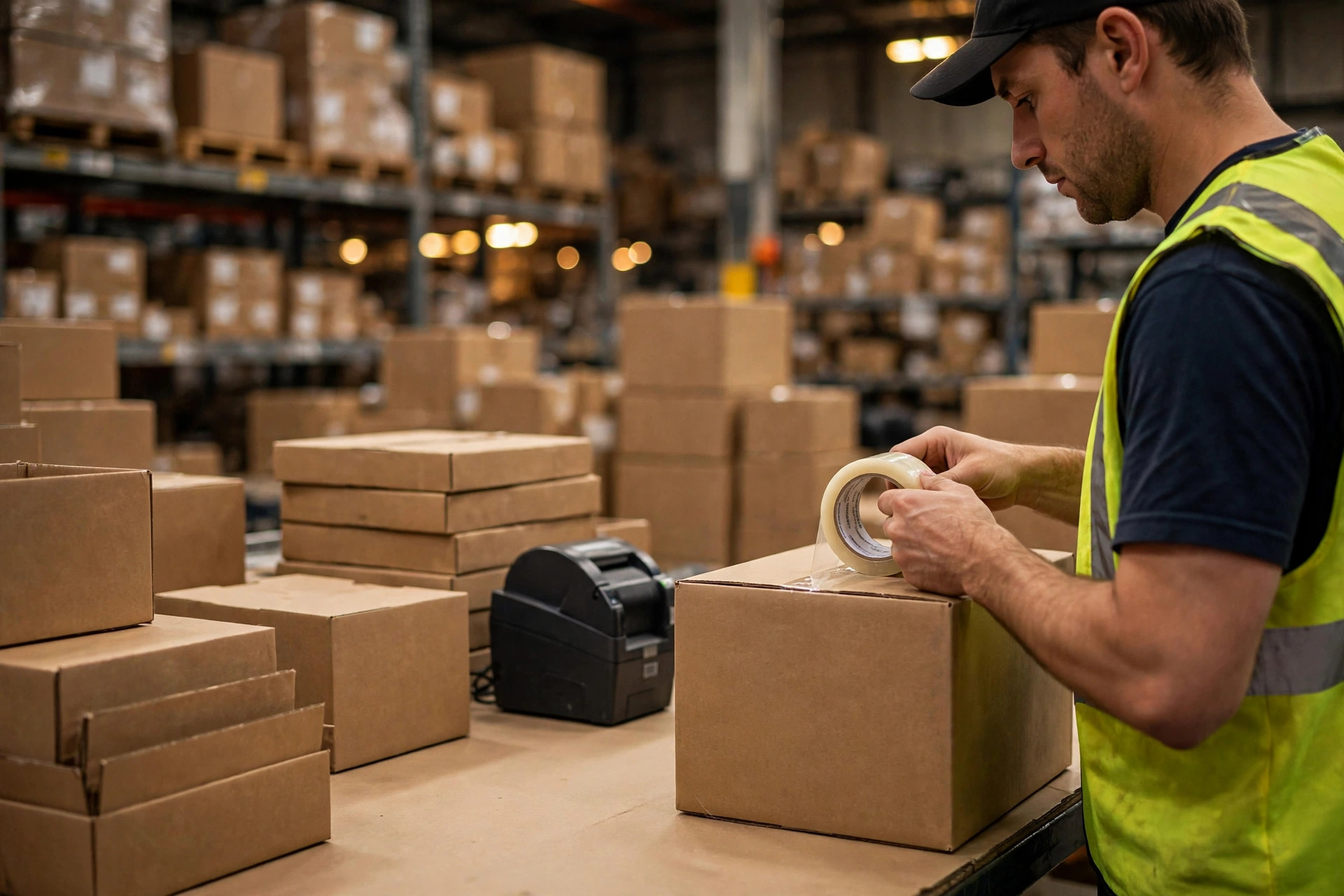
My returns dock runs four steps, no exceptions. First, weigh the parcel and log it against the outbound weight. A mismatch goes straight to open-box inspection, no debate. A fifty-dollar scale stops most empty-box fraud cold.
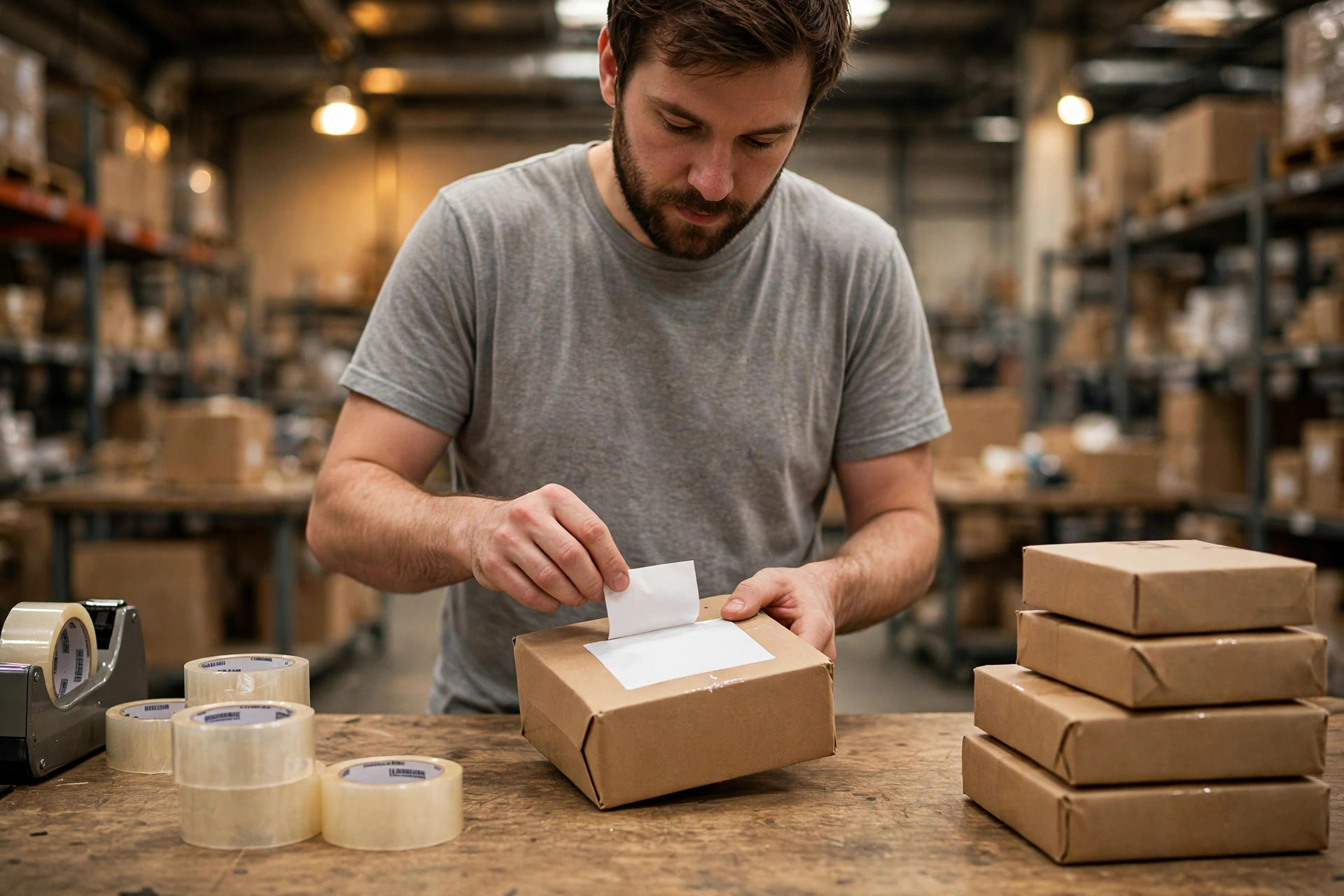
Second, photograph all six sides of the carton, seals first. Swapped returns almost always betray themselves at the seal: disturbed factory tape, a second layer of packing tape, a reseal line.
Third, unbox on video. One continuous shot, from first cut to the item and the order paperwork in the same frame. File it by order number and keep it past the end of the return window. High-ticket categories do not get to skip this.
Fourth, match the serial number against the outbound scan log. This is the swap-killer. And it only works if you scanned serials at pack-out, which is where most sellers fail. No outbound serial log, no proof of a swap. The fraudsters know this. That is why they feel safe.
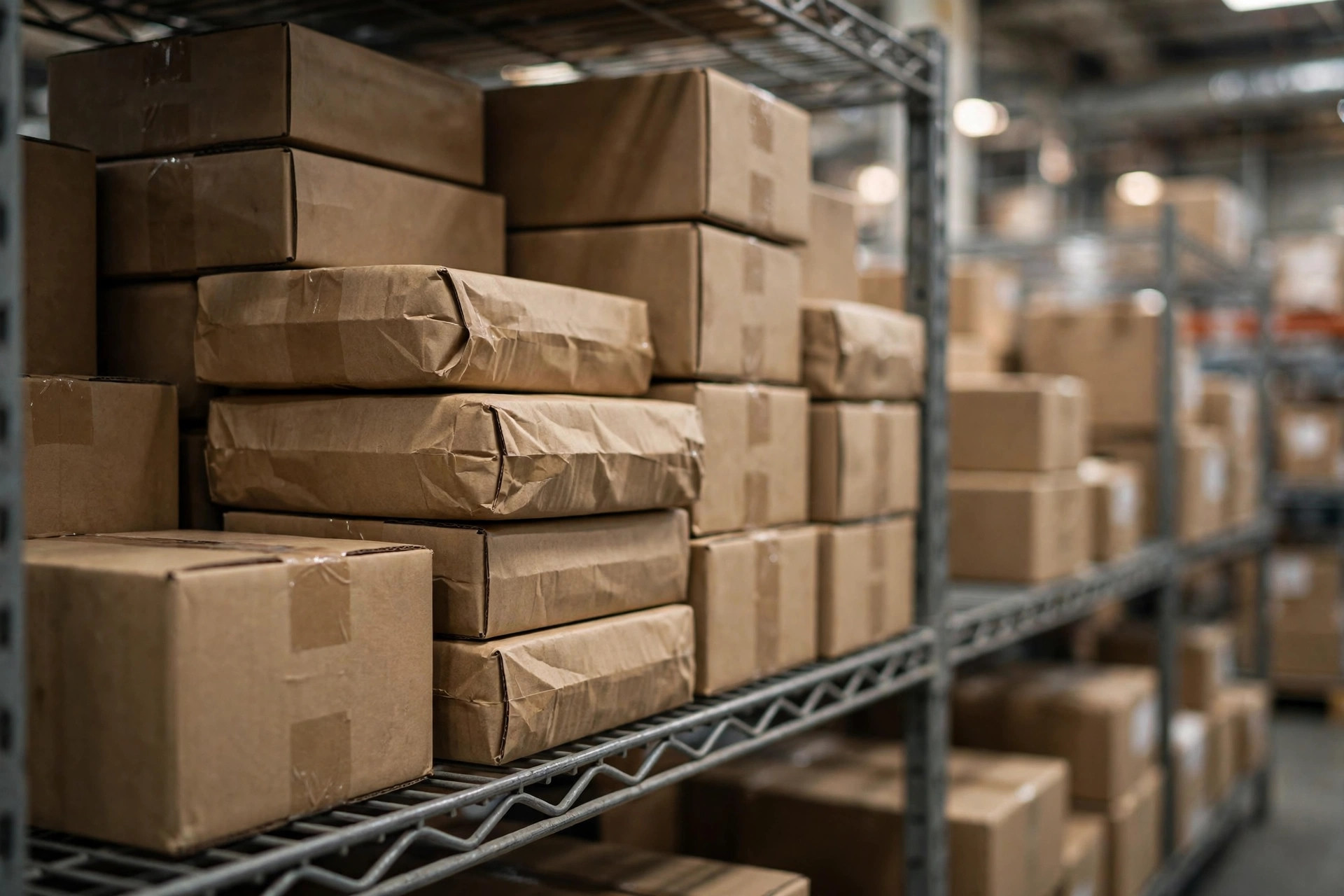
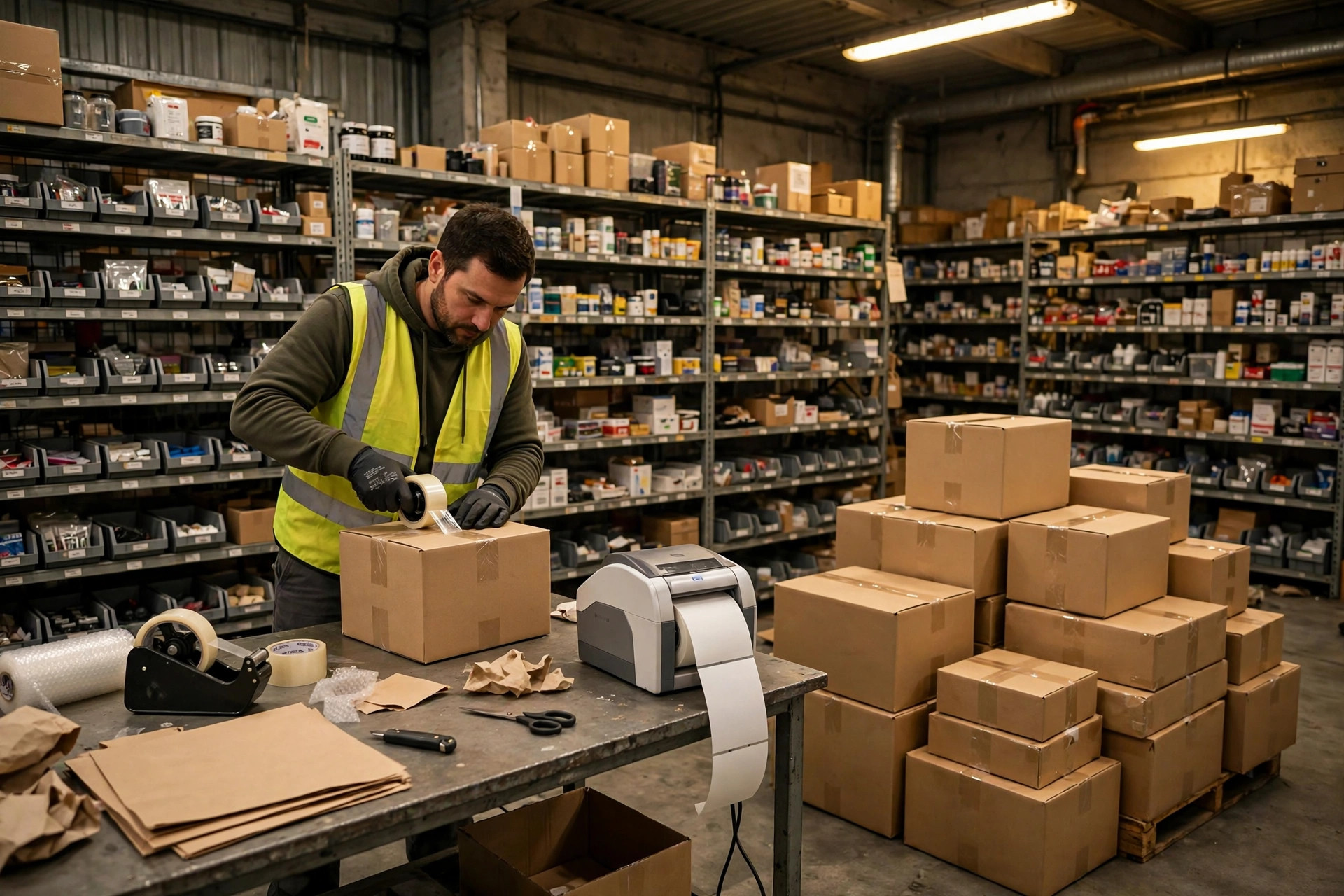
None of this starts at the returns dock, by the way. The evidence chain starts at pack-out: weigh and photograph every high-ticket outbound shipment, log the serial, use tamper-evident seals, snap a photo of the unit before it goes in the box. Ten extra seconds at pack-out becomes your entire case file later. Evidence you never created cannot be recovered.
Write appeals like an investigator, not a victim
Support agents process hundreds of tickets a day. A three-paragraph story about how hard small sellers have it gets skimmed and closed. Give them a timeline with exhibit numbers instead. Something like this (figures shown as format examples): order number, outbound weight on one date, inbound weight on another, the delta; the unboxing video, exhibit one, showing bricks inside at the forty-second mark; the serial log, exhibit two, showing the outbound serial number absent from the returned parcel. Request: reverse the refund as return fraud.
No emotion, no adjectives, nothing but verifiable facts. That is what an agent can forward to a risk team. That is the whole game.
One more thing, and it matters by fulfillment model. If you use FBA, your returns never touch your hands, so your appeals start at a disadvantage. Put your entire prevention budget into pack-out: tamper seals, serial logs, pre-shipment photos. Amazon's return inspection will not save you; your evidence has to be manufactured before the box leaves. If you self-fulfill from a US warehouse, you hold the strongest hand: the full four-step SOP under your own roof and the most complete evidence chain, which is also why your appeal win rate should be the highest. If you use an overseas 3PL warehouse, your SOP is only as good as your contract. Write the weighing, photography, video, and serial steps into the service agreement, priced per order if needed. A verbal "please handle returns carefully" is worth nothing when a dispute starts.
So here is the question I leave sellers with. Of your last twenty returns, how many did you weigh? If the answer is none, you do not have a fraud problem yet. You have a visibility problem, and fraud is already inside it. Buy the scale today. It is the cheapest employee you will ever hire.