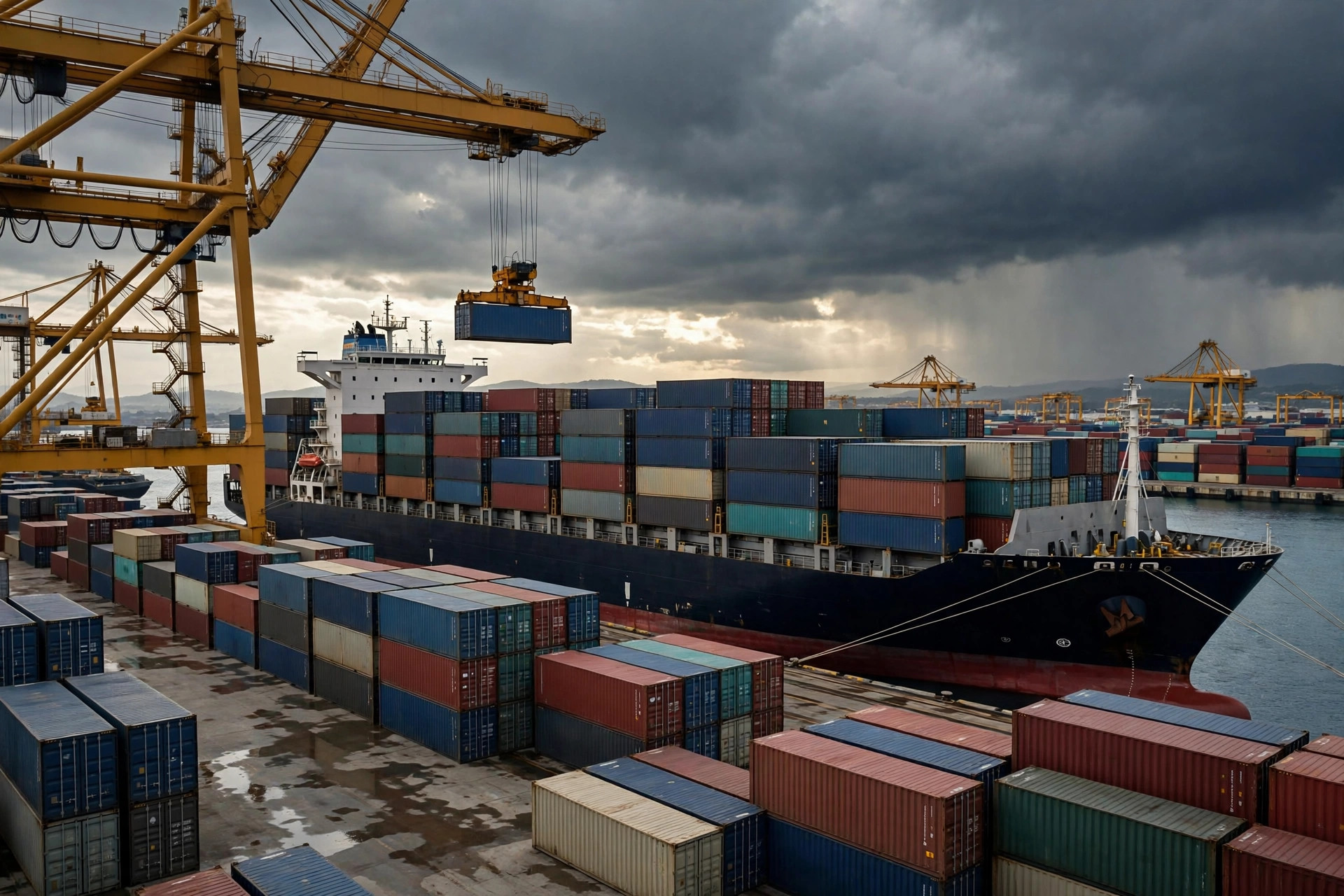
We have a client — a small-appliance maker in Zhejiang — that shipped a 40-foot container to Rotterdam in the fall of 2024. The goods arrived, the overseas buyer inspected them, found a batch of motors running louder than spec, and rejected the whole lot. The client called me in a panic: "Susan, do we ship it back, or deal with it locally?"
I get asked this question two or three times a month. So today I'm laying out the re-export path end to end — the process, the documents, the timeline, the money, and who does what between you, the forwarder, and the broker.
Re-Export vs. Resale vs. Destruction: Do the Math First
First, how that Zhejiang client decided. The rejected goods were worth something in the low six figures. Shipping a 40-footer back from Rotterdam to Ningbo ran a few thousand dollars at market rates — but that's not how you do this math. The destination port had already racked up two weeks of storage and exam-related charges. Bringing the goods back meant a full import declaration in China — re-imported goods go through the same import process as any other shipment — plus rework back at the plant, and 45 to 60 days door to door while the production line waited on those motors. When we ran the numbers, re-exporting would cost roughly thirty percent of the goods' value; finding a local distributor to take the lot at a discount meant losing about twenty percent, with cash back in two weeks. They chose the discount sale.
Neither path is right or wrong in the abstract. It's purely which one loses less and pays back faster. Here's the honest comparison:
The re-export path breaks down like this. Cost items: destination-port storage and exam fees (they burn daily — the longer you hesitate, the worse it gets), return ocean freight, the China-side import declaration (re-imported goods need the original export declaration, a return agreement or rejection certificate, proving "this is the same shipment that left"), plus domestic warehousing and rework. Timeline: wait for a sailing, thirty-something days on the water, China-side clearance — a month and a half to two months is normal. The upside: the goods are still yours, rework them and sell at full price, brand intact.
The local path has two flavors. Local destruction: hire a licensed destruction company, get a destruction certificate. The fee depends on volume and category — electronics with batteries are not cheap to destroy — and every step has to comply with local environmental rules. Or local resale: find a distributor or clearance channel. A discount is the norm; electronics typically go at fifty to seventy cents on the dollar. The upside is speed — cash back in two to three weeks. The downside is what brand owners fear most: cheap goods undercutting your normal channels.
Now the counter-example. A Shenzhen 3C-accessories client had a shipment rejected in Los Angeles in early 2025 — the buyer claimed the carton damage rate was over the limit. The goods were only worth tens of thousands of dollars, but the owner couldn't let go and insisted on shipping everything back to fix the packaging himself. It took three weeks at the destination port just to decide, burning nearly ten thousand dollars in storage, plus several thousand more in return freight. By the time the goods landed back in China, the total re-export cost was approaching half the goods' value — far worse than reselling locally at sixty cents on the dollar. He's learned his lesson: now he asks us for a "rejection contingency plan" before every shipment.
The Re-Export Process: Five Steps, Skip None
If you go the re-export route, here's the process in order. Skip one step and the whole thing can jam:
Step one: get the rejection in writing. The buyer's rejection letter, inspection reports, email threads — the more formal, the better. This is the foundation of the entire re-export logic: proving the goods are "being sent back," not a fresh import you're sneaking in.
Step two: sign a return agreement. A return or repair agreement with the overseas buyer, stating the reason, quantities, and how the money is handled. China-side customs wants this document, and your tax people may too.
Step three: book the return sailing and arrange pickup at the destination port. The forwarder books the vessel and handles trucking and export declaration at the destination (export declaration, marked as returned goods). Heads up: the export broker at the destination port and the import broker on the China side are two different parties — the documents have to match on both ends. Bill of lading, packing list, and invoice consistent with each other is the baseline.
Step four: the China-side import declaration. Your broker files the re-import declaration with the original export declaration, the return agreement, packing list, invoice, and bill of lading. Customs checks that the goods match the original export — product names, quantities, values. If they don't line up, the goods get held. Re-imported goods can qualify for duty exemption under the rules, but "can qualify" is not "automatic" — the documents have to be complete.
Step five: pick up, warehouse, rework, and sort out the tax aftermath. Once the goods are in your domestic warehouse, rework what needs reworking, and handle the export tax rebate side — if you already claimed the rebate, bringing goods back has tax implications. Talk to your finance and tax advisor early; don't try to wing it.
Let me also untangle the division of labor, so you know who to call when it happens. The forwarder handles "how the goods move" — booking, trucking, local operations at both ports. The broker handles "how the documents clear" — declarations at both ends, talking to customs. You handle "the evidence chain" — the rejection letter, the return agreement, the original export documents. Those three live with you; nobody can do that part for you. Most clients trip on step one: they had a shouting match with the buyer, the buyer said "we don't want it" verbally, and there's nothing in writing. The whole re-export process can't even start.
One more trap people don't see coming: time. Once a rejection happens, destination-port storage burns daily. My rule of thumb: write the inspection standards and rejection procedure into the contract before the goods even sail. When it actually happens, decide the direction — return, sell, or destroy — within 48 hours. Hesitate for a week and the storage fees alone can eat the entire difference between reselling and re-exporting.
Build the Exit Ramp Into the Contract: Three Clauses
Which brings me to the contract — the part we on the service-provider side most want you to hear. Seventy percent of re-export costs are locked in the day you sign the contract:
First, the trade terms. FOB versus CIF allocate responsibility completely differently in a rejection scenario — who pays freight, who buys insurance. Write it down clearly, or you'll be arguing about it later.
Second, the quality-dispute clause. What are the inspection standards, who inspects, how many days to notify a rejection. Without this clause, a buyer saying "the quality is bad" leaves you with no moves.
Third, pre-authorization for return or resale. Ideally the contract says: if the buyer rejects and doesn't act within X days, the seller may decide unilaterally to re-export, resell, or destroy, with costs borne by the responsible party. That one sentence is your license to act.
Alright — story told, mechanics explained. Time to close the way we in sales always close:
Next time you're negotiating a contract, remember to ask these three questions: one, are the rejection standards and notification timeline written in? Two, who holds the right to dispose of the goods after a rejection? Three, does the contract spell out the documents and costs for re-export? Get those three answered, and the next time a rejection lands, at least you won't panic.
By Susan, 3PL Sales Director