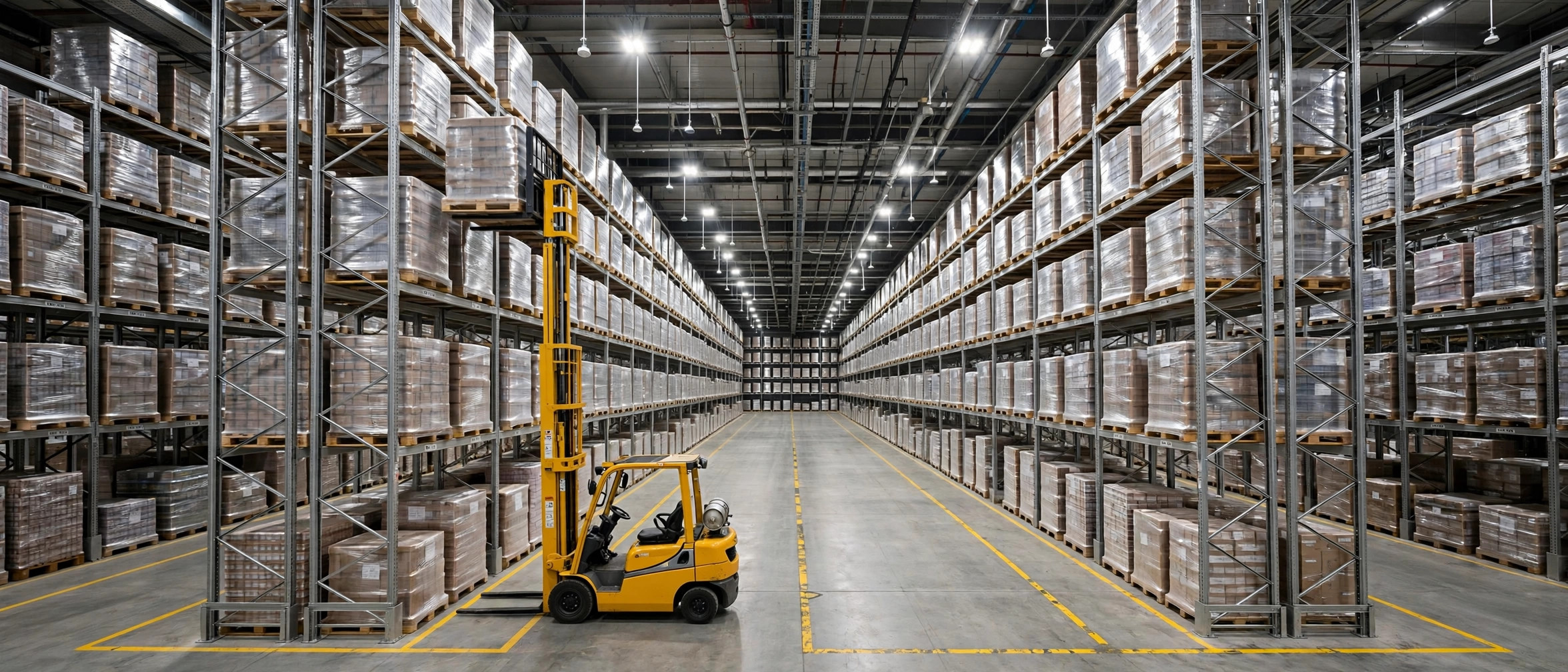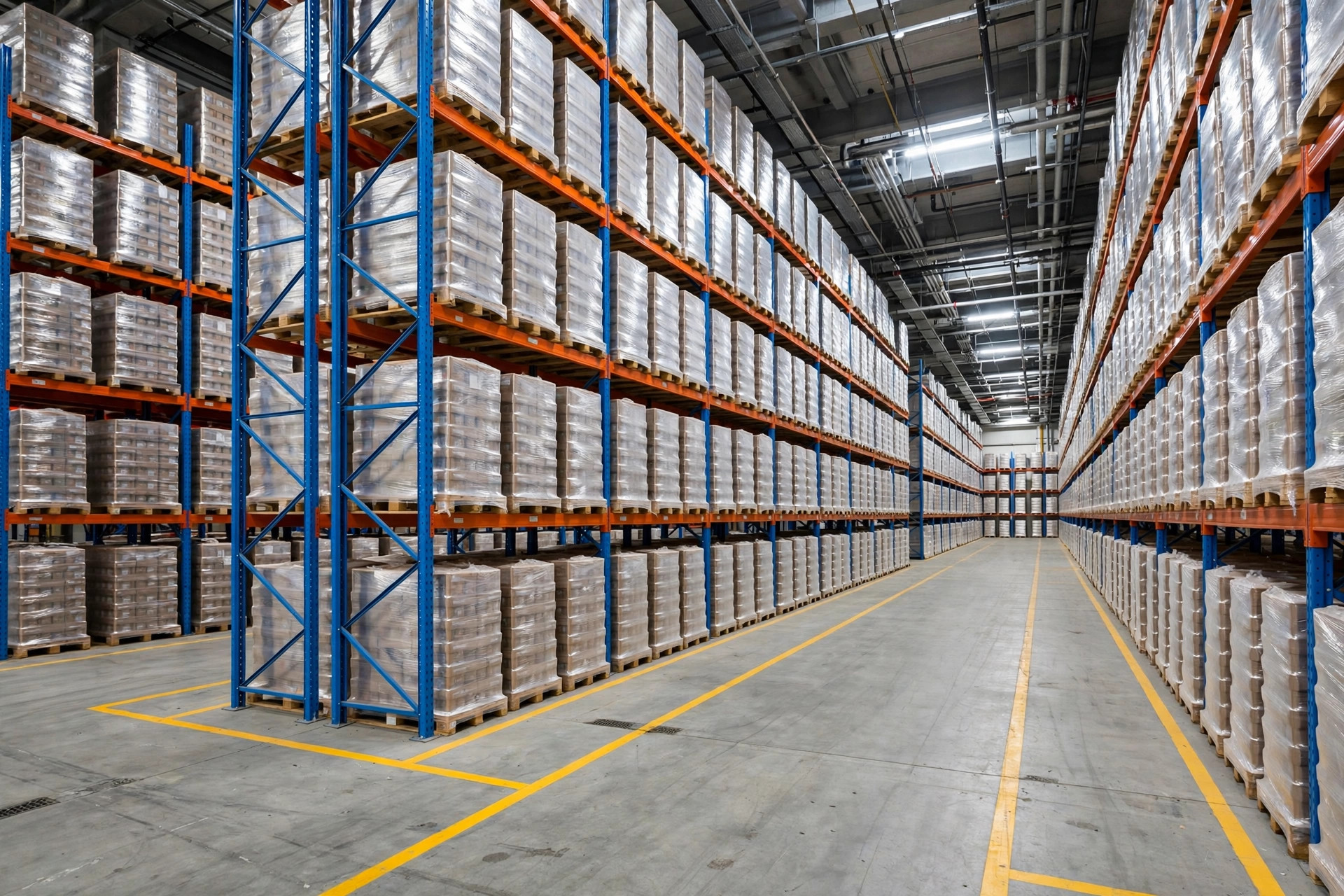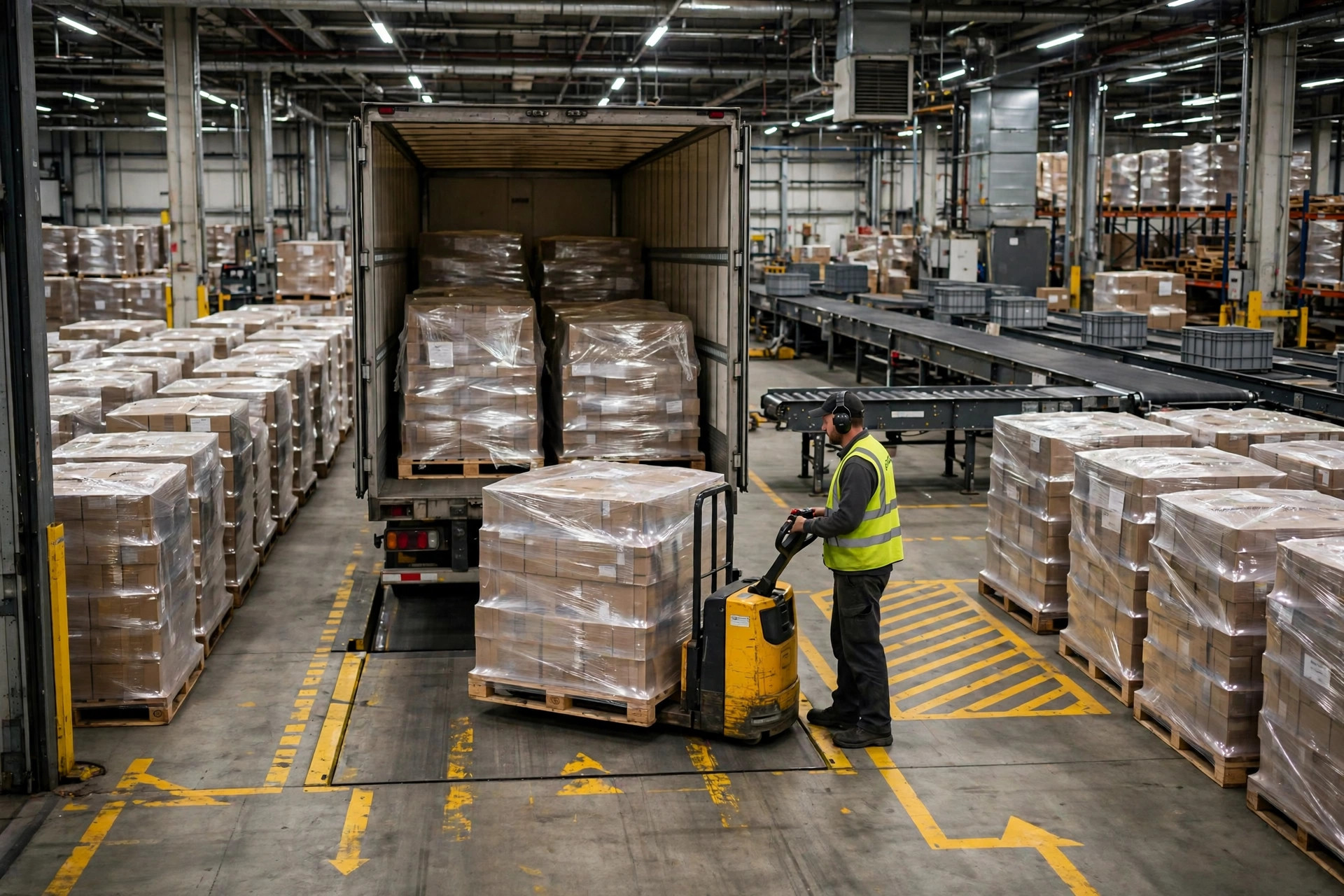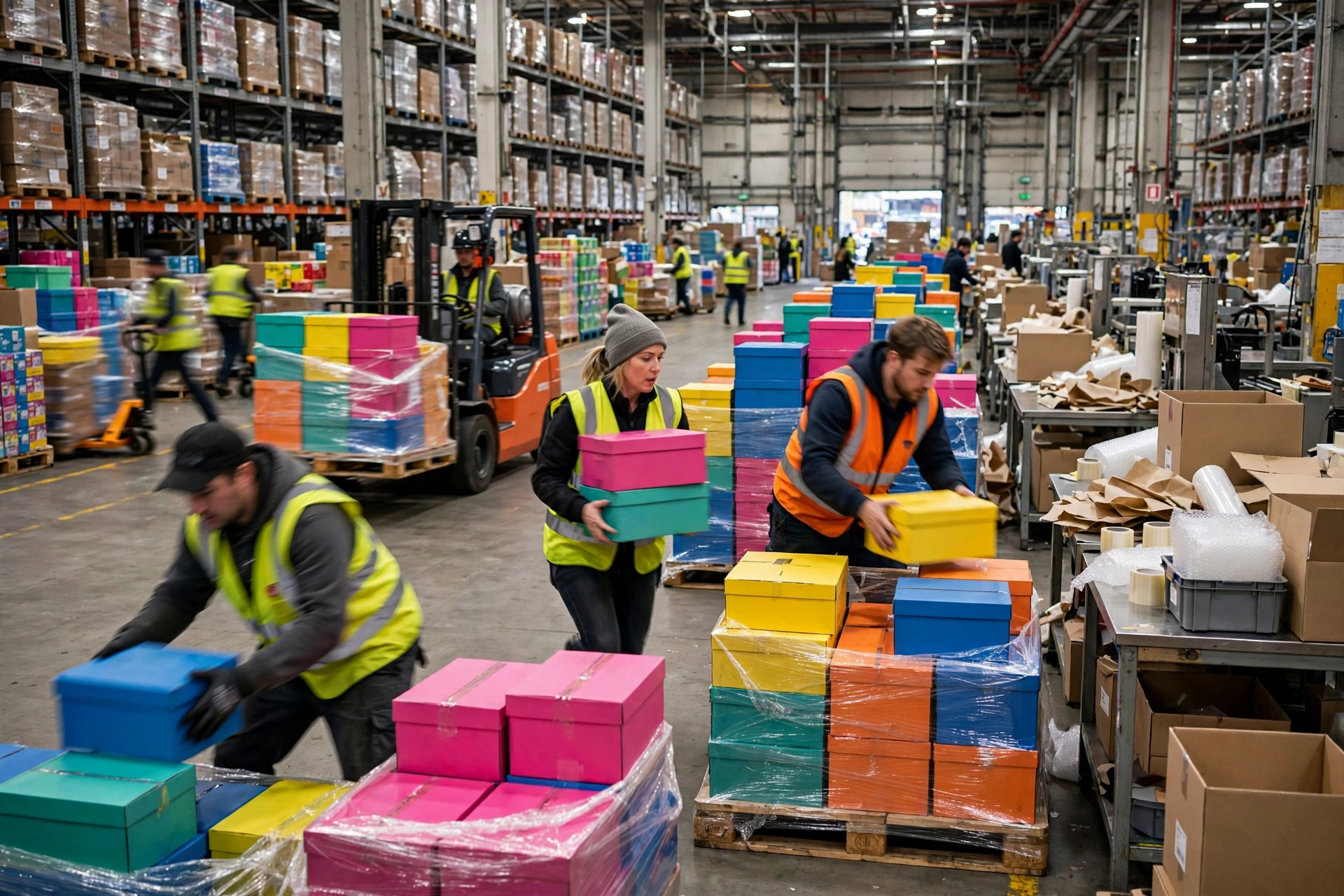
Two weeks before the big sale, I moved 300 promo SKUs into a forward flash zone. On Black Friday, pickers walked nearly 400 fewer meters per order on average, and the pack stations never queued once. The year before, without it, we threw six extra temp pickers into the aisles on the spike day and still jammed up like a parking lot.
The logic of flash slotting fits in one sentence: during the sale, slots stop following ABC classification and start following "what's about to explode." The most scientific layout on a normal day can be the dumbest layout on sale day.
Which 300 SKUs earn the move
Don't go by gut, and don't just listen to sales. My method is three-factor scoring: 40% last year's same-period sales, 40% this year's marketing calendar (hero deals, lightning sales, livestream picks), 20% margin. Top 300 by weighted score get into the flash zone. The marketing calendar has to be a written list from the e-commerce team — "we'll probably push it" said out loud doesn't count. I got burned on that once: ops said "maybe front page," we relocated 80 SKUs, and front page went to someone else.
Don't get greedy on quantity. Flash-zone capacity is a hard constraint; past 120% it chokes on itself. Three hundred was the number for our 120,000-square-foot building in Chino: 40 pallet positions freed up front, 7 to 8 SKUs mixed per position. Scale that ratio to your own footprint.
Where to put it, and how to run it
Three rules for location: within 30 meters of pack stations, at aisle ends up front, at golden waist height. During the sale, pickers are timed by the second — 10 extra meters times thousands of orders is tens of thousands of meters a day. Aisle ends are dead space on normal days and gold during the sale: push full pallets in, pick broken cases out, shortest possible travel.
Give the slots a temporary prefix — P- or similar — instantly distinguishable from regular locations. Build a virtual "flash zone" in the WMS and configure wave planning to assign flash SKUs to the pickers nearest the pack stations first. Half a day of configuration; don't leave it for the night before the sale.
Replenishment cadence is what makes or breaks the sale. SKUs that normally get topped up daily go to hourly patrol top-ups in the flash zone, with the night shift pre-filling for the next day. Flash zones spike fast and empty fast — 20 minutes empty and pickers start hunting across the building, giving back every meter you saved. Our setup: two people assigned to nothing but patrolling and refilling the flash zone during the event.
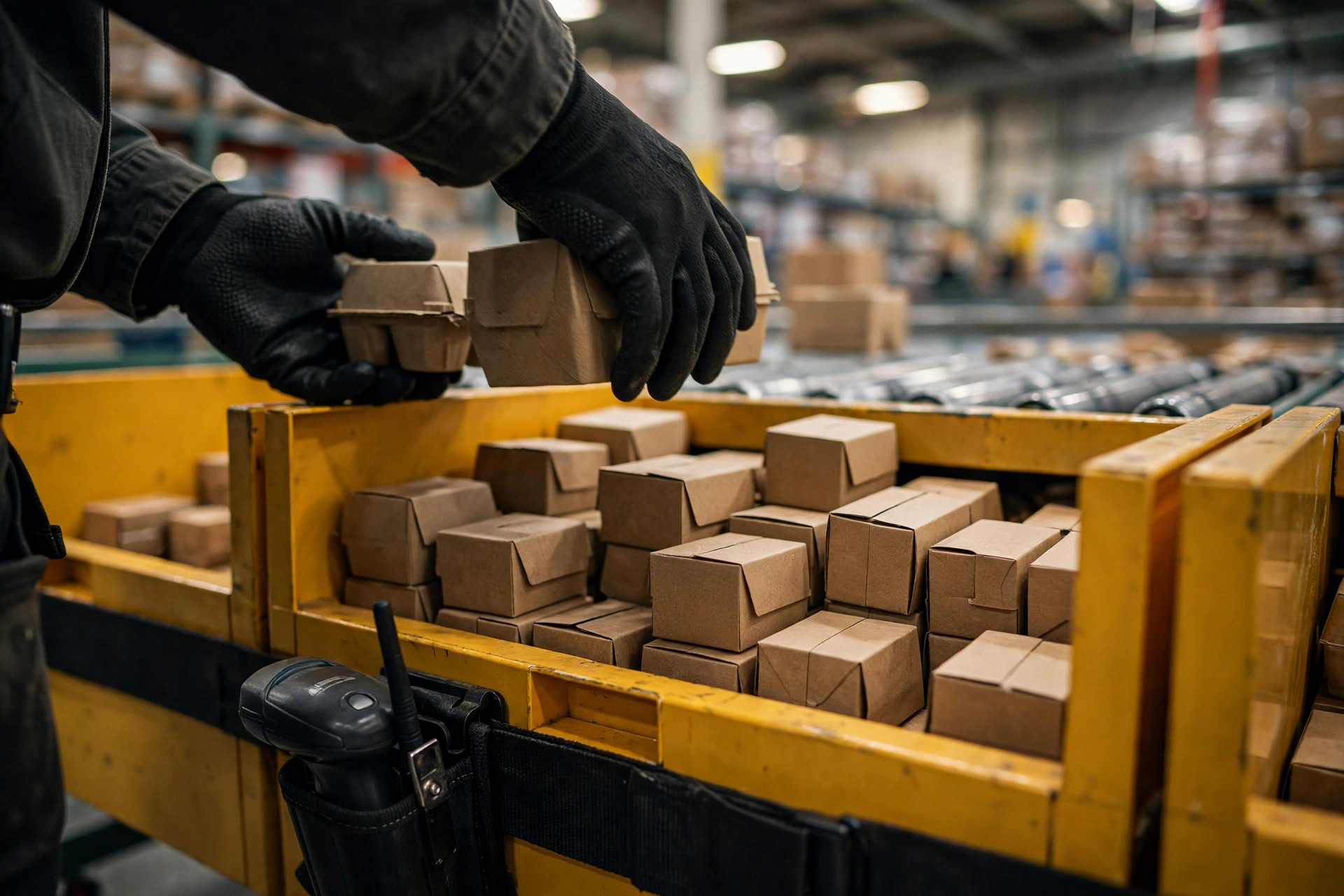
Tear-down matters as much as build-up. Within 48 hours after the sale, the flash zone must be reset: promo SKUs back to home slots, temporary codes decommissioned, the forward area returned to daily operations. Miss the window and the flash zone becomes a new source of chaos — the worst I saw was a "temporary" zone left for four months until nobody could say where anything belonged.
Two more traps. First, don't let flash SKUs fight regular A-movers for the same aisle — two peaks stacked in one aisle makes the aisle the bottleneck. Keep at least one aisle of separation. Second, stage returns separately. Sale returns come back 7 to 10 days later; don't let them flood straight into the flash zone. The flash zone is inbound-only until tear-down.
Running the war room on sale day
The zone is staged; sale day still needs a commander. My play: one "flash zone commander" who does nothing but patrol the forward area during the event. Short task list: check inventory waterlines on flash SKUs hourly and call replenishment before the safety line; watch for pickers detouring — anyone hunting outside the flash zone means the system misassigned, intervene manually; watch the conveyor feeding pack stations, because flash-zone velocity surfaces jams earlier than usual.
The role sounds like "not working," but every minute of stopped line on sale day is money. Our biggest year, one of six forward-area people was the commander and the other five picked at full speed — overall throughput ran higher than normal days, because nobody wasted time hunting or waiting.
Prep comms ahead of time. Give the commander a dedicated radio channel, separate from the daily one. On sale day the daily channel is all noise — "aisle 12 is out of stock" on repeat — and the commander needs a clean line. Sounds trivial; when the floor gets chaotic, the channel is the lifeline.
The debrief: three numbers decide next year
Don't scatter when the sale ends. Close out three numbers first:
One: flash hit rate. Of the 300 SKUs that made the zone, how many actually spiked? Under 60% means the selection logic is off — retune the three-factor weights next year. Maybe the marketing calendar was underweighted, maybe last year's data was distorted.
Two: picker throughput in the flash zone versus the building average. Whatever the delta is, that's the value the zone created. Convert it to "temp headcount we didn't hire" — that's the most persuasive slide when you ask for budget next year.
Three: tear-down time. From the last order shipped to the flash zone fully reset — how long? Over 48 hours means the reset process needs work: maybe temp codes took too long to decommission, maybe returns had nowhere to go.
Write those three numbers down and next year's flash starts on this year's shoulders. Too many warehouses run the big sale from zero every year because nobody debriefs. Slots are static; experience compounds — the debrief is how you keep it.
One hidden bonus: the flash zone is a cheap laboratory for layout experiments. Reconfiguring ABC zones mid-year feels too risky to touch live operations; the flash zone is temporary by design, so experiment freely. Which SKU types work best at aisle ends, whether top-ups should run hourly or every two hours, how to configure wave priority for flash — questions that take months to argue in normal times get answered in two sale weeks. One year's flash debrief directly created our permanent "promo reserve area" the next year — new arrivals and clearance, used year-round. Temporary layouts hide long-term answers. Don't waste them.
Final reminder: half the credit goes to "two weeks early." One week works; three days, don't bother — not enough time to pick SKUs, relocate stock, or configure the system, and a rushed flash zone is worse than none. Two weeks is the floor. Put it in your sale checklist, and staff the zone with your best pickers, not trainees — flash zones are dense and fast, veterans navigate them blindfolded, and sale week is when you put your aces on the sharp end.