Piece-rate pay sounds simple — more work, more money — but the whole thing lives or dies on how you measure the quota. Get it wrong and you either pay people to coast or watch your best workers walk out.
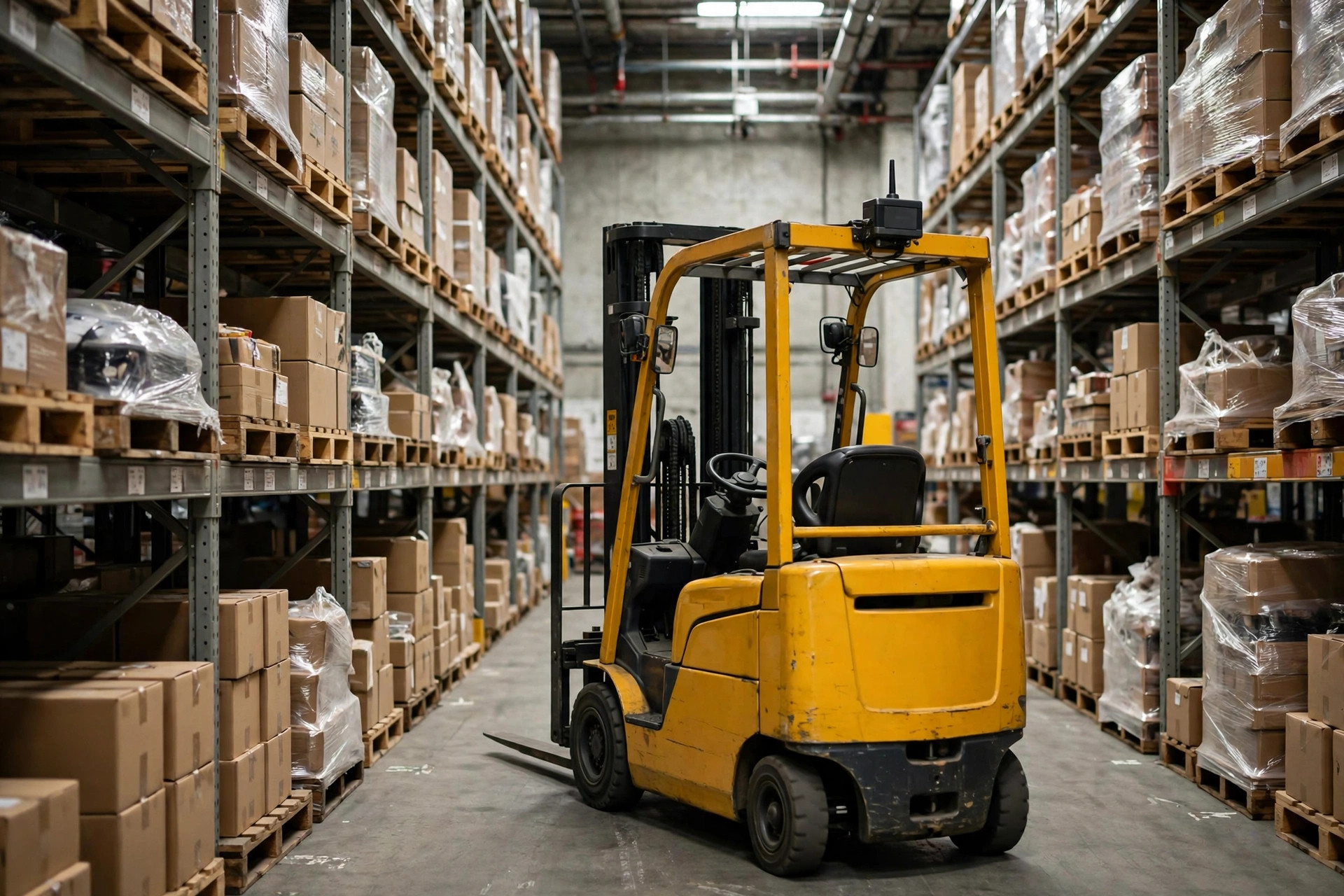
Back in 2017, I was doing operations support for a 3PL warehouse out in the Inland Empire. Not a big place — around 60,000 square feet, with about twenty pickers on the floor. The owner heard from a buddy that switching to piece rate had "transformed" his operation, so he made the call: pickers would get paid per piece picked, roughly twelve cents a unit, no cap.
The first two weeks looked like a miracle. Average daily picks per person jumped nearly 40%. The owner told everyone who'd listen that it was the best money he'd ever spent.
By month three, the bill came due. The mispick rate more than doubled, and the returns area was piled so high we needed overtime just to clear it. Two veteran pickers threw out their backs rushing; one went on two weeks of sick leave. And the cruelest irony: the fastest picker on the floor was now out-earning his supervisor. The owner decided he was "overpaying" and tried to shave the rate down. Word got out, and five people quit that same week. Everyone left learned the new game fast: don't chase volume, just avoid mistakes and ride out the eight hours. The piece-rate system was technically still in place, but nobody believed in it anymore. Output dropped below where we'd started.
I've carried that story with me ever since. There was nothing wrong with piece rate itself. The quota was set by gut feel, and once the rate was posted, nobody ever touched it again.
Measure first, price later
Here's how most warehouses set a piece rate: the owner asks the supervisor "how many can one person pick in a day," the supervisor throws out a round number, finance divides it into the daily wage, and out comes a rate. Nobody sets foot on the floor in the entire process.
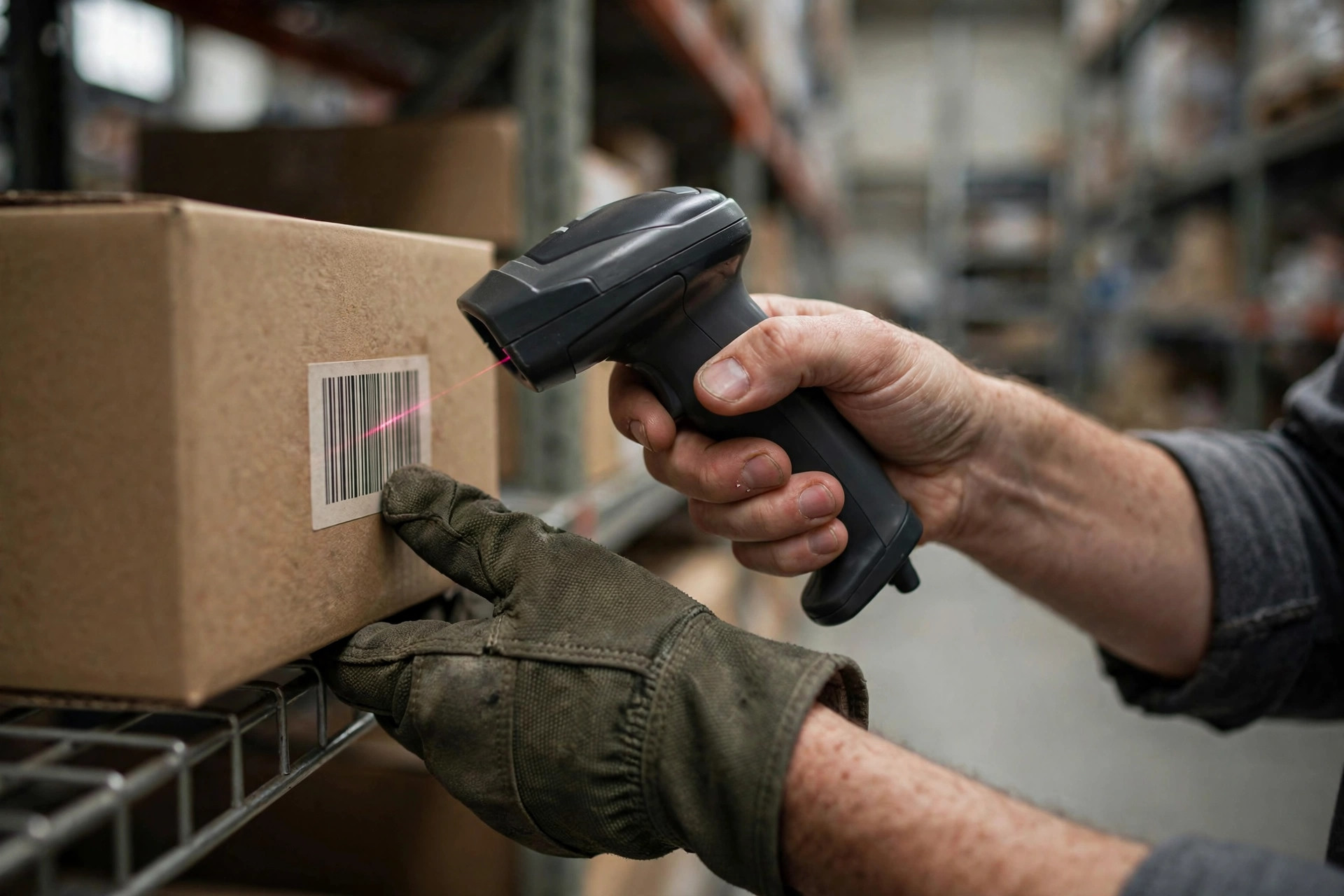
Do it the other way around. Start with a real time study: shadow two or three average-skill workers — not your fastest, not your slowest — for three to five days. Record their actual pace, throw out the abnormal stretches (equipment breakdowns, waiting on replenishment, system freezes), and take the median. That's your standard time. Then add an allowance, because people aren't machines: bathroom breaks, water, pallet swaps, all of it. Ten to fifteen percent is the usual range.
A rate set without measurement is a gamble. Win and everyone's happy; lose and you get the story above. A time study takes a few days and costs almost nothing, yet it's the most valuable step in the entire piece-rate system. Build on a crooked foundation and everything above it is a condemned building.
One more thing people forget: quotas aren't set-and-forget. Change the process, reshuffle the slotting, roll out new handhelds — re-measure. I once saw a warehouse still running pick quotas set three years earlier, even though the slots had been completely reconfigured twice since. Veterans who knew the layout by heart were crushing the quota and banking bonuses, while new hires following the map could never hit it. Turnover stayed brutal year after year. Review quotas at least once a year, and re-measure any time there's a major change.
Too loose, and you're paying people to coast
What does a loose quota look like? Veterans hit their number by 3 PM and spend the last two hours "recuperating." New hires watch, learn the game, and within three months they're coasting too. But the real damage shows up in peak season: volume doubles, and a loose quota becomes an automatic across-the-board raise. Labor costs blow up — and you can't exactly tighten the rate then, because everyone will read it as a pay cut. Morale craters even faster.
A quota that's too tight is easy to spot: long-term attainment below 70%, or even your experienced hands complaining that the number is unreachable no matter how hard they push. And here's the part that hurts — the first ones out the door are always your best people, because they're the ones who can get a better deal somewhere else. Who stays? The ones who can't leave. Output only goes one direction from there. You think you're saving money; you're actually paying the most expensive tuition there is: recruiting, training, errors, customer complaints.
My verdict is blunt: a quota may run five to ten percent loose, but it may never run tight. Loose costs you controllable money. Tight costs you uncontrollable people. And without the people, the most "scientific" quota in the world is worthless.
One rate for peak and off-peak is just lazy
A lot of warehouses run the same rate all year. That's administrative laziness. In the slow season, volume drops, take-home pay shrinks under piece rate, and people start looking around — you lose workers exactly when you thought things were calm. In peak season, volume explodes, someone can take home double their normal pay at an unchanged rate, the owner winces, and quality collapses along the way. Rushed volume almost always comes with mistakes baked in.
Two approaches both work. One is a two-tier rate: bump the rate up in the slow season and raise the floor, so people have a reason to stay; in peak season you can trim the rate slightly, but only alongside a quality gate. The other is base-plus-piece: a guaranteed base slightly above the local market average, with piece earnings on top of it. The base answers "I won't starve"; the piece rate answers "I'll run faster."
The non-negotiable part: write the adjustment rules into the policy and announce them early. Publish the peak-season rate and its quality thresholds at least 30 days before peak hits, so people know what's coming. Announcing a rate cut one week into peak season tells everyone the same thing: the harder you work, the lower your rate goes. Who's going to hustle next peak? Owners have made that shortsighted mistake more times than I can count.
Piece rate without quality is a license to make mistakes
Under a pure quantity-based piece rate, the rational worker strategy is obvious: go fast. Mispicks, wrong slots, sloppy packing — none of it comes out of their pocket; rework is the company's problem. That doubled mispick rate in my opening story? That's exactly how it happens.
Quality has to be wired into the money, but skip the collective punishment and the heavy fines. What I do: draw a quality line — say, a mispick rate above five per thousand — and discount that week's piece-rate bonus for anyone over it. Two consecutive weeks over the line, and the worker loses piece-rate eligibility and goes back through training for a week. Flip it around, too: a full month with zero major errors earns a separate quality bonus. It doesn't have to be big — the point is that doing it right also pays. Carrots always beat sticks, especially on the warehouse floor.
Then there's the new-hire protection period. Don't throw someone straight into the piece-rate pool in their first two or three weeks. Keep them on hourly, or grade them against eighty percent of quota, until they've got the process down and the slots memorized. Piece rate with no ramp-up forces new hires to learn the wrong way "fast," and every mistake becomes a debt you pay later. I usually recommend a two-to-four-week protection period — stretch it to six for complex operations like a high-SKU e-commerce warehouse — paired with a mentor who gets a small coaching stipend. That stipend is far cheaper than one botched return.
One compliance note: California has specific itemized-statement requirements for piece-rate pay. Check the official sources for the latest rules before you roll anything out — this is not the place to learn by penalty.
One thing you can do tomorrow: after the morning huddle, spend an hour shadowing one of your pickers end to end. Stopwatch in hand, record the real pace, then compare it against your current quota. I'll bet you a bag of chips you'll find the quota is off by at least twenty percent — and the direction of the error will surprise you. Get the measurement right and the rate has a foundation; with the foundation straight, peak-season adjustments and quality linkage actually work.