Let's start with a number. A 40HQ leaves Ningbo, sails to Callao, Peru — and how many separate bills does customs hand you before the container is released?
At least five. Duties and taxes (check the latest rates on SUNAT's official site — they change). The customs broker's fee. Terminal demurrage and storage, billed by the day. Inspection-related charges. And the one most importers never budget for: the money lost to time itself. Most companies only count the first two. That is where the waste hides.
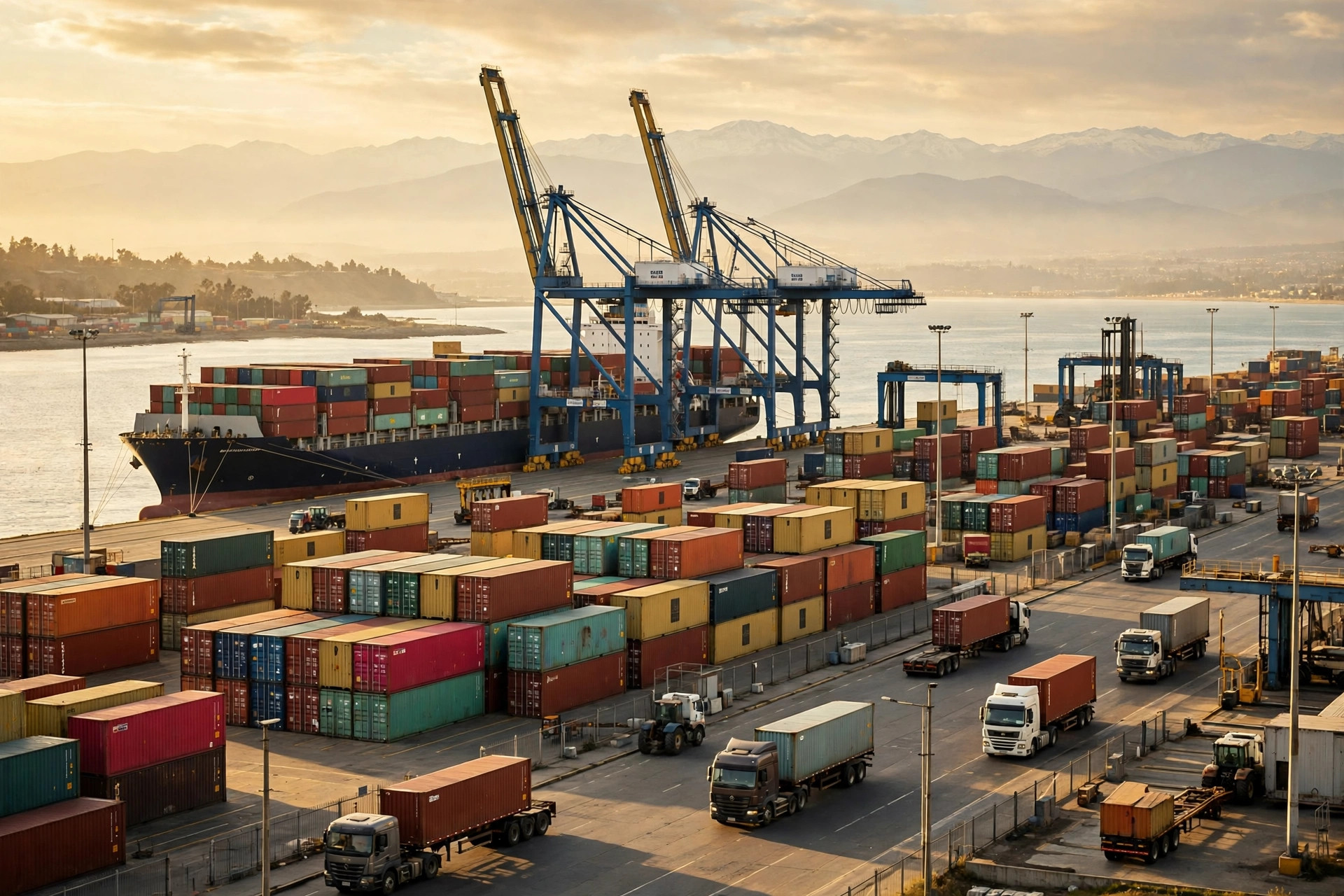
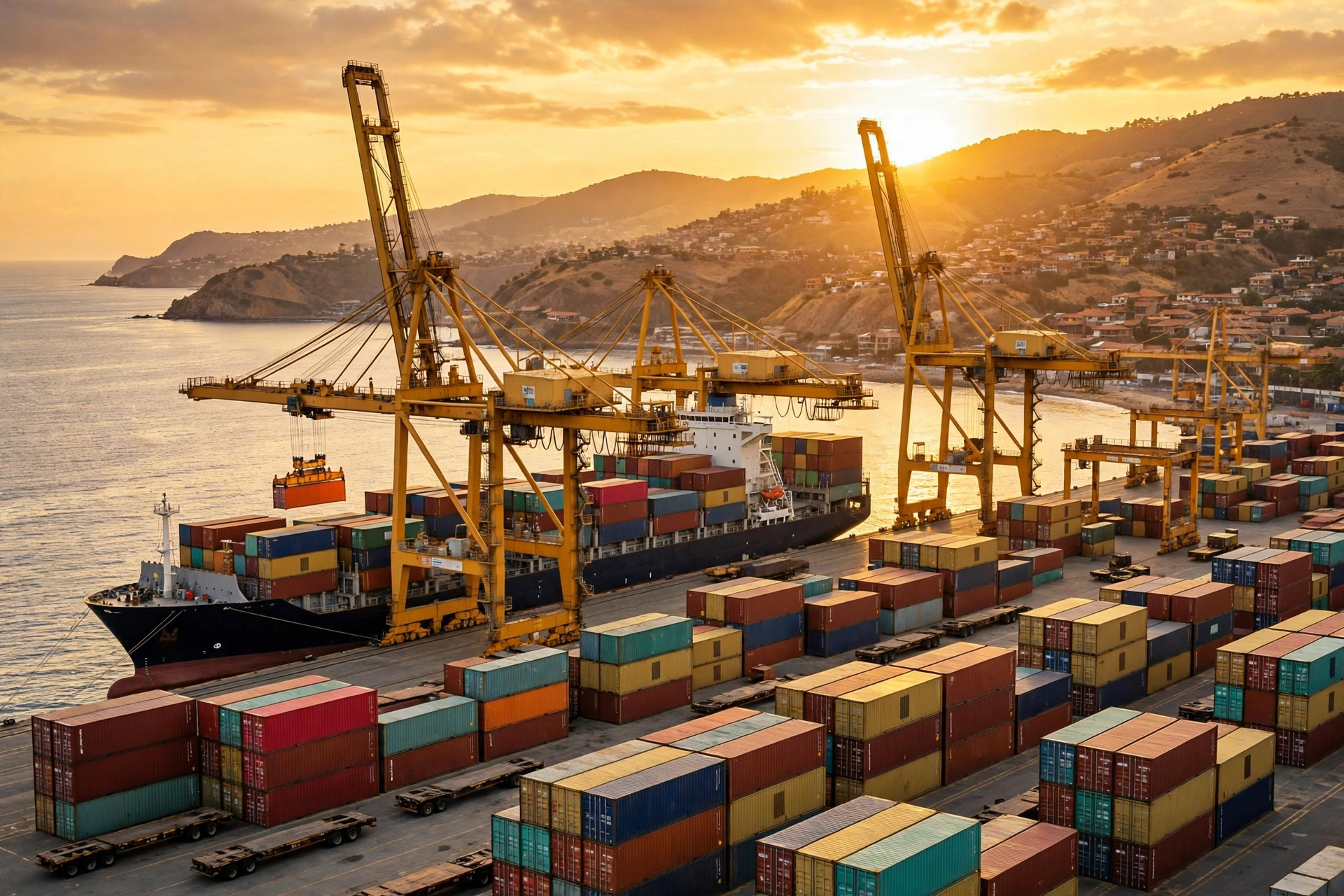
Peru is one of South America's few growing import markets, and Callao is its number-one container port — nearly every container from China enters through it. Since late 2024 it has a new neighbor, the deepwater megaport of Chancay with direct Asia services, which will siphon off some volume eventually. But this guide is about Callao, because that is where your cargo is landing today. The process runs through SUNAT, Peru's tax and customs authority: your broker files the DAM (the customs declaration) electronically through the SIGAD system, SUNAT assigns you a channel — green, orange, or red — and once duties are paid and the channel is resolved, you get Levante, the release authorization. Only then does the container move.
I come from finance, so I will skip the legal prose and talk about one thing: where the money goes.
Peru Import Customs Clearance: Five Cost Buckets, Decided by the Channel Color
Here is the cost structure, split into five buckets:
| Cost bucket | Paid to | Avoidable? |
|---|---|---|
| Duties + taxes | SUNAT (rates per latest official schedule) | No — get it right, not cheap |
| Brokerage fee | Local customs broker (agente de aduanas) | Negotiable, but cheap brokers cost more later |
| Terminal charges (demurrage/storage) | Terminal operator, billed per day | The biggest lever — and the biggest risk |
| Inspection charges (lifts/unpacks/repositioning) | Terminal + inspection yard | Luck of the draw, but budget for it |
| Time cost (capital tied up, stockouts) | Yourself | Invisible, but the most expensive |
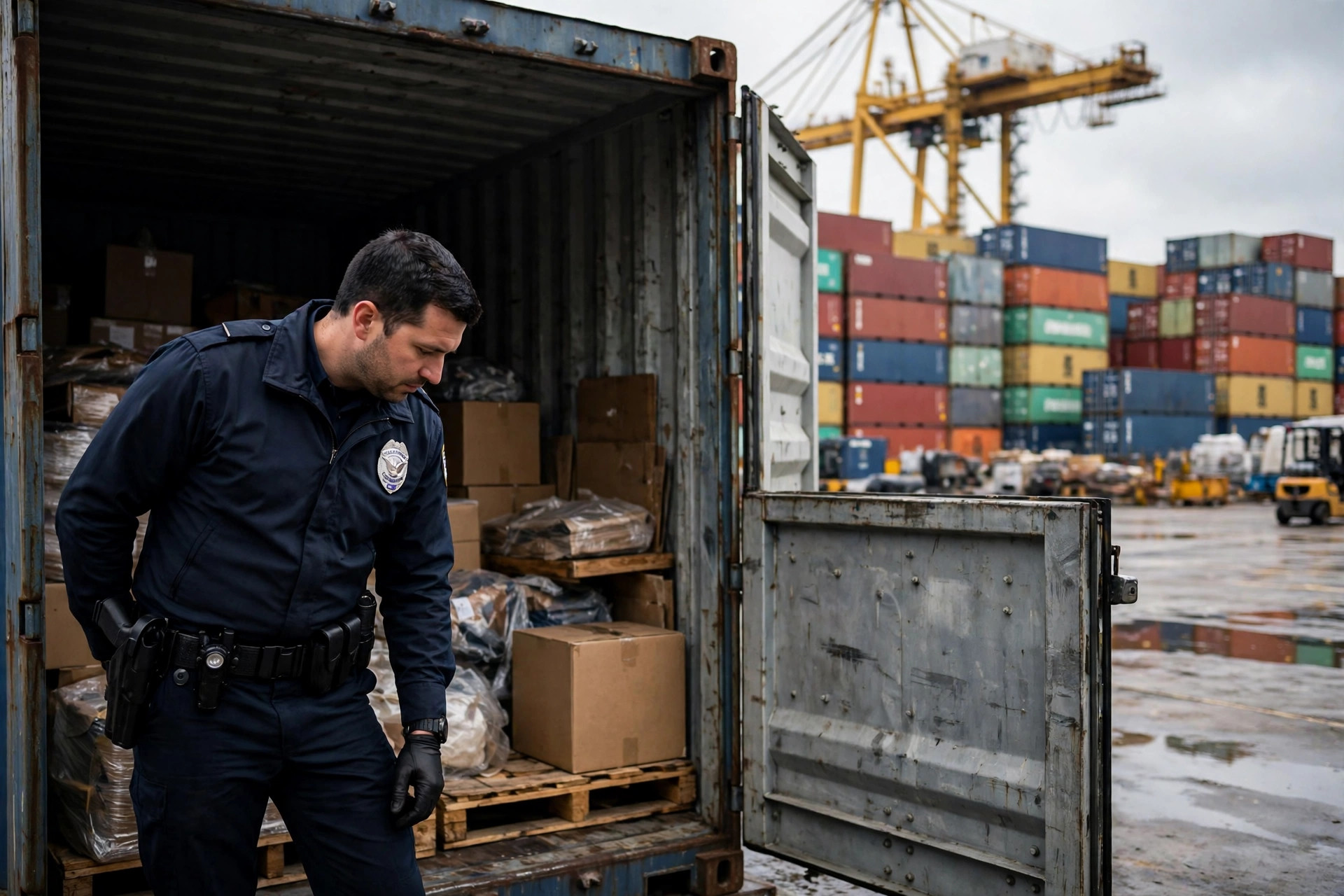
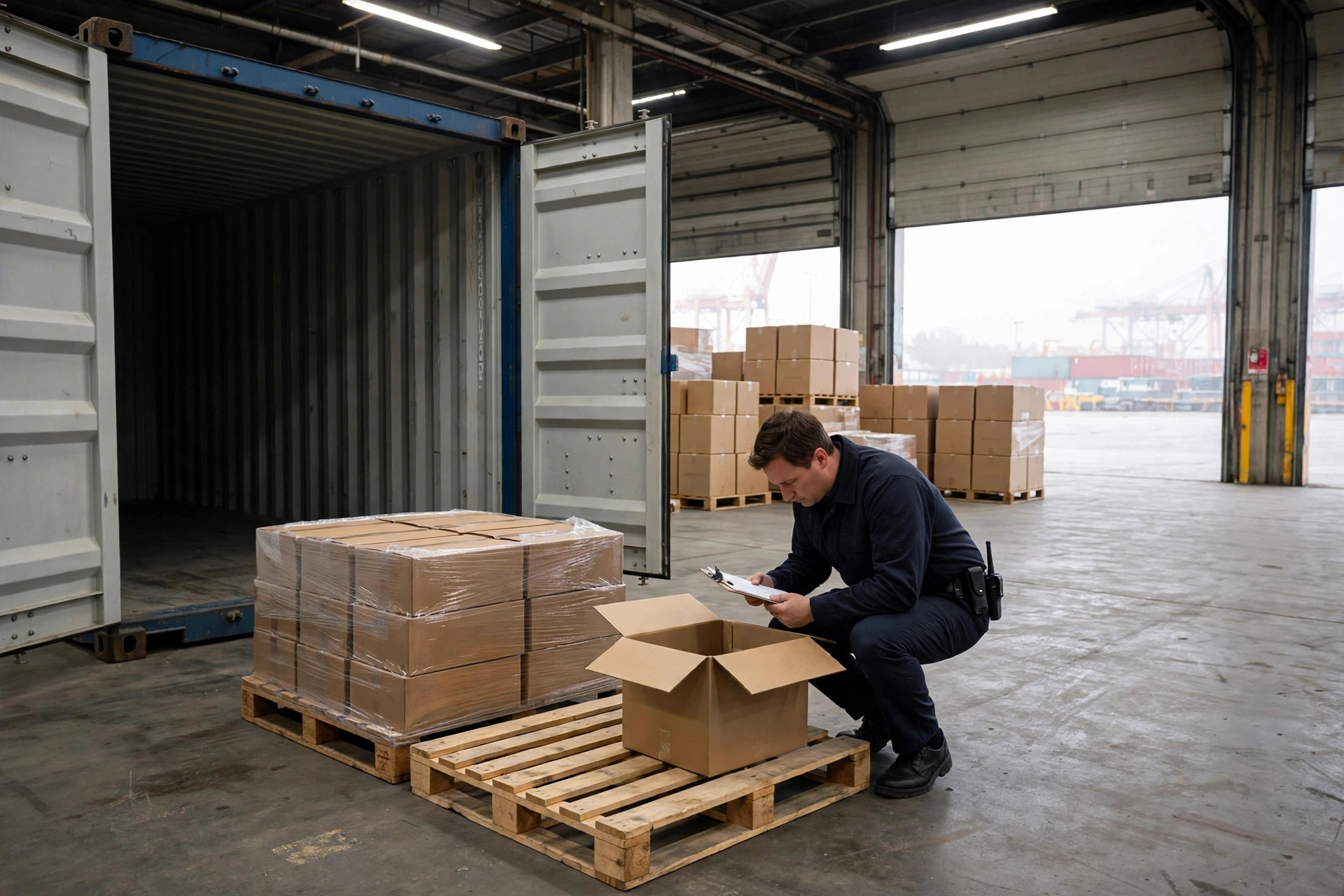
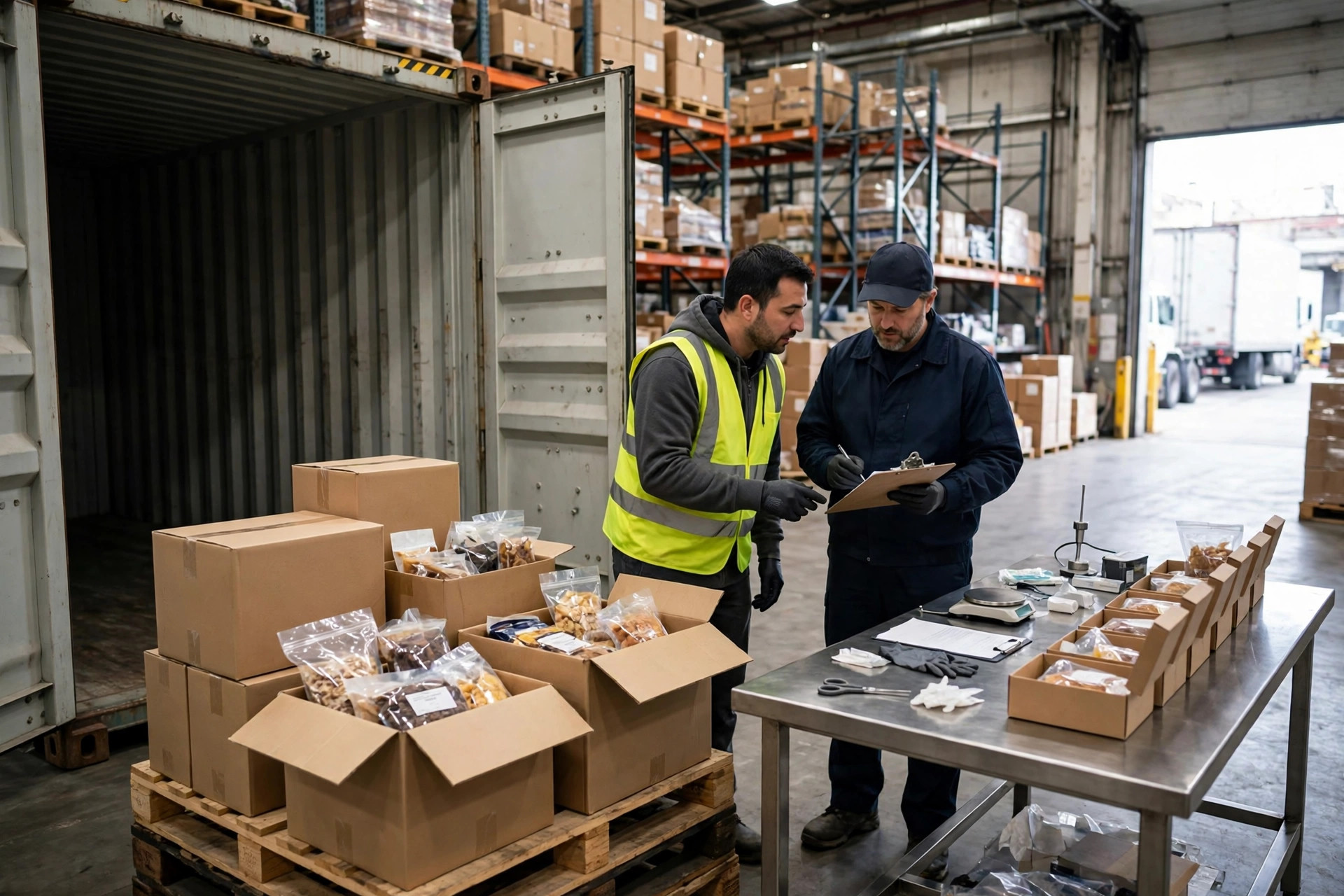
After the DAM is filed, SUNAT assigns a channel. Green means automatic release — pay and take your Levante. Orange means documentary review: customs goes through your invoice, packing list, and certificate of origin. Red means physical inspection: the container is lifted, opened, and checked item by item.
Green is a gift. Orange is the norm. Red is the nightmare. Why? Because green only costs you the first three buckets. Orange adds demurrage days while documents are reviewed. Red is brutal: inspection fees, container lifts, unpacking, repositioning — one charge after another, plus the container sitting at the terminal for extra days. The ceiling of your clearance cost is always set by the red channel plus delay days, never by your cargo value.
Here is the counterintuitive finance takeaway: budget for clearance using the worst case — red channel plus reasonable delay — not the most likely case. Companies that budget for green get blindsided the first time they draw red. This is not about probability; it is about expected value. Run 20 containers a year and a few reds are a near certainty. Reserve for them.
Two Containers, Two Lessons in Where Money Goes
Late last year, an auto-parts importer asked me to review their numbers. They shipped a 40HQ of brake discs and filters from Guangzhou to Callao. The declared description on the DAM was vague — just "auto parts," with no line-item detail matching HS codes. SUNAT assigned orange: documentary review. Customs asked for a detailed description and the certificate of origin, twice. The container sat at the terminal for six extra days.
Here is the painful part: duties did not change by a cent (rates are rates). But demurrage piled up daily, and the broker charged extra for the emergency document rounds. Had they spent half a day writing precise descriptions and preparing the certificate of origin before shipment, orange would very likely have been green. Half a day of paperwork buys you six days of demurrage. That math always works.
The opposite story: a Shanghai machinery-spare-parts company, first LCL shipment to Callao, drew red on arrival. Full unpacking inspection, two days. Their forwarder had warned them that spare parts on a first shipment draw red often — so they had budgeted inspection charges and five days of delay. When the bill arrived, it landed inside budget, and the owner was relieved. The red channel itself is not the problem. Not budgeting for it is.
Both cases point to the same thing: in Peru import customs clearance, the real variable is not the duty rate (it is fixed — check SUNAT's latest schedule). It is the channel color and the number of days. And the channel color depends heavily on your DAM documentation quality: how specific the descriptions are, how accurate the HS codes are, whether the certificate of origin is ready. That is the one variable you control before shipment.
Three Levers You Can Lock Before the Vessel Sails
Lever one: get the DAM documents right the first time. Invoice, packing list, and bill of lading must match. Write specific descriptions, not broad categories. Have the certificate of origin ready early. Peru and China have a free trade agreement — qualifying goods get preferential rates with a valid certificate. But the certificate must be genuine and correctly formatted. A fake or sloppy one earns you a red channel, possibly a fine. This lever costs nothing but care.
Lever two: choose your broker on capability, not price. Callao brokers quote a wide range. The cheap ones just file the DAM. The good ones pre-review your documents, talk to customs, and predict your channel. Do the math: a broker that costs $200 more but turns one orange into a green saves multiples of that in demurrage. Brokerage is the only bucket where spending a little more can save a lot. Do not cut corners here.
Lever three: have money and documents ready before arrival. Levante requires duties paid in full. Too many importers start scrambling for cash and paperwork after the vessel berths — two wasted days. The right way: one week before arrival, the duty budget (computed at SUNAT's latest rates) is sitting in the account, and the document package has already gone to the broker for pre-review. Time is demurrage. Lead time is money.
A Quick Note: Is Chancay Cheaper?
Chancay, operational since late 2024, is a deepwater port with direct Asia routes — the ocean leg from China could in theory cost less. Some shippers are asking whether to switch.
Two sides to it. The sea freight may be slightly cheaper, but the SUNAT clearance process — DAM filing, the three channels, Levante — is the same rulebook at Chancay and Callao. All five cost buckets apply. And a new port's supporting ecosystem — broker capacity, trucking networks, inspection-yard efficiency — is still ramping up. Nobody can tell you who pays the teething costs yet. My finance advice: do not move your main volume yet. Run one or two non-urgent containers through Chancay, measure the real demurrage days and inspection experience, then decide. Save money only after you have measured it — never gamble a proven lane for a freight delta.
The Bottom Line, in One Formula
What does Peru import customs clearance actually cost? Here is the formula — plug in your own numbers:
Total clearance cost per container = duties and taxes (per SUNAT's latest official schedule) + brokerage fee + demurrage rate × expected days + inspection charges (if red) + capital carrying cost
When budgeting, fill in expected days as "red channel + 5 days of delay" and assume inspection charges will happen. If the total still leaves acceptable margin, the business works. If the math eats half your margin, the problem is not clearance — it is that this shipment's margin cannot support the South America lane. Better to know that before the vessel berths than after.
Whether the money was well spent does not depend on how much you paid. It depends on whether you knew every line item before it arrived. What you knew in advance is a cost. What you learned afterward is tuition.
By Lao Zhou, Logistics Cost Analyst