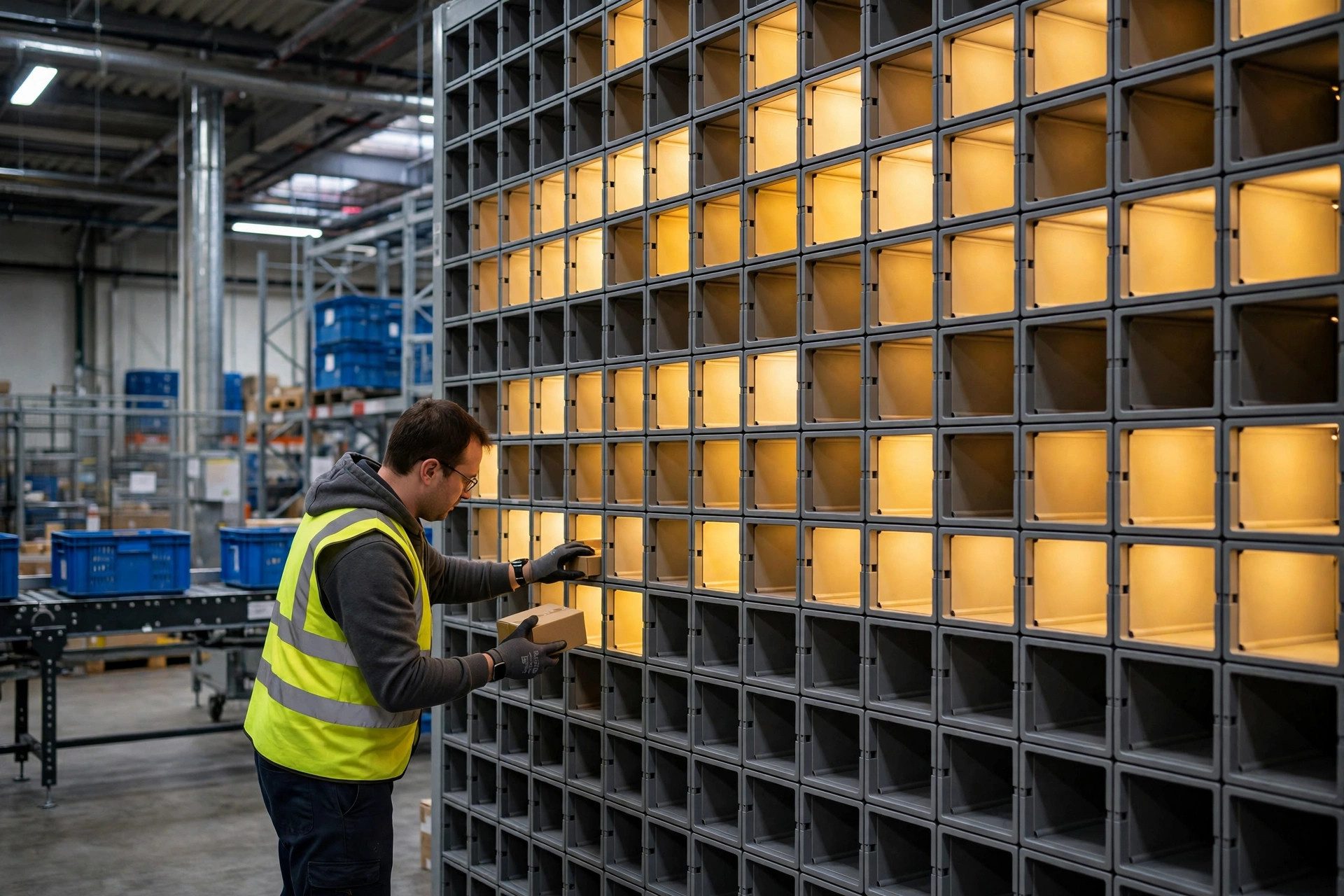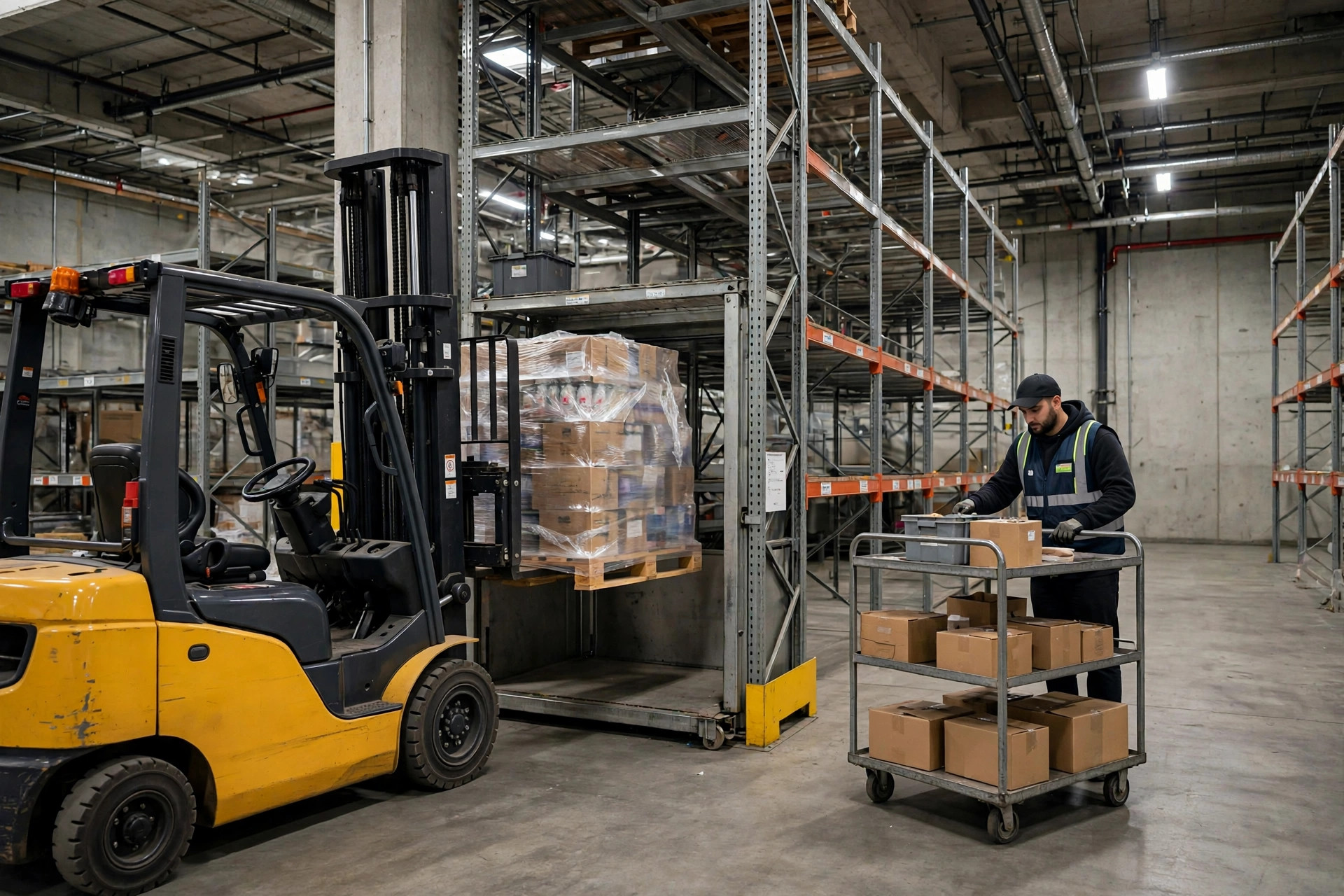
Last November 28, night shift. Mine, unfortunately.
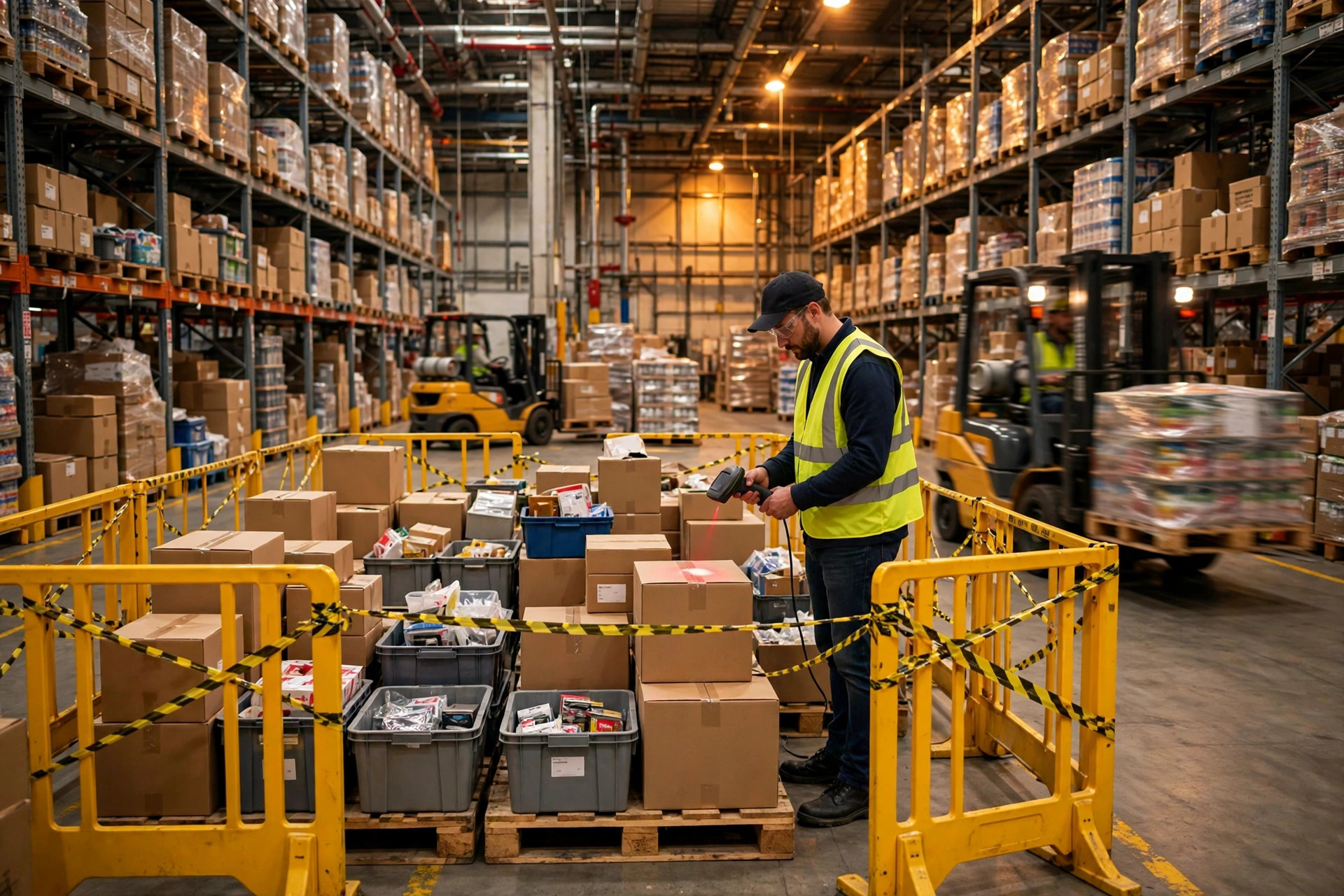
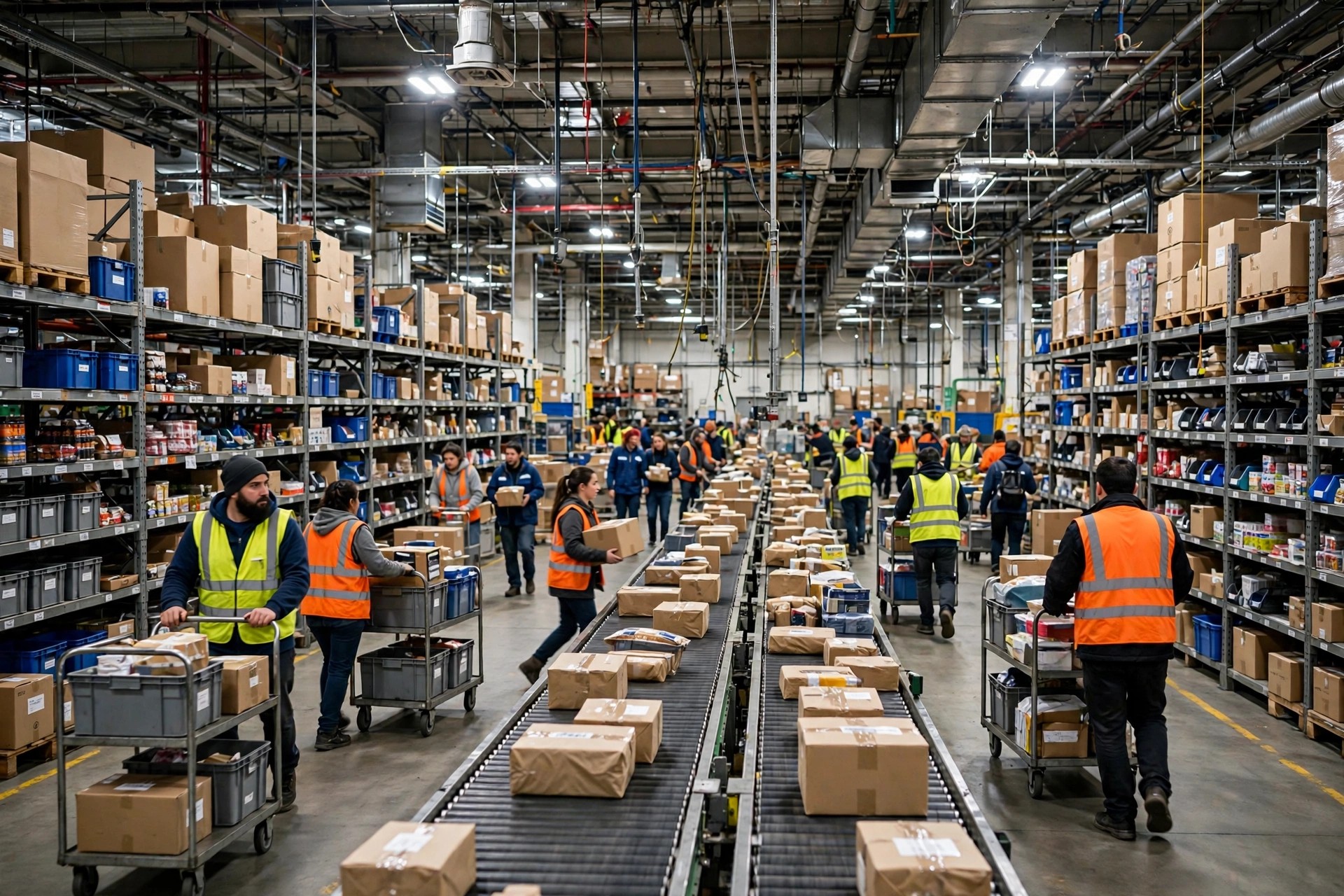
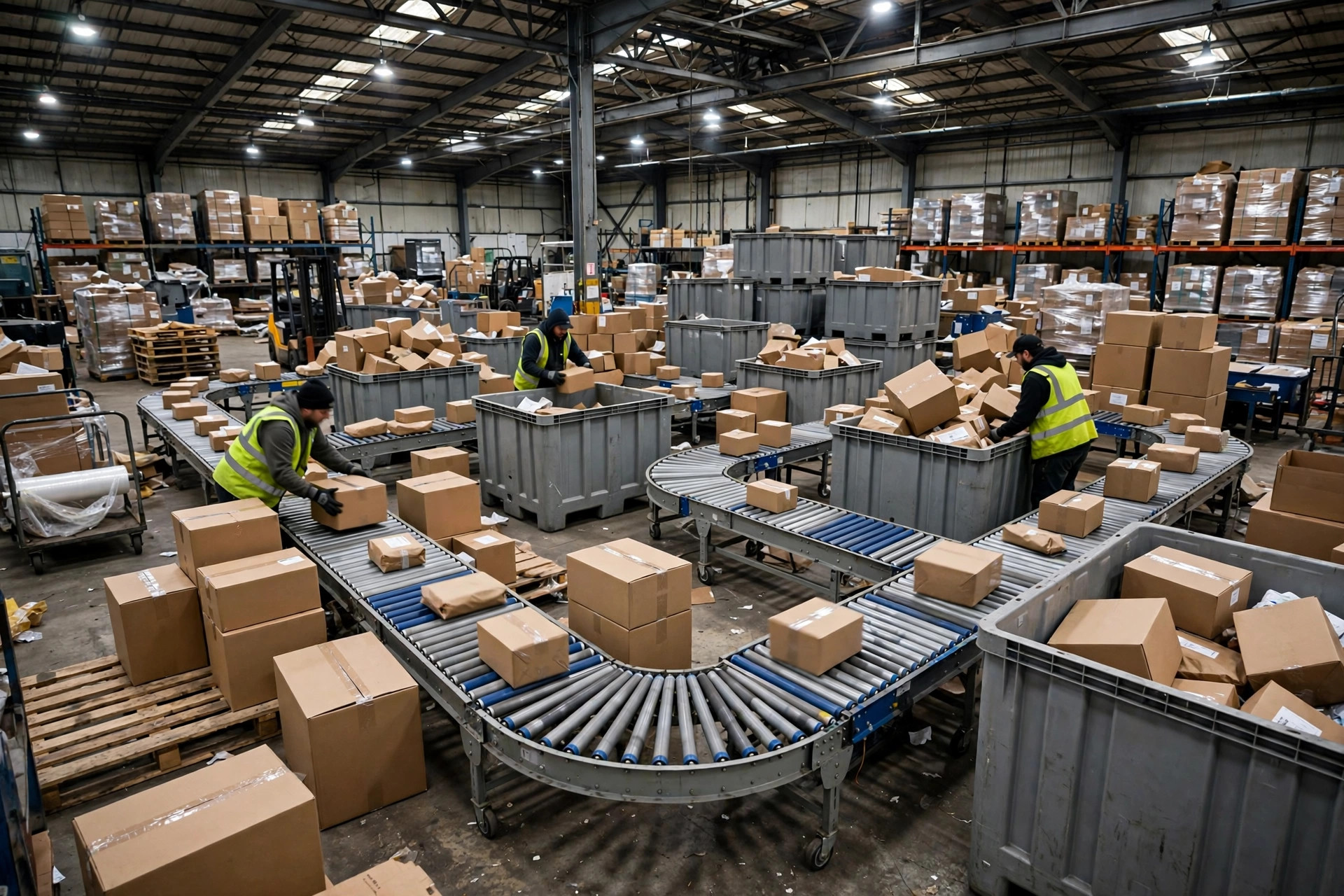
At 12:40 a.m., the sort area was packed wall to wall. Two layers of parcels piled up at the end of the conveyor, and my guys were hopping between boxes hunting for sort cells. One kid lost his footing and fell waist-deep into a gaylord. I stood on the mezzanine railing looking down, and one thought filled my head: we need a temporary sort area, and we need it yesterday.
At the morning standup, I said one sentence to the operations director: the fixed sort zone is blown. If we try to brute-force this with overtime again, nobody's going home for Christmas in December.
That's how our temporary sort area was born. To be honest, we didn't choose it. We were forced into it.
The Fixed Sort Zone Blew Up — Enter the Temporary Sort Area
Our building sits in the Inland Empire, around 300,000 square feet, about 200 people on a normal day. We run roughly 25,000 orders a day, and the fixed sort zone has 40 cells. That works fine — until late October, when volume climbs to 40,000, and Black Friday week starts at 55,000 and goes up from there.
Here's the real bottleneck: it was never headcount. It was cells and floor space. Forty cells splitting 55,000 units means over 1,200 pieces per cell per day. People physically cannot move anymore.
Our first year, we tried the hero route: everyone on overtime. It got ugly. The overtime bill ran into six figures, and our mis-sort rate went from 0.3% to 2%. Customer complaints, returns, reships — we spent all of December mopping up.
So before the second peak season, I laid it out for the boss: either we expand the fixed zone — permitting plus construction, no chance before November — or we build our own temporary sort area. Three days to set up, three days to tear down after the holidays, warehouse back to normal.
The boss asked: is it reliable? I said: reliable or not, it's the only plan that goes live before November 1.
Picking the Temporary Sort Area Site: Three Options, We Took the Least Impressive One
We looked at three spots.
First, the parking lot. Biggest footprint, could fit 20 lines. But November nights get cold, daytime sun beats down, and parcels hate rain and heat — we'd need to rent an industrial tent. Once we got the quote for the tent, ground prep, and temporary lighting, we shook our heads. Not that we couldn't afford it, but the tent needed a fire department sign-off with a two-week approval cycle. No time.
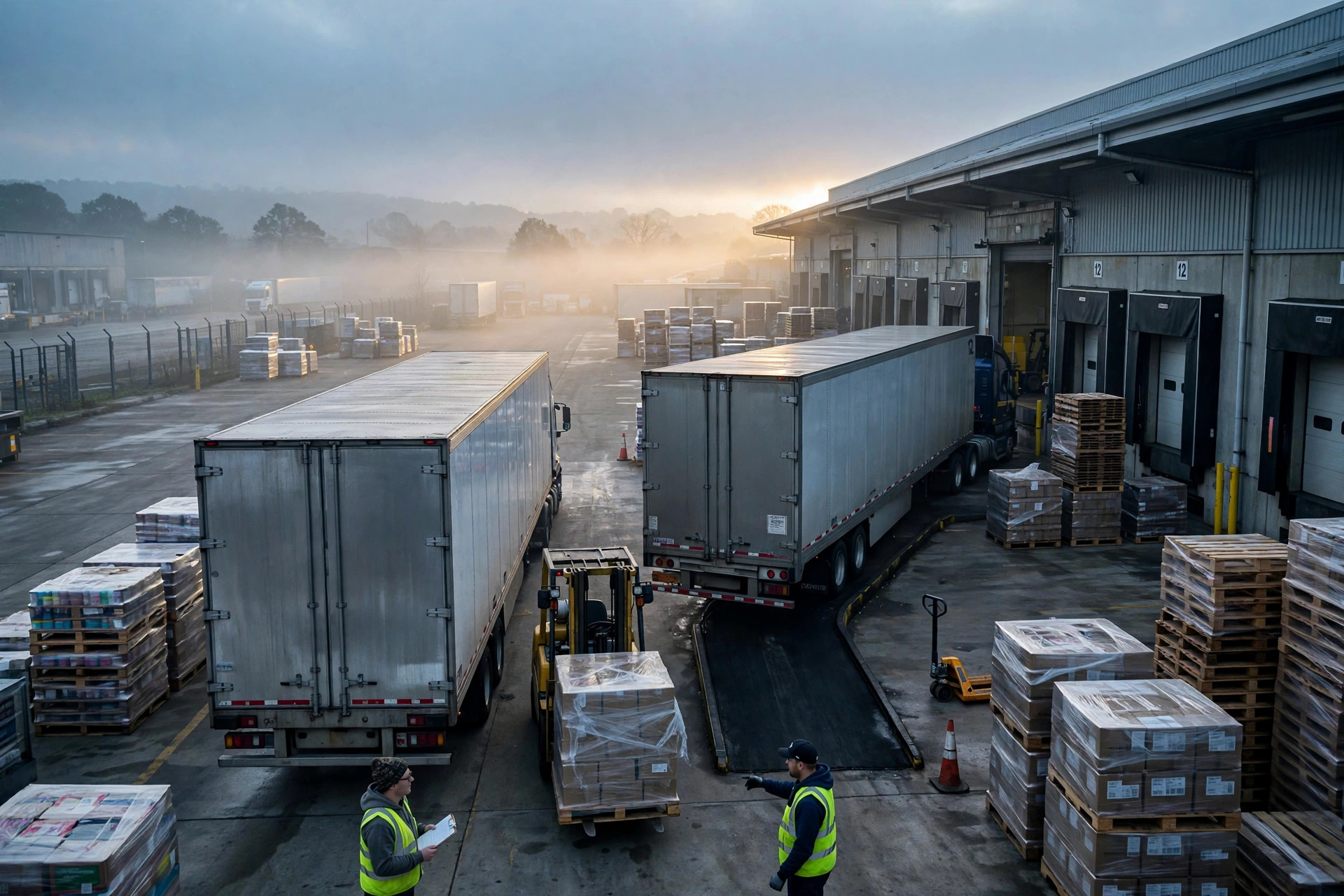
Second, the idle dock area. We had six rarely used dock doors backed by about 10,000 square feet of open space, normally used for pallet storage. Ready-made roof, ready-made lights, close to receiving. Downside: smaller, and the shape was awkward.
Third, leasing a temp warehouse next door. Expensive, slow paperwork. Pass.
We went with the space behind the idle docks. Honestly, site selection comes down to three iron rules: a roof (no rain worries), power (lights plus scanner charging), and under 50 meters from the outbound docks (shorter transfer distance wins). Everything else is secondary.
How We Laid Out the Gear: One Line Feeds Eight Cells, Nobody Runs Around
The equipment list is simple: rented portable roller conveyors (by the week), gaylord bulk boxes, and pop-up folding sort cells. Our standard setup now:
One conveyor line, four gaylords on each side — one line handles eight cells. At the end of the line, a row of folding cells for small items and odd shapes. The key: the sorter never moves. Parcels flow down the line, you reach out and sort. A temp worker is productive on day one. No routes to memorize.
We learned the layout lesson the hard way — year one, the entrance and exit were on the same side, and forklifts bringing in pallets collided with carts hauling out sorted boxes at the gate. We lost a whole morning reworking the flow. Here's the counterintuitive truth: the biggest cost of a temporary sort area isn't equipment rental. It's rework on day one because nobody thought the flow through.
Year two, we drew a one-way loop: parcels come in from the receiving end, empty gaylords feed in from the other side, sealed boxes go straight to the outbound docks. Three flows, zero crossings. Before we place a single conveyor, we tape the walk paths on the floor and have the shift leads walk it empty twice. Only when it flows do we set the equipment.
Staffing: Temps on Three Shifts, Veterans Riding Herd
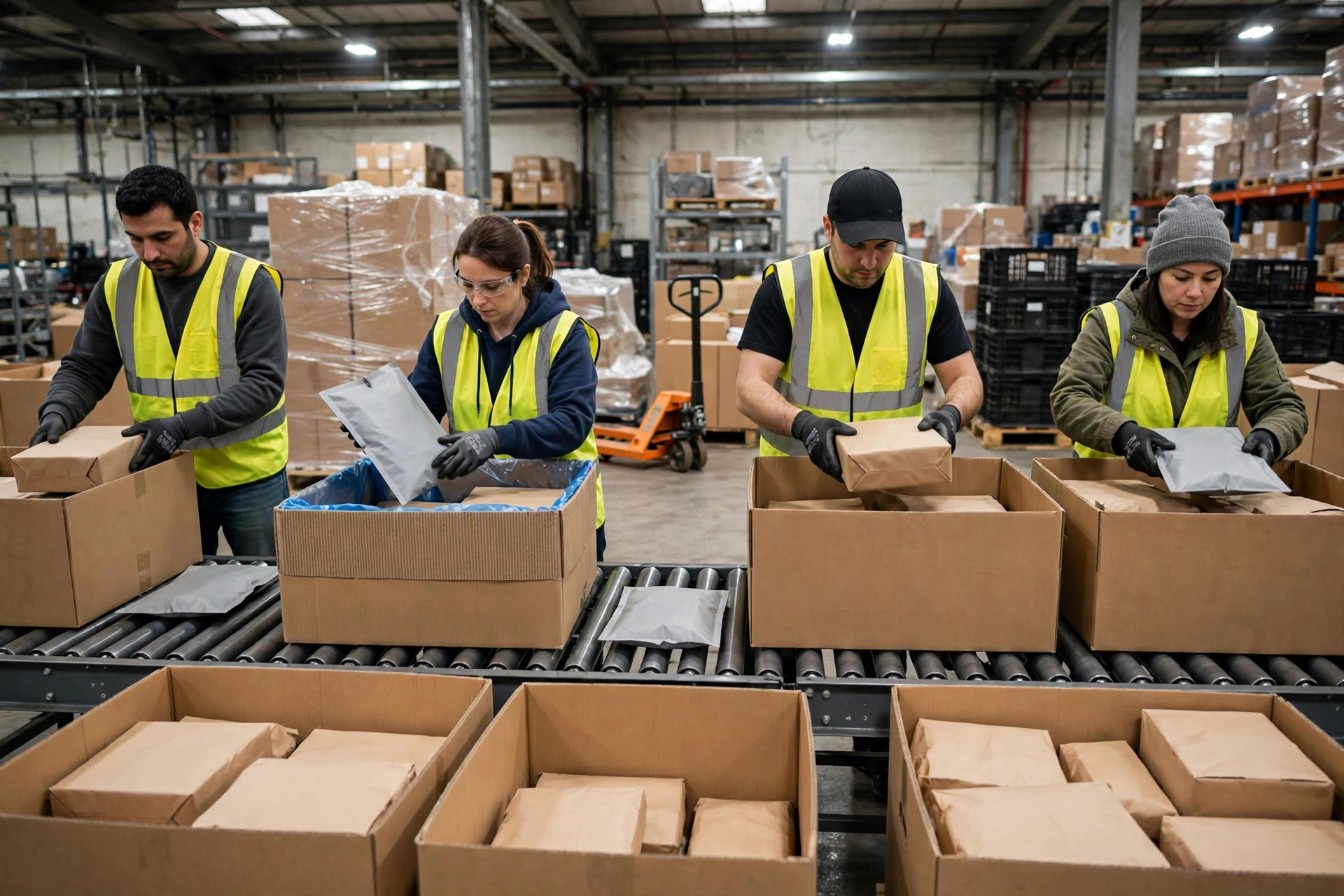
The temp area runs three shifts, and temps make up about seventy percent of the crew. We botched onboarding the first year: dropped 30 temps into the zone and watched the shift lead scream himself hoarse while mis-sorts kept flying.
Here's our fixed routine now:
One veteran mentors four temps, by name. If a rookie messes up, the mentor answers for it. Day one is exactly one task: learn the cells. We hand out printed cell maps, run two dry rounds with empty parcels, and nobody touches live freight until they pass. Night shift morale is the hardest part. Our homegrown trick: the night lead calls out the count every hour — "3,000 pieces this hour, crew, faster than yesterday!" Say the number out loud, and people find another gear.
One small detail: temps wear different-colored badges from full-timers. Sounds trivial, but when something goes wrong, you want to know exactly who touched what.
The Math: Temp Area vs. All-Hands Overtime
This is the spreadsheet I walk the boss through every year. Rough, but good enough.
The all-overtime option: six weeks of peak, 200 people averaging two extra hours a day. Overtime at time-and-a-half burns through roughly a month and a half of normal payroll in one season. Then add the cost of a mis-sort rate jumping sixfold — returns and reships nobody dares calculate precisely.
The temp sort area option: conveyor rental by the week, site prep, temp wages. Temp hourly rates run lower than full-timers, but there are more bodies. Net it out, and the temp area costs roughly sixty to seventy percent of the all-overtime route — and the mis-sort rate stays near normal levels.
But the real argument isn't the savings. It's the risk. Overtime puts every egg in one basket — tired people, and error rates climb exponentially. The temp area splits the pressure. The boss signed off fast after hearing that.
Tear-Down: The Temporary Sort Area Comes Down in Three Days
January 2, teardown starts. January 4, the floor must look untouched. We run the same checklist every year:
Equipment: break down the conveyor runs, strap them, wait for the rental company pickup; flatten the gaylords for recycling. Floor: peel up every strip of layout tape, sweep, check for forklift marks. Electrical: pull all temporary lighting and outlets, restore the panel. Sweep: zero stranded parcels in the temp zone — not one box left in a corner. Sign-off: the shift lead and I walk it together, photos on file.
That last line matters most: photos on file. Next October, we flip through them — where the lines went, where the gaylords stood — and skip the whole trial-and-error phase.
One Reminder for Fellow Operators
A temporary sort area is really about one word: speed. Three days up, three days gone. But speed only works on top of slow prep — the flow map drawn in advance, the shift leads named in advance, the teardown checklist written in advance. Every October 25, rain or shine, we hold a 30-minute temp-area planning meeting. We pull up last year's photos and lock everything down.
Don't wait until late November when the fixed zone blows up. By then you're not building a temporary sort area. You're building a fire brigade.
By Chen Feng, Warehouse Operations Manager