Let me tell you something about a parcel invoice audit. After years on the road, the complaint I hear most at warehouse docks is not that freight rates went up. It is that the bill makes no sense, and that is exactly what a parcel invoice audit is for. I was waiting on a load outside a warehouse in Fontana once, and a young e-commerce seller next to me was staring at his phone. He shipped under a thousand parcels a month. The carrier quoted him seven or eight bucks a parcel. The invoice came in averaging close to twelve. He asked me where the money went. I told him to flip to the accessorial lines. The answer was all there.
A parcel invoice audit comes down to one thing: the base rate is the advertisement, and the accessorial fees are the bill. Accessorials commonly run 20 to 35 percent of total parcel spend, and on an account nobody watches they can push past 40 percent in peak season. You will argue over a 5.9 percent rate increase and never notice the surcharge lines creeping up beside it.
Parcel Invoice Audit: Look at These Three Lines First
When the invoice lands, do not read it top to bottom. Sort the accessorial charges from largest to smallest. The top three are almost always the three below.
Dimensional weight is the first one. For domestic UPS and FedEx shipments the divisor is 139: length times width times height, divided by 139. You pay on whichever is higher, actual weight or dimensional weight. I checked both carriers' 2026 published terms and the divisor is still 139. A big light box is where it bites. An 18-inch cube weighing 3 pounds bills at roughly 13 pounds. You think you shipped 3 pounds. The carrier charges you for 13. The difference sits entirely in dimensional weight.
Residential delivery is the second. A parcel going to a home address carries an extra fee. In 2026 FedEx charges $6.45 per package for home delivery, and UPS Ground is around $6.50; check the carrier's current schedule for the latest figure. If you sell online, eight out of ten deliveries go to homes, so there is no dodging this one. Worse, the delivery area surcharge stacks on top of it for rural ZIP codes. One parcel can carry both fees, adding well over ten dollars, printed as two small lines you will miss if you skim.
Address correction is the third, and it is the one that makes people angry. One wrong digit in a street number or a missing apartment number, the carrier's system fixes it automatically, and you pay close to $20 per package; check the carrier's current schedule for the exact amount. The maddening part is that the parcel still gets delivered and signed for. The fee stays. It can even trigger when the address was fine but written differently from how it sits in the carrier's database.
The DIM Weight Bill Doubles When the Box Grows
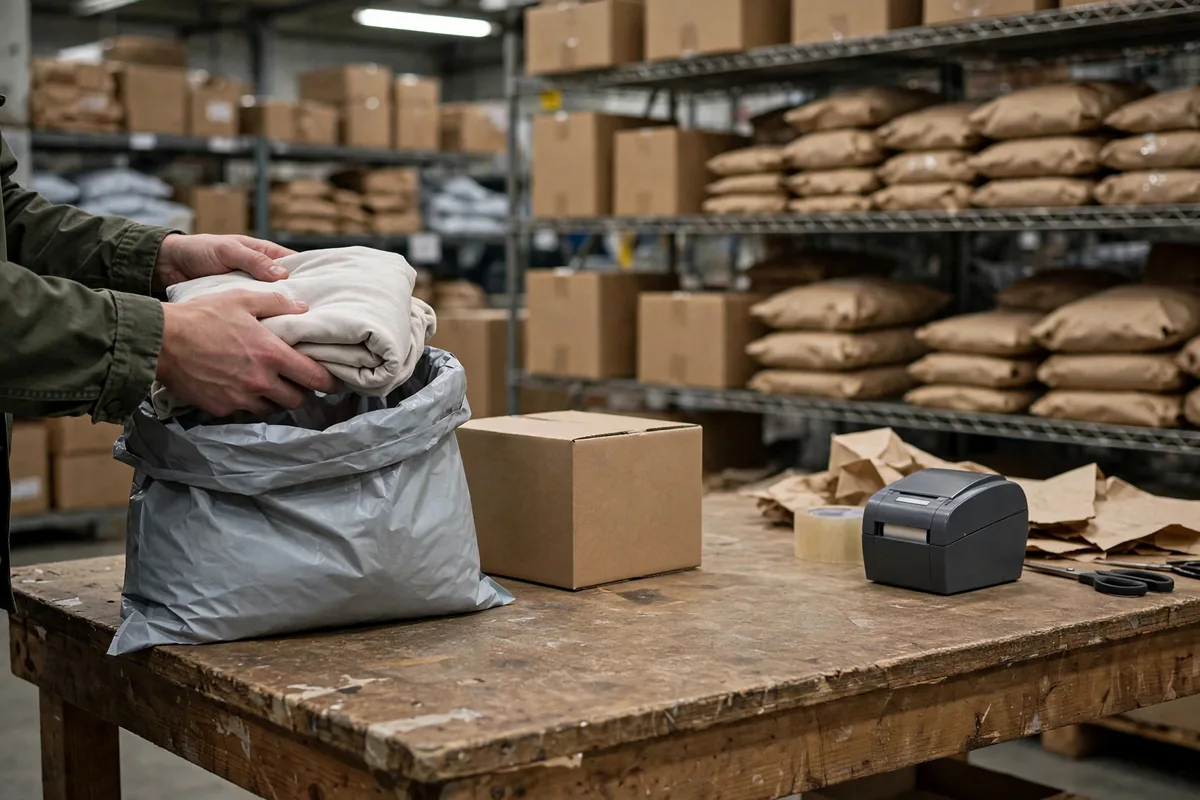
I hauled a load once that taught me this lesson for good. A home-goods seller shipped throw pillows, light as air, in boxes a size too big. Over a month, dimensional weight added nearly 40 percent to what the actual weight would have cost. The fix was simple: drop one box size, add some filler. Dimensional weight fell a full bracket, and the monthly savings covered half a packer's wages.
Run the numbers and you will see how big this gets. The table below is an illustrative example, not a real client's data:
| Before resizing (assumed) | After resizing (assumed) | |
|---|---|---|
| Monthly volume | 1,000 parcels | 1,000 parcels |
| Average DIM weight | 9 lb | 6 lb |
| Average cost per parcel | ~$11 | ~$9 |
| Monthly freight (assumed) | ~$11,000 | ~$9,000 |
That is $2,000 a month, $24,000 a year, because the box was one size too big. Plenty of sellers negotiate discounts until they are hoarse, and a smaller box saves more than the discount ever did.
Parcel Invoice Audit: The Fee That Keeps Coming Back
Address correction is the hardest of the three, not because it is expensive, but because it repeats. Dirty address data fines you once a month, every month. A customer types one wrong letter at checkout, the store passes it to the carrier untouched, and the carrier charges a correction every single time. The same customer ordering monthly gets fined monthly for the same bad address.
The cure is not on the invoice. It is at checkout. An address validation tool checks the address while the customer is still typing and stops a bad one before the order is placed. The postal service and the carriers both publish address data, and one validation costs next to nothing next to a correction fee. I once saw the worst case of this: a customer put the apartment number on the second address line, the system never caught it, and one order got fined close to $20, more than 40 times in a single month. My rule of thumb: more than ten correction fees in a month means the problem is in your checkout flow, not with the carrier.
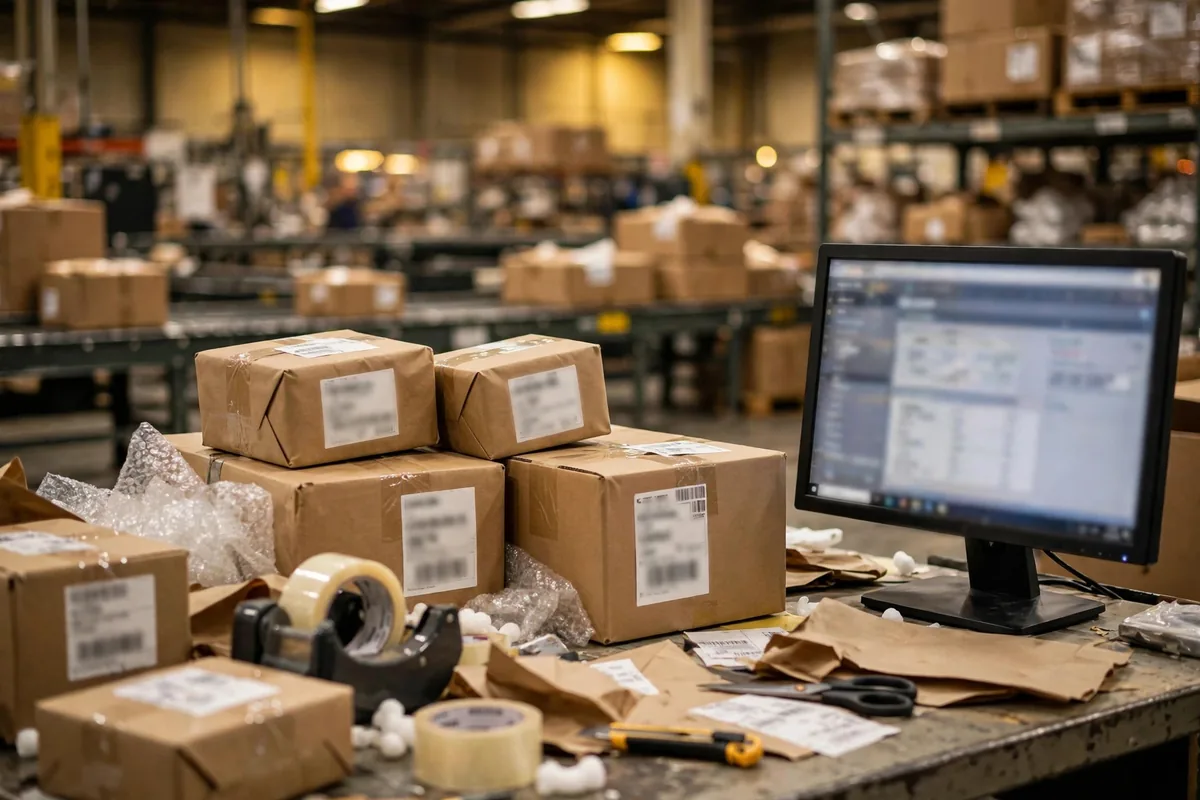
Keep your own records like they are money, because they are. Weigh and photograph every parcel before it leaves your dock, and keep the dimensions on file. Carriers reweigh with their own equipment, and their number does not always match yours. With your own photo and scale ticket, a dispute takes one email instead of three phone calls. Sellers I know who keep those records win their dimensional weight claims far more often than the ones who ship and forget.
Here is the part most people get backwards: the carrier with the cheapest base rate often sends the most expensive invoice. The quoted number looks good. The surcharge schedule hides behind it. Compare carriers on the full cost of one parcel from order to signature, not on the first line of the quote.
When the invoice arrives, do three things. Sort the accessorials by amount and check whether the top three are the ones above. Pull ten parcels at random and match the billed weight, the address, and the residential flag against your own shipping records, line by line. And file claims for anything overcharged, because the carrier will not refund you on its own. Unclaimed money is a gift. Claims also have a filing window, so do not sit on them for months; check the carrier's current policy.
One more habit worth keeping: audit weekly, not monthly. Export the invoice detail the day it lands and match it against your shipping log while the week is still fresh. Ten parcels a week beats a hundred at month end, and claims filed the same week get paid faster than claims filed from memory.
Years on the road taught me this much: a bill never gets thinner on its own. Ignore it and it stays fat. Spend half an hour a month auditing it, and you will save more than any discount negotiation ever will.
By Shifu Zhao, Trucking Veteran (15 yrs)