Pakistan PSQCA certification is the question that caught me completely off guard. Last autumn, a buyer in Karachi dropped it into our chat out of nowhere: the racking can ship, but where are your certification documents? My first instinct was to say, come on, this is just normal export paperwork, packing list, invoice, certificate of origin, done. He sent back a list that made no sense to me at first, and after half a day of digging I realized Pakistan plays by different rules from the markets I was used to. In cross-border selling, the scariest thing is not a freight rate hike. It is a container sitting at port, burning money day by day, while you beg people in group chats to help you patch a missing document.
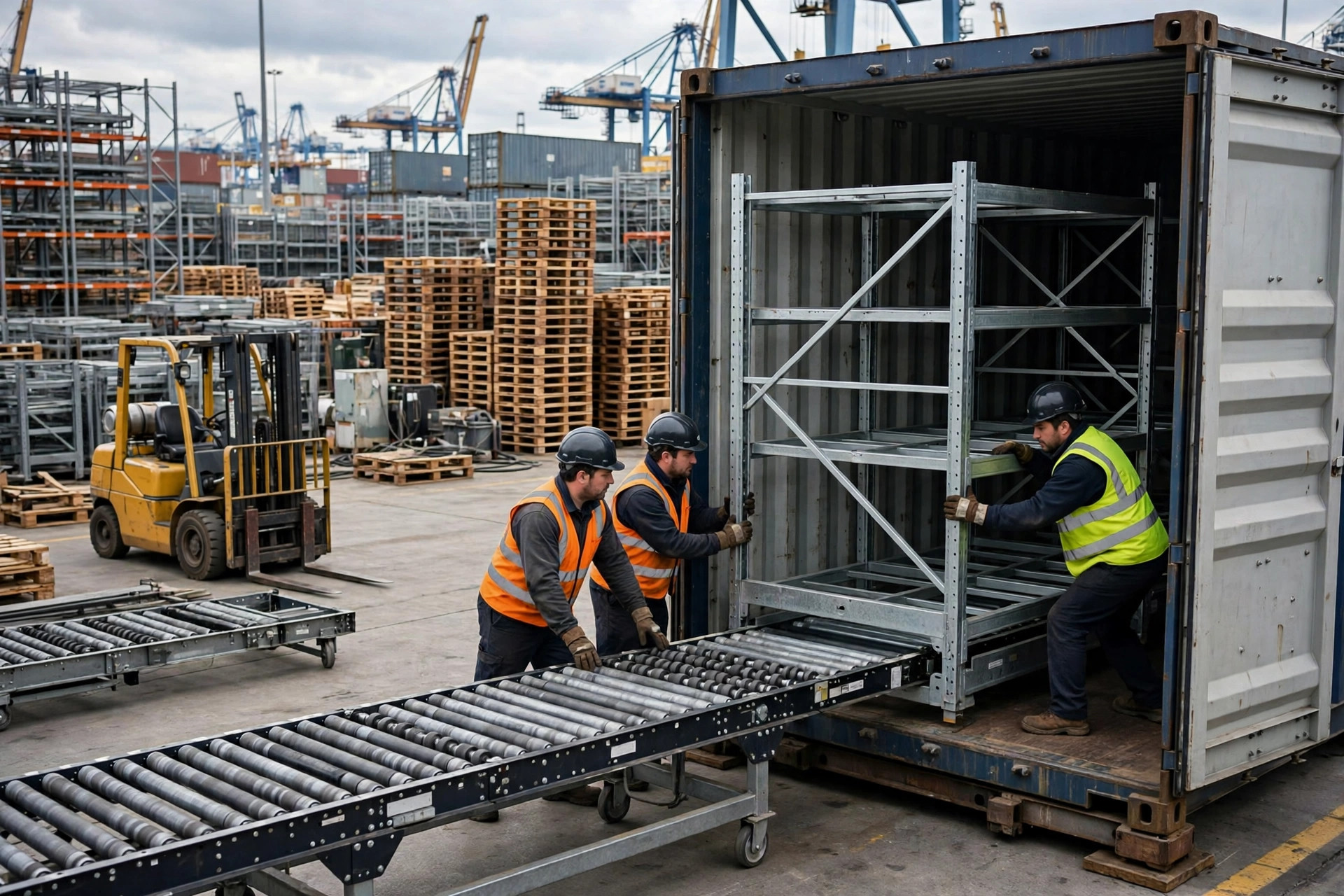
Let me start with my own mess. In October 2024 I shipped two containers of warehouse racking to Karachi. It was not a huge order, but it was my first Pakistan deal. The price and delivery date were agreed quickly, and I assumed the usual routine would carry us through. Just as loading was almost finished, the buyer asked whether the equipment had the conformity documents his side required. All I had was the factory inspection sheet, and he shook his head at it. That paper alone would not cut it. We had to confirm first whether the products fell inside the mandatory scope, and which route they were supposed to take. The order survived only because the cargo had not sailed yet. I stayed up late getting the factory to complete the technical file, then had the buyer's customs broker check it item by item. That was the night I learned a hard rule: for Pakistan, ask about certification before you talk price, not the day before stuffing the container.
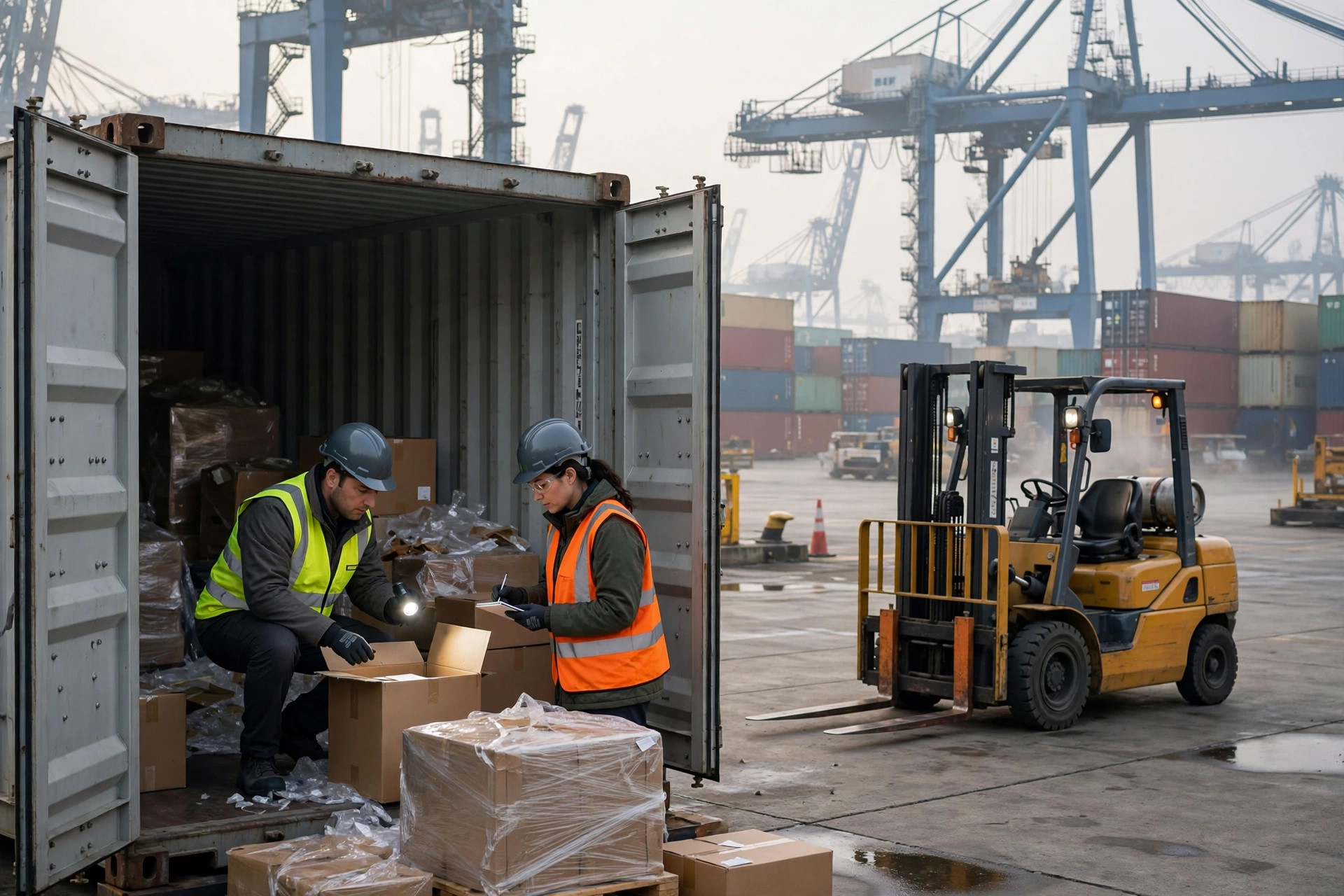
A friend of mine learned it the harder way. He sells conveying equipment and took an order in early 2025 for a distribution warehouse in Lahore. The system included motors and a control panel. He assumed industrial equipment was the importer's problem once it left China. When the cargo arrived, the broker asked for a product description, a model list, and the applicable standards information, and the model names were written inconsistently. Everything had to go back to the factory for corrections. The container sat at the port for days, the storage and demurrage bills arrived first, and the buyer's project schedule slipped. My friend told me later that the order only stayed profitable by luck. What he really lost was trust. Next time that buyer runs a tender, the first thought will be that this supplier's paperwork always causes trouble. Losing one order hurts. Losing your reputation hurts for years.
What PSQCA Certification Actually Covers
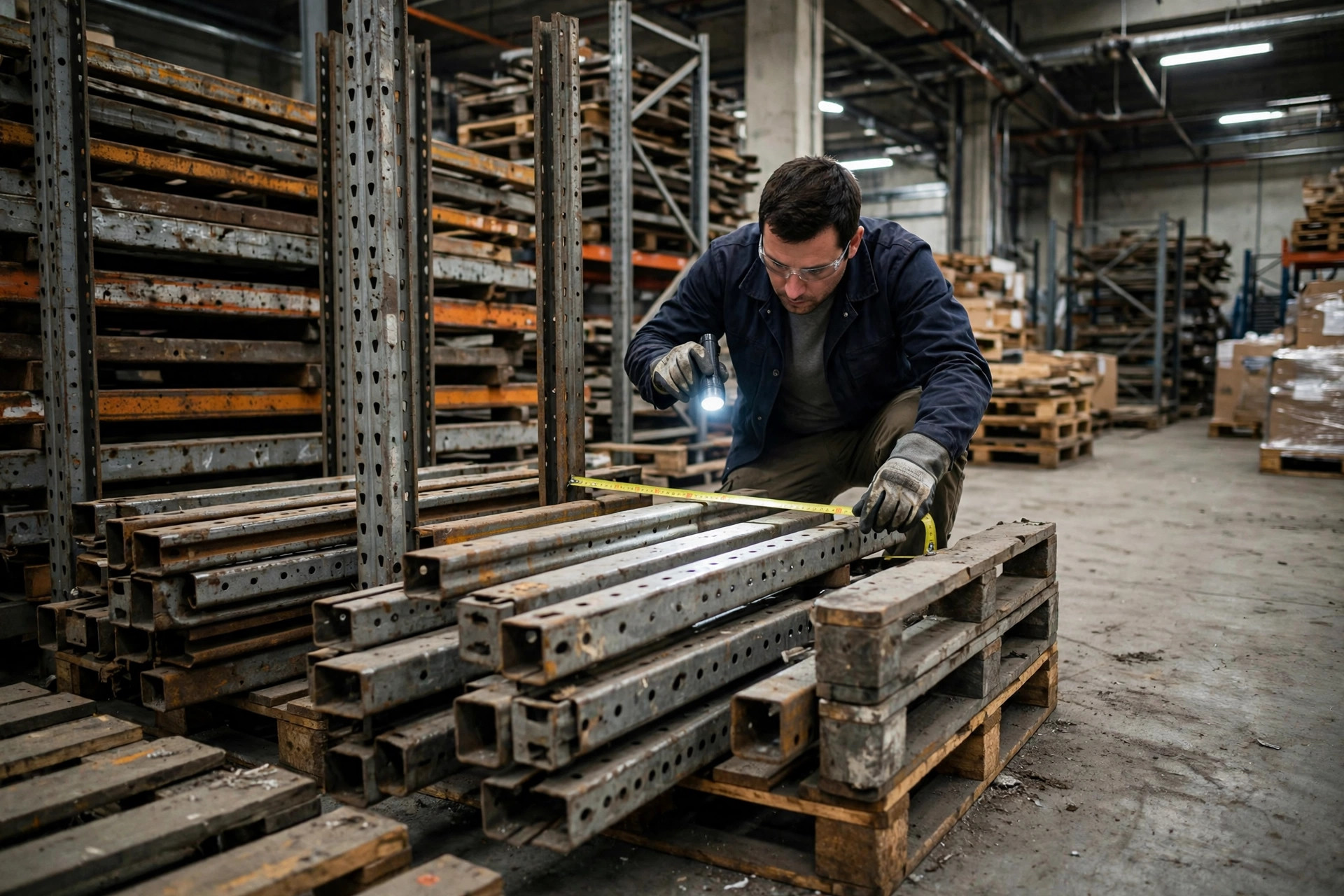
There is no one-size answer here, and that is exactly where newcomers trip. The Pakistani standards authority checks whether a product meets the standards and requirements adopted locally. For warehouse equipment, racking, conveyors, lifting gear, and electrical control parts can each follow a different path. Sometimes it depends on the product category, sometimes on the intended use and construction, and sometimes on whether you are shipping a complete machine or spare parts. My unglamorous but reliable method is this: before quoting, ask the buyer for a full product list with names, models, materials, uses, and electrical details, then ask the buyer's broker or a local compliance adviser to confirm the route for every single item. Never guess. Never tell yourself this one definitely needs nothing and that one definitely needs everything. Guessing feels fast until the cargo reaches port. Scope, procedures, fees, and timelines must always be checked against the authority's latest published policy, and any agent promising a guaranteed pass deserves a healthy dose of suspicion.
Here is the counterintuitive part. People assume only big, expensive machines create certification headaches. In my experience, the opposite is often true. A small attachment or one electrical component inside a control panel can be the weakest link in the whole document chain. The main machine file can be perfect, but if one component description does not match, the entire shipment can stall. That is why I now list products on two levels: the complete machine plus its key components, not just the big-ticket items. Another surprise: passing certification does not mean customs clearance will be smooth. Customs also checks whether the invoice, packing list, origin certificate, and transport documents agree with each other. One wrong model name, quantity, or weight can waste all the certification work you did.
The Paperwork Game: Do Not Wait Until the Cargo Lands
Paperwork is not about volume. It is about consistency. I now prepare three sets of documents in parallel. The first set proves product identity: a model list, technical parameters, construction notes, and electrical information, with model names kept identical everywhere. Mixing a factory internal code with an export model name is a classic own goal. The second set supports conformity: evaluation or testing material prepared to the local requirements, plus the factory quality documents showing the product was actually made to the relevant standard, not described into existence after the fact. The third set is the trade paperwork: invoice, packing list, and certificate of origin, where product names, models, and quantities must match the first two sets character for character. I once reversed two similar model names on a packing list, and the buyer sent it straight back for rework. We nearly missed the sailing.
Time cost belongs in the quotation too. Inspection, evaluation, document fixes, and back-and-forth communication can all stretch the schedule, especially around local holidays or port congestion. Leaving buffer in the plan is not cowardice. It is survival. I now put document milestones in the contract: a technical document list within a few days of signing, a confirmed model table before production, and a final document check before shipment. When milestones are in the contract, responsibility is clear, and nobody has to dig through old chat messages when something goes wrong. One more warning: treat last year's route as history, not as this year's rule. Policies change, and applying an old experience to a new order is one of the fastest ways to get burned.
The PSQCA Certification Timeline, Counted Honestly
You cannot judge this timeline by the certification step alone. You have to spread the whole chain out on the table. I use a simple decision table for every Pakistan inquiry, fill it in first, and only then decide whether to take the order and what delivery date to promise.
| Equipment type | Confirm before quoting | Where it usually gets stuck |
|---|---|---|
| Warehouse racking | Whether it falls in the mandatory scope, plus structure and load details | Model list does not match the physical goods |
| Conveying equipment | The applicable route for motors and controls | Missing or vague electrical documentation |
| Electrical control panels | The document chain for key internal components | Only the whole machine is documented, parts are missing |
| Forklift attachments and small parts | Do not judge by cargo value | Small items are the easiest to overlook |
Once the table is filled in, the decision gets obvious. If the document chain is already complete, you can promise a tighter date. If there are many models, messy components, or a slow factory, push the date back and leave room for port charges too. There is one situation where I walk away from the deal myself: the buyer cannot describe the product list clearly and refuses to get a local broker to confirm things in advance. That looks like an order, but it is really a trap. I would rather be slow and take one fewer order than let a container in Karachi teach me an expensive lesson. The accounting logic is simple. Certification cost spread across the whole order is not scary. What is scary is leaving it out of the calculation, then discovering at port that both cost and time have blown past your plan.
So here is my honest take. The Pakistan market is worth doing. Demand is real and buyers are serious. But its compliance bar does not reward gut feeling. My routine is now fixed: confirm scope first, align documents second, and only then talk delivery dates and prices. Never reverse that order. This one actually works. I have tested it myself, and since that Karachi order, no container of mine has sat at port because of a paperwork problem.
By Ah K, E-commerce Seller (5 yrs)