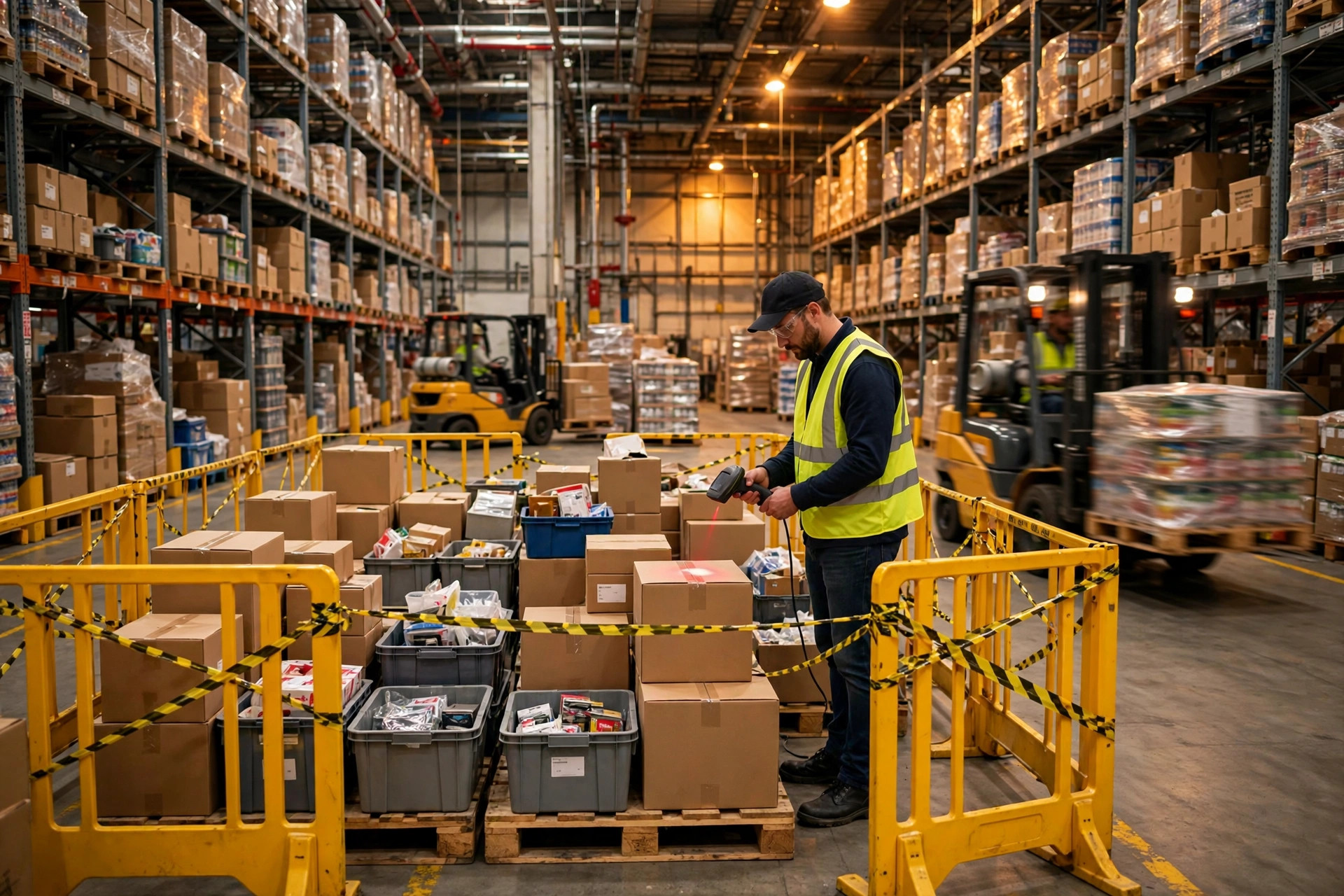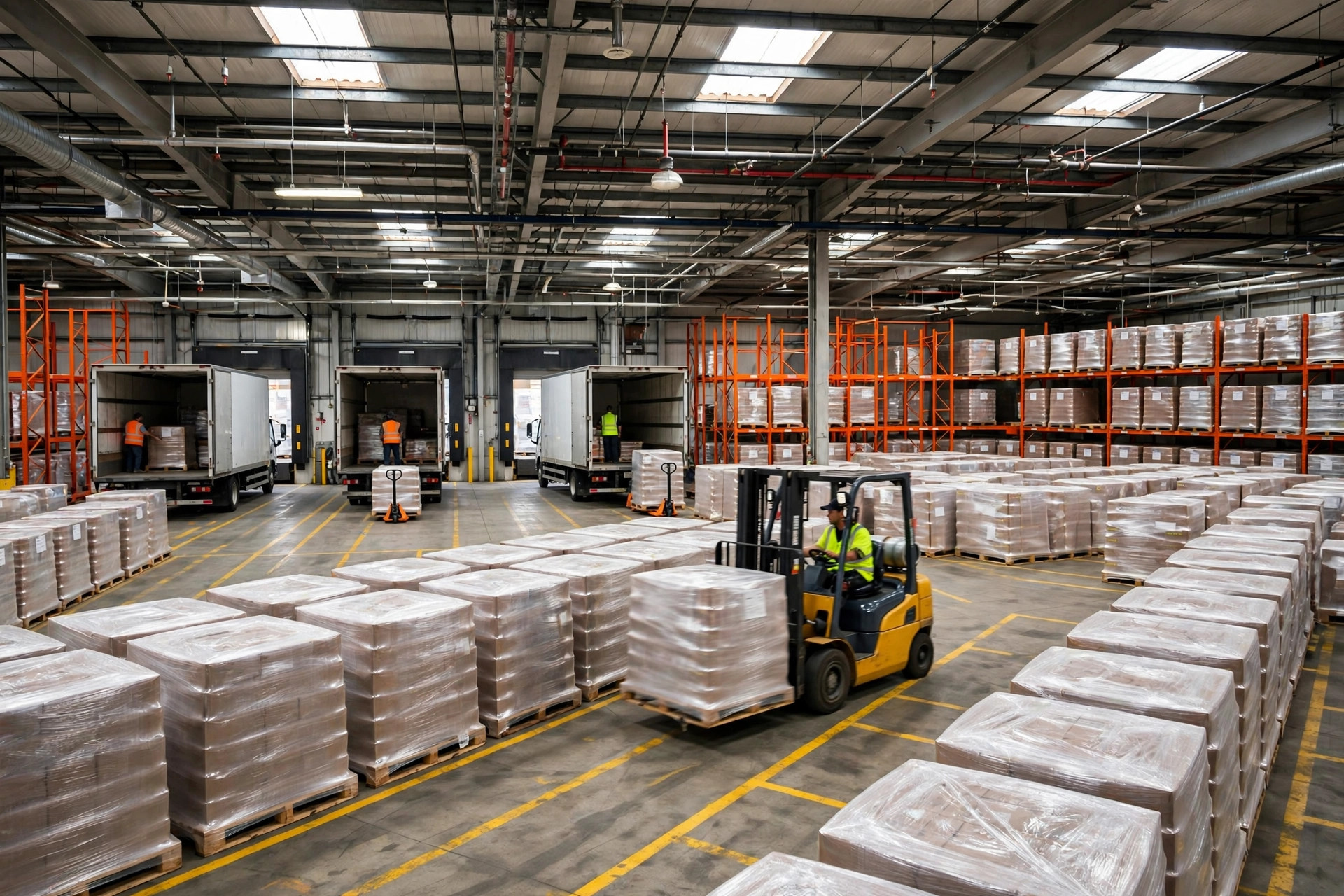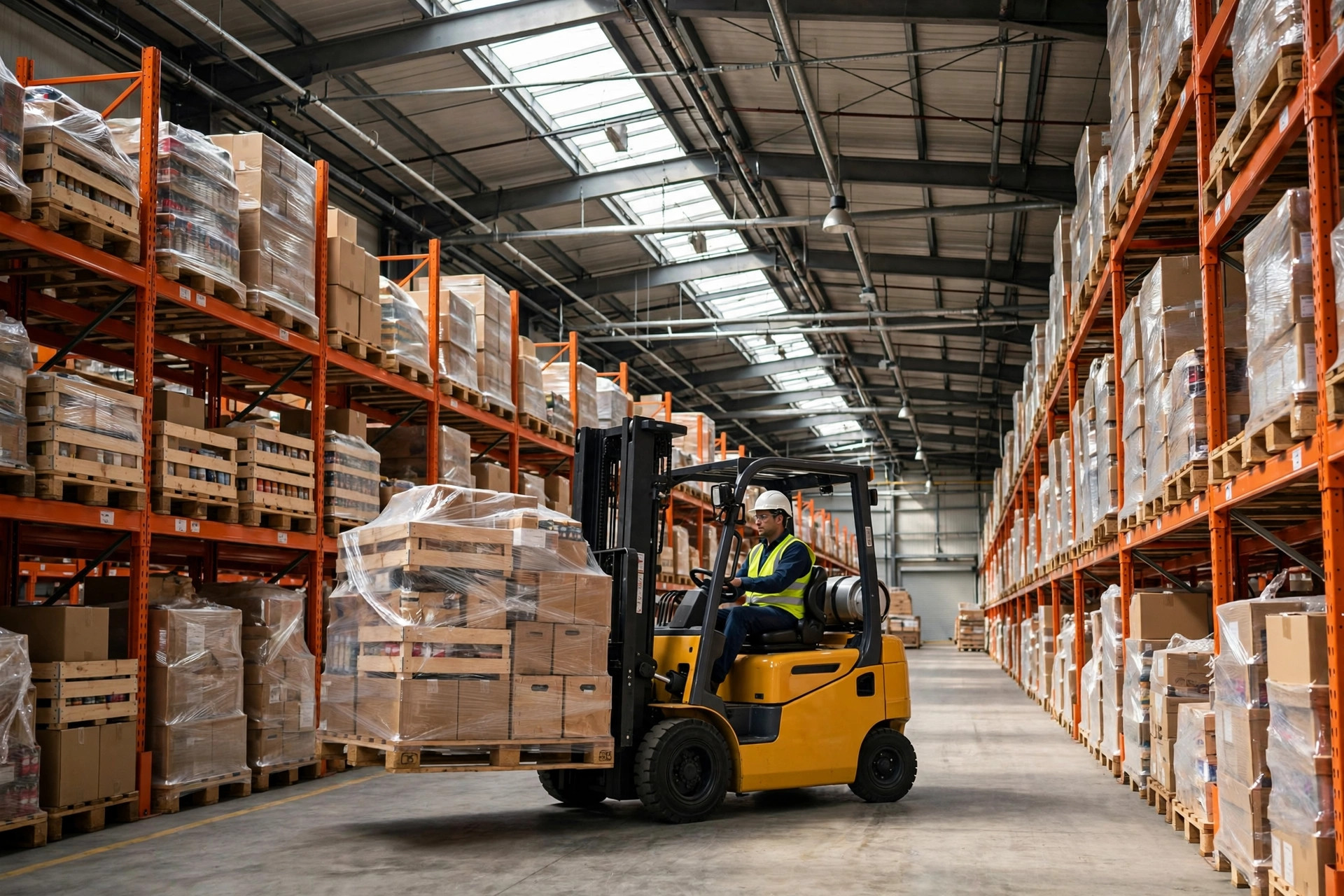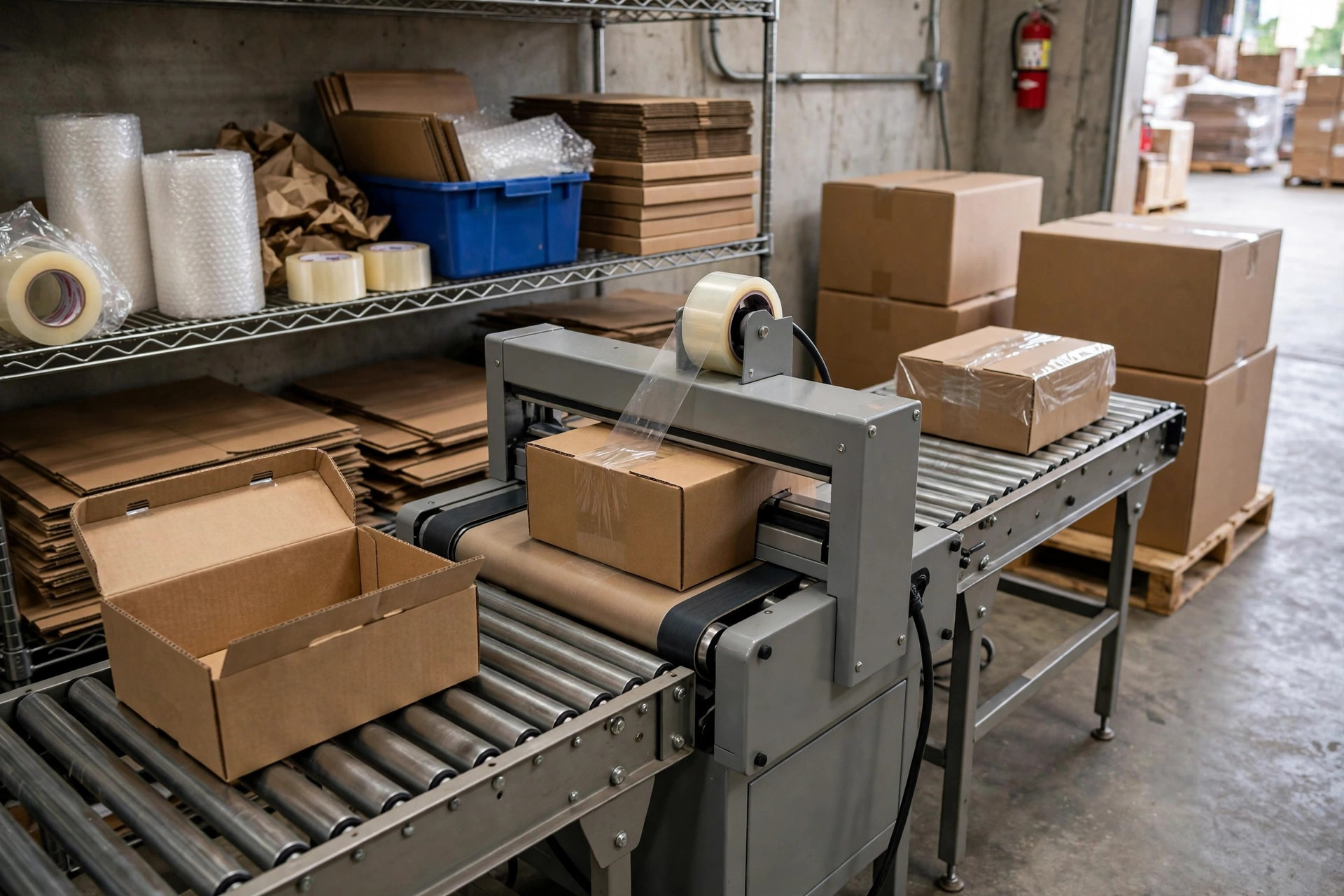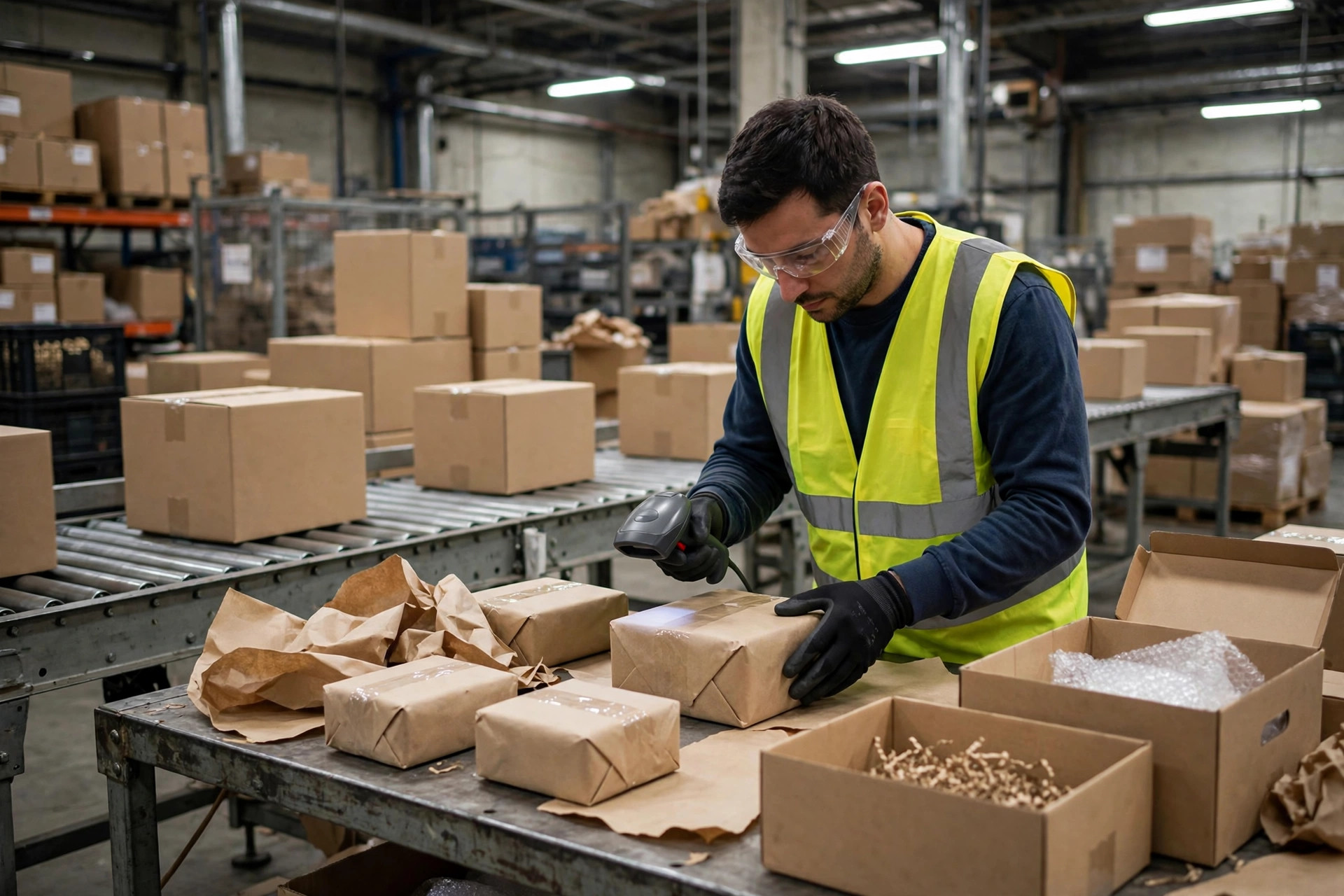
Last month I toured a 50,000-square-foot e-commerce warehouse in Fontana. The owner proudly showed me his new QC station — set up at the end of the pack line, right after the case sealer. Workers opened boxes, scanned, resealed, a smooth little routine. I asked him: how long does it take to rework one box? Two minutes, he said. How many errors a day? About three per thousand, he said. Then I asked him to run the numbers with me, and his face changed. So here's my question for you: how big do you think the rework gap really is between checking before packing and checking after?
Short answer: it's not a point or two — it's an order of magnitude. But don't conclude from that that pre-pack QC always wins. The trade-off runs deeper than it looks.
Two Roads, Different Pain
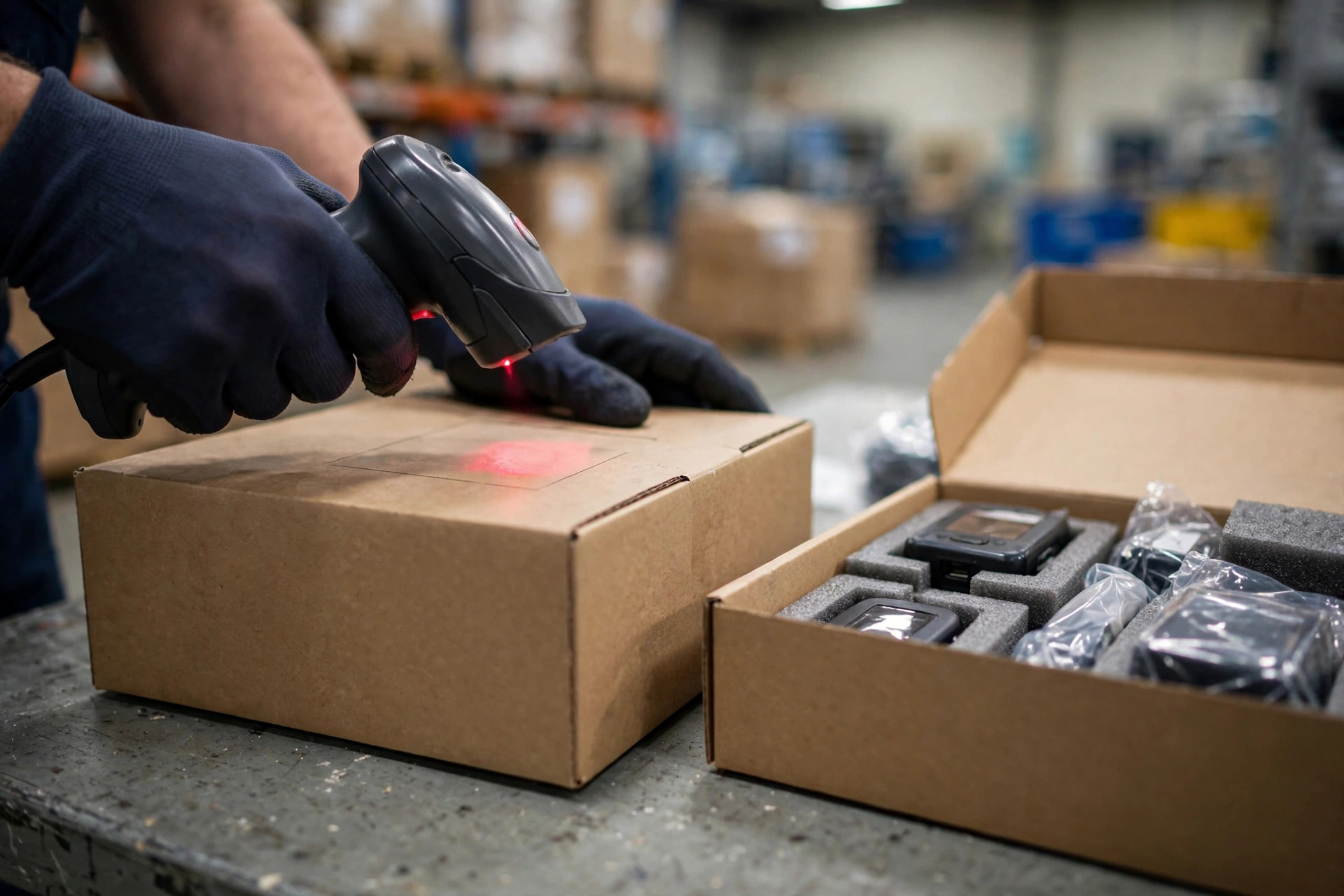
Pre-pack QC hurts you in extra touches. Product comes off the pick, hits the QC station first, gets scanned and verified, then moves to the pack station. The QC operator works with loose units — grab the wrong one, swap it out, rework cost near zero. But your freight travels an extra leg and passes through an extra pair of hands. In a warehouse doing 4,000 orders a day, that extra leg means tens of thousands of touches a day, and your labor plan and travel paths have to make room for it.
Post-pack QC hurts you in rework. The box is sealed, the label is on, QC finds an error, and now you're opening the box, pulling product, swapping it, repacking, resealing, relabeling. Reworking one errored order takes several times longer than fixing a loose-unit mistake. Worse, some errors force a full repack of the carton, and during peak season a single rework can jam the whole line.
Back in 2023 I ran a head-to-head in a City of Industry warehouse: same order mix, one week each way. Post-pack QC's error catch rate was honestly fine — the pain was all in rework. Reworked cartons ate a third of the QC station's time; the operators spent half their energy opening boxes instead of catching errors.
Here's the part nobody puts on the slide deck: pre-pack QC also changes your error profile. When operators verify loose units all day, they start catching upstream problems — mislabeled totes, pick errors from the night shift — before those problems ever reach a box. Post-pack QC only sees the finished carton; it catches what's wrong but teaches you nothing about where it went wrong. If your goal is fewer errors next quarter, not just fewer errors today, that feedback loop matters.
Three Numbers Decide It
Don't pick by gut. Look at three numbers.
Number one: your mis-ship rate. If it sits reliably below two per thousand, post-pack QC is the cheaper play — errors are rare, so rework is rare no matter how expensive each one is, and you save the floor space and the extra touches. If it runs above five per thousand, put the QC station ahead of packing and don't look back — cheap rework is the whole game. In between, run your own math.
Number two: average order value. With high-value goods, one mis-ship costs you more than rework — it costs you customer service time, a return, a bad review. High-AOV operations should default to pre-pack QC; the extra labor is nothing next to one angry customer. With low-AOV high-volume, the math flips: the labor you add at the QC station, spread across every order, can cost more than the mis-ships themselves. That's where post-pack QC plus weight verification wins.
Number three: order profile. Single-line orders are easy to verify — scan the barcode pre-pack, ten seconds, done. Multi-line orders turn the QC station into a bottleneck: loose units pile up on the table, the operator scans a dozen items one by one, and throughput dies. For multi-line, consider the hybrid: rough pre-pack check on piece count only, then weight verification after packing to catch what's missing.
A word on weight verification: a bench scale is cheap, but it only catches count errors — one extra, one short. It won't catch the wrong SKU at a similar weight. A scale supplements QC; it doesn't replace it. Betting the whole error rate on one scale is how you learn that lesson the expensive way.
And a scanner-versus-scale debate deserves a straight answer, because I hear it constantly. Barcode scanning answers "is it right" — right SKU, right batch, right quantity. Its cost is time: ten seconds for a single-line order, maybe a minute for ten lines. The more SKUs and order lines, the slower it gets, but the more accurate it is. For high-AOV, high-SKU operations, scanning is table stakes.
Weight verification answers "is it complete." The system holds a theoretical weight for the order; the scale compares, and anything outside the tolerance trips an alarm. Its cost is one scale plus a few seconds — absurdly fast. Its congenital flaw: the theoretical weight has to be right. Products change packaging, suppliers change, weights drift, and if nobody maintains the master data, false alarms drown the station. I once saw a warehouse whose theoretical weights hadn't been updated in half a year — nine out of ten scale alarms were false, operators started ignoring them, and the whole step was effectively dead.
The right posture is the combination: scanning for correctness, weighing for completeness. Single-line orders can live on scanning alone. Multi-line orders get scanning on the critical lines and weighing as the backstop. The one operation I've seen run on weighing alone, no scanning at all: very few SKUs, big weight differences between products, packaging unchanged for years — think dumbbells. Unless that's your warehouse, don't copy it.
So Which Warehouse Are You?
The decision framework is really one sentence: whichever side is more expensive — the mis-ship or the QC — put the check on the cheaper side.
- High mis-ship rate, high AOV, mostly single-line orders: QC before packing, loose-unit verification, operator plus handheld scanner, simple and direct.
- Low mis-ship rate, low AOV, high volume: QC after packing, or weight verification as the safety net, and bank the labor savings.
- Multi-line orders, tens of thousands of SKUs: the hybrid — count check pre-pack, weight check post-pack, and add random open-box audits if you can staff them.
One last trap: once the station's location is set, don't let it become an island. I've seen a QC station separated from the pack stations by a main forklift aisle — verified goods had to cross traffic to get packed, and the bumps and drops created a whole new crop of mis-ships. Keep the QC station and the pack stations as close as possible, ideally two steps of the same workstation. And seat the QC operator where they can see the packer's table. A shouted question across the table beats any system alert.
There's no standard answer for where the QC station goes — only a well-run calculation. Put your mis-ship rate, your average order value, and your order profile on the table, and the answer writes itself.