Here's my verdict up front: the night before a big sale, don't load-test your traffic — time how long a price change takes to reach every channel. Price fields must travel by real-time push. If yours still rides on polling with an interval over five minutes, you're sitting on a time bomb. I watched one go off on Black Friday 2023.
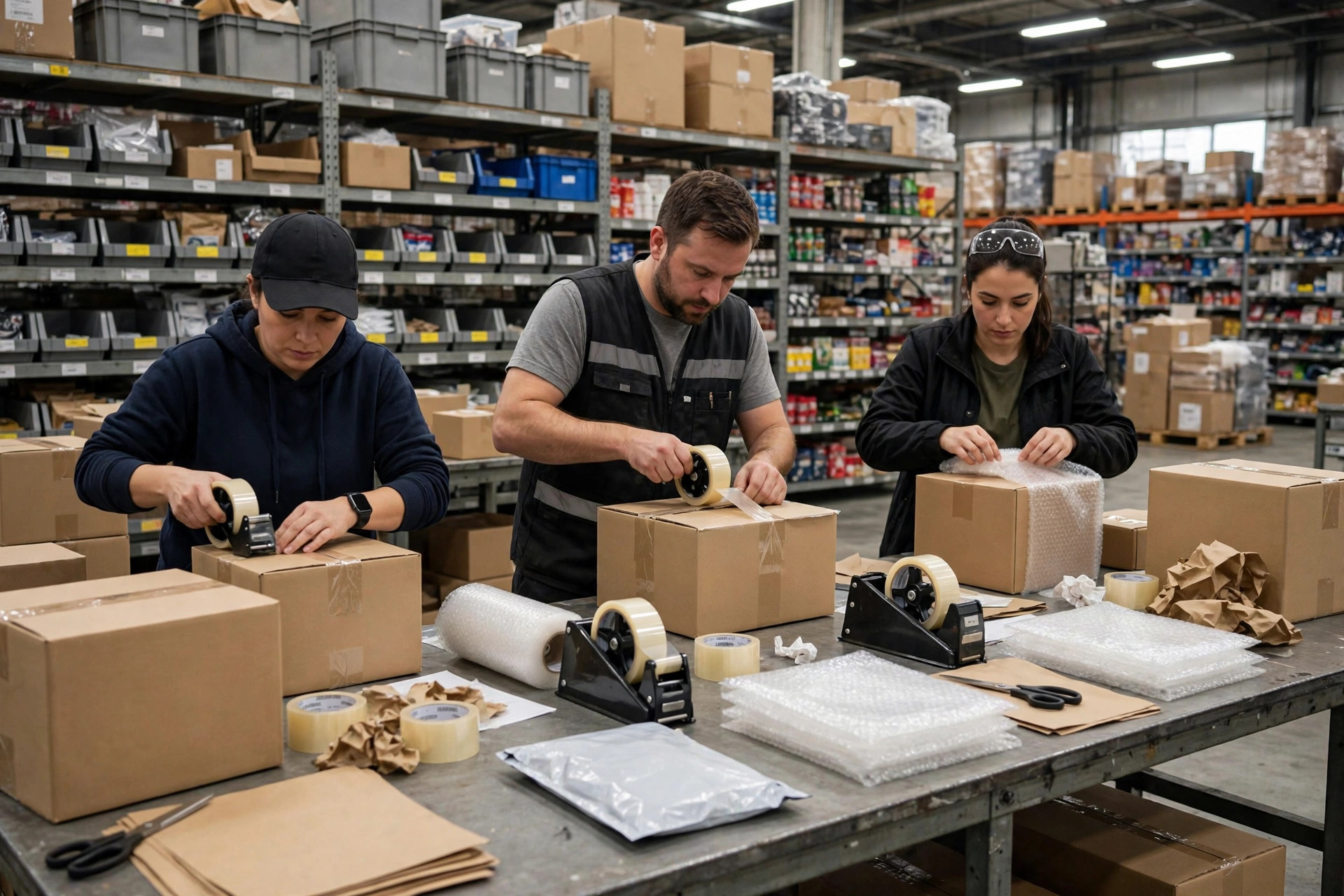
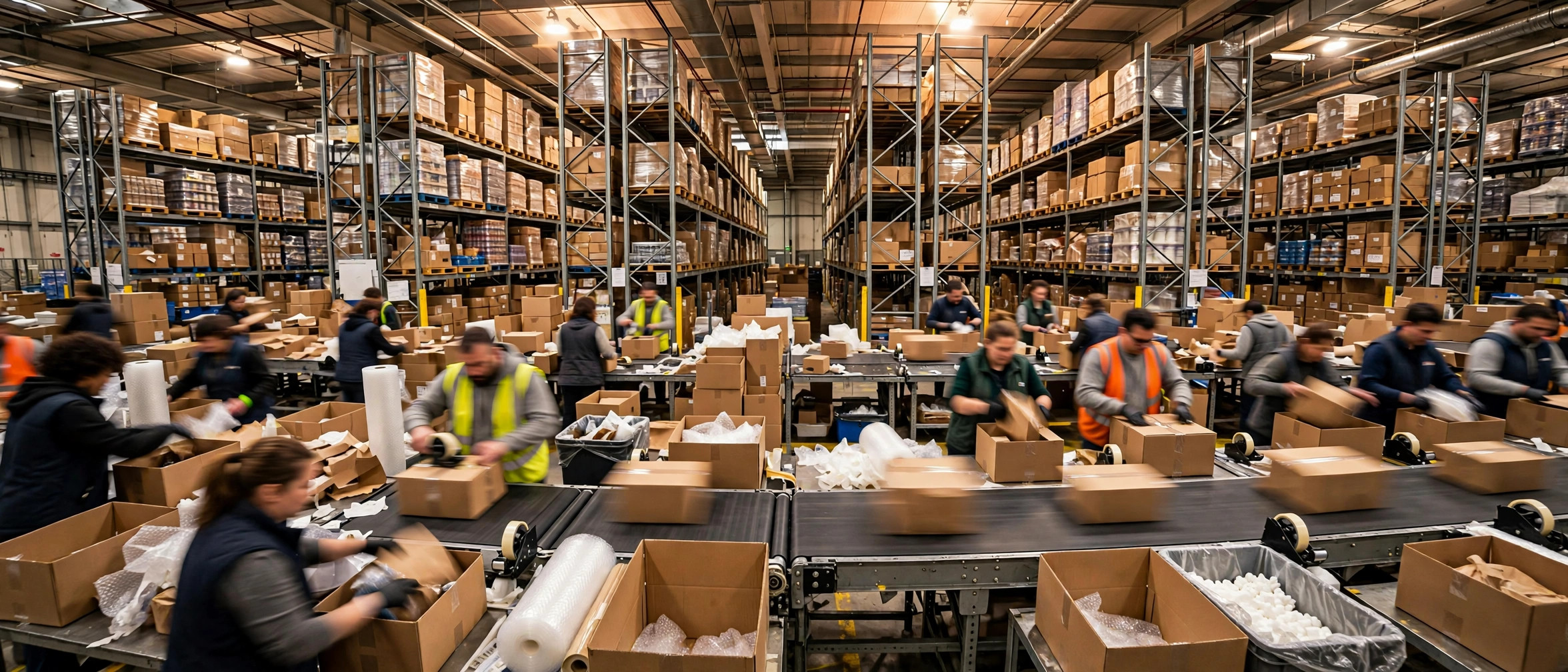
The warehouse was a 120,000-square-foot 3PL in Fontana. At 7 AM that Friday, the client dropped the promo price of a Bluetooth speaker from $29.99 to $19.99 in the channel backend, expecting the deal to go live at 8. The channel applied it within a minute. But the OMS polled channel prices every 15 minutes, and the Black Friday order flood had backed up the sync queue for over an hour on top of that. By the time the new price actually landed in the OMS and flowed down to WMS billing, it was 10 AM. In those two hours, more than 1,400 orders checked out at the $19.99 page price while the OMS had $29.99 locked in. Customer service got buried under "why did you charge me $10 extra" tickets, and once the company decided to honor the page price, the make-good credits alone cost well over ten grand. The lesson stuck with me: price-lag damage is irreversible. Once an order locks the wrong price, the boxes still have to ship, and the money is just gone.
Since then I've had a habit: when anyone talks OMS selection with me, the price-sync flow is the first diagram I ask to see.
How Many Hands a Price Passes Through Before It Becomes an Order
Editing the price in the channel backend is only step one. The change has to travel through the channel's API or webhook into the OMS, get written into the OMS price master, pass an effective-window check that decides which price this order qualifies for, and finally get snapshotted onto the order and pushed down to WMS and finance. The chain looks simple, but every hand in it can sit on the price and do nothing — the channel sent it, the OMS never received it; the OMS received it, never wrote it; it wrote it, but the time window didn't line up. Locking the price on an order is a one-way door. Once it's locked, no late-arriving sync can chase it down. So price sync isn't a question of accuracy, it's a question of speed. Two hours late and two hours wrong cost exactly the same.
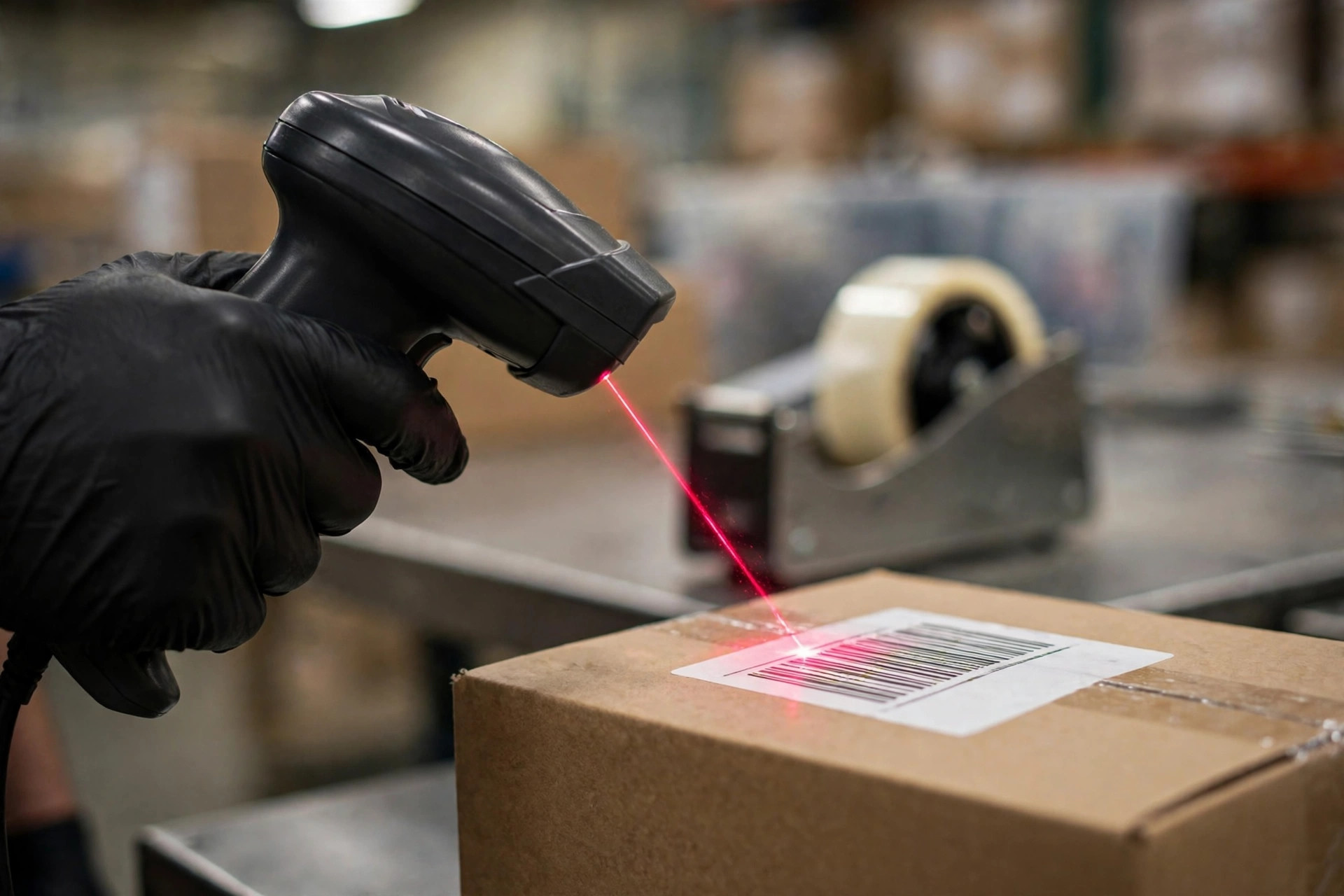
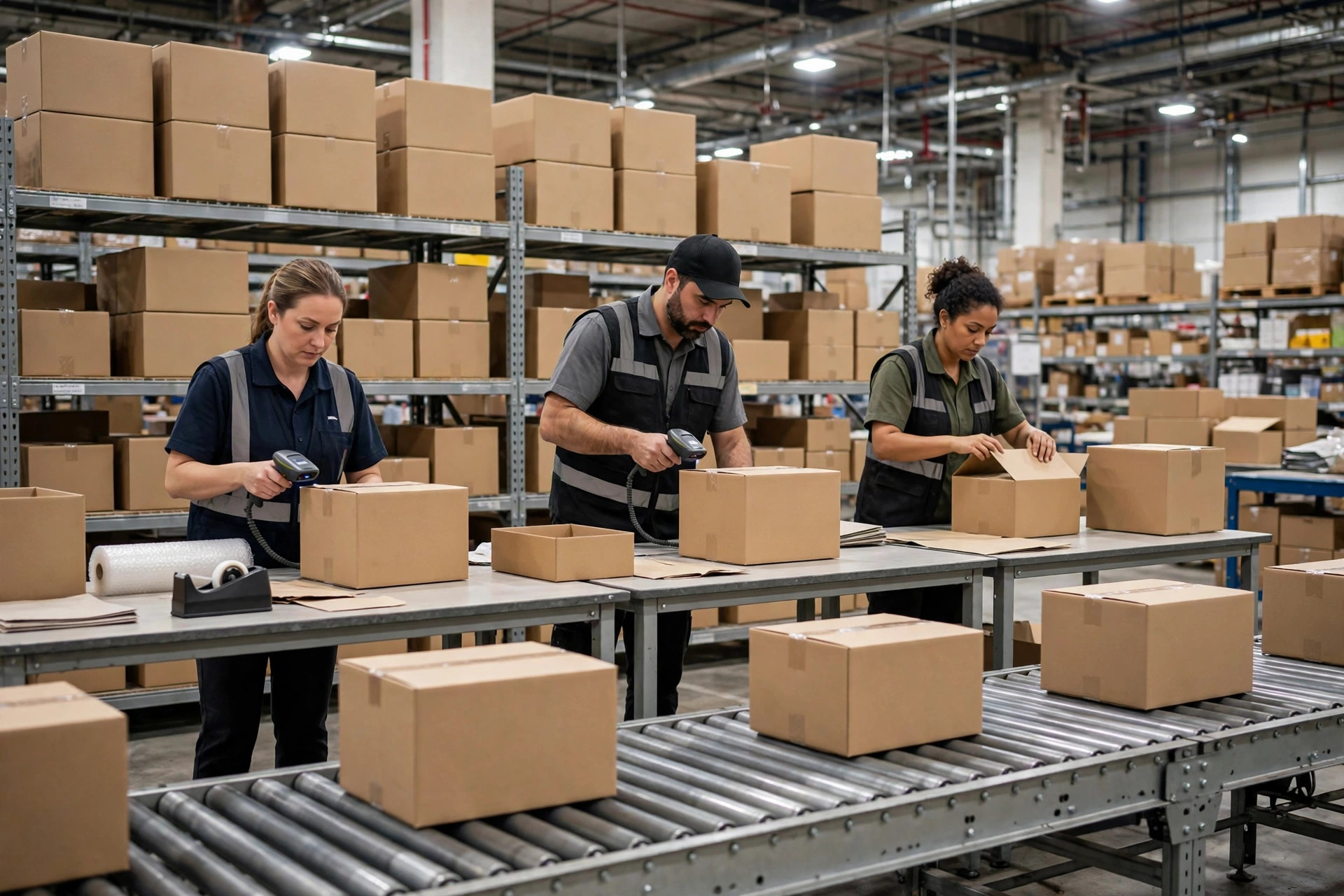
The pack station is the last place a mispriced order could theoretically be caught, and it can't catch it. The packer pulls the trigger on the Zebra scanner, the WMS prints the label and decrements inventory against the order's locked price snapshot — the gun reads barcodes, not prices. Once the carton hits the conveyor, the wrong-price order is on its way. The bandage I later put on that Fontana site was a price check at pack verification: if the order snapshot price doesn't match the channel's current price, the station screen flashes red and locks the order. That stops the bleeding. The disease is still in the sync chain.
The Three Places the Lag Hides
The first is the polling interval. Plenty of OMS setups poll channel prices every 15 or even 30 minutes. That's fine on a quiet Tuesday. On Black Friday the channel APIs throttle, responses slow down, and one poll cycle stretches into three — 15 minutes becomes an hour. My call is blunt: if your price field polls at anything over five minutes, switch it to real-time push for peak season. Non-negotiable.
The second is the dropped push. Webhooks sound real-time, but between the channel firing and the OMS receiving, one timeout, one 500 error, one network hiccup means the message is simply gone. A lot of systems don't retry, or they retry a few times, fail, and park the message in a dead-letter queue nobody ever looks at. Price changes made in the small hours before a sale hit this trap most often — nobody's watching at 3 AM, and by morning the price never arrived while orders ran all night.
The third is the effective-window mismatch. The channel promo says "valid 8:00 AM to 11:59 PM," but the OMS stores a naked price with no start and end times. Or the OMS evaluates the window on server time while the channel runs on Pacific — a quiet three-hour skew. Fontana blew up on the first two combined, but I've seen just as many sites go down on the time window, and those are nastier to debug: the sync log says "success," yet every order locked the wrong price. Infuriating.
What to Test the Night Before, and How to Stop the Bleeding
The pre-sale test list doesn't need to be long. Three items cover it. First, change a price in staging and time how long it takes to show up in an OMS order snapshot. Over ten minutes? Don't go to bed — keep digging. Second, kill the webhook receiver for ten minutes and check whether anyone gets alerted, and whether the system backfills on recovery. A push with no alerting is the same as no push. Third, place a test order right on the edge of a promo time window, see which price locks, and reconcile your server time zone against the channel's while you're at it.
When it actually blows up, the stop-the-bleeding sequence has an order, and the order matters. Kill switch first: delist the affected SKU via API — every major channel supports it, and it's far faster than a human clicking. Shut off the tap. Then throttle: if one SKU's order volume in ten minutes exceeds five times its daily norm, fire an alert and hold for human review so bad-price orders stop piling in. Finally, give customer service one honest line to use. Here's mine: "We honor the price shown at checkout." Eating an oversold low price costs you one invoice; arguing about it costs you the customer. I've done that math — the first is cheaper. And for orders that were overcharged, refund fast and apologize specifically. Don't make the customer discover it themselves.
Go ask your IT one question: is our price sync push or poll? If the answer comes back "I think it's push" — go verify it tonight. Black Friday won't wait for you.